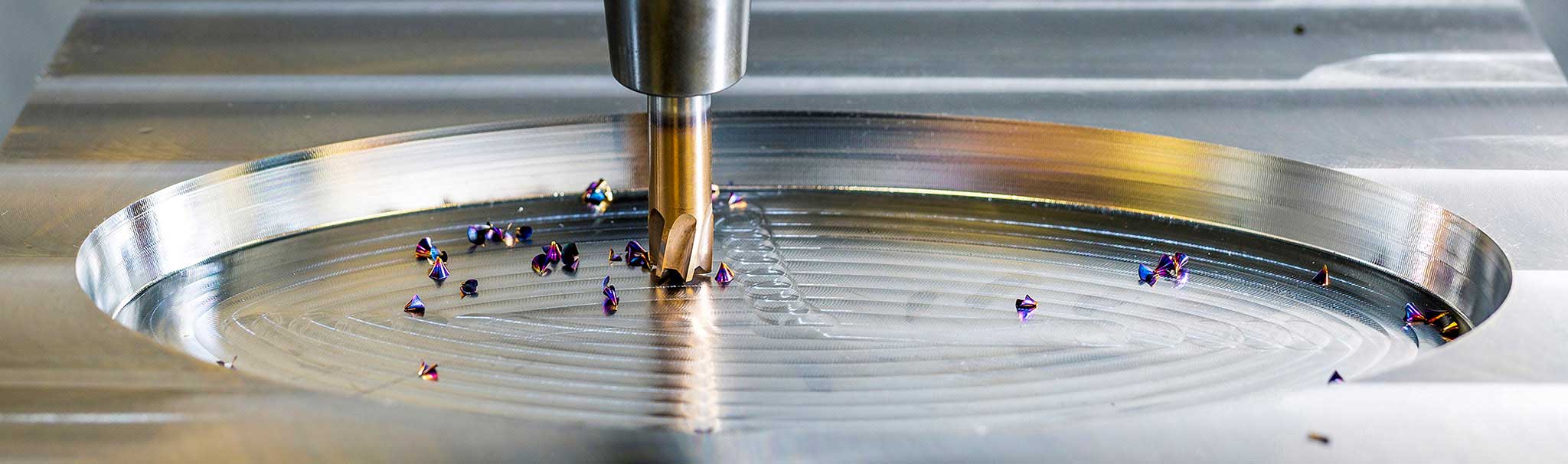
ツールおよび金型製造部門活動開始
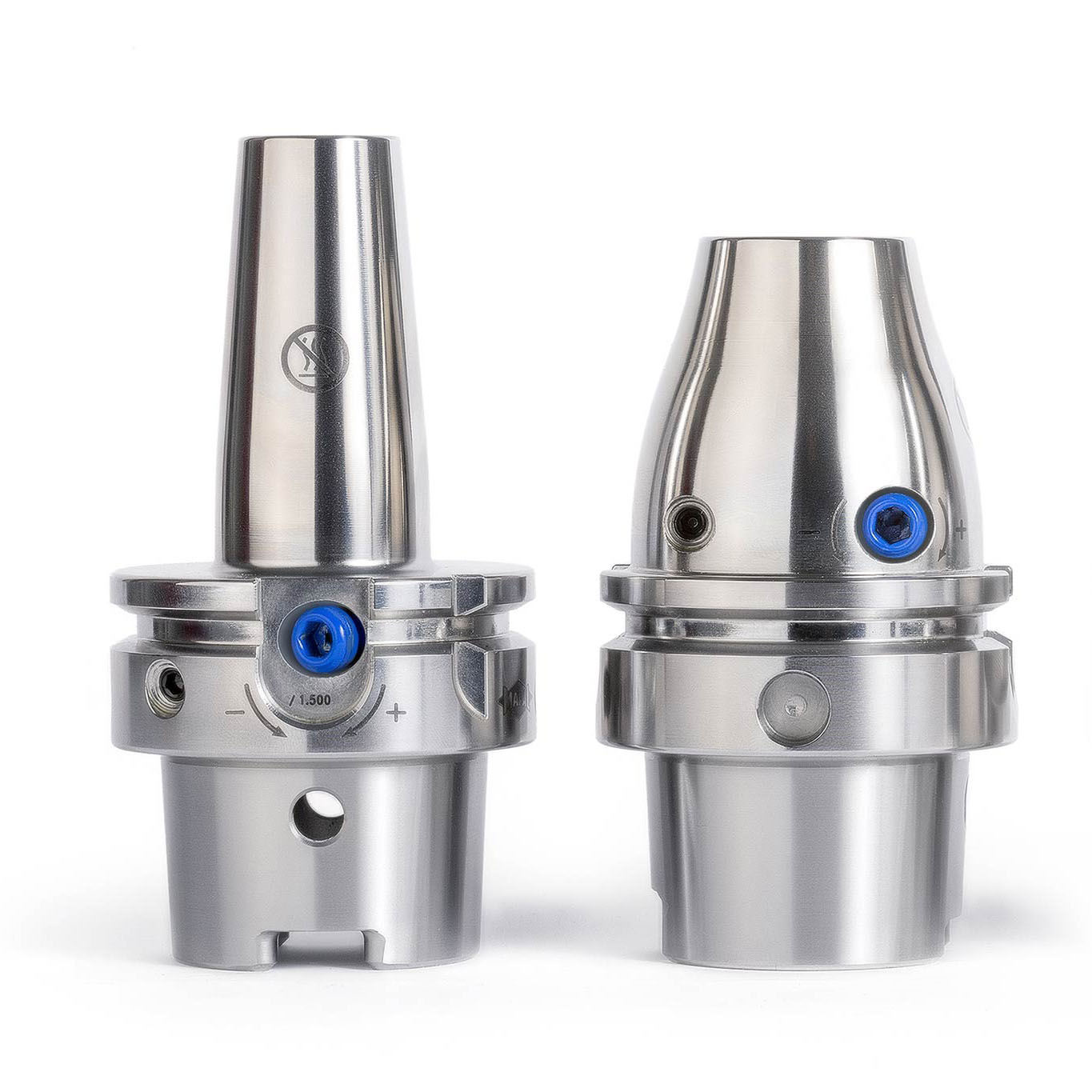
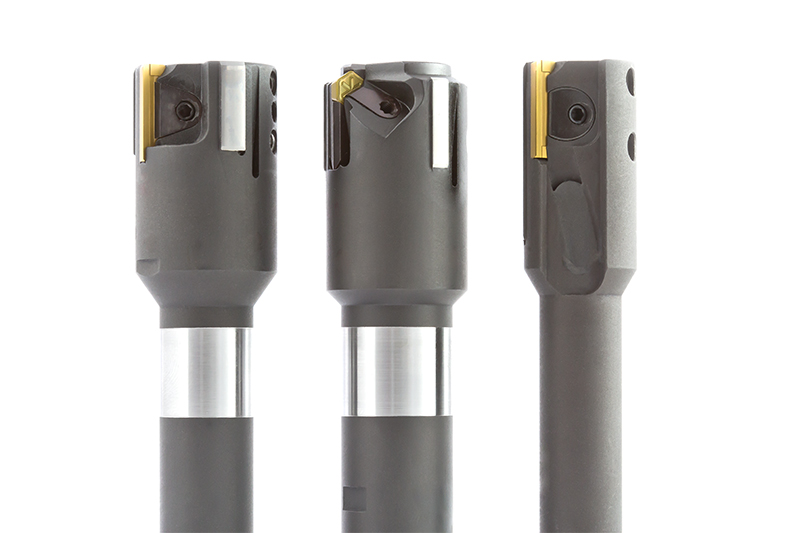
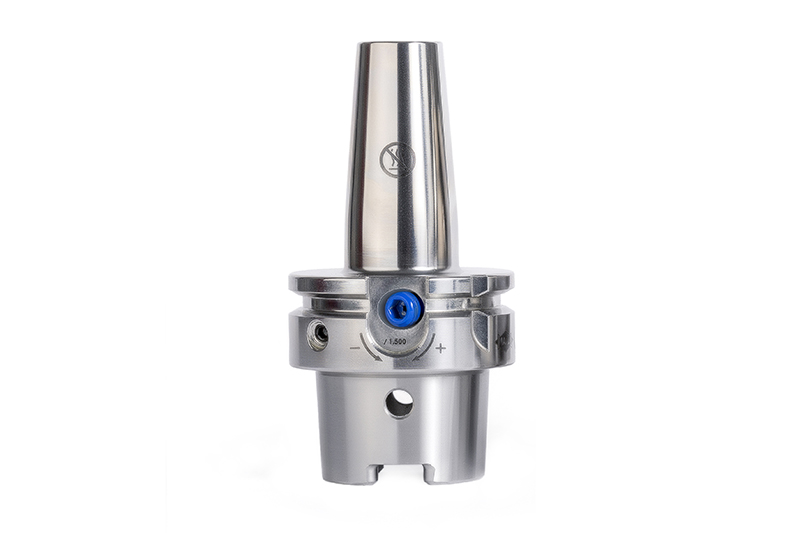
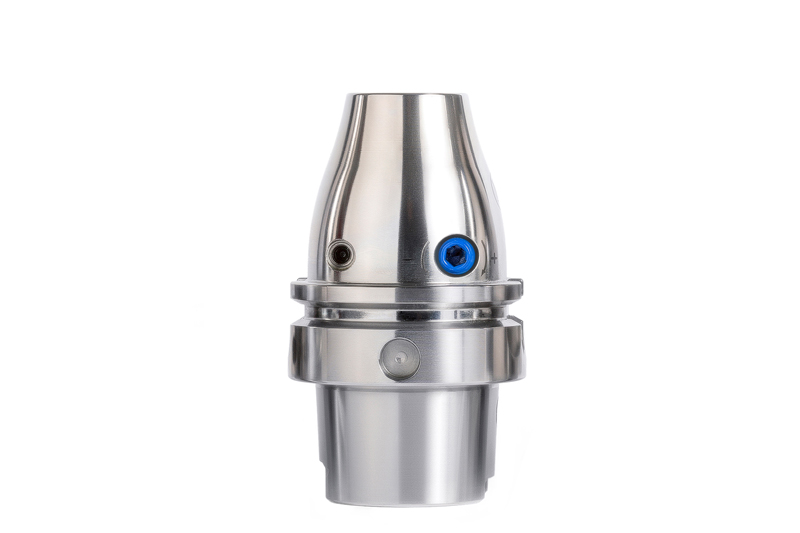
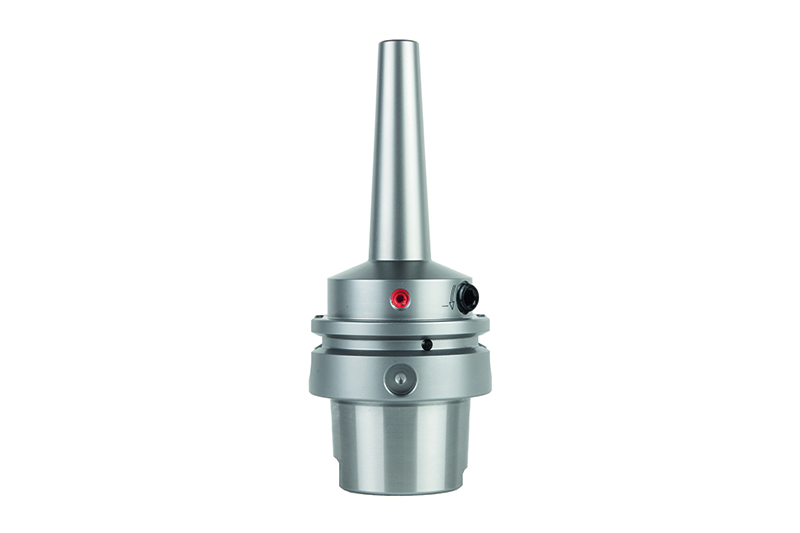
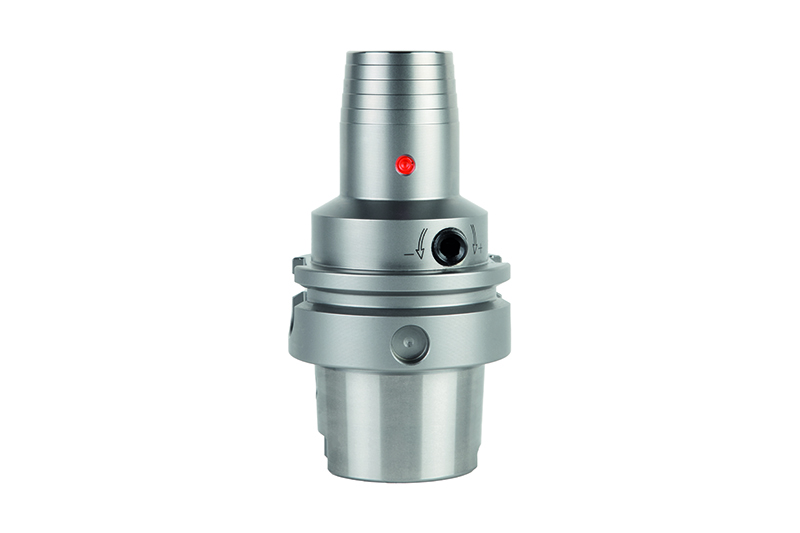
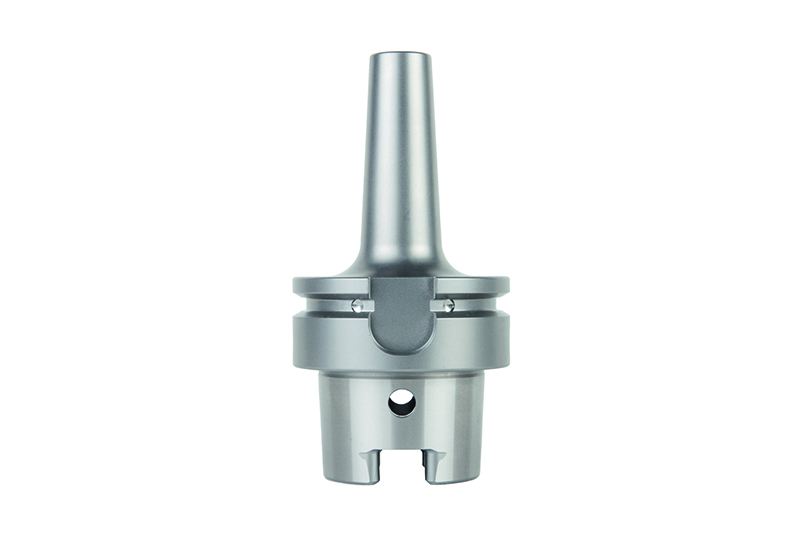
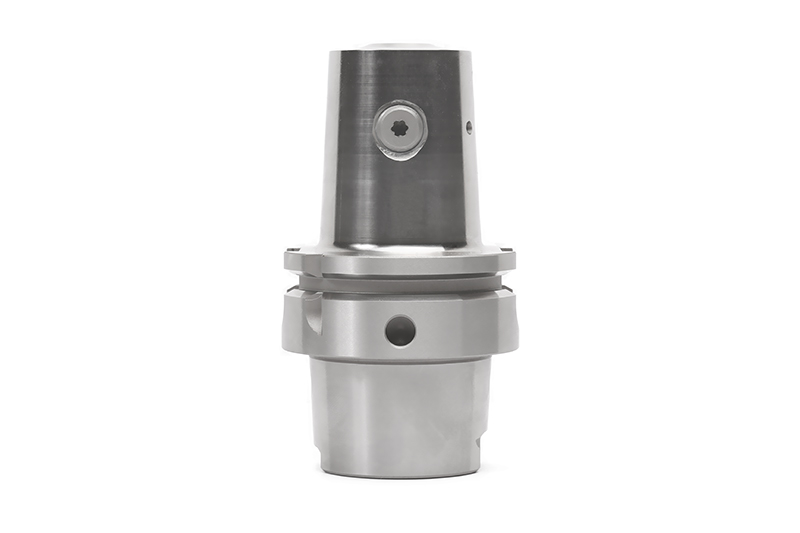
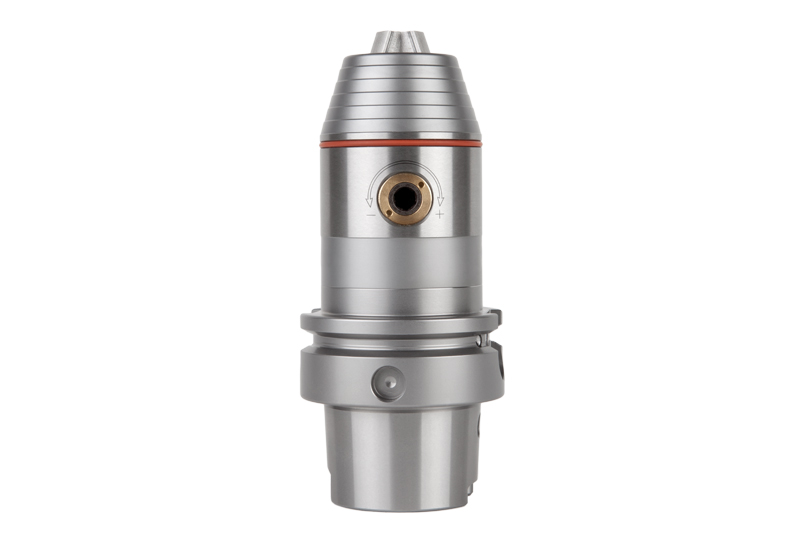
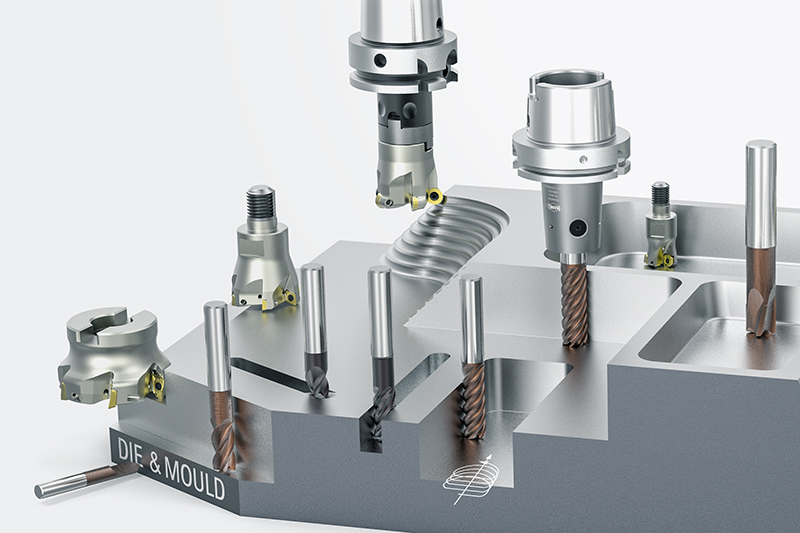
まさにこれらの側面が自動車産業、機械製造あるいは航空宇宙産業などの分野でマパールを成功させています。したがって精密ツールメーカーがや金型製造におけるすべての加工プロセスに対して効率的かつ経済的なソリューションを提供するのは当然のことです。汎用性が高く精密で高性能なツールとスリムな輪郭で正確な振れ精度の特殊なツールホルダーはミーリング加工で一定の表面品質を確保することで、研磨の手間や手直しを最小限に抑えてくれます。これによりプロセス全体の大幅なコスト削減が可能になります。
金型製造のためのツールプログラム
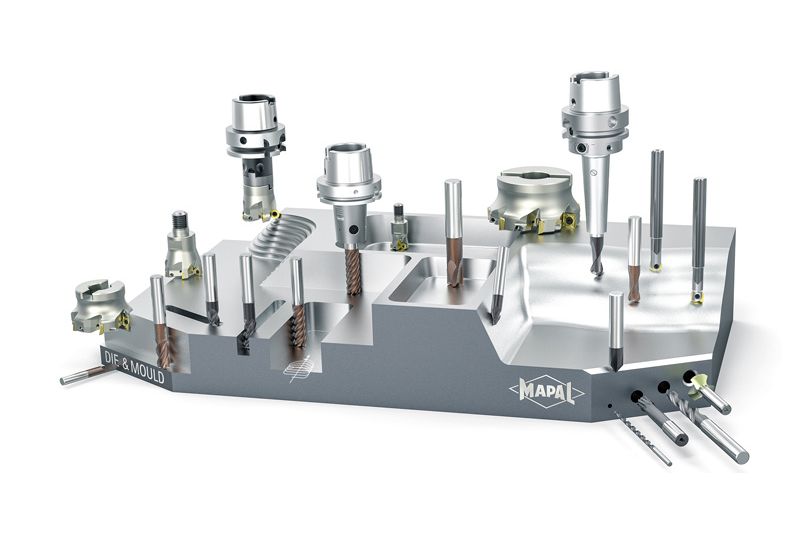
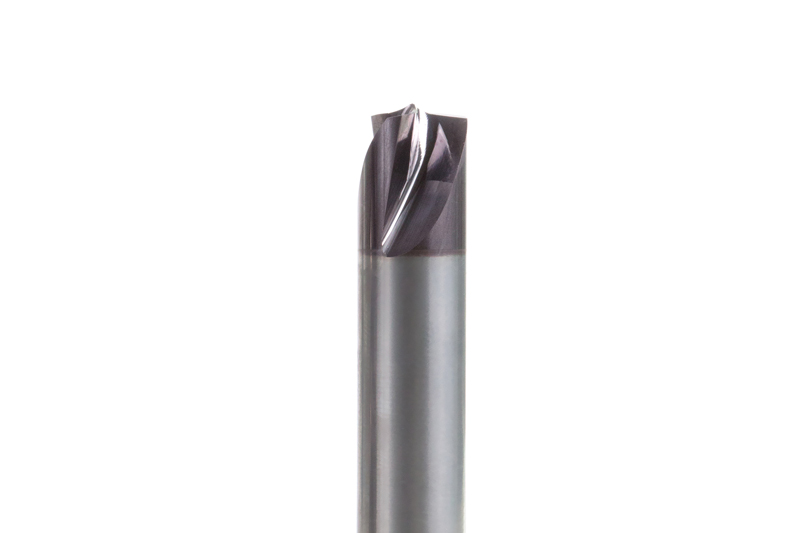
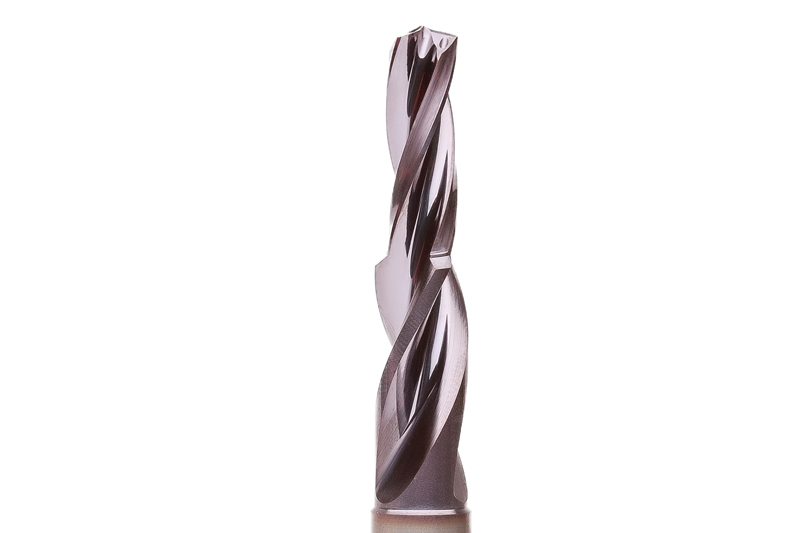
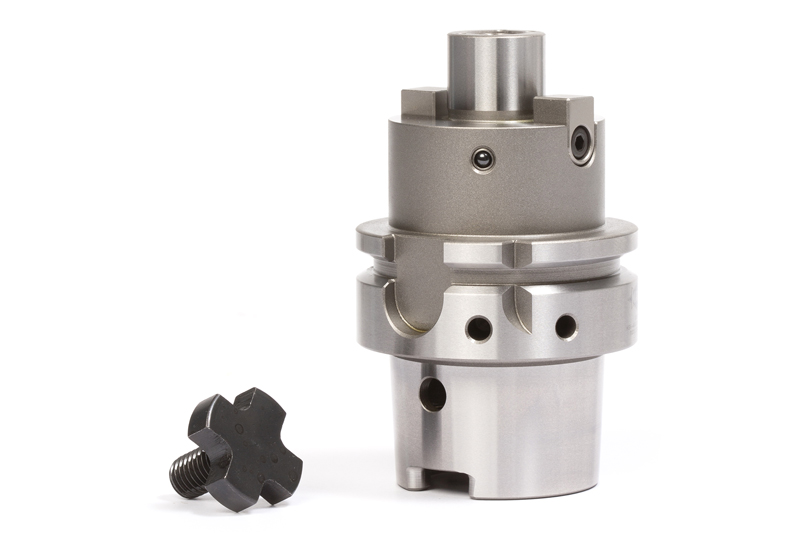
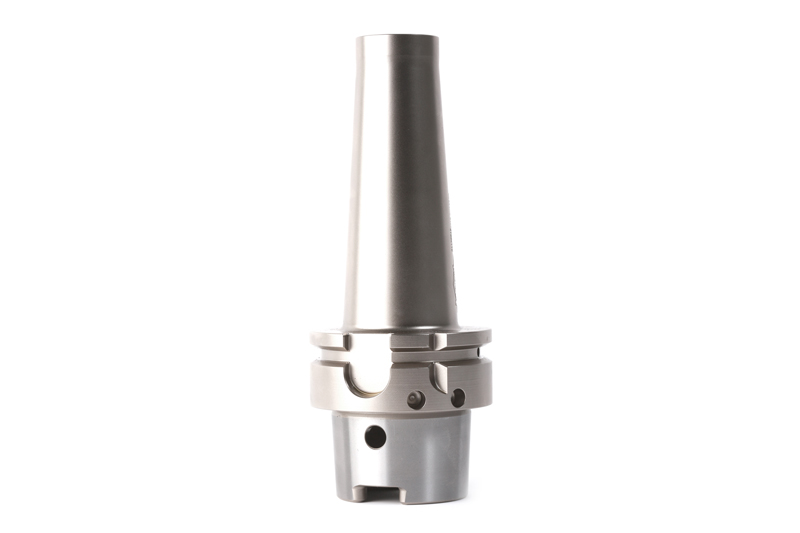
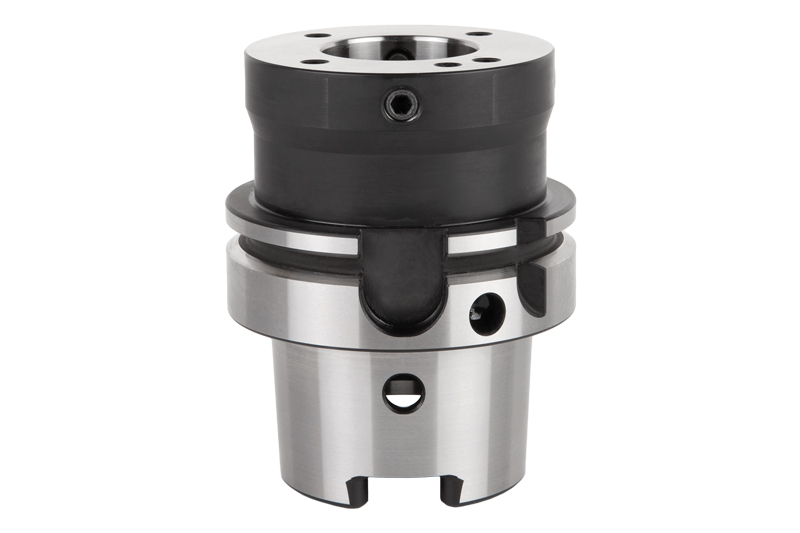
Komponenten & Werkstoffe
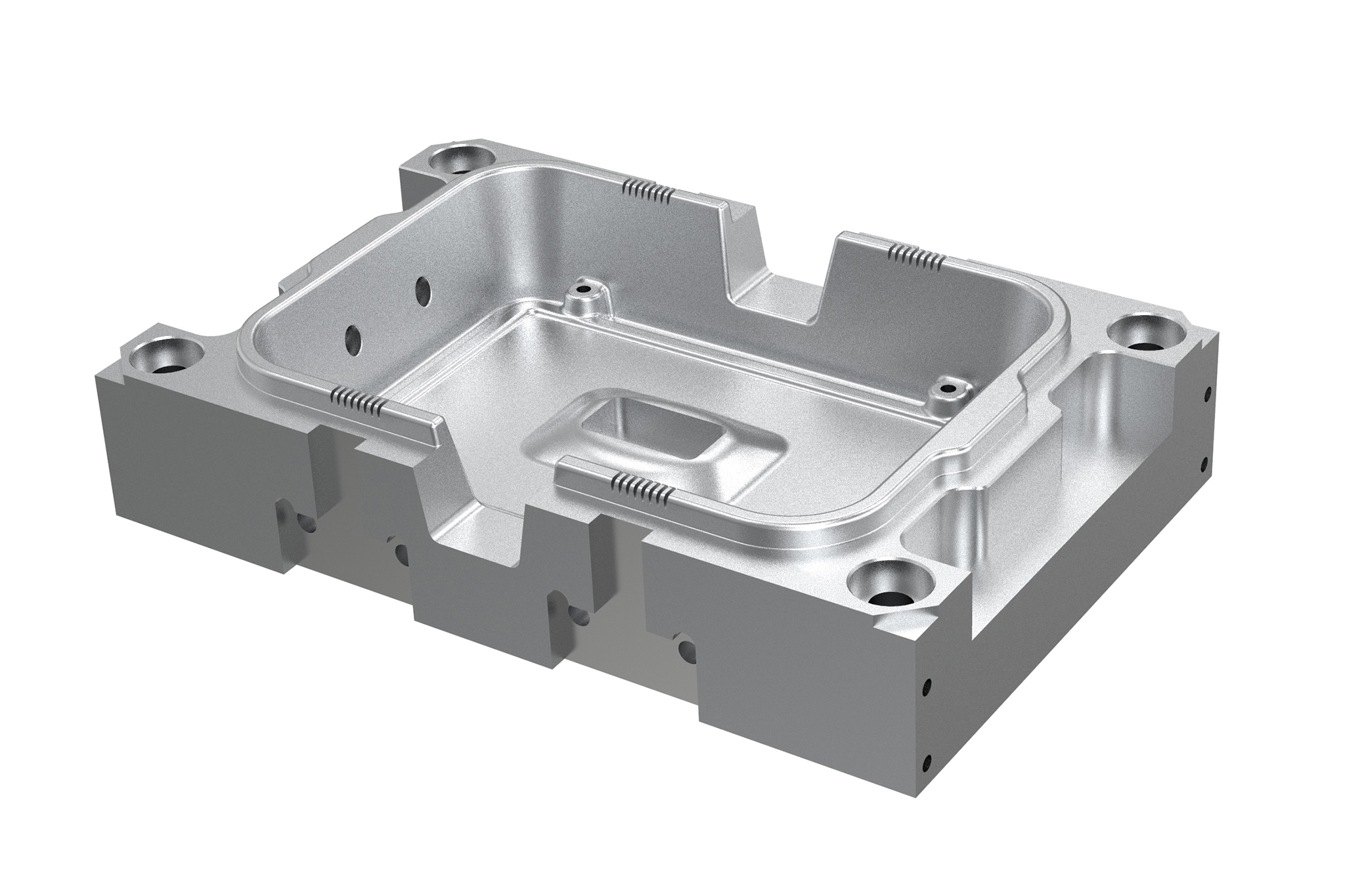
Vom Roh- zum Fertigteil
-
 1 / 8
1 / 82D-Flächen
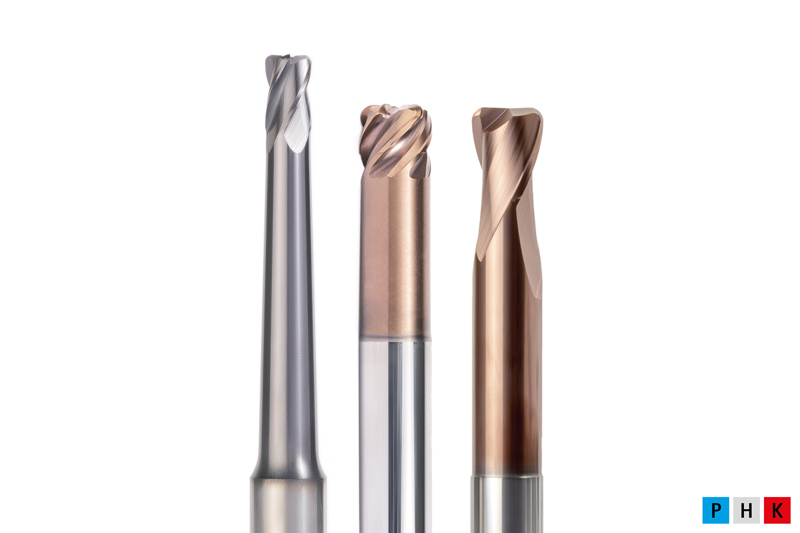
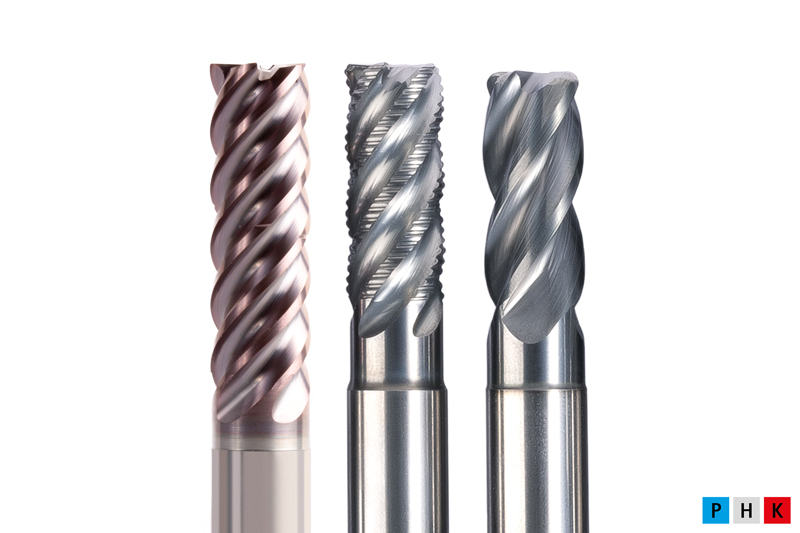
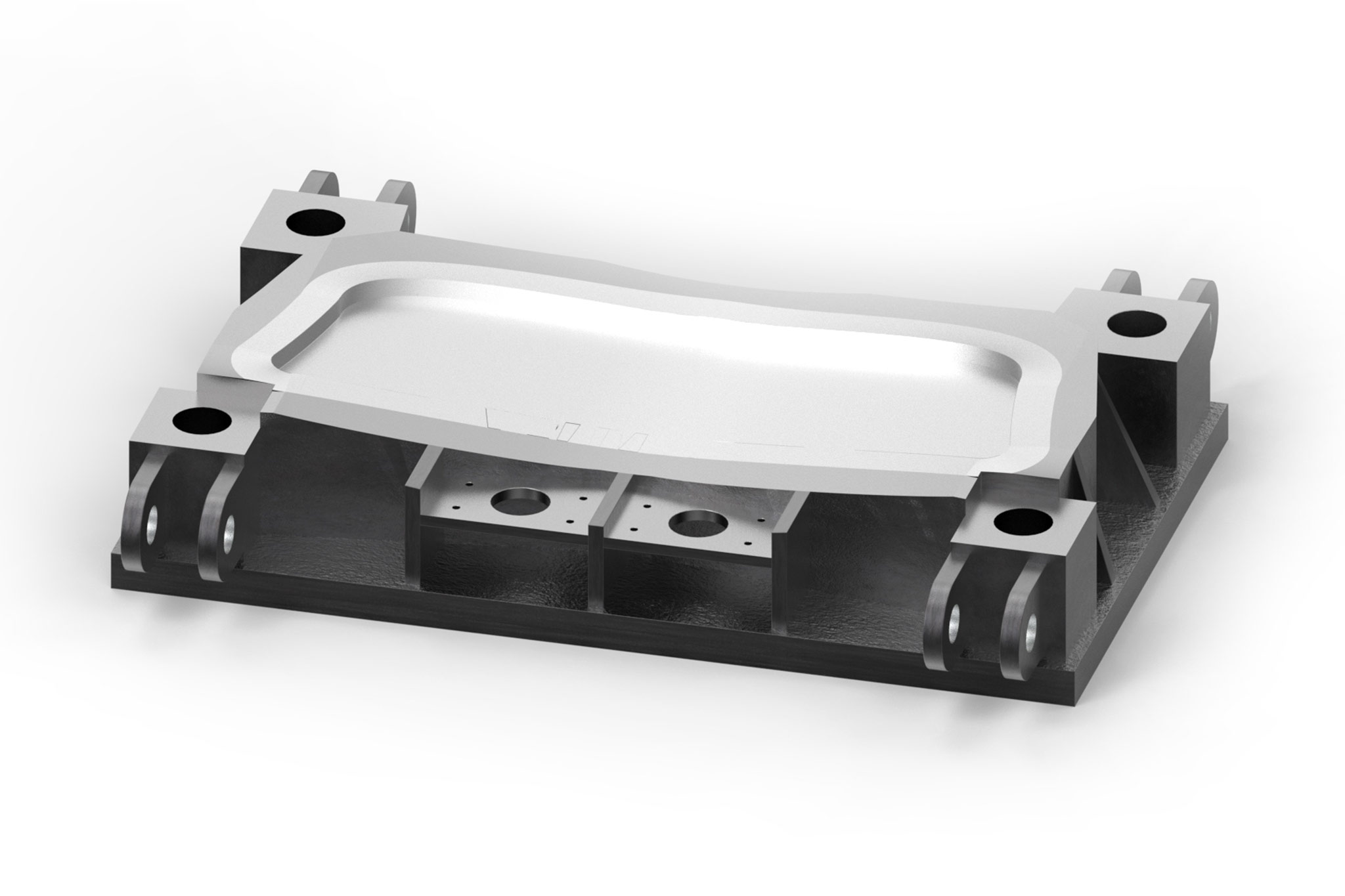
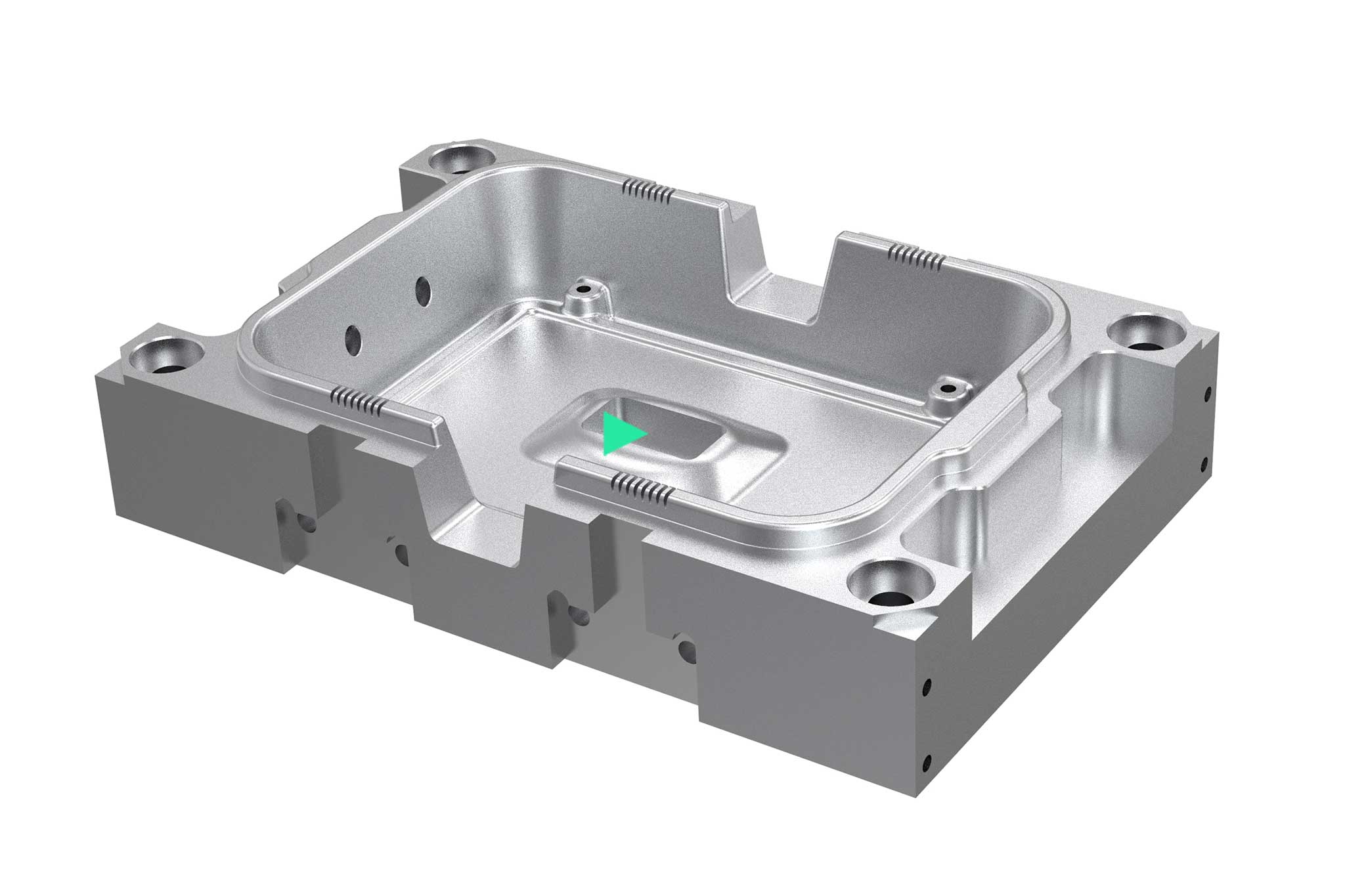
In diese Kategorie fallen einerseits direkt an der Maschine ausgeführte Bearbeitungsprozesse wie Planfräsen, Fräsen von Taschen und geraden Wänden. Andererseits auch Operationen für komplexe Geometrien, die mithilfe einer CAM-Software programmiert werden.
Zum Produktprogramm zur Bearbeitung von 2D-Flächen -
2 / 8
3D-Flächen
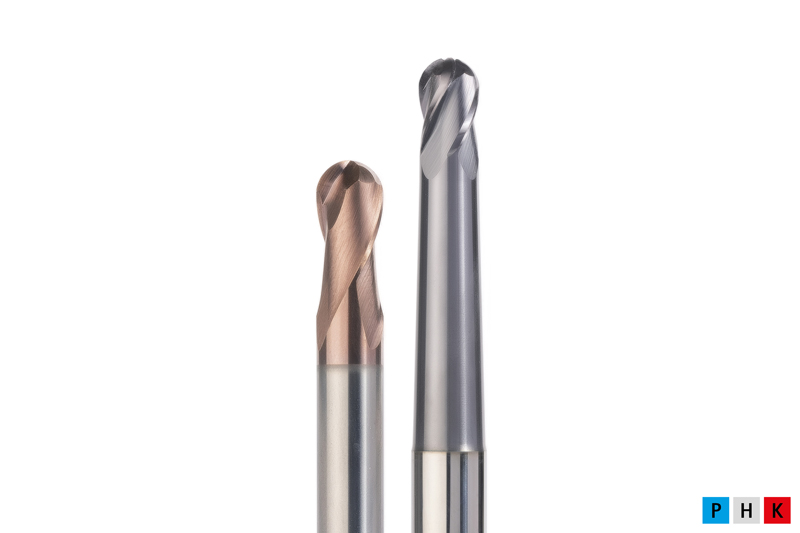
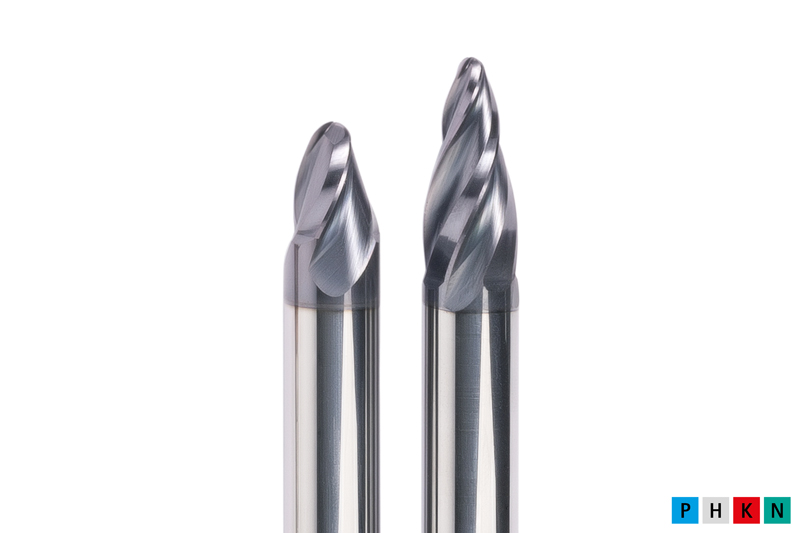
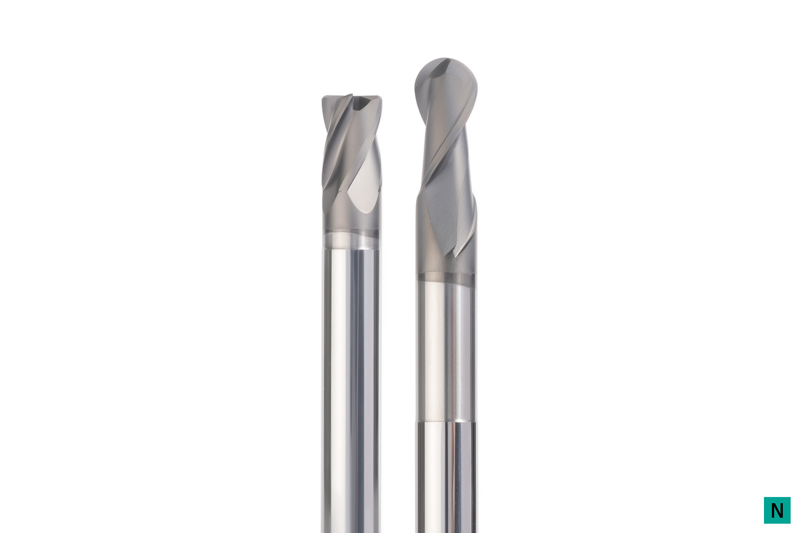
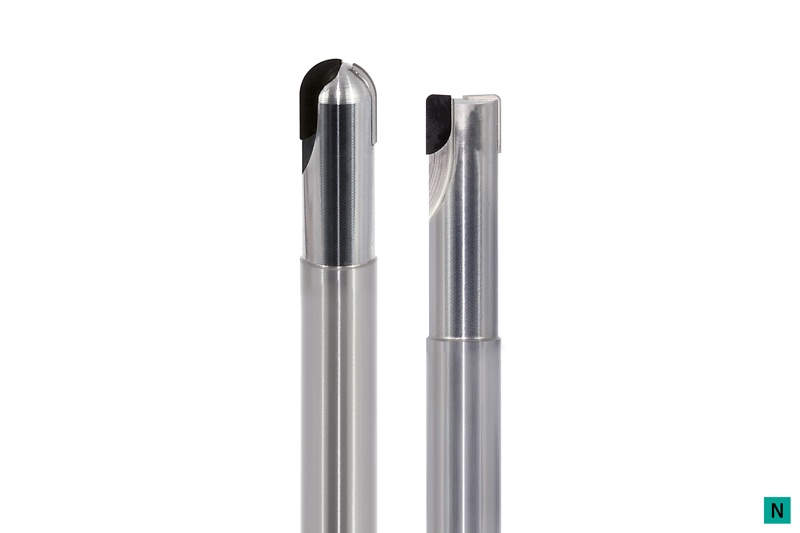
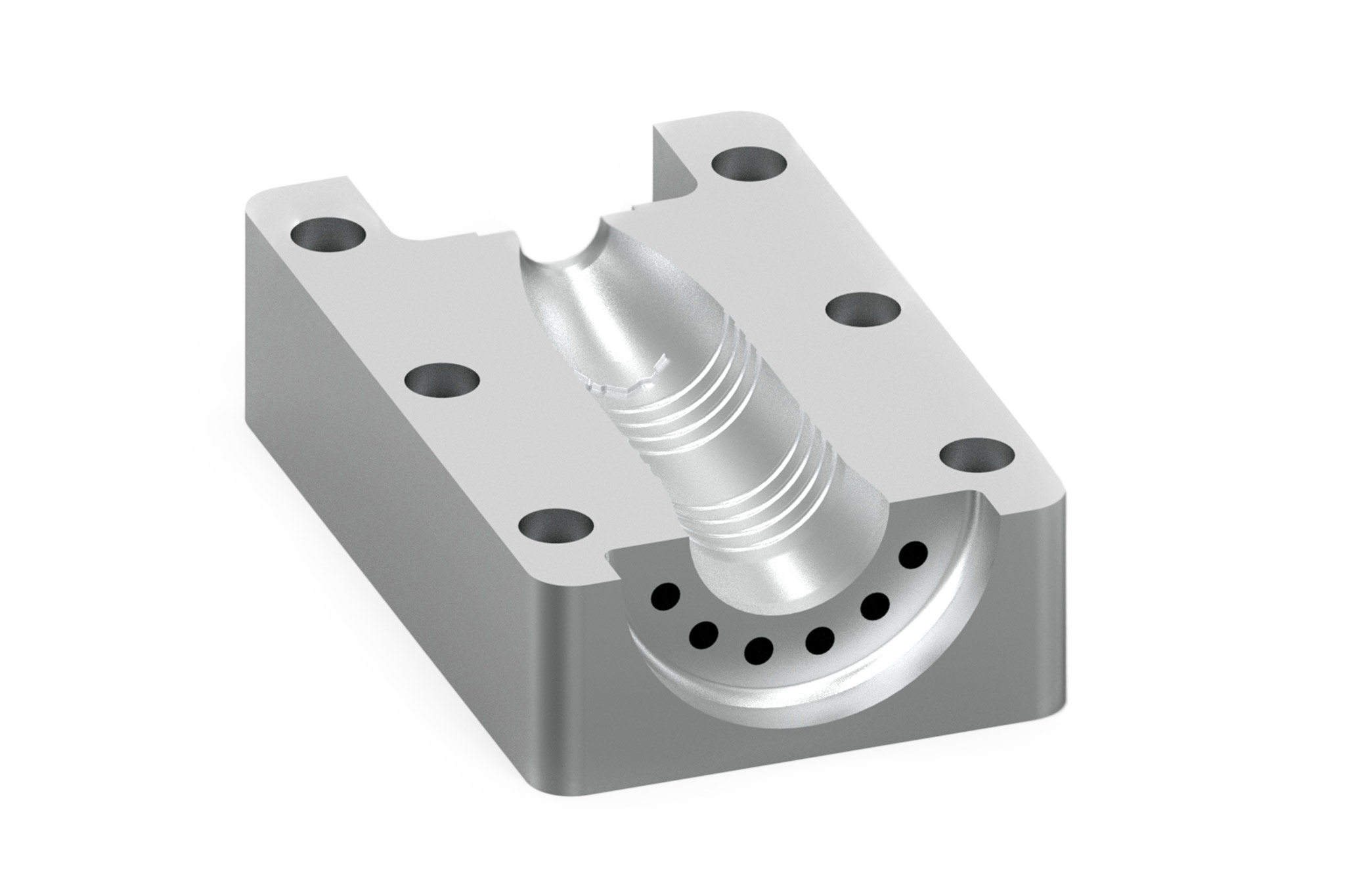
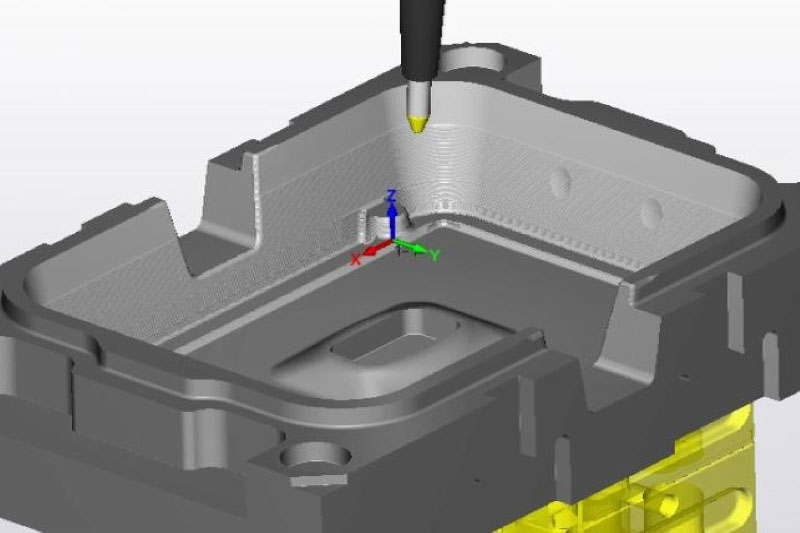
Im Werkzeug- und Formenbau ist die Herstellung komplexer werdender Formen Alltag. Kontinuierliche Weiterentwicklungen bei Werkzeugmaschinen und CAM-Software heben die Leistungsfähigkeit und Produktivität auf ein immer höheres Niveau. Somit müssen auch die eingesetzten Werkzeuge stets dem neuesten Stand der Technik entsprechen. Um hier ein Optimum zu erreichen, steht eine Prozessanalyse am Beginn der Auslegung.
Zum Produktprogramm zur Bearbeitung von 3D-Flächen -
3 / 8
Offene Taschen
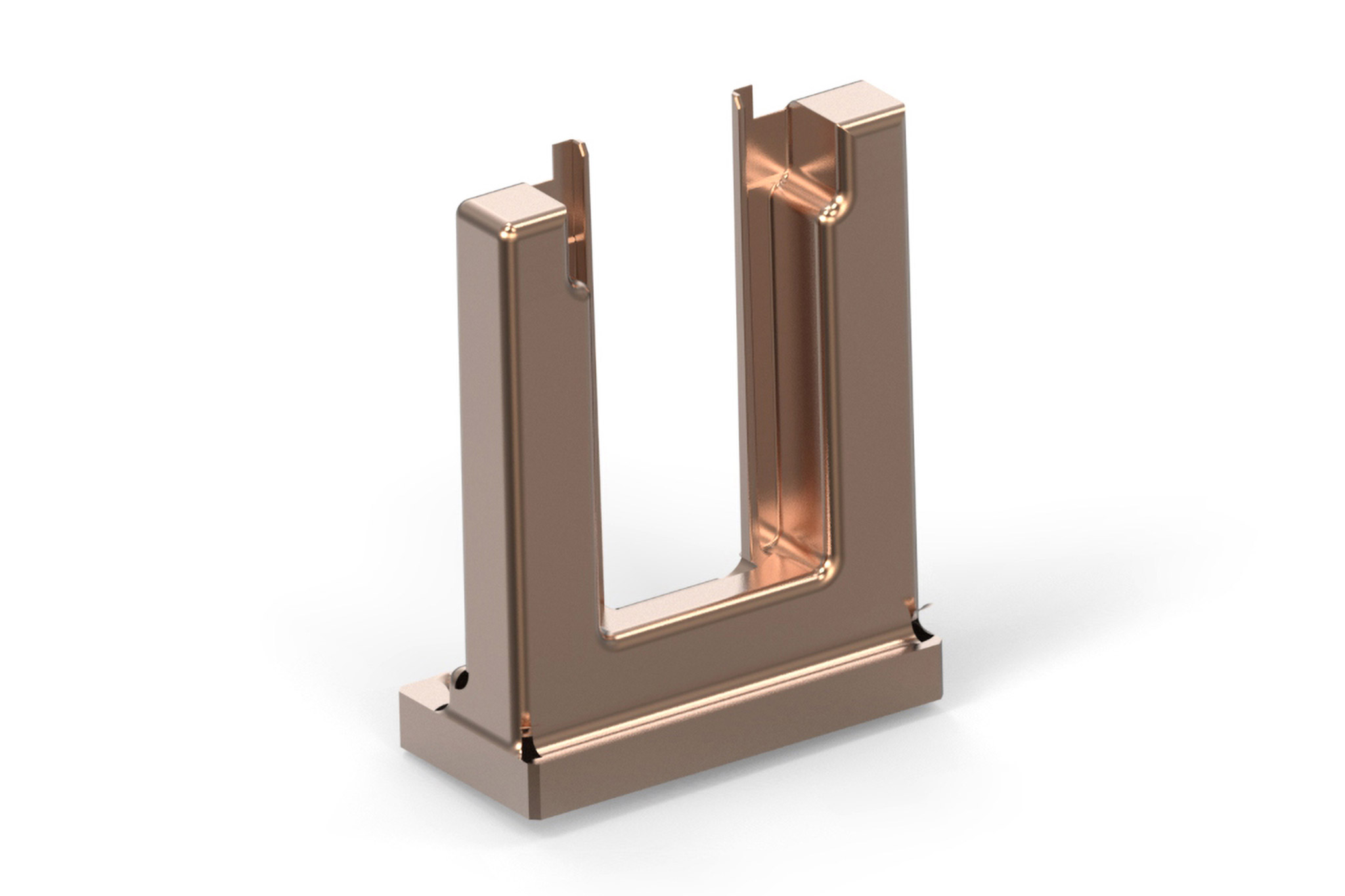
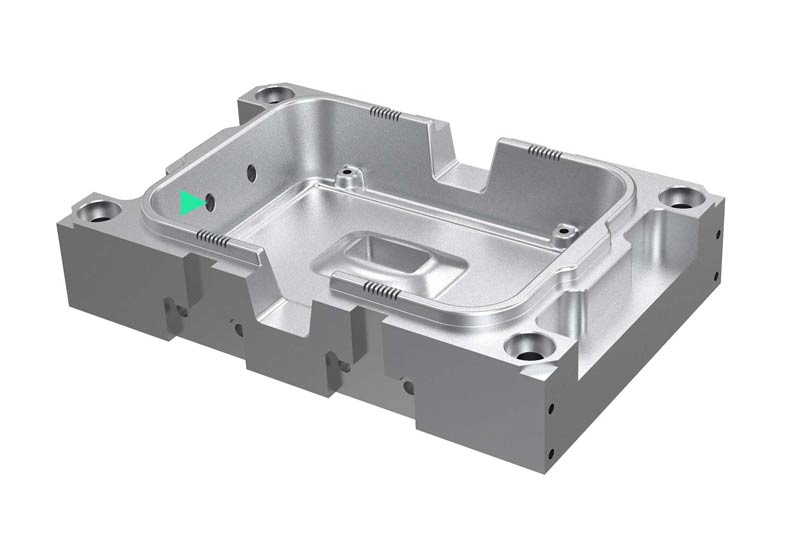
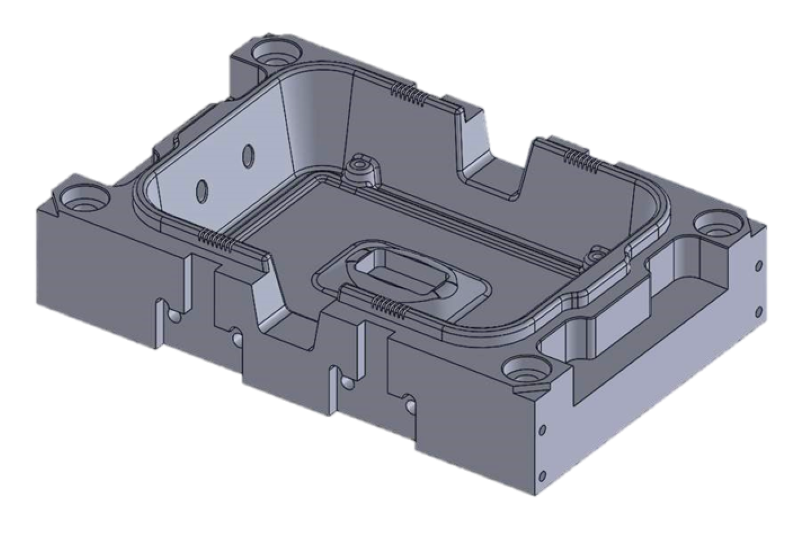
Formeinsätze weisen auch Bearbeitungsaufgaben auf, die für das Gießen oder diverse Anbauteile erforderlich sind. Offene Taschen (Umfangsbearbeitungen) bearbeiten Anwender zunehmend mittels Trochoidalfräsen. Diese Bearbeitungsmethode hilft, die Bearbeitungszeiten zu optimieren und die Werkzeugstandzeiten zu verlängern.
Zum Produktprogramm zur Bearbeitung von offenen Taschen -
4 / 8
Geschlossene Taschen
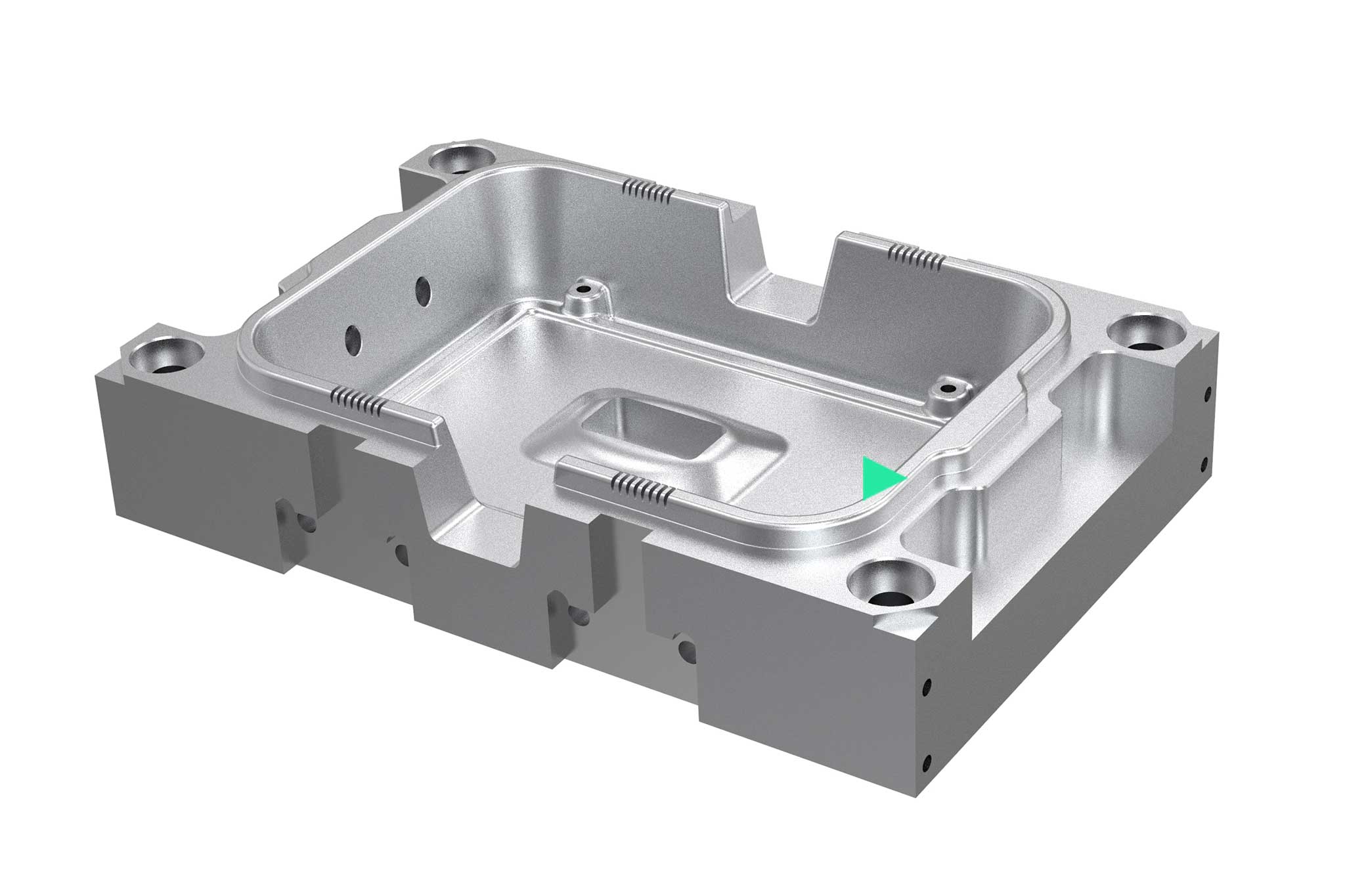
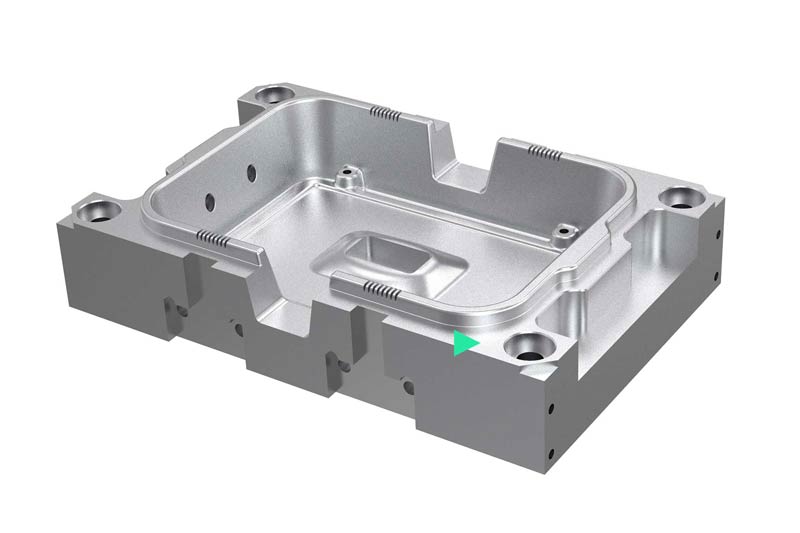
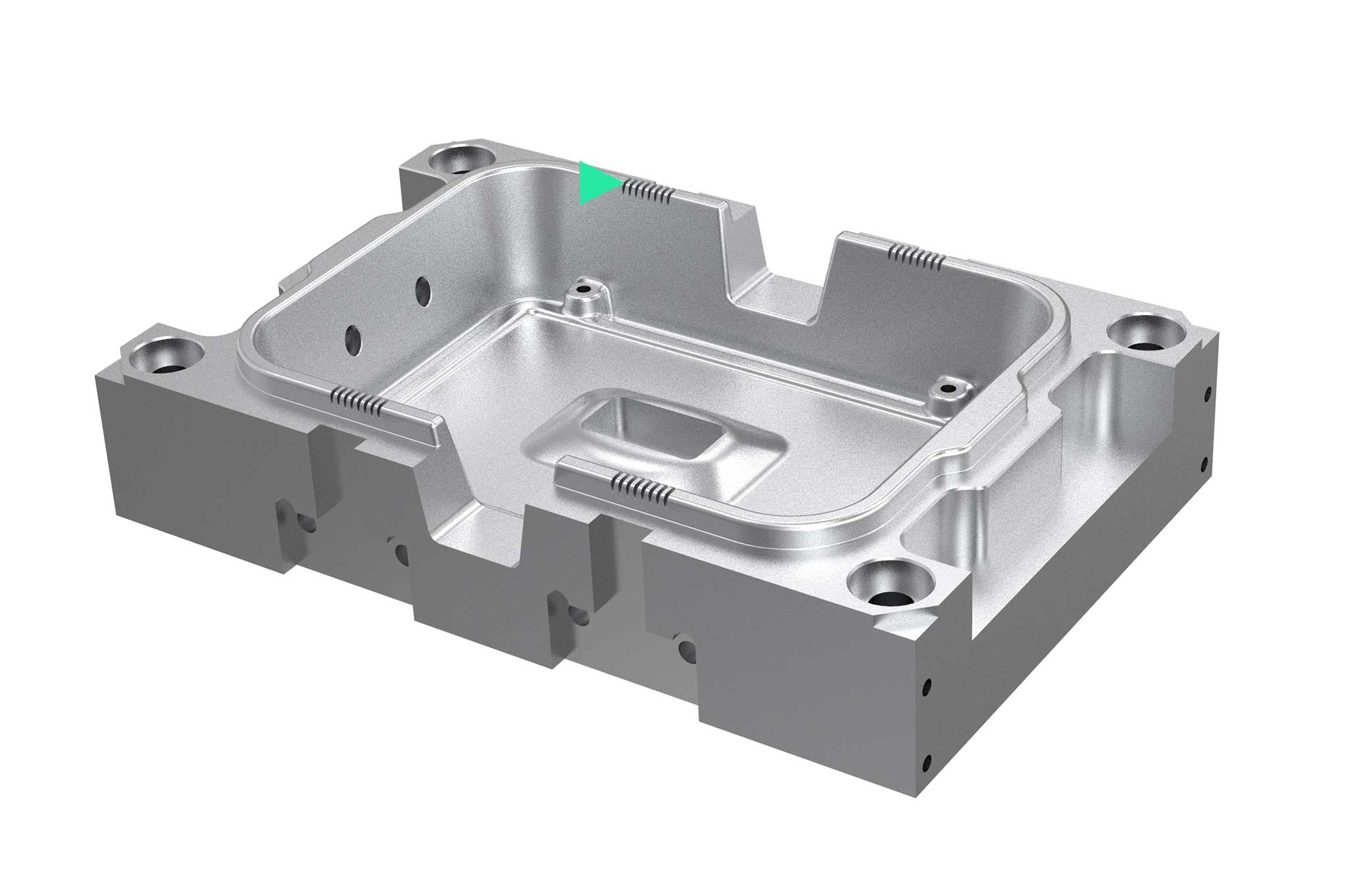
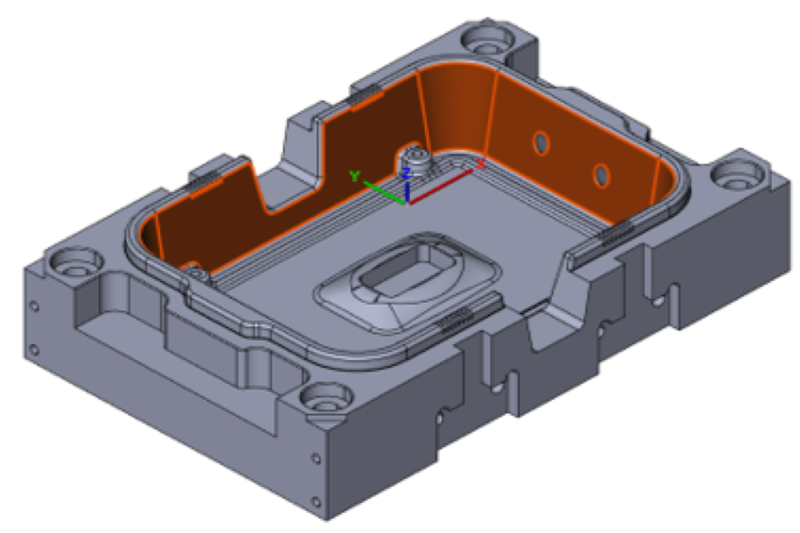
Die Herstellung geschlossener Taschen erfolgt meist durch Schruppen in Z-Ebenen. Häufig wird hierbei beim Fräsen der Bearbeitungseintritt über eine Rampe gewählt. Die Wahl des Werkzeuges hängt von der Tiefe der Wände und der zu erzeugenden Ausformschräge am Bauteil ab. Das breite Portfolio von MAPAL mit modularen Systemen deckt auch die Bearbeitung tiefer Taschen mit großen Durchmessern ab.
Zum Produktprogramm zur Bearbeitung von geschlossenen Taschen -
5 / 8
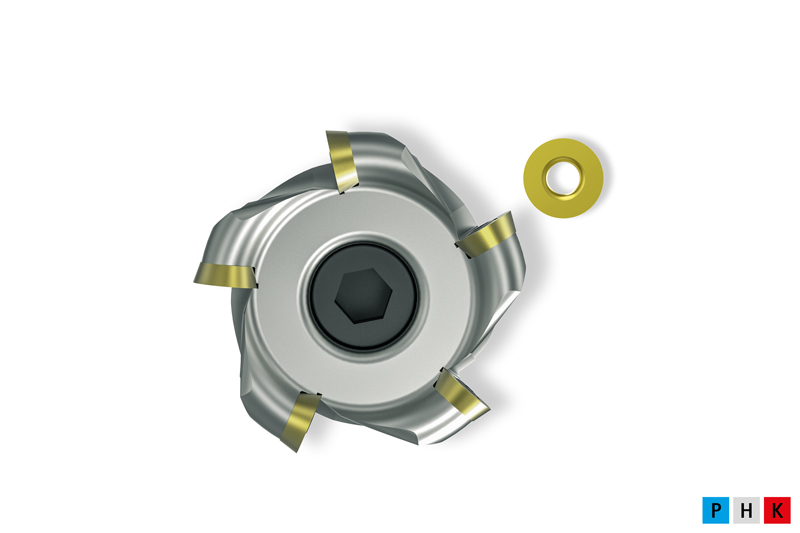
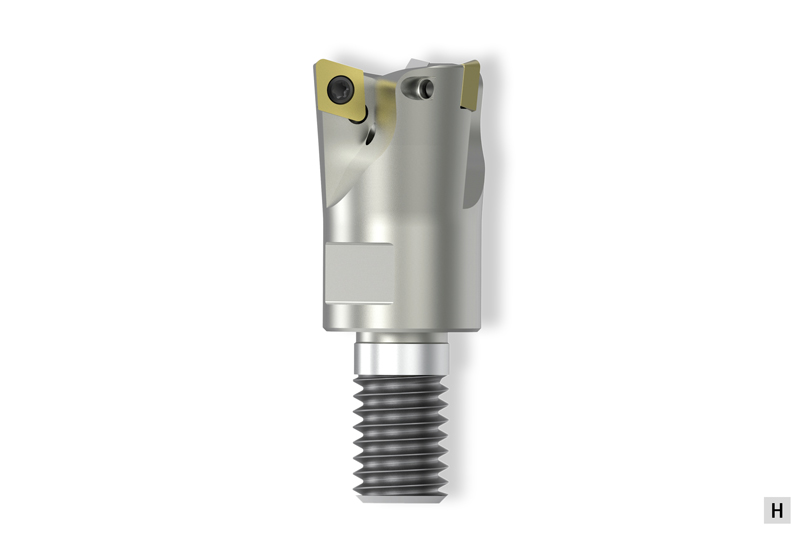
Helix milling
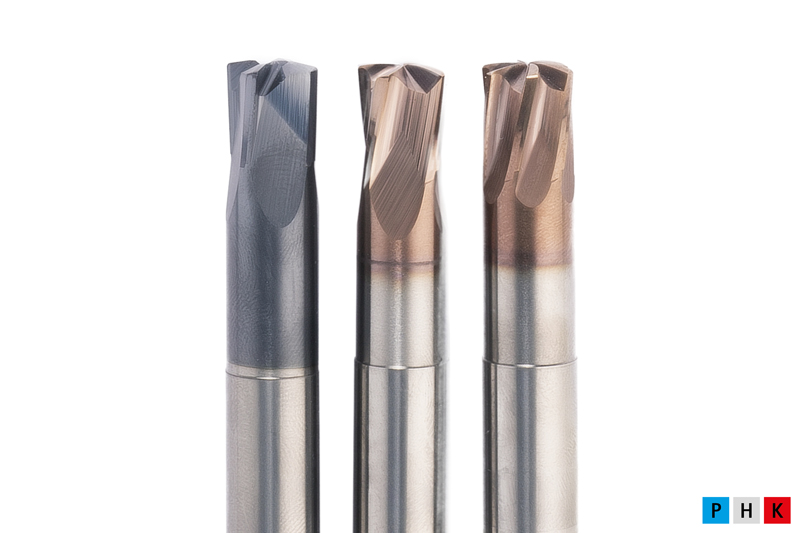
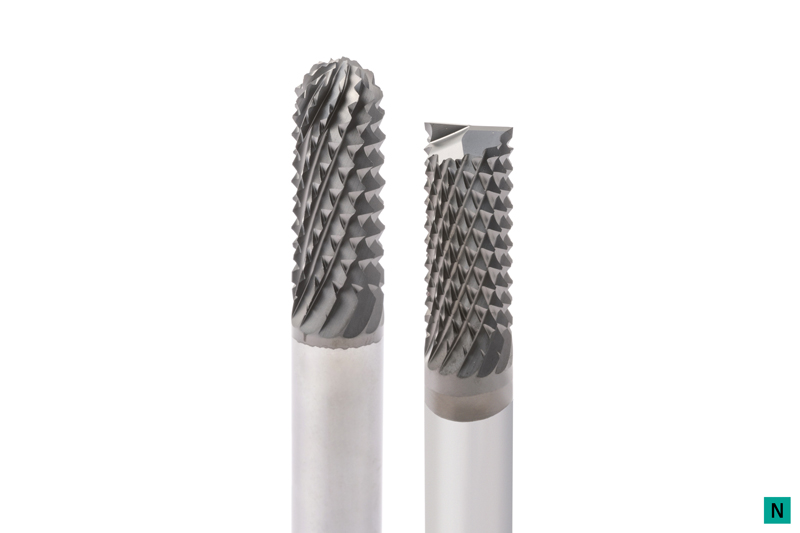
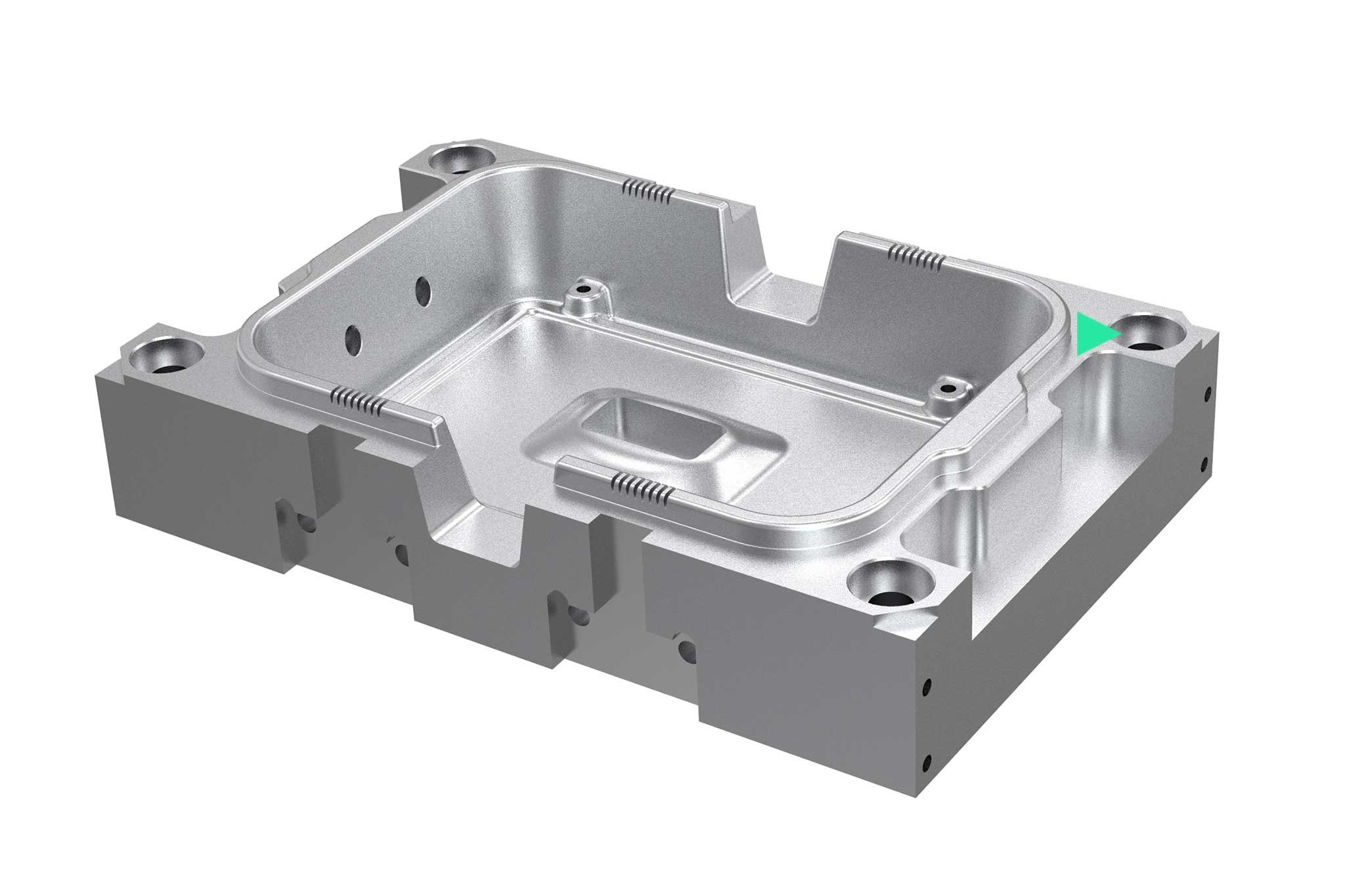
A major focus in milling operations is on reducing the machining time. With specific tool geometries for machining closed, round pockets, it is often possible to eliminate the pre-drilling process. With helix milling, milling paths are programmed with helical entrances that are suitable for pocket dimensions.
Go to the helix milling product range -
6 / 8
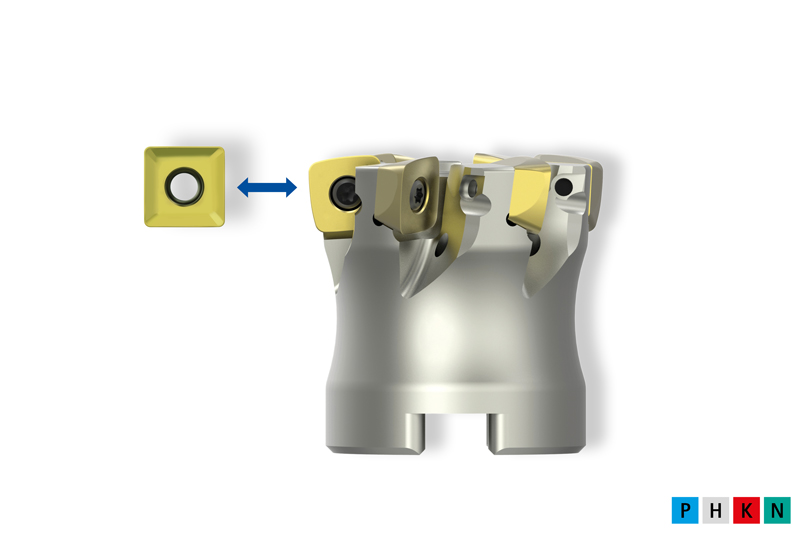
Even surfaces
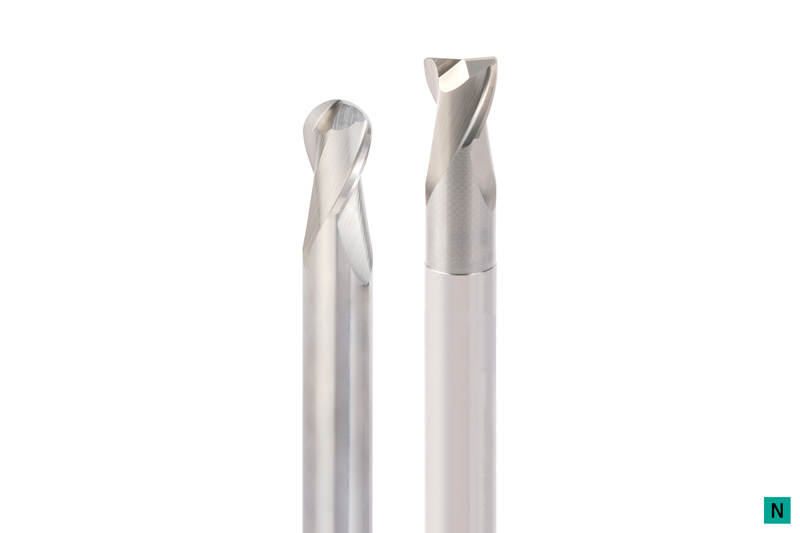
Operations to create even surfaces occur very frequently and in different areas in the die & mould sector: It could be component-related, strategy-related due to the respective milling process or due to requirements for mould closing surfaces as well as sections and cutting dies. The right tool is then selected depending on the application and requirements.
Go to the product range for machining even surfaces -
7 / 8
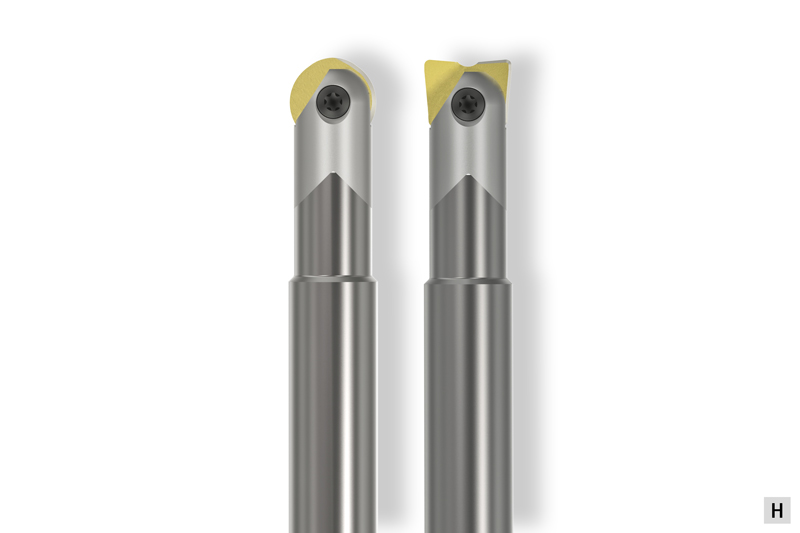
Thin walls and ribs
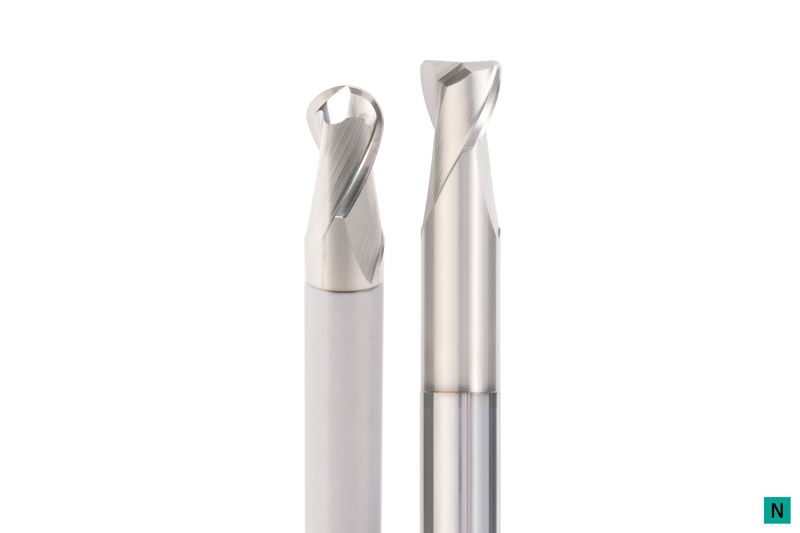
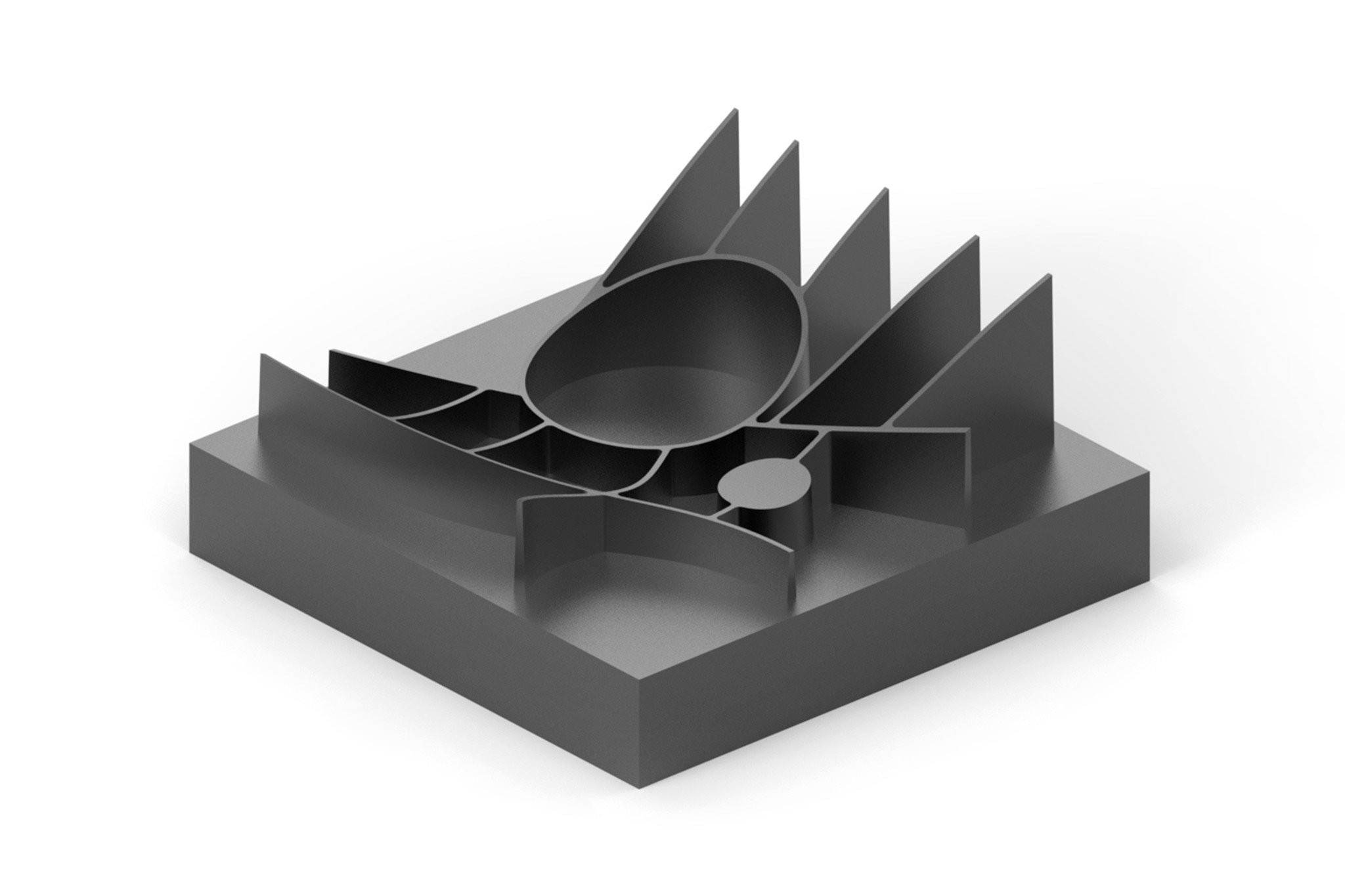
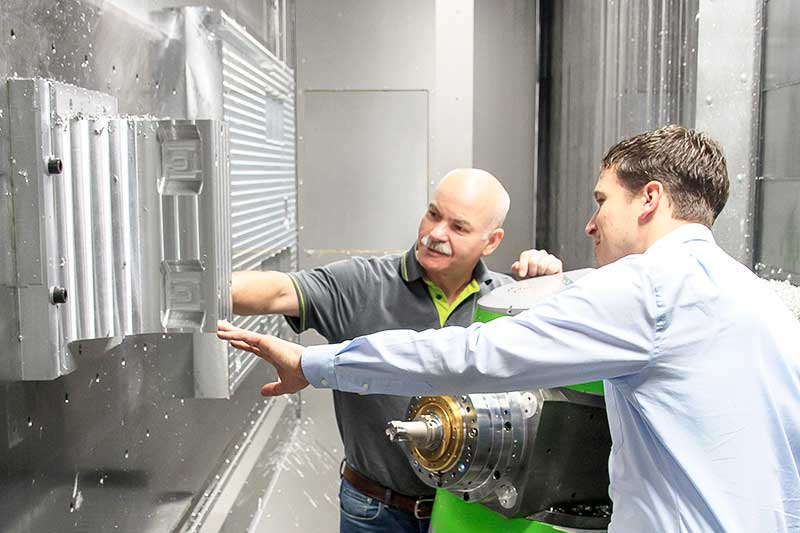
Plastic injection moulds and die casting moulds often have ribs and thin walls. Ribs, for example, are increasingly being milled, as this process is more cost-effective than EDM (spark eroding). As a rule, long or extra-long carbide tools with small diameters are used. Customer-specific solutions (RibCutter) to match the respective rib shape are also possible here.
Go to the product range for machining thin walls and ribs -
8 / 8
Small and large bores
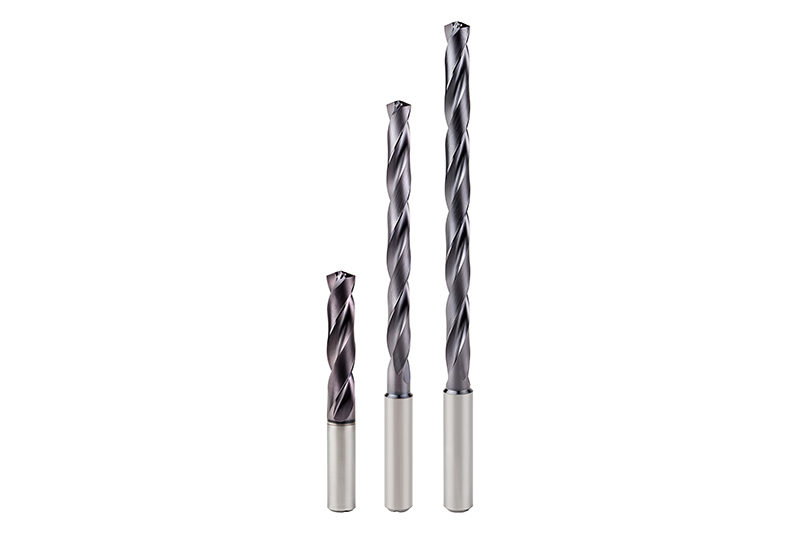
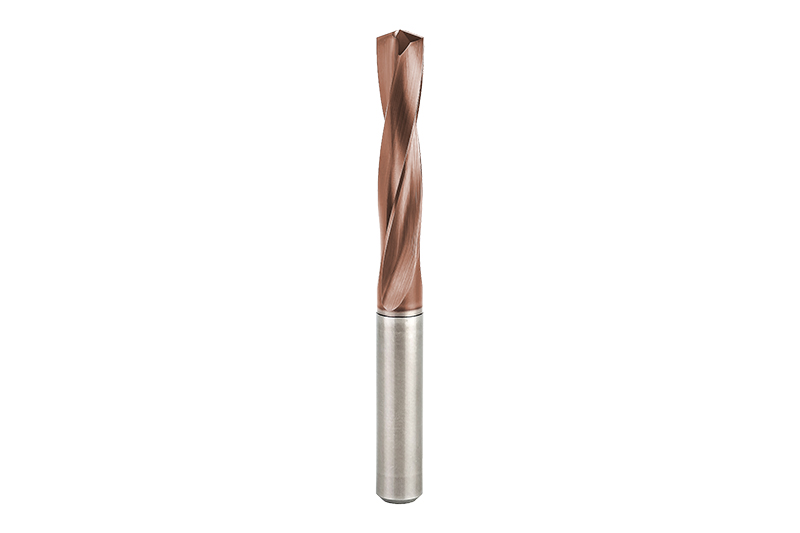
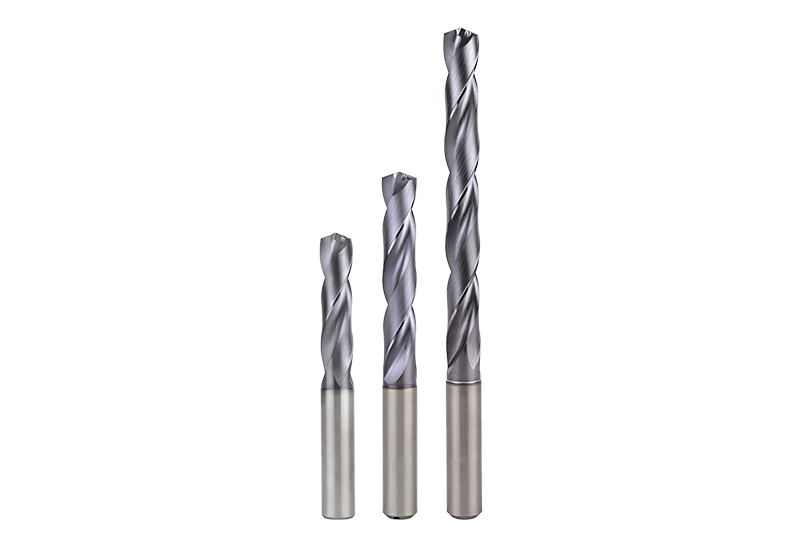
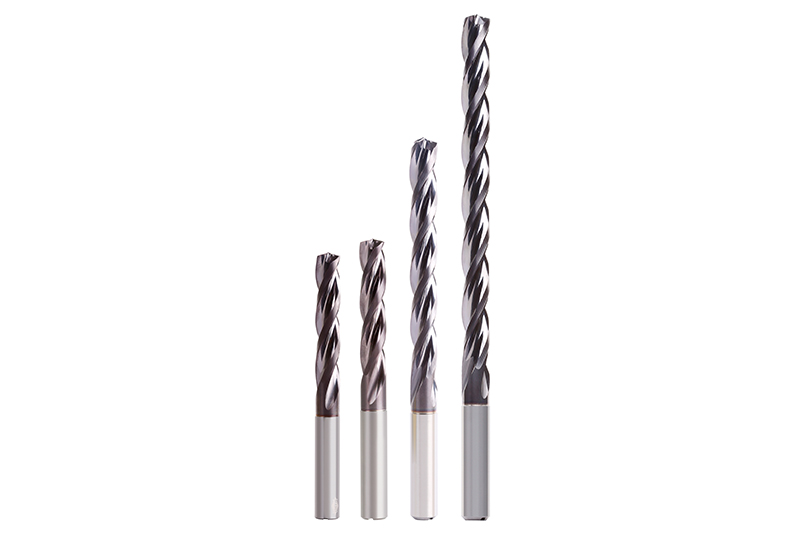
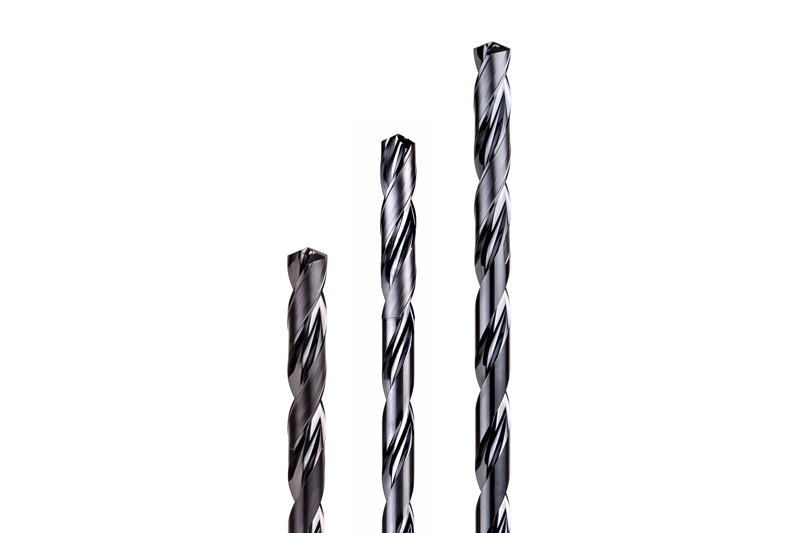
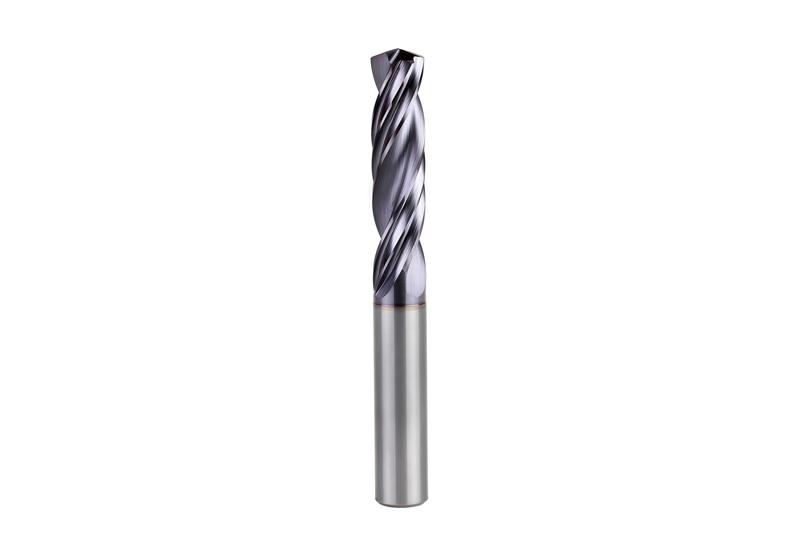
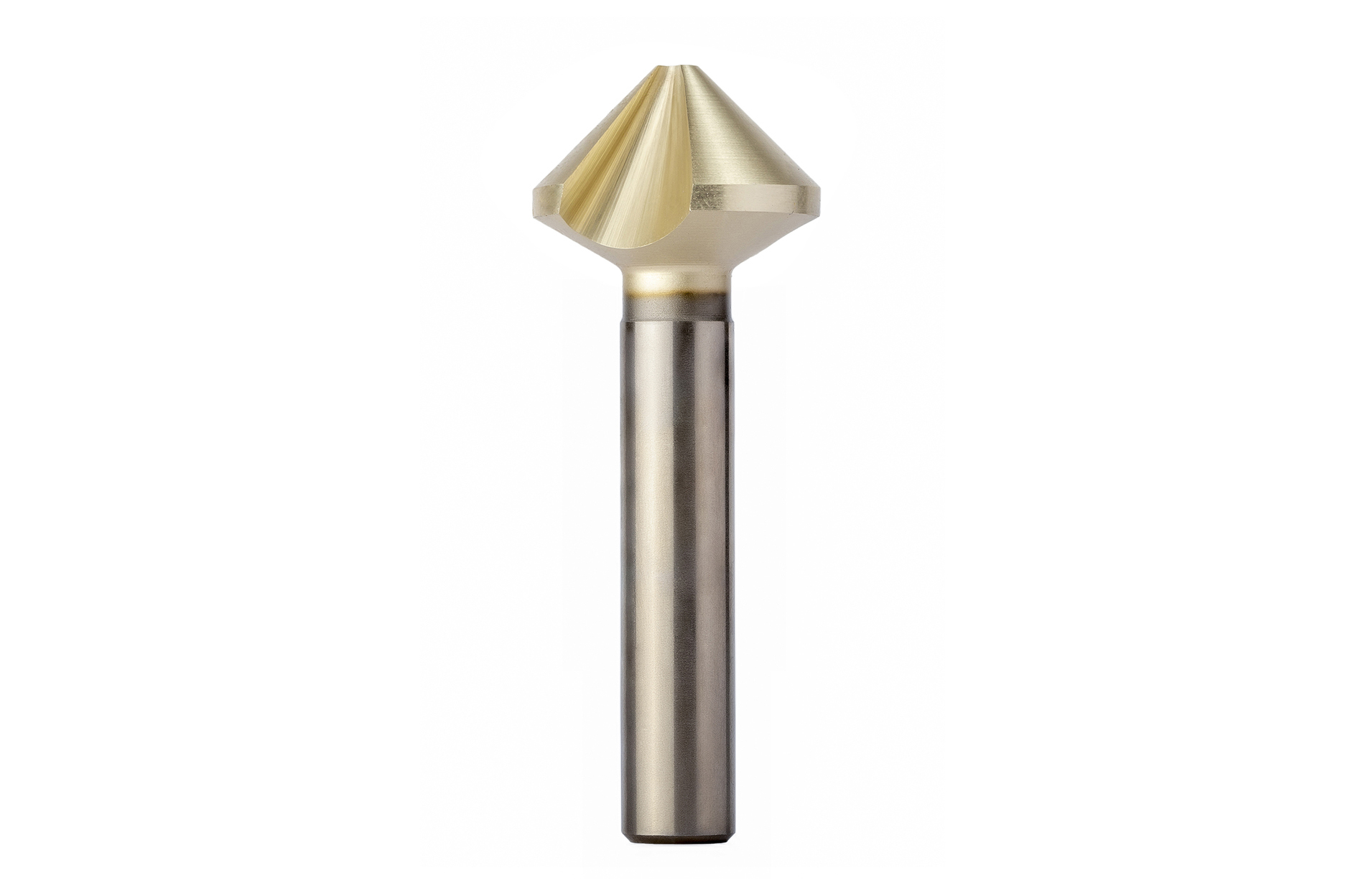
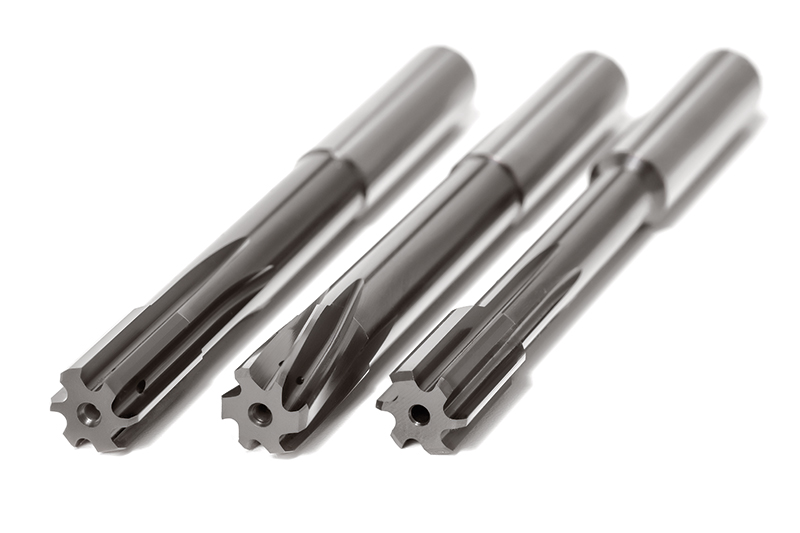
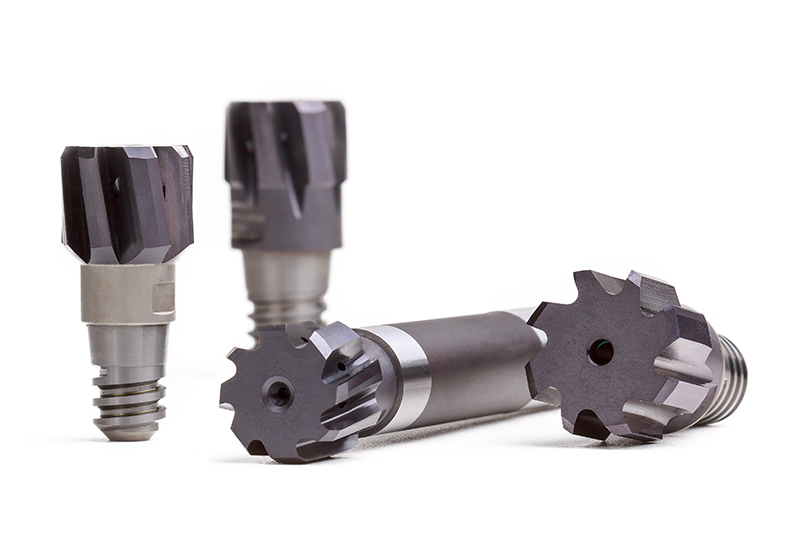
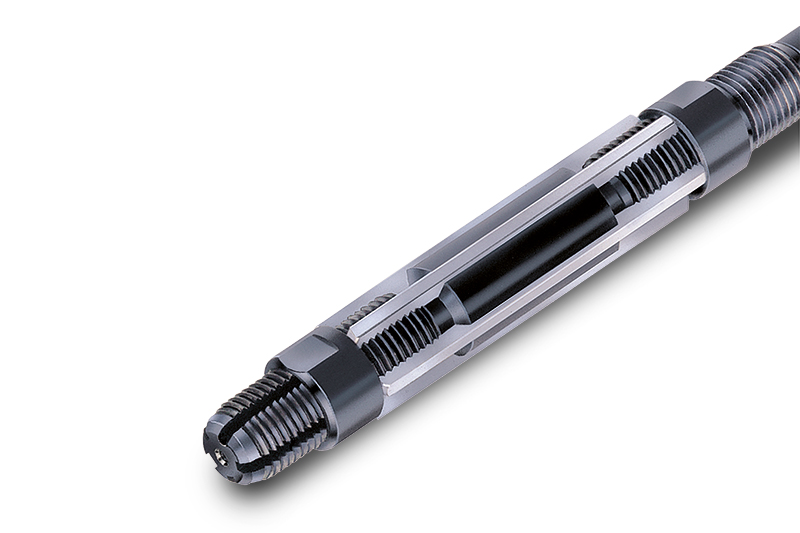
There is a wide range of full bore operations in the die & mould sector: From large bores for guide pillars and deep bores for the cooling system to high-precision bores for ejector pins. MAPAL offers a comprehensive portfolio of drilling and reaming tools for the individual production steps.
Go to the product range for machining small and large bores

All from a single source

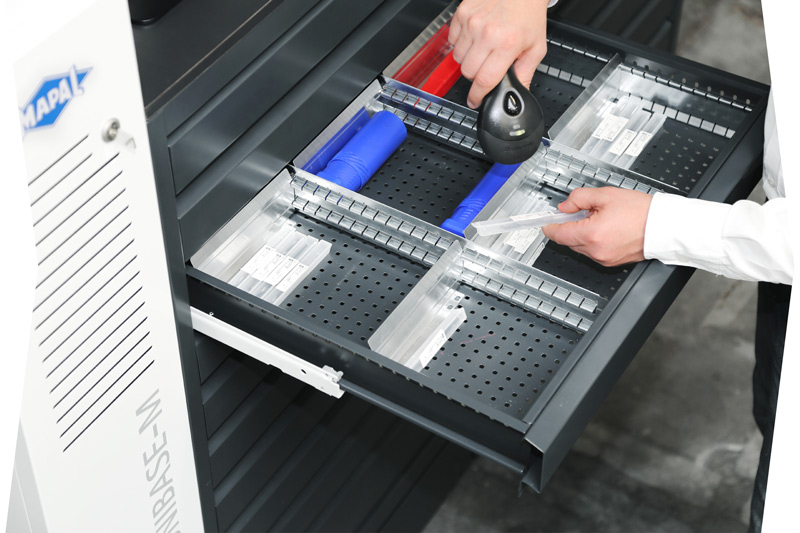
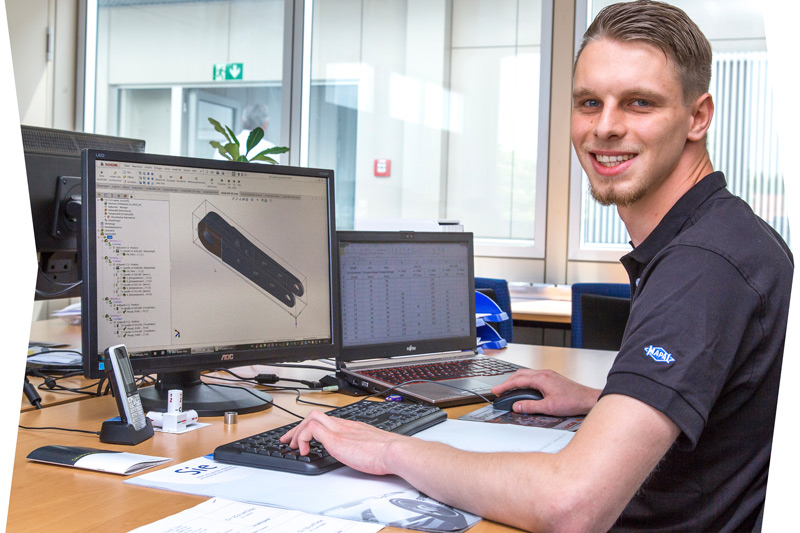
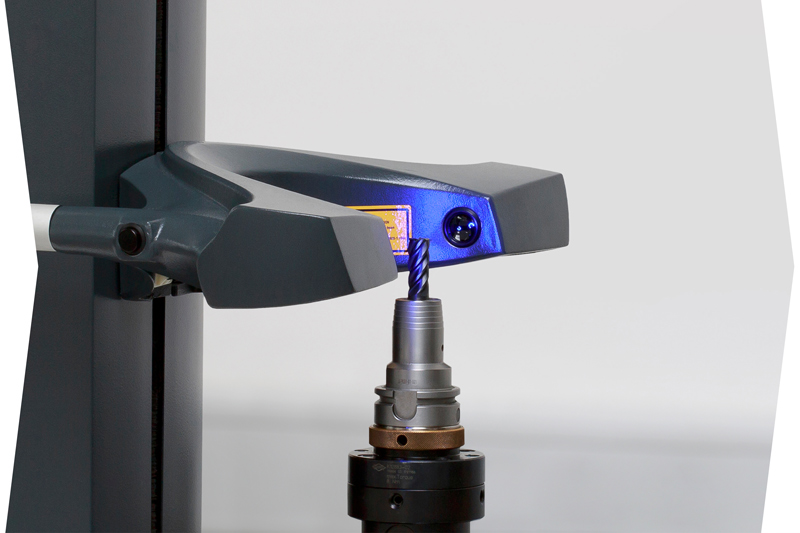
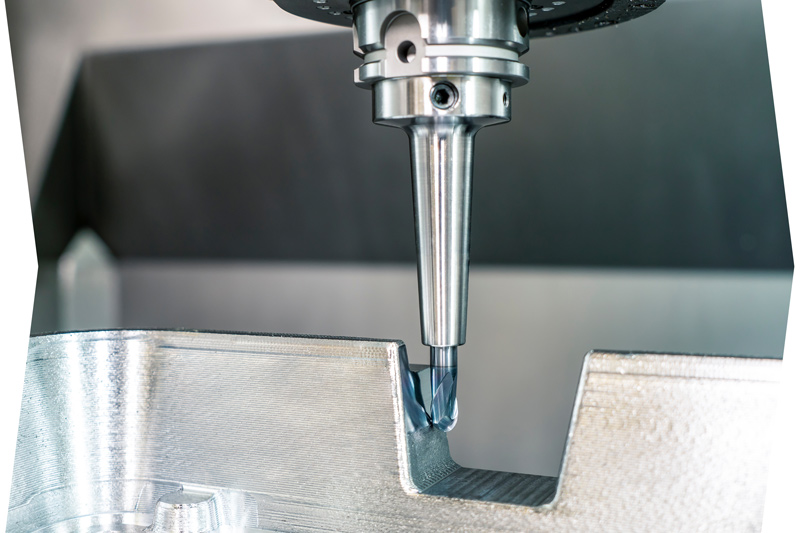
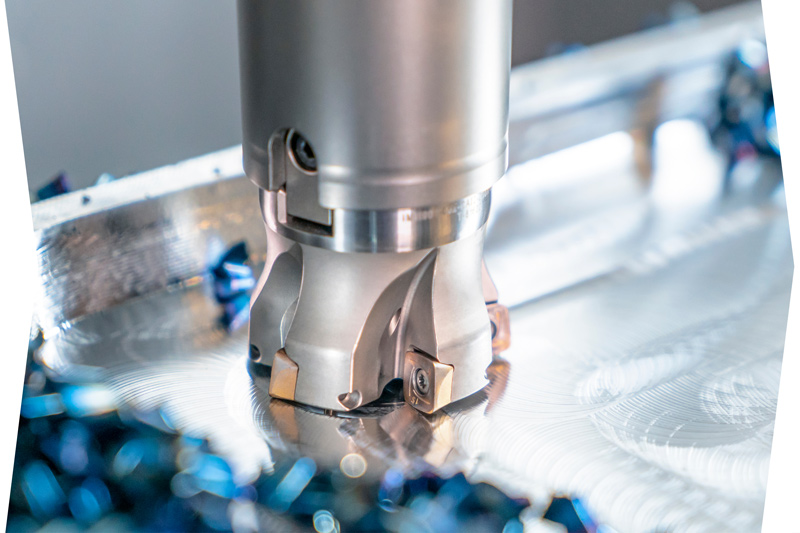
Engineering Workflow - From theory to practice

Inne artykuły z zakresu budowy form
-
13.04.2026
IMPULSE 86 has been published
In the current issue of the technology magazine IMPULSE, the main topics are the merger of the German sites and the aerospace sector.
-
02.12.2025
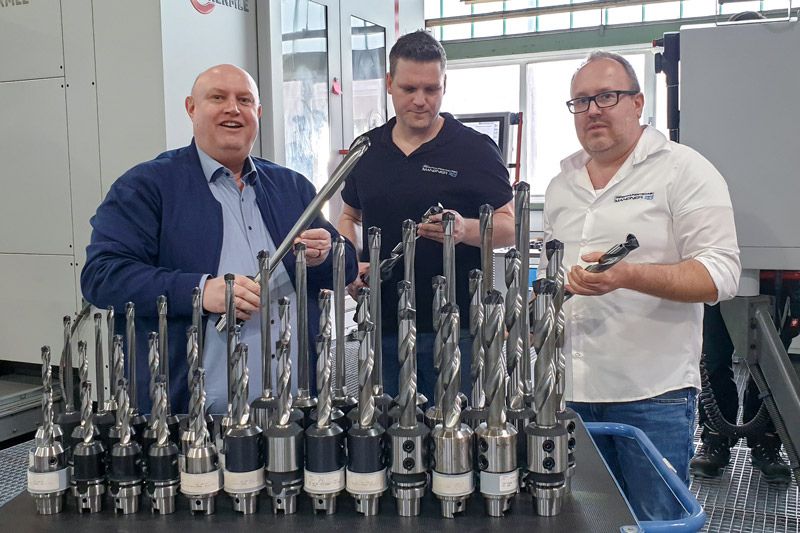
Large tool package for Mangner Zerspanungstechnik
MAPAL has equipped Mangner GmbH with a comprehensive tool package for drilling operations.
-
04.03.2025
CORMOL relies on milling cutters such as the OptiMill-3D-HF from MAPAL for tool making
CORMOL from Portugal manufactures stamping tools, for which it has been working closely with MAPAL since 2022. With the OptiMill-3D-HF, CORMOL has found a reliable and economical tool solution.


Nasi partnerzy handlowi
Obszar odpowiedzialności według kodów pocztowych
-
1 / 16
Kod pocztowy 35
FRITZ WEG GmbH & Co. KG
Ahornweg 41
35713 Eschenburg-WissenbachTel.: +49 2774 701-0
Faks: +49 2774 701-39
E-mail: info@fritzweg.de
Strona internetowa: www.fritzweg.de -
2 / 16
Kod pocztowy 44
Jansen Schneidwerkzeuge Vertriebs GmbH
Im Käsebrink 12
58840 PlettenbergTel.: +49 2391 9177-0
Faks: +49 2391 9177-20
E-mail: info@j-s-v.com
Strona internetowa: www.j-s-v.com -
3 / 16
Kod pocztowy 51
Jansen Schneidwerkzeuge Vertriebs GmbH
Im Käsebrink 12
58840 PlettenbergTel.: +49 2391 9177-0
Faks: +49 2391 9177-20
E-mail: info@j-s-v.com
Strona internetowa: www.j-s-v.com -
4 / 16
Kod pocztowy 56, 57
FRITZ WEG GmbH & Co. KG
Ahornweg 41
35713 Eschenburg-WissenbachTel.: +49 2774 701-0
Faks: +49 2774 701-39
E-mail: info@fritzweg.de
Strona internetowa: www.fritzweg.de -
5 / 16
Kod pocztowy 58, 59
Jansen Schneidwerkzeuge Vertriebs GmbH
Im Käsebrink 12
58840 PlettenbergTel.: +49 2391 9177-0
Faks: +49 2391 9177-20
E-mail: info@j-s-v.com
Strona internetowa: www.j-s-v.com -
6 / 16
Kod pocztowy 60, 61
Heinrich Meier GmbH
Herrenwaag 31
75417 MühlackerTel.: +49 7041 9530-0
Faks: +49 7041 9530-30
E-mail: info@heinrich-meier.de
Strona internetowa: www.heinrich-meier.de -
7 / 16
Kod pocztowy 63 - 69
Heinrich Meier GmbH
Herrenwaag 31
75417 MühlackerTel.: +49 7041 9530-0
Faks: +49 7041 9530-30
E-mail: info@heinrich-meier.de
Strona internetowa: www.heinrich-meier.de -
8 / 16
Kod pocztowy 70 - 73
Dieter Schätzle GmbH & Co. KG
Precyzyjne narzędzia
Unter Haßlen 12
78532 TuttlingenTel.: +49 7462 9465-0
Faks: +49 7462 9465-50
E-mail: info@schaetzle-werkzeuge.de
Strona internetowa:www.schaetzle-werkzeuge.de -
9 / 16
Kod pocztowy 74, 75
Heinrich Meier GmbH
Herrenwaag 31
75417 MühlackerTel.: +49 7041 9530-0
Faks: +49 7041 9530-30
E-mail: info@heinrich-meier.de
Strona internetowa: www.heinrich-meier.de -
10 / 16
Kod pocztowy 76 - 79
Dieter Schätzle GmbH & Co. KG
Precyzyjne narzędzia
Unter Haßlen 12
78532 TuttlingenTel.: +49 7462 9465-0
Faks: +49 7462 9465-50
E-mail: info@schaetzle-werkzeuge.de
Strona internetowa: www.schaetzle-werkzeuge.de -
11 / 16
Kod pocztowy 80 - 87
AB1-Tools e.K.
Goethering 45
91732 MerkendorfTel.: +49 9826 333-2241
Faks: +49 9826 333-3691
E-mail: info@ab1-tools.com
Strona internetowa: www.ab1-tools.com -
12 / 16
Kod pocztowy 88, 89
Dieter Schätzle GmbH & Co. KG
Precyzyjne narzędzia
Unter Haßlen 12
78532 TuttlingenTel.: +49 7462 9465-0
Faks: +49 7462 9465-50
E-mail: info@schaetzle-werkzeuge.de
Strona internetowa:www.schaetzle-werkzeuge.de -
13 / 16
Kod pocztowy 90 - 97
AB1-Tools e.K.
Goethering 45
91732 MerkendorfTel.: +49 9826 333-2241
Faks: +49 9826 333-3691
E-mail: info@ab1-tools.com
Strona internetowa: www.ab1-tools.com -
14 / 16
Dania
EDECO TOOL APS
Naverland 2
2600 Glostrup
DaniaTel.: +45 7060 2029
E-mail: info@edeco.dk
Strona internetowa: www.edeco.dk -
15 / 16
Włochy
TEKNOS S.r.l.
Via A. Pigafetta, 2
35011 Campodarsego (PD)
WłochyTel.: +39 049 8877061
E-mail: info@teknositalia.it
Strona internetowa: www.teknositalia.it -
16 / 16
Portugalia
Álamo-Ferramentas Unipessoal Lda
Rua da ETAR, Lote 9
Zona Industrial de Oiã
3770-059 Oiã
Tel.: +351 234 728-193
E-mail: geral@alamo-ferramentas.com
Strona internetowa: www.alamo-ferramentas.com