内燃エンジン
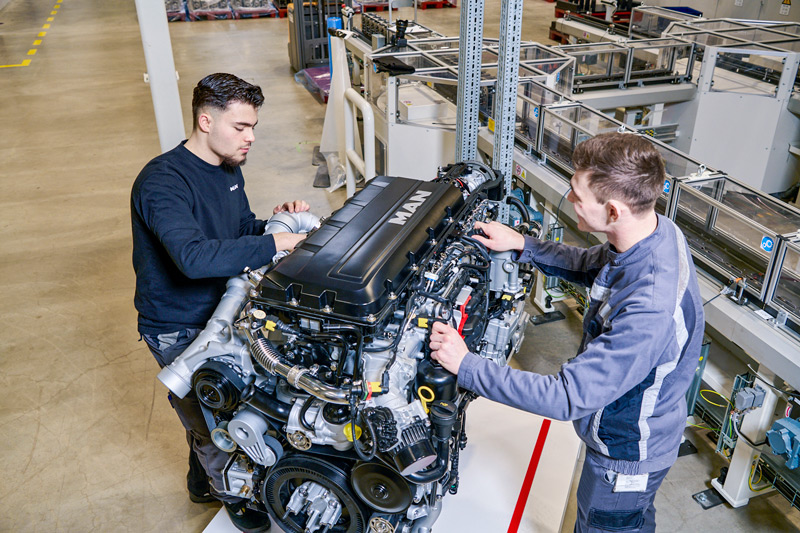
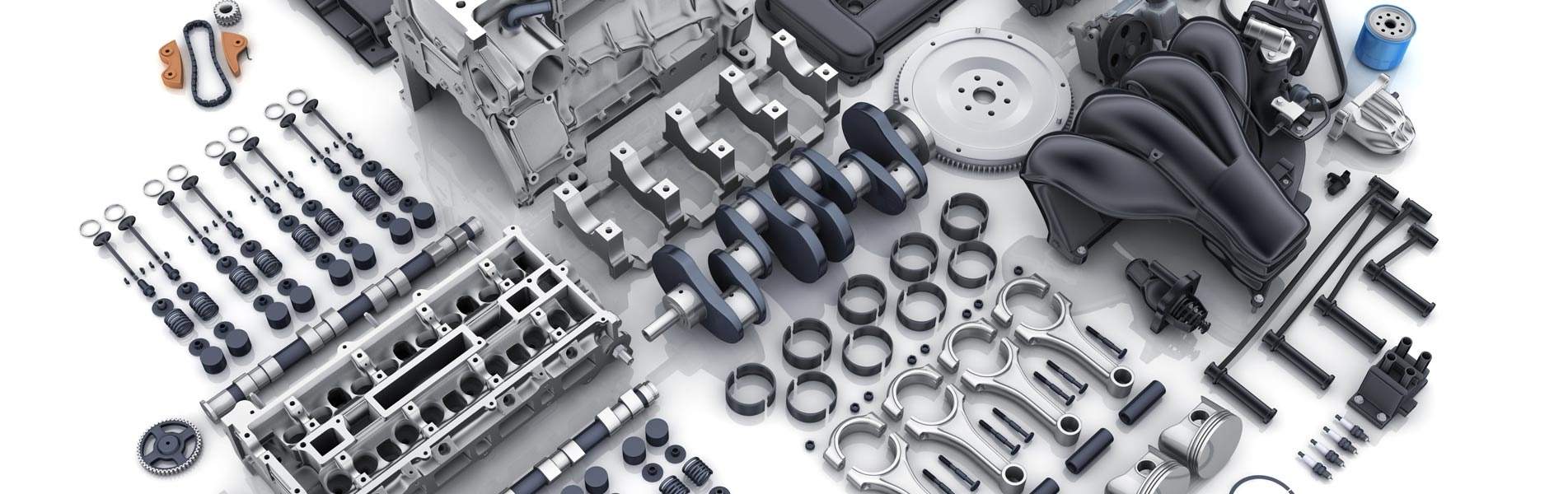
内燃エンジンは1世紀以上にわたってモビリティを特徴付けてきました。厳しい排ガス規制や代替駆動システムの出現にも関わらず、内燃エンジンは多様性と適応性を象徴しています。ダウンサイジングやターボチャージングといった効率向上技術で内燃エンジンの競争力を維持し、合成燃料により持続可能な将来性を与えています。特定の地域ではeモビリティが優勢ですが、燃焼技術は今後も何百万台もの新車に電力を供給し続け、世界の自動車産業にとって不可欠な存在であり続けるでしょう。
乗用車分野では、シリンダヘッドは通常アルミニウム合金から鋳造され、エンジン燃料によって構造や加工すべき特徴が若干異なります。シリンダヘッドはシリンダーブロックに取り付けられ、燃料と新鮮な空気を供給します。非常に高い品質と公差が要求されるため、シリンダヘッドはエンジン生産で最も高い要求をされる加工部品です。バルブトレインの正確なバルブ制御とカムシャフトベアリングの摩擦損失の最小化により、燃焼プロセスが始まる前から燃料消費量と排出ガスが削減されます。
機械加工のハイライト
シリンダーブロックはエンジンブロックとも呼ばれ、あらゆる内燃エンジンの中心的な要素です。車種やエンジンサイズによって、直列2気筒エンジンからV型12気筒エンジンまで、様々な設計やサイズがあります。重量の優位性から、最近の自動車分野ではアルミ合金が主に使用されています。このため、自動車メーカーは、特にシリンダーボアに鋳造ライナーや耐摩耗性コーティングを使用し、長寿命を保証することを余儀なくされています。その結果、工具メーカーは、機械加工に混合加工や極めて研磨性の高いコーティングを使用することが多くなっています。最新エンジンの燃焼圧力の増大は、機械的および熱的負荷の要件も増大させ、とりわけ加工形状に対する品質要求の増大につながります。
機械加工のハイライト
コンロッドには、70MnVS4やC70などの高強度鋼材が使用され、交互に大きな負荷がかかります。ピストンの直線運動は、クランクシャフトの回転運動に変換されます。エンジン運転中の可動質量を減らすため、コンポーネントの重量は最小限に抑えられています。このため、長年にわたり、例えば平行、台形、段付きなど、さまざまな形状の部品が生み出され、特に小径のピストンピン穴工を加工する際には、多種多様なボーリングが必要となります。生産量が膨大であるため、メーカーは特に連続生産における費用対効果に重点を置いています。
機械加工のハイライト
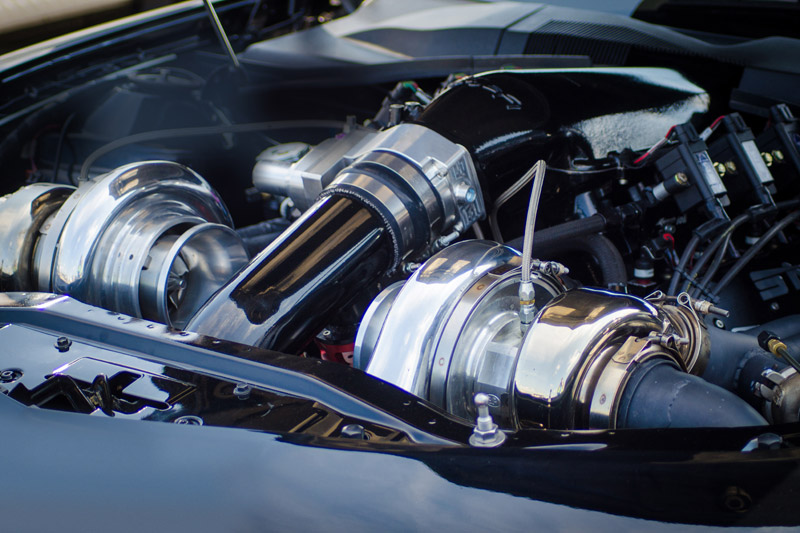
To increase the efficiency and performance of modern combustion engines, exhaust gas turbochargers are increasingly being used today. The compressed air supply via the turbocharger increases the efficiency of engines and at the same time reduces emissions. At speeds of up to 300,0001 rpm, it is imperative that quality requirements are met, especially with regard to coaxiality and roundness. Extremely abrasive high-alloy materials, especially on the exhaust gas side (turbine side), demand maximum wear resistance from the cutting tools. If the tool life quantities for the various machining operations are increased by even just a few components, this has an enormous cost benefit for the manufacturer.
Highlight machining:
The high-precision control of the valves for intake and exhaust is a decisive factor for the performance and efficiency of combustion engines. 4 valves per cylinder are usually controlled in the automotive sector, with 2 valves controlling the intake for fresh air or air/fuel mixture and 2 valves controlling the exhaust gas outlet. Depending on the engine design, various rocker arms or (roller) finger followers are used for OHV and SOHC valve actuation in order to minimize friction and the associated wear on the moving parts. In addition, the valve clearance can be set and readjusted via the integrated adjusting disks in order to maintain an optimum combustion process and prevent possible engine damage.
Highlight machining:
As in diesel engines known as common rail, fuel is now also injected into the combustion chamber of every second new petrol car via efficient direct injection systems, in which the air-fuel mixture is first formed in the combustion chamber. This enables more powerful petrol engines with reduced fuel consumption and lower exhaust emissions. The increasing pressure requirements of up to 2,500 bar are decisive for the use of moderately to difficult-to-machine materials such as cast steel or stainless steel.
Machining highlights:
The basic design of the crankshaft is largely determined by the number of cylinders and the engine layout. However, the steel shafts, which are generally forged, have to be made lighter and lighter to reduce emissions. This means that additional machining operations are required in the manufacture of the already complex components. Furthermore, due to the increasing combustion pressures of modern engines, the crankshaft is constantly exposed to increased bending and torsional stresses, which results in higher quality requirements.
Highlight machining:
23.03.2023
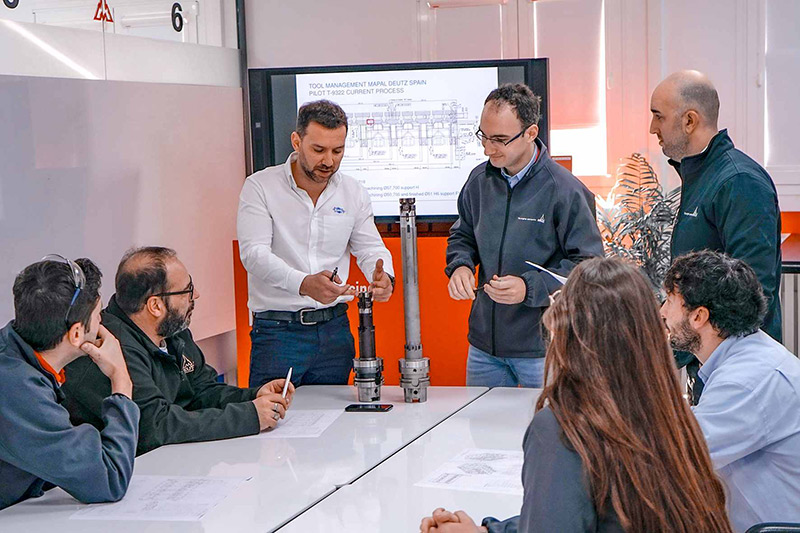
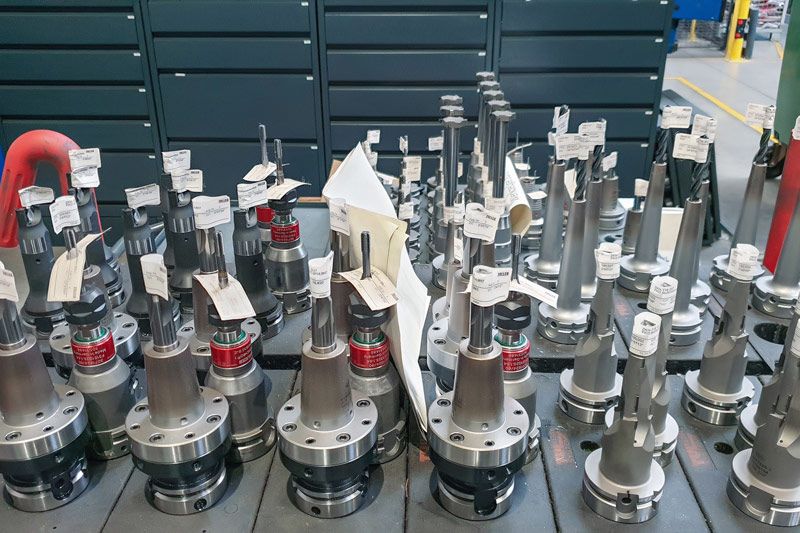
Digital tool management with more than 750 tools from MAPAL ensures smooth large-scale production at Schabmüller Automobiltechnik.
30.06.2022
How the complete machining of turbochargers becomes even more productive with indexable insert milling cutters from the NeoMill range.
09.12.2019
High-precision MAPAL actuating tools and a special setting fixture ensure precise and economical production at Mercedes-Benz in Mannheim.