Iniciación en la fabricación de moldes y troqueles
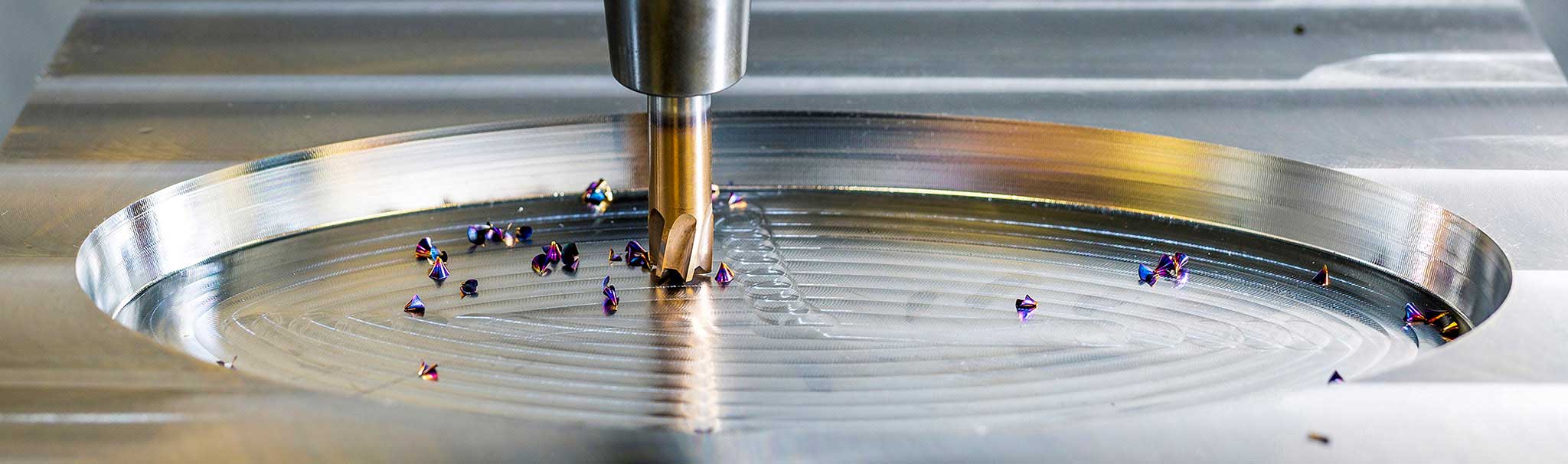
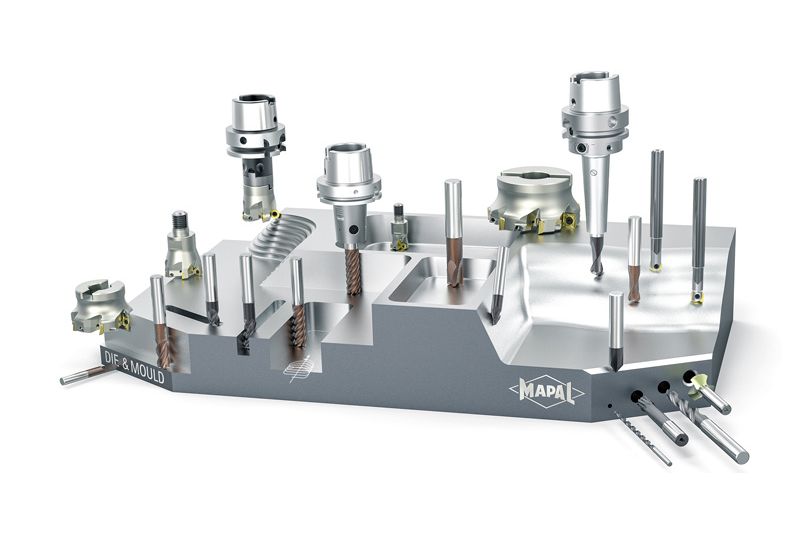
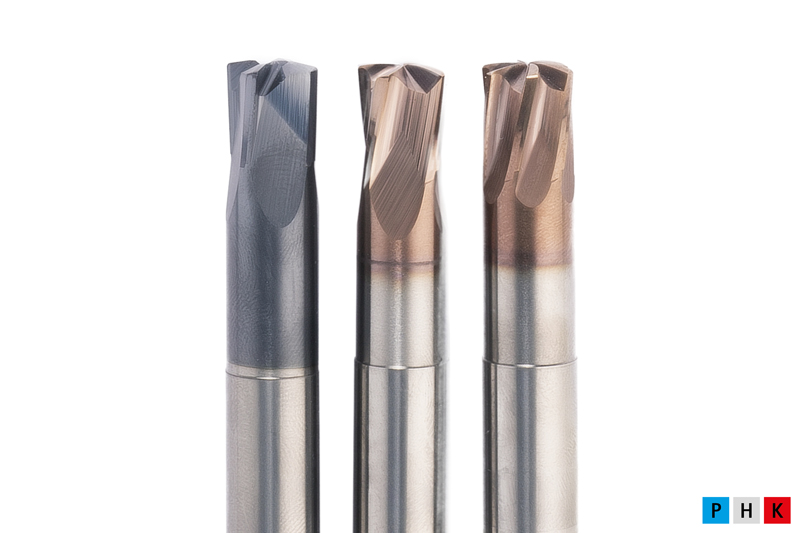
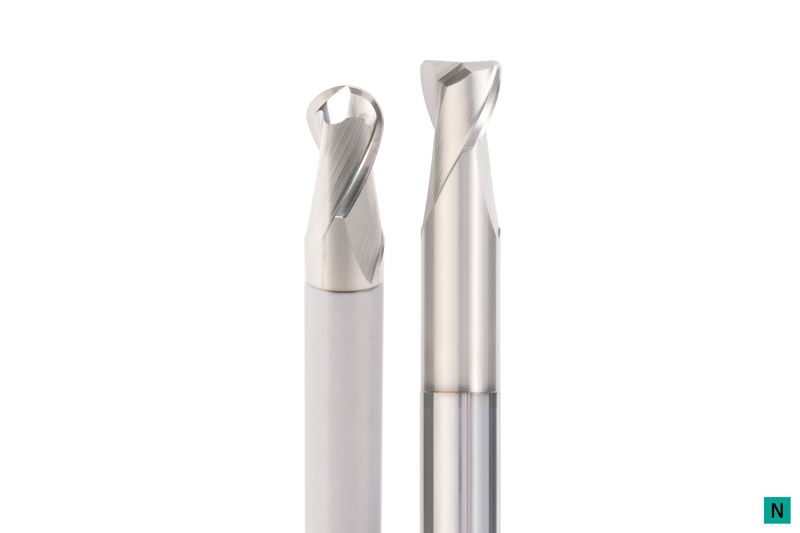
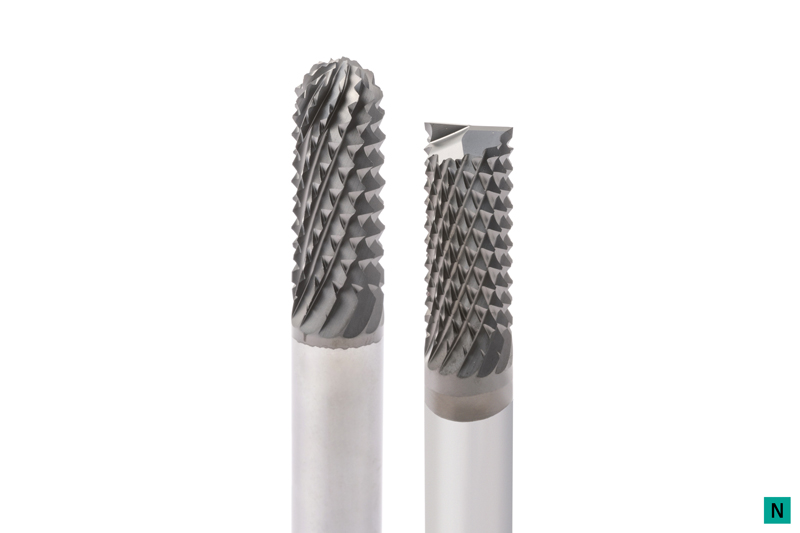
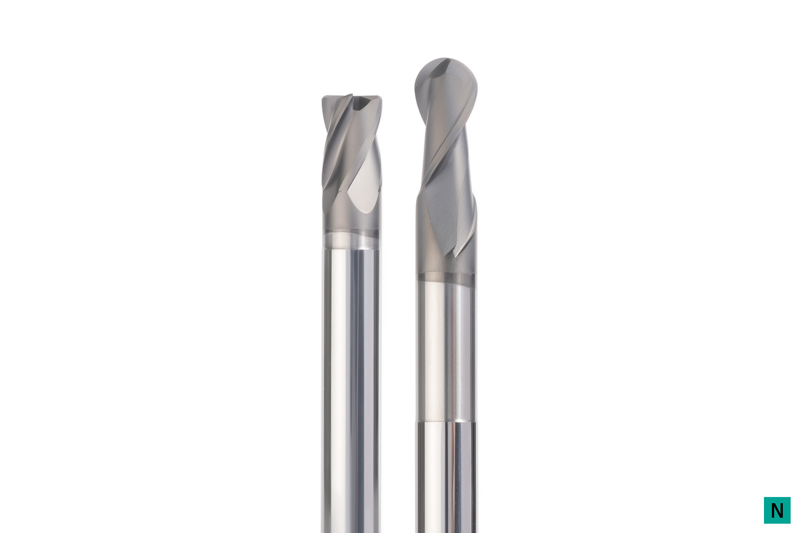
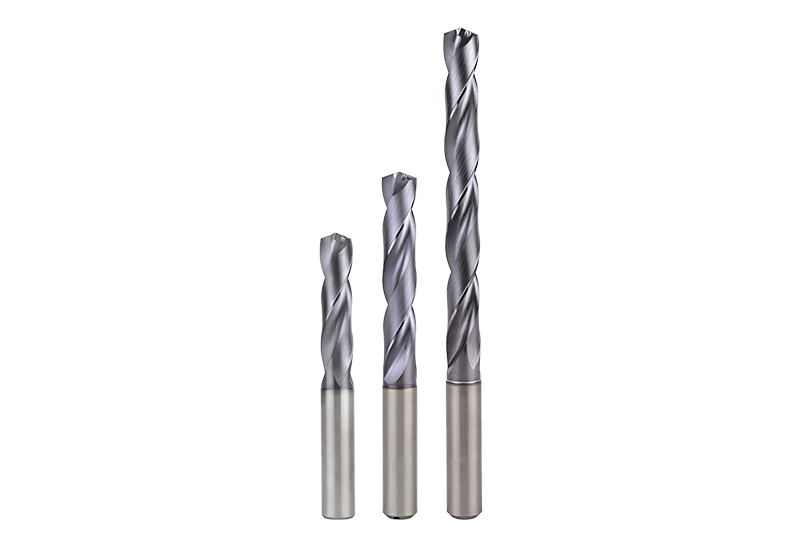
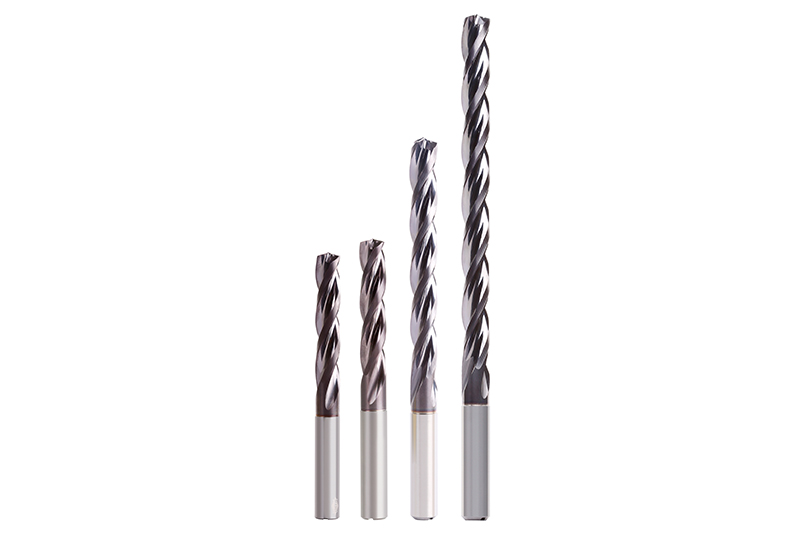
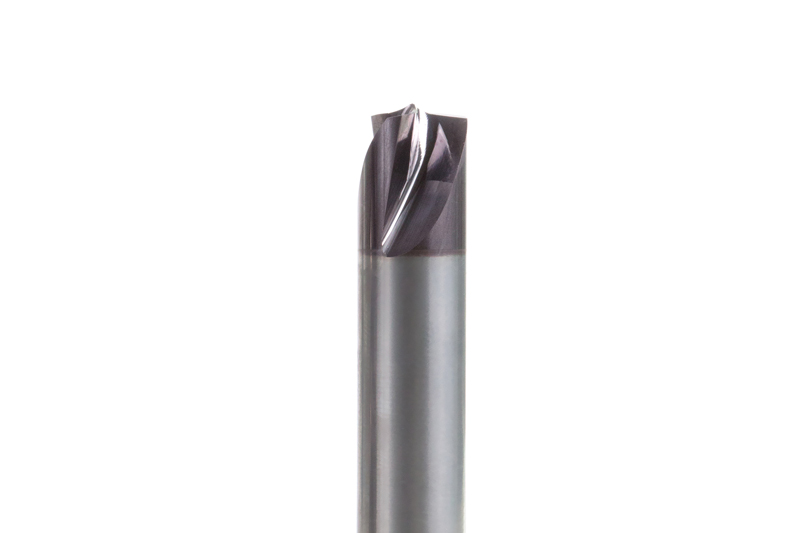
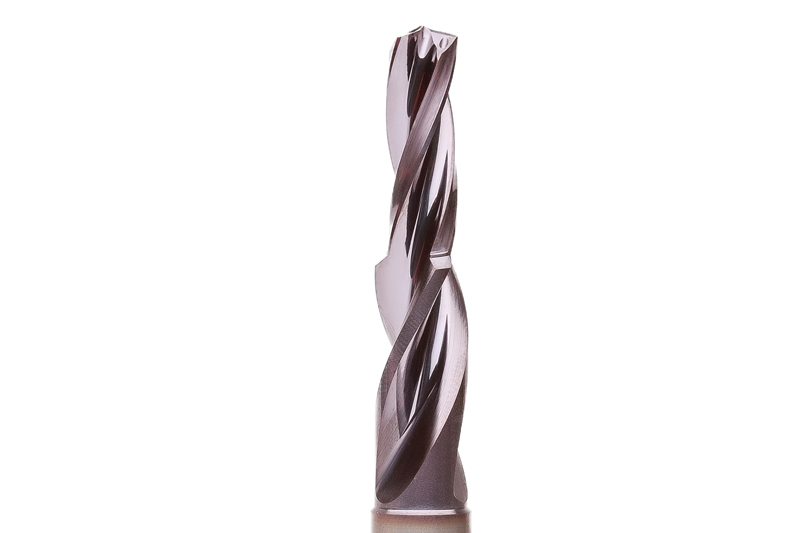
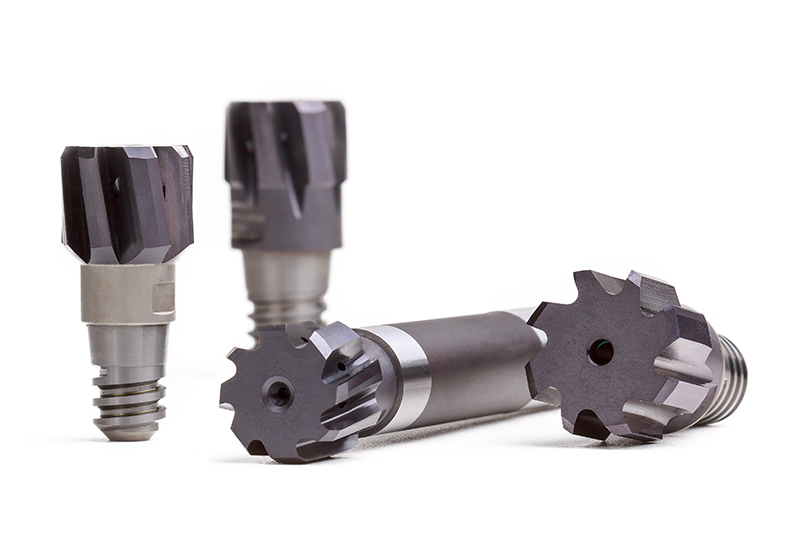
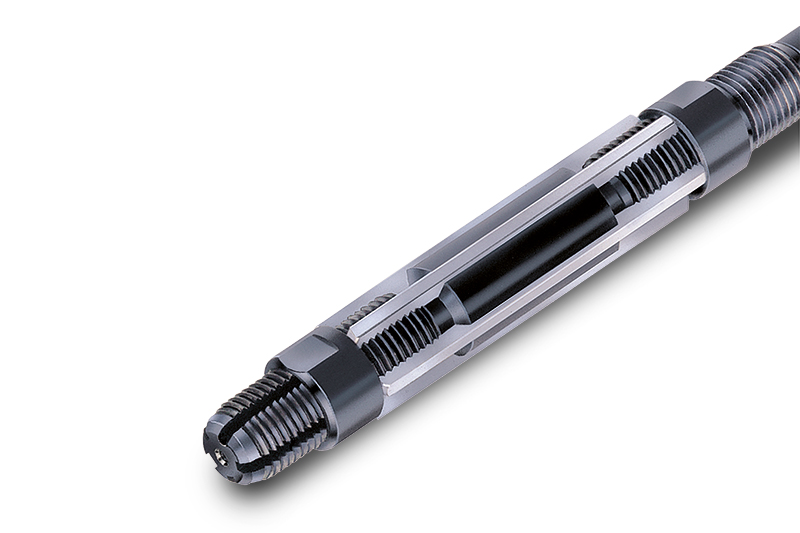
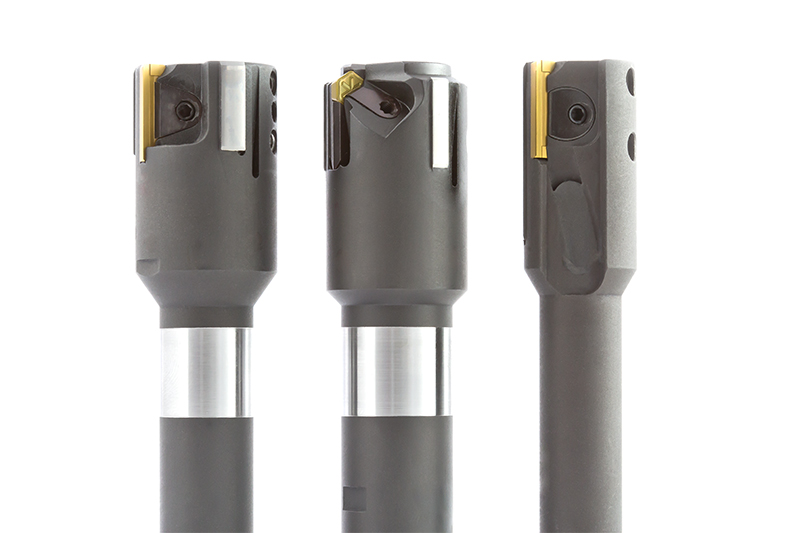
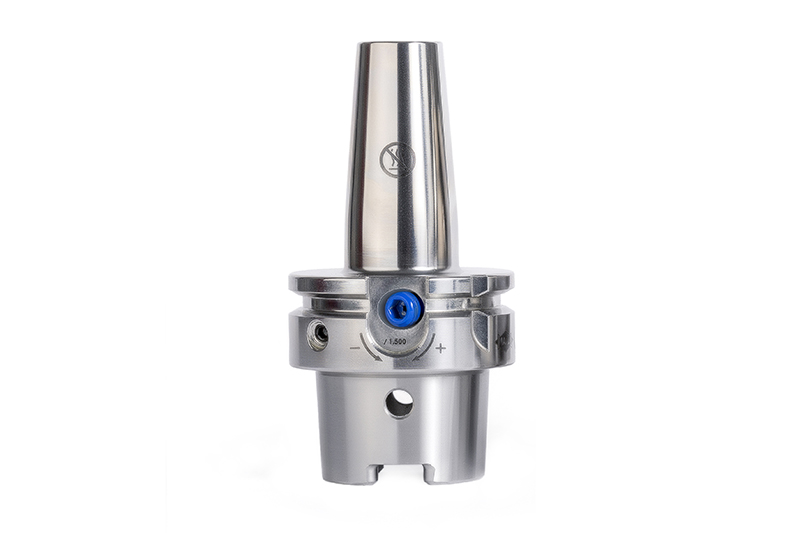
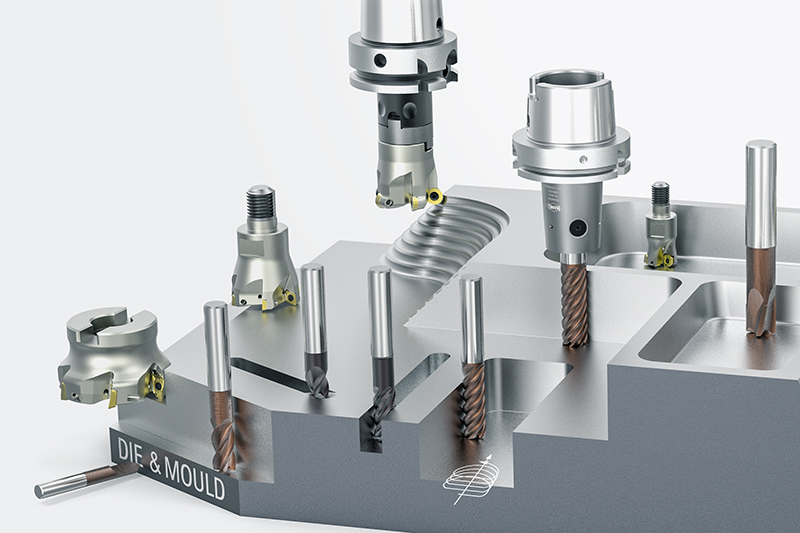
Precisamente son estos aspectos los que hacen que MAPAL tenga éxito en sectores como la industria del automóvil, la construcción de máquinas o la industria aeronáutica. Por eso, la única lógica existente es que el fabricante de herramientas de precisión también ofrezca en la fabricación de moldes y troqueles soluciones eficientes y rentables para el proceso de mecanizado completo. Herramientas versátiles y precisas y adaptadores especiales con contornos estrechos y una concentricidad precisa minimizan los trabajos de pulido y de repaso gracias a una calidad de superficie constante durante el proceso de fresado. Estas permiten considerables ahorros económicos en el proceso completo.
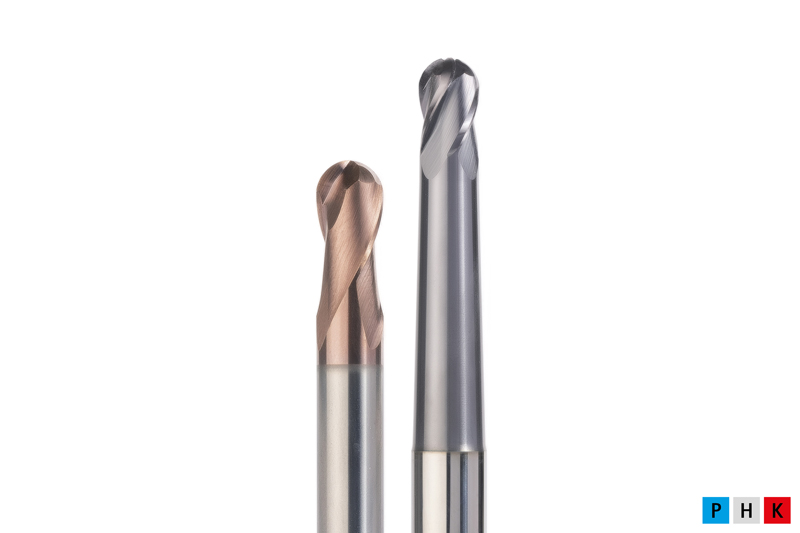
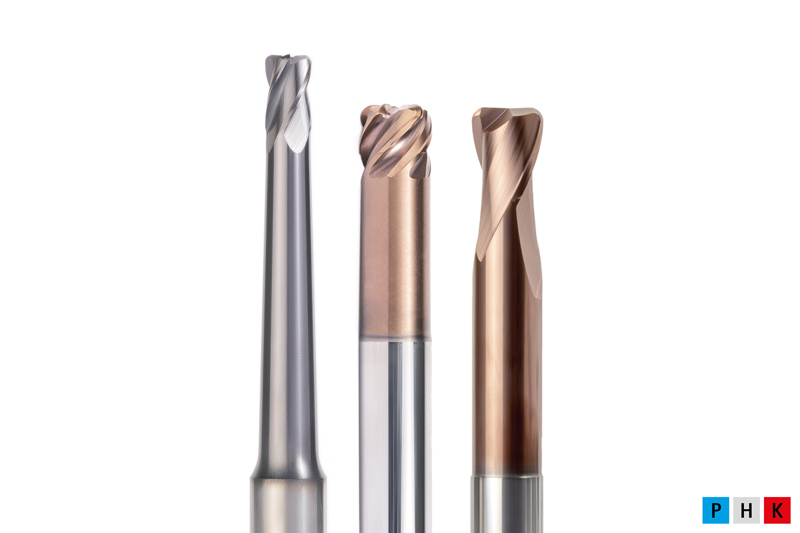
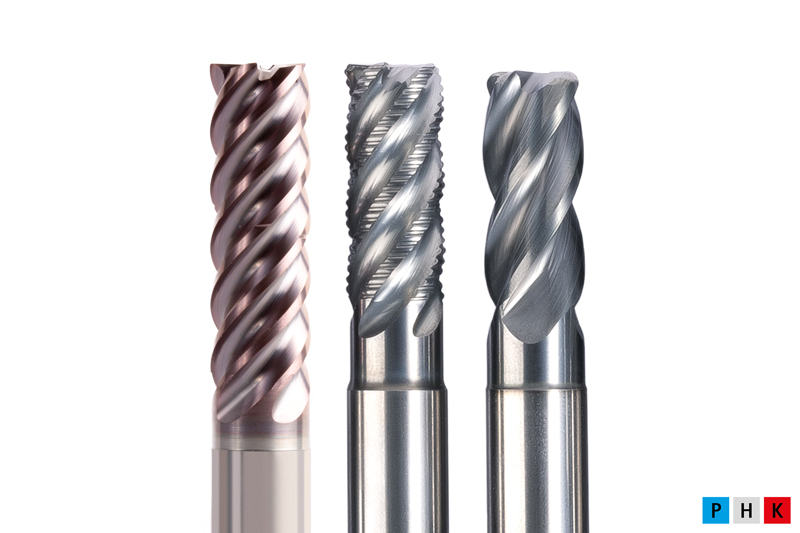
Catálogo de herramientas para la fabricación de moldes
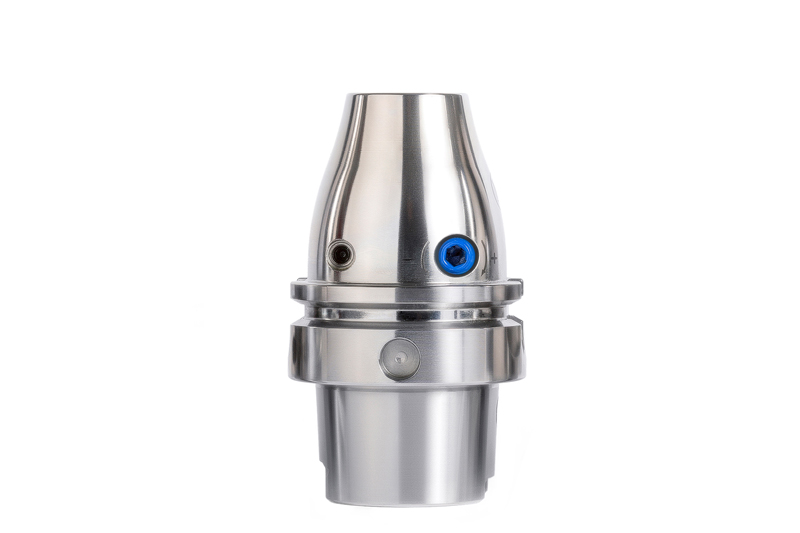
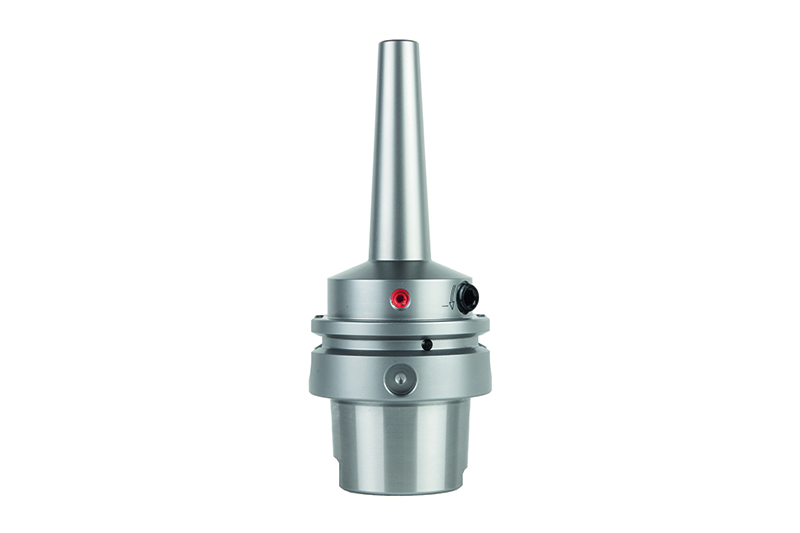
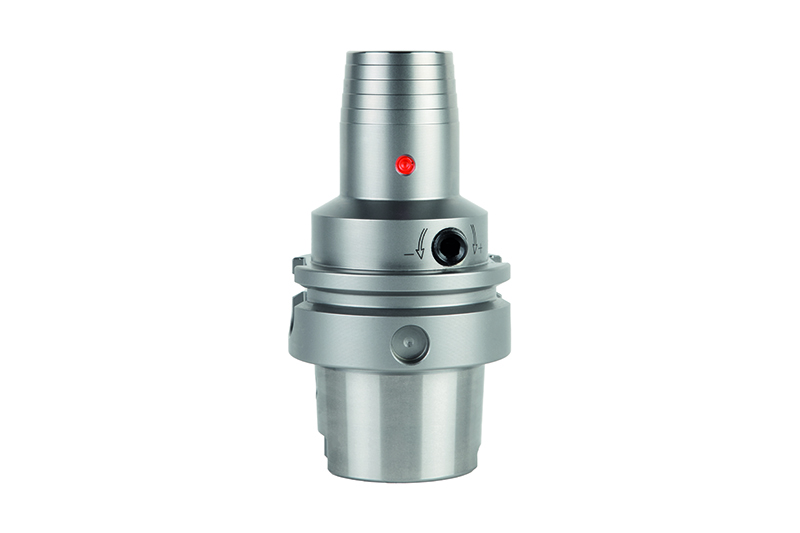
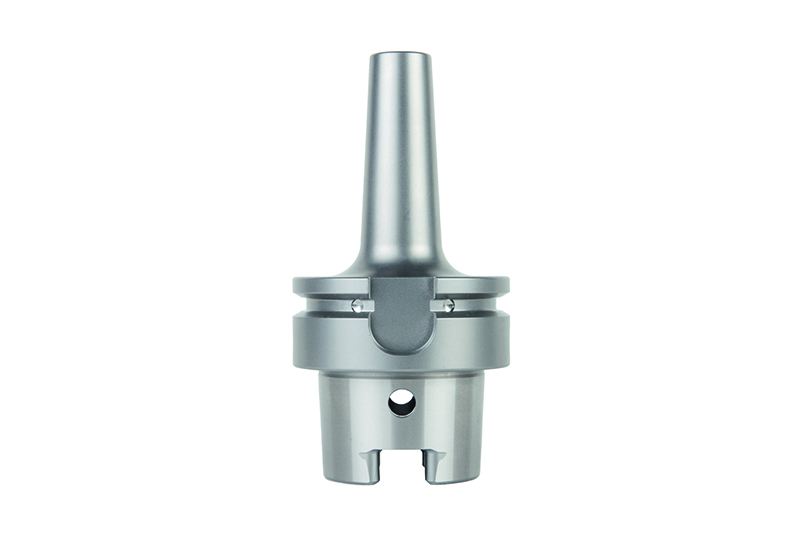
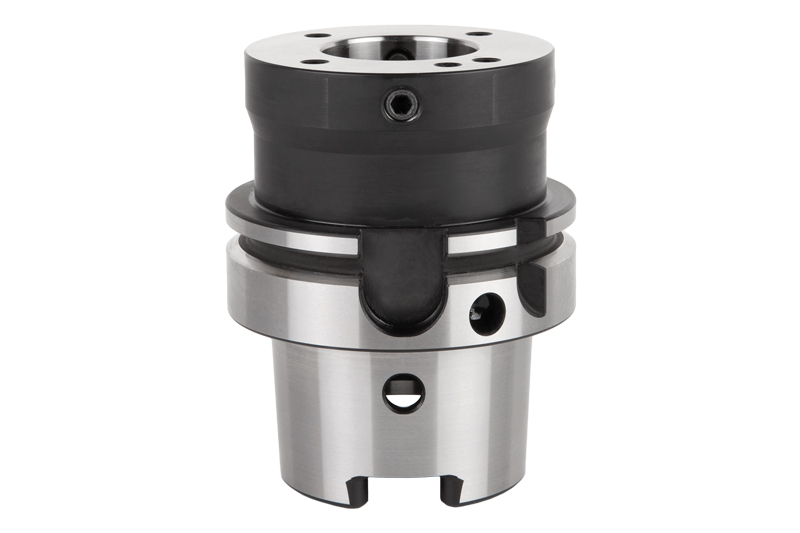
Componentes y materiales
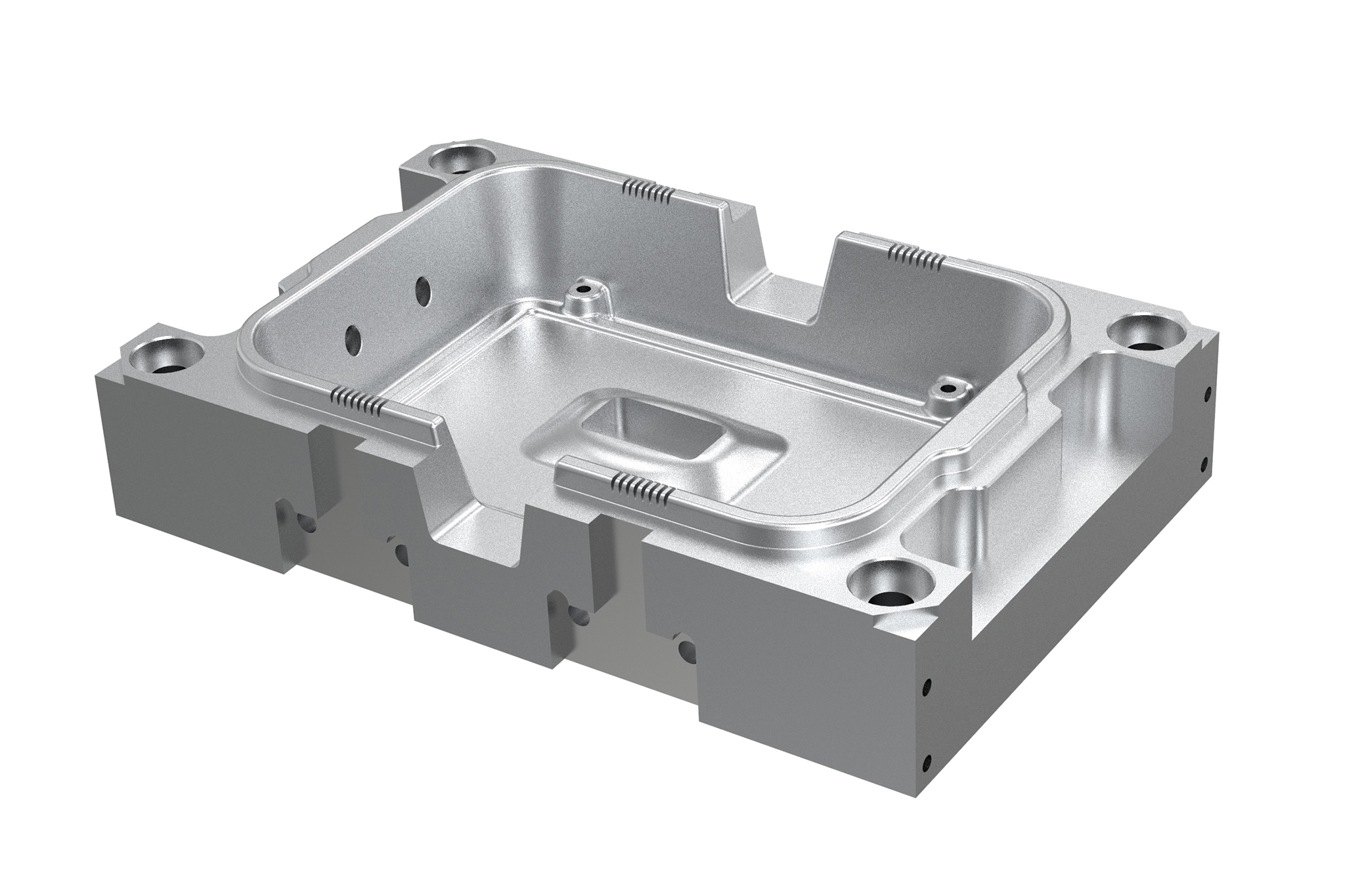
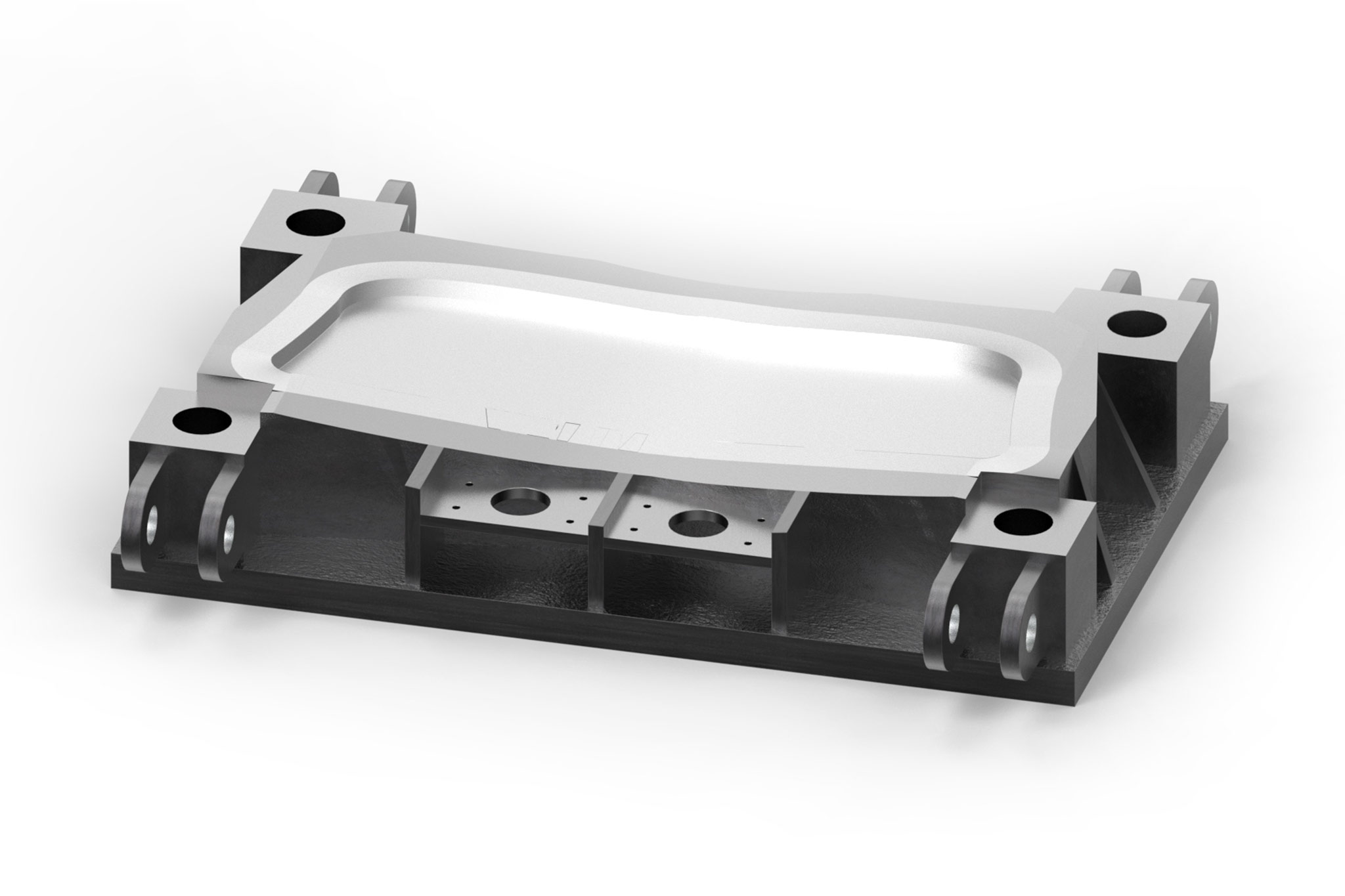
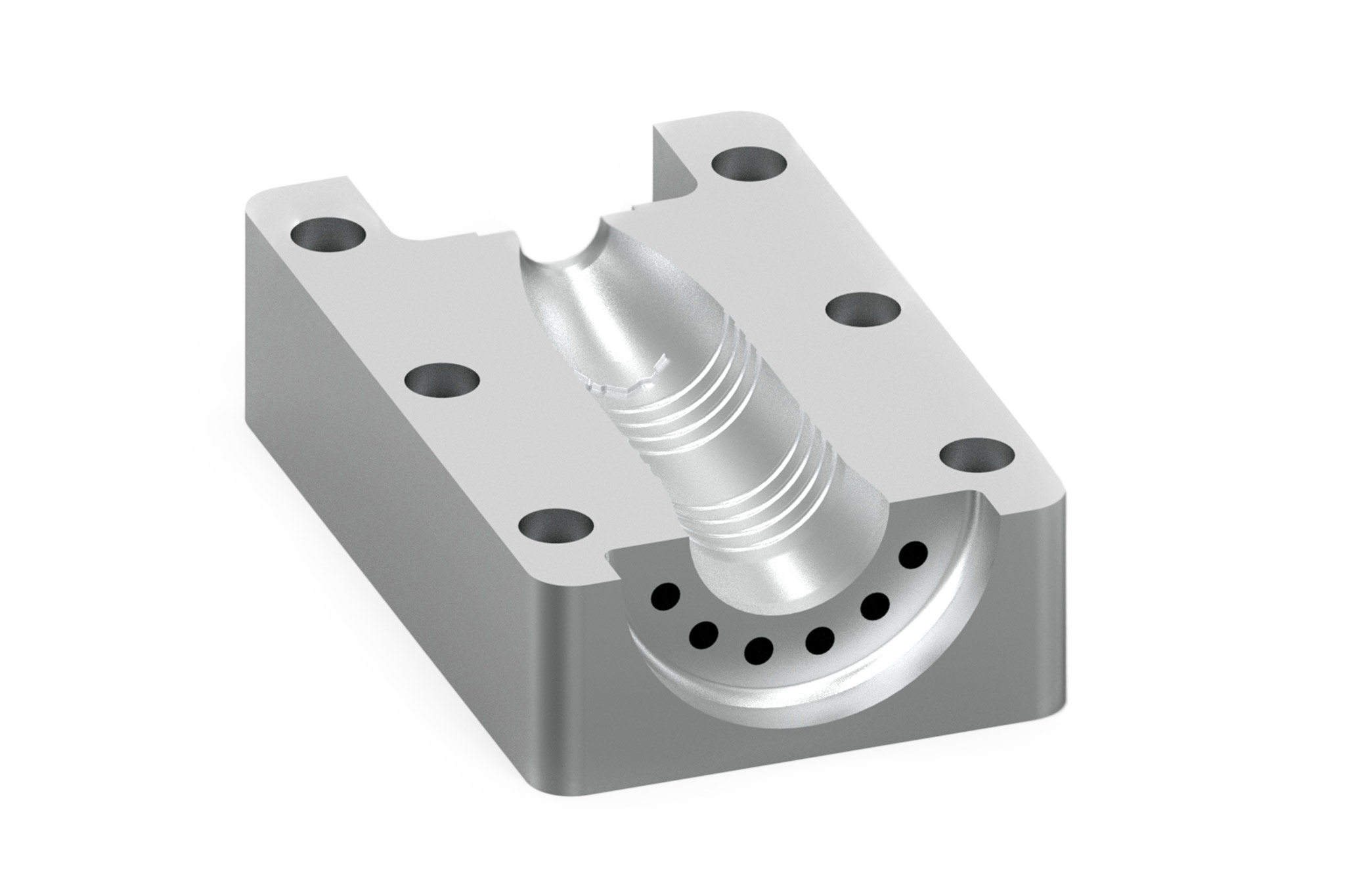
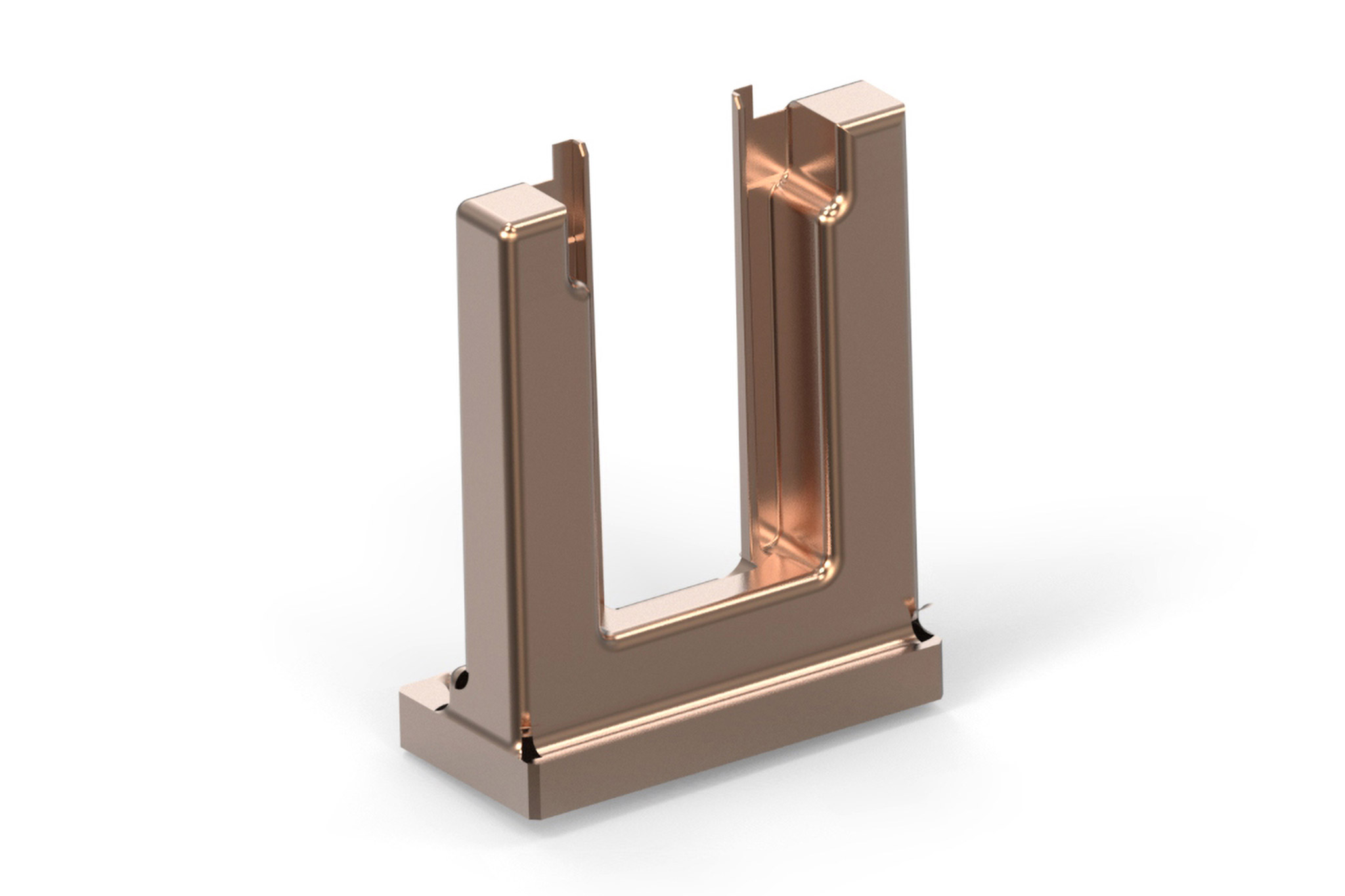
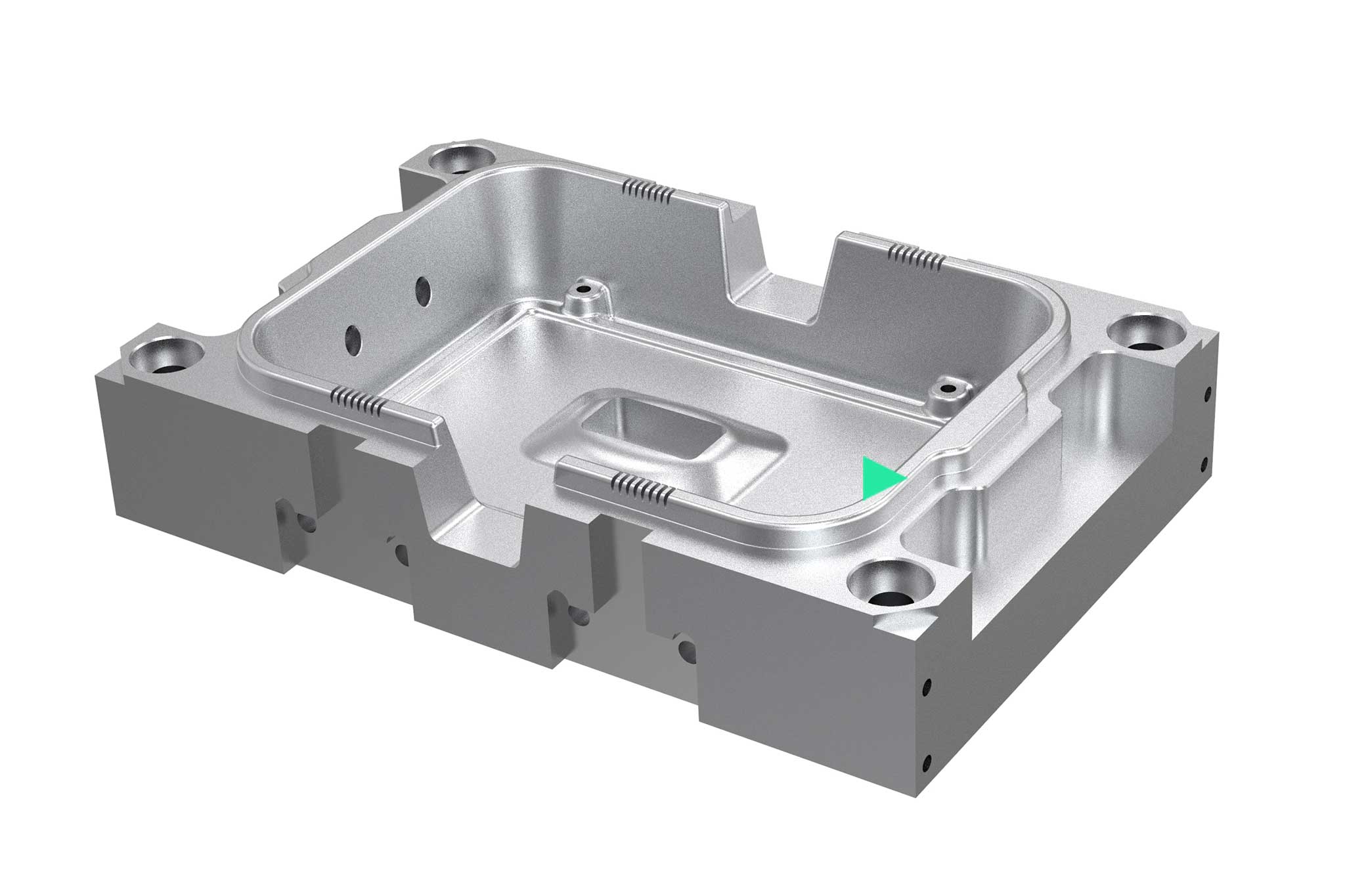
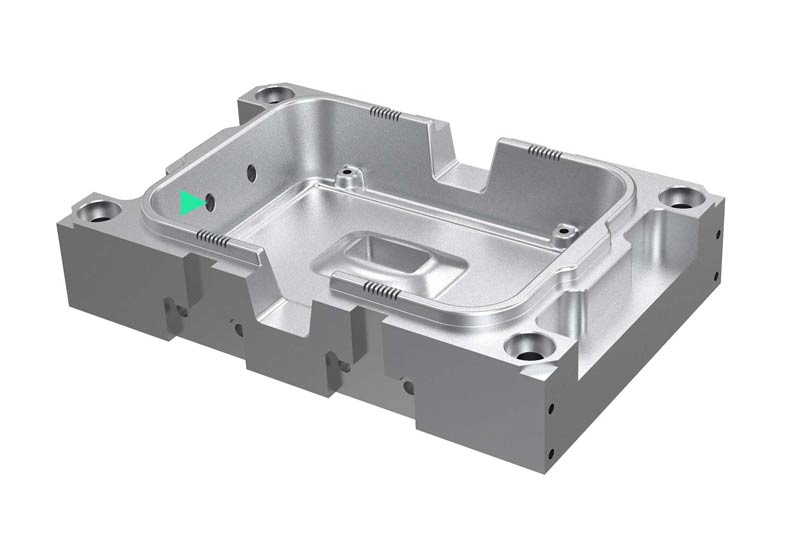
De la pieza sin tratar a la pieza terminada
-
 1 / 8
1 / 8Superficies en 2D
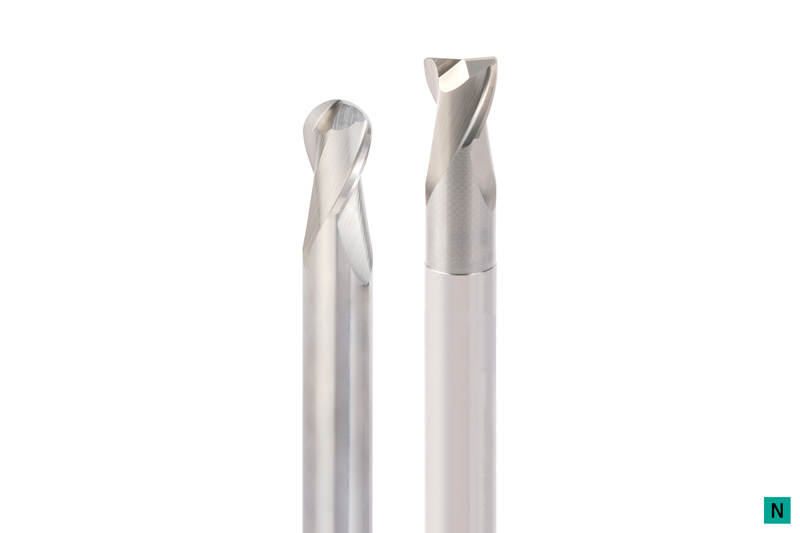
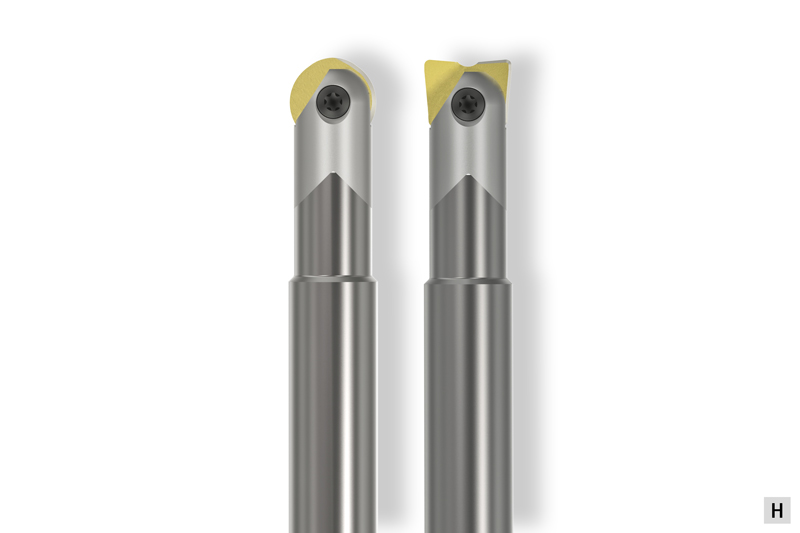
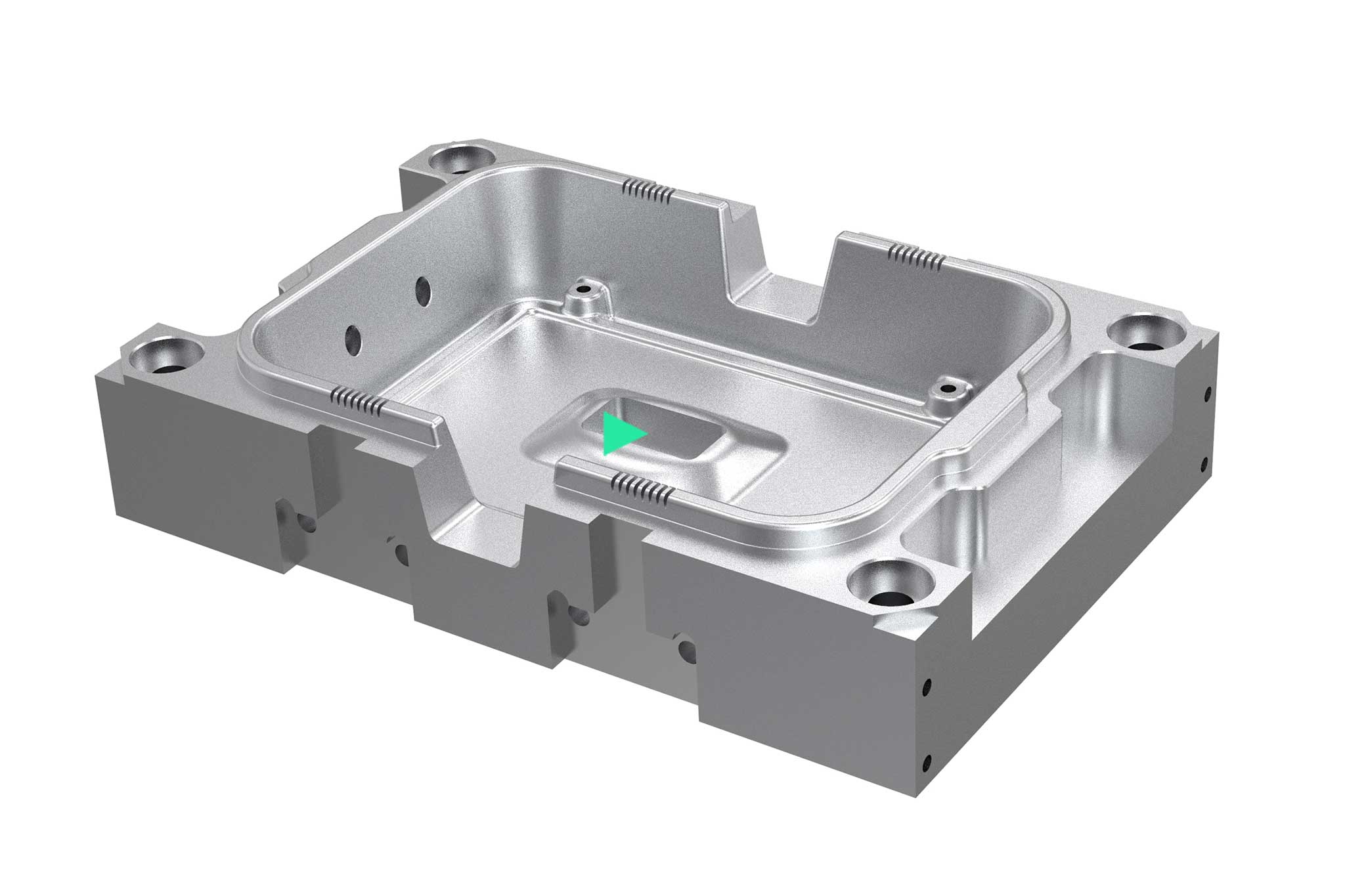
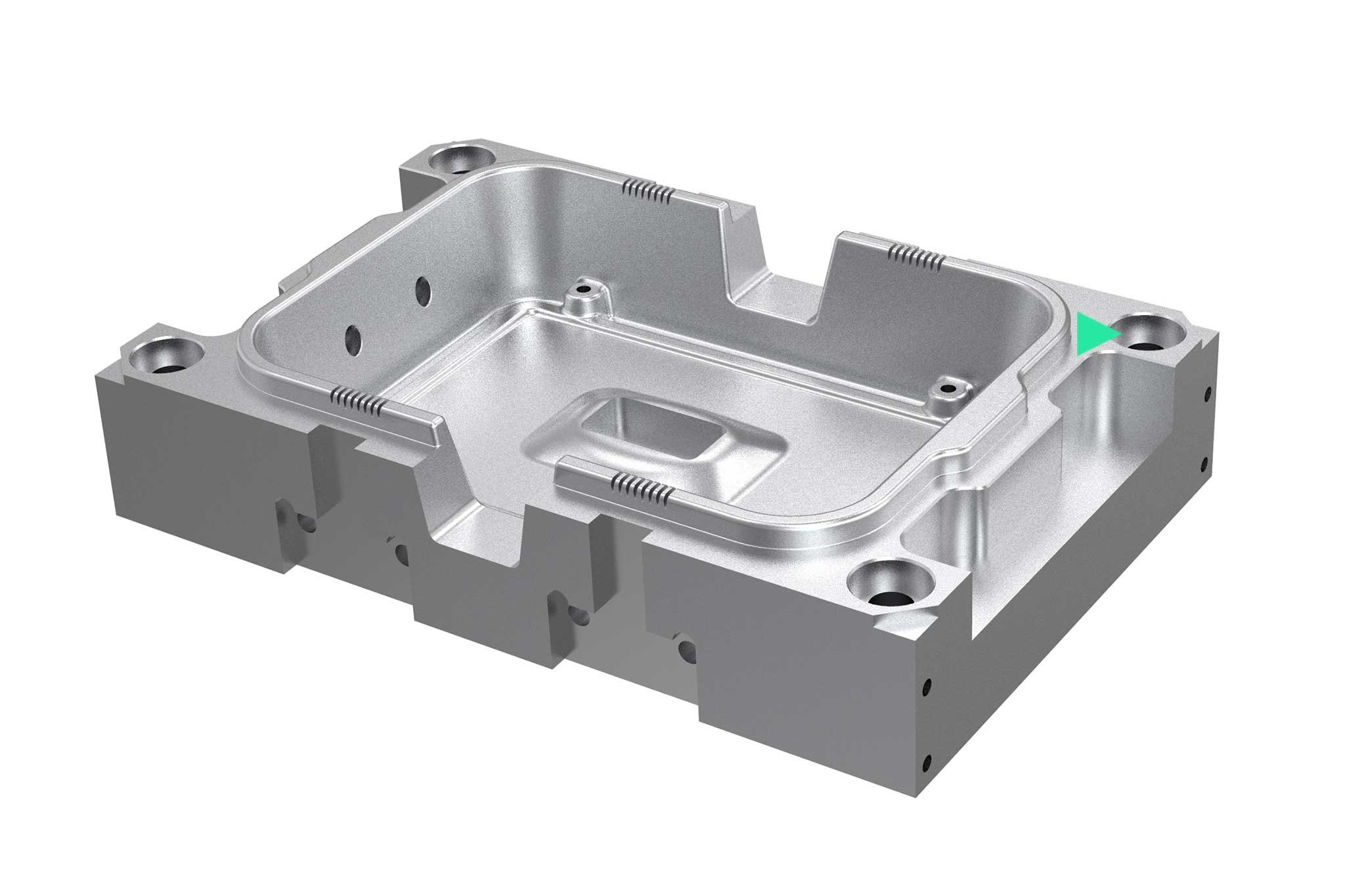
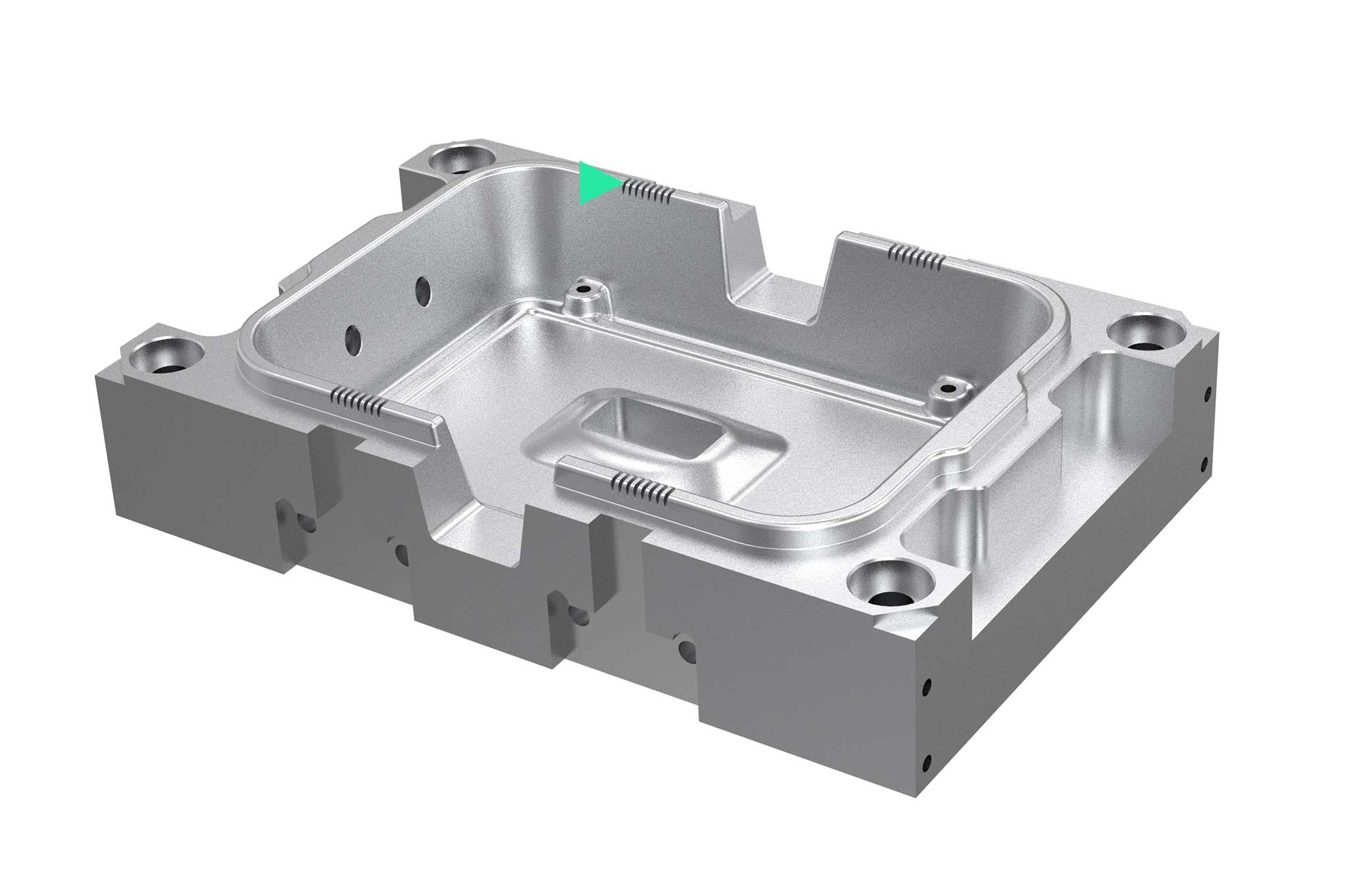
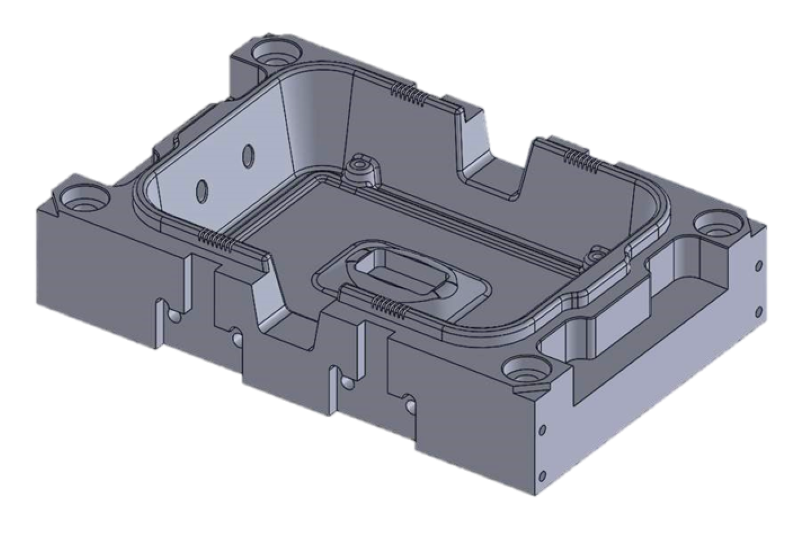
En esta categoría se incluyen los procesos de mecanizado ejecutados directamente en la máquina como el fresado plano, fresado de cajeras y paredes rectas. También el trabajo en geometrías complejas que se pueden programar con un software CAM.
Acerca de la gama de productos del mecanizado de superficies en 2D -
2 / 8
Superficies en 3D
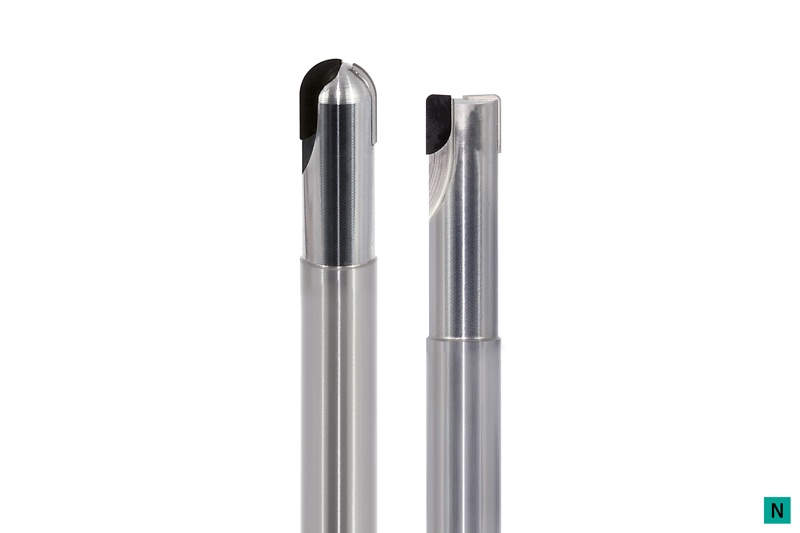
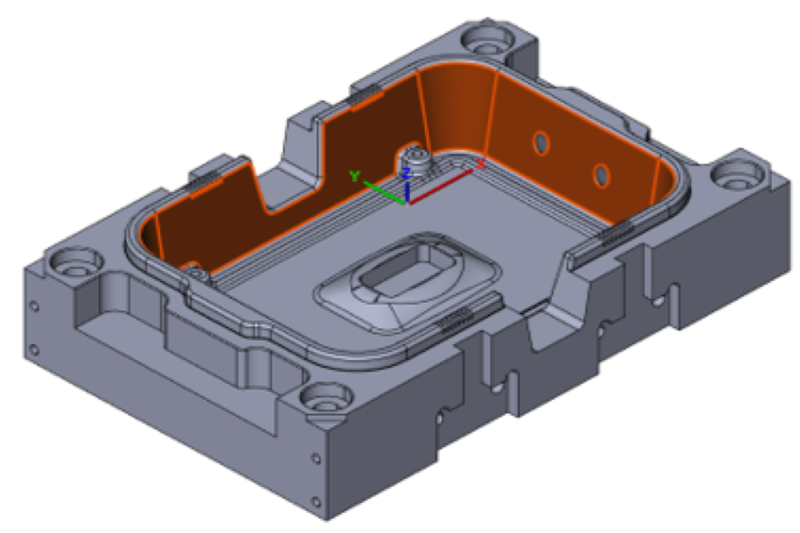
En los sectores de la fabricación de moldes y troqueles, los moldes complejos forman parte del día a día. El desarrollo continuo de las máquinas-herramienta y del software CAM mantienen en aumento el nivel del rendimiento y la productividad. Por eso, las herramientas usadas también deben cumplir siempre los requisitos de la última generación. Para alcanzar los mejores resultados, hay que analizar el proceso al comienzo del diseño.
Acerca de la gama de productos del mecanizado de superficies en 3D -
3 / 8
Cajeras abiertas
Los insertos de molde representan también las tareas de mecanizado necesarias para el moldeo o diversos componentes. Cada vez más, los usuarios mecanizan las cajeras abiertas (mecanizado de volumen) con fresado trocoidal. Este sistema de mecanizado facilita que se mejoren los tiempos de mecanizado y prolonguen la duración de la herramienta.
Acerca de la gama de productos del mecanizado de cajeras abiertas -
4 / 8
Cajeras cerradas
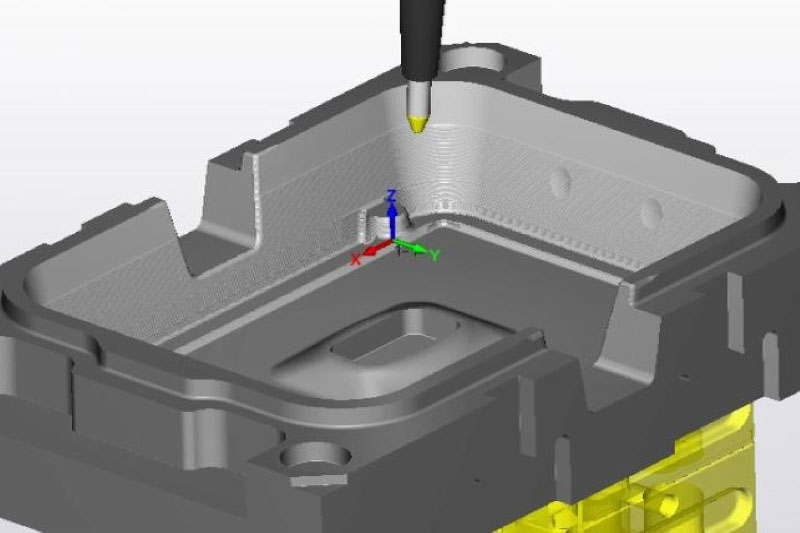
Las cajeras cerradas suelen fabricarse con desbastado a escala Z. Normalmente, se elige para ello el fresado de la entrada de mecanizado por medio de una rampa. La elección de la herramienta dependerá del grosor de las paredes y de la inclinación de moldeado del componente. La amplia gama de MAPAL de sistemas modulares también abarca el mecanizado de cajeras profundas de gran diámetro.
Acerca de la gama de productos del mecanizado de cajeras cerradas -
5 / 8
Fresado helicoidal
Uno de los puntos importantes de los mecanizados de fresado es reducir el tiempo de mecanizado. Normalmente, con formas de herramienta específicas para el mecanizado se consigue eliminar el proceso de taladrado previo de las cajeras cerradas y redondas. En el fresado helicoidal se programan trayectorias de fresado con entradas helicoidales adecuadas para las dimensiones de las cajeras.
Acerca de la gama de productos de fresado helicoidal -
6 / 8
Superficies planas
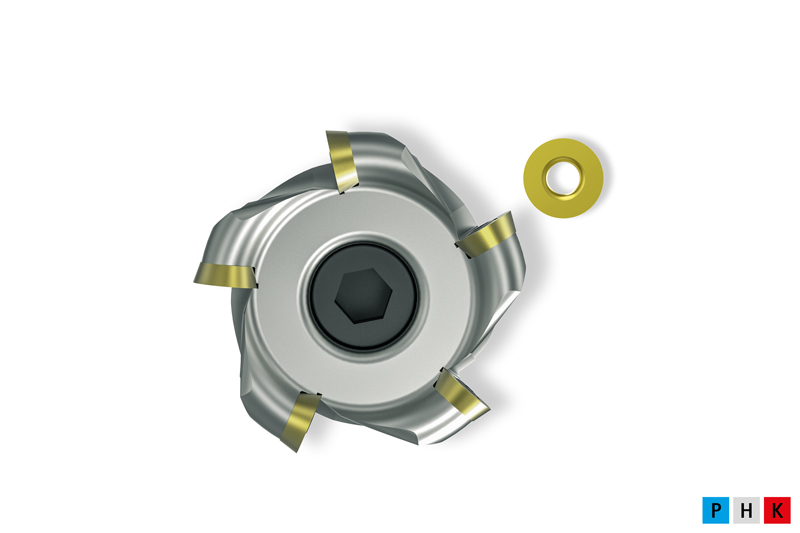
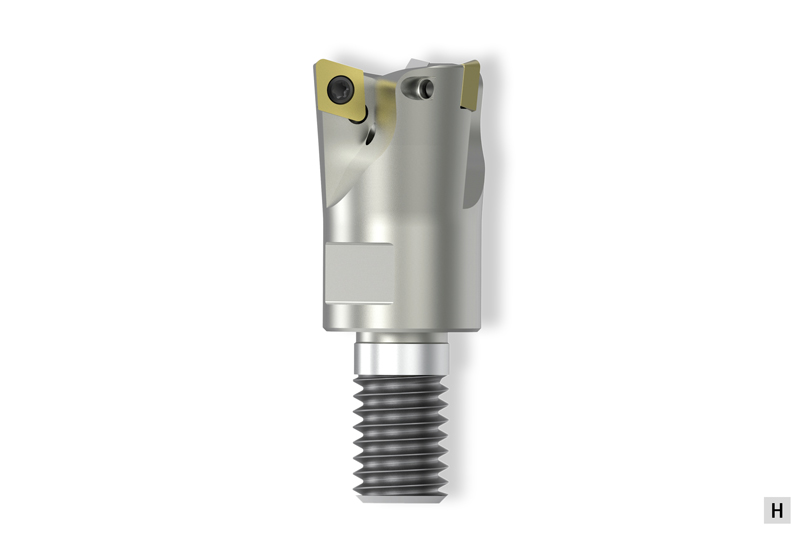
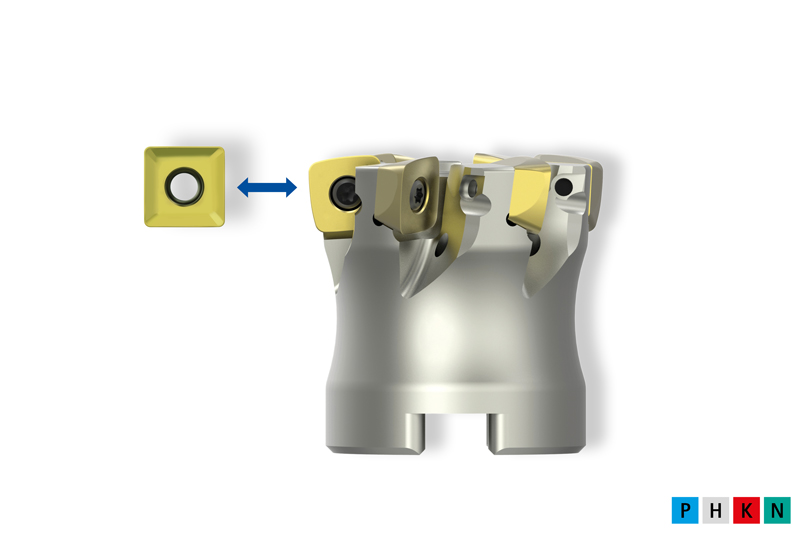
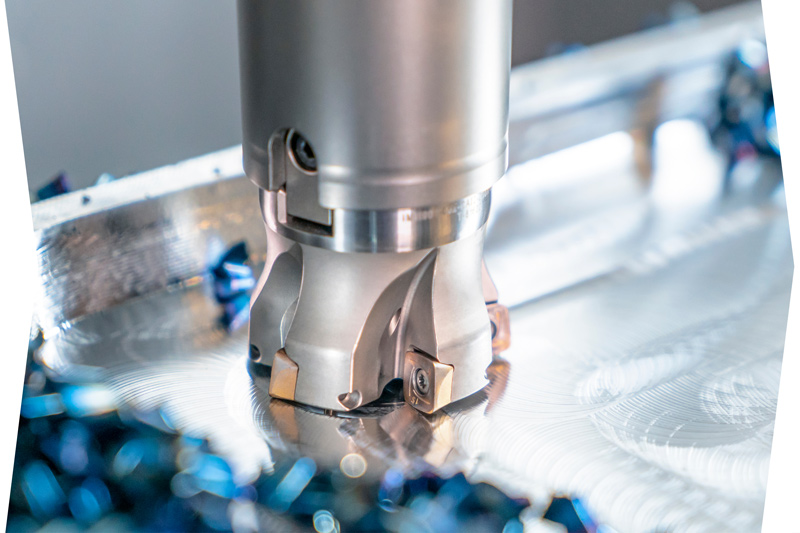
Tratar de lograr superficies planas es muy habitual en los distintos campos de la fabricación de moldes y troqueles: ya sea porque lo requiere el componente, la estrategia por medio del mecanizado de fresado correspondiente o por medio de los requisitos de superficies de cierre de molde, así como secciones y troquelados. Por tanto, la herramienta adecuada se elegirá en función del uso y de los requisitos.
Acerca de la gama de productos del mecanizado de superficies planas -
7 / 8
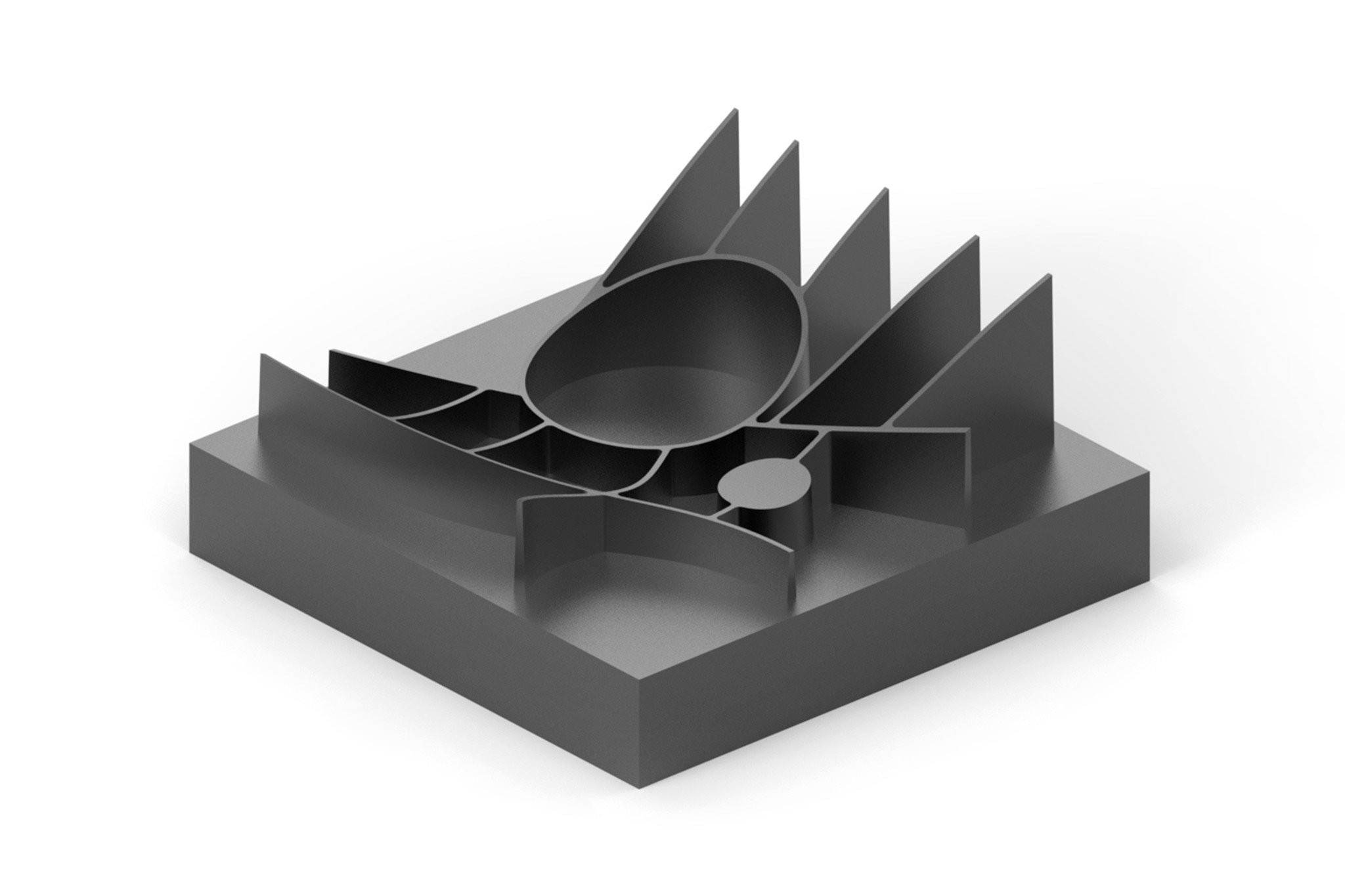
Paredes finas y nervaduras
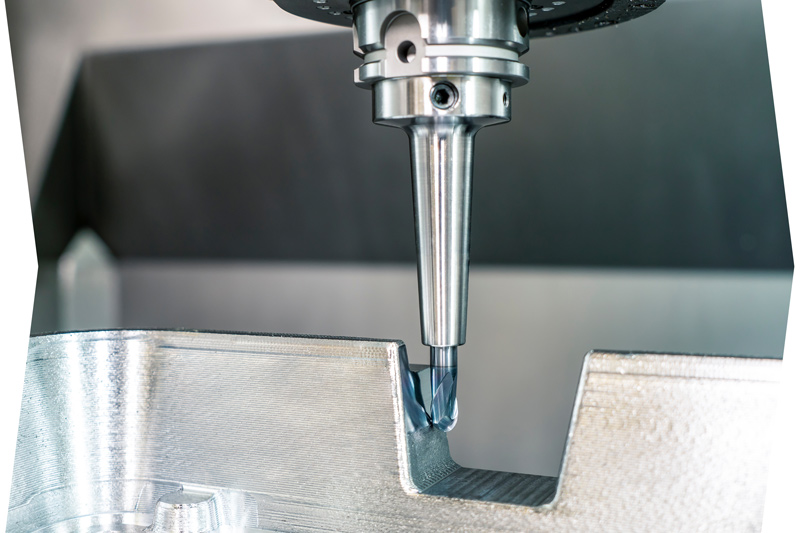
Los moldes de plástico por inyección y los moldes de fundición de presión suelen tener nervaduras y paredes finas. Por ejemplo, cada vez se fresan más nervaduras, porque dicho proceso es más rentable que el proceso EDM (electroerosión). Por norma general, se usan herramientas de metal duro largas o extralargas de diámetro pequeño. En estos casos, también se pueden emplear las soluciones específicas de cada cliente (RibCutter) correspondientes a la forma de la nervadura.
Acerca de la gama de productos del mecanizado de paredes y nervaduras finas -
8 / 8
Fori di grandi e piccole dimensioni
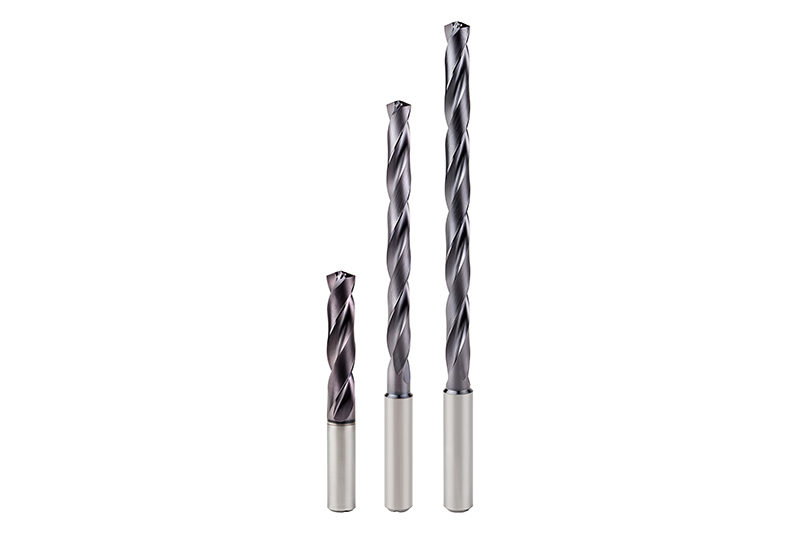
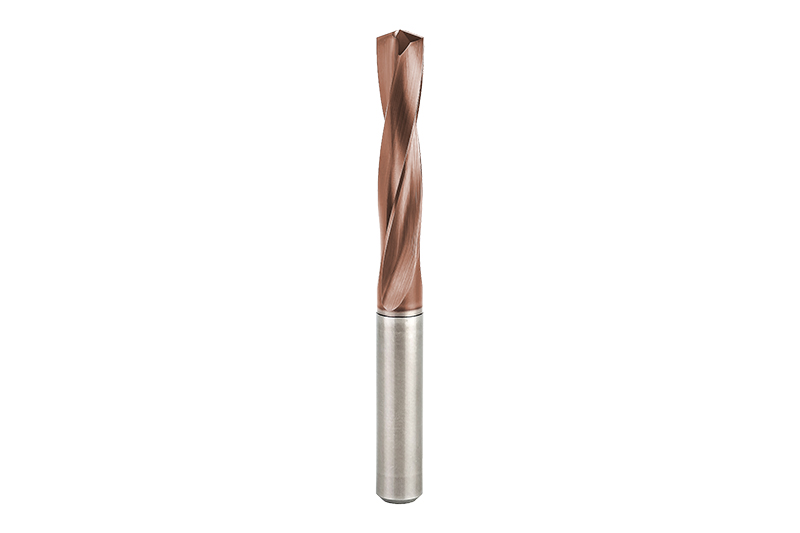
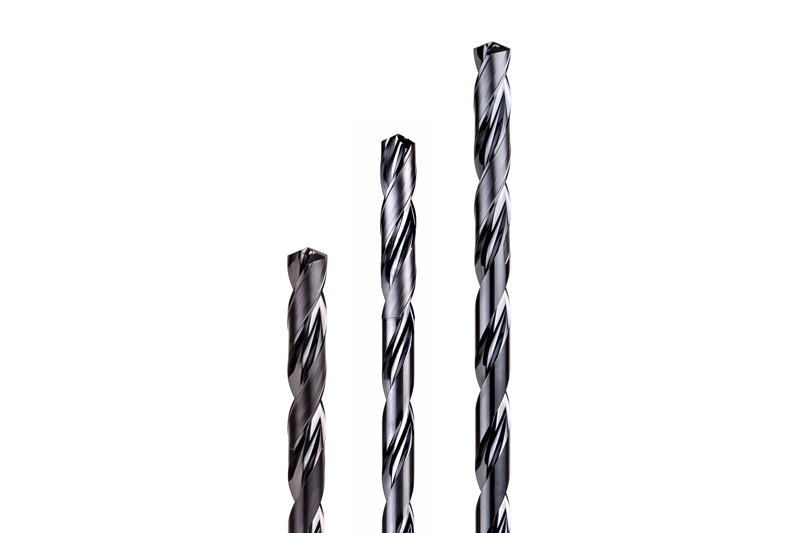
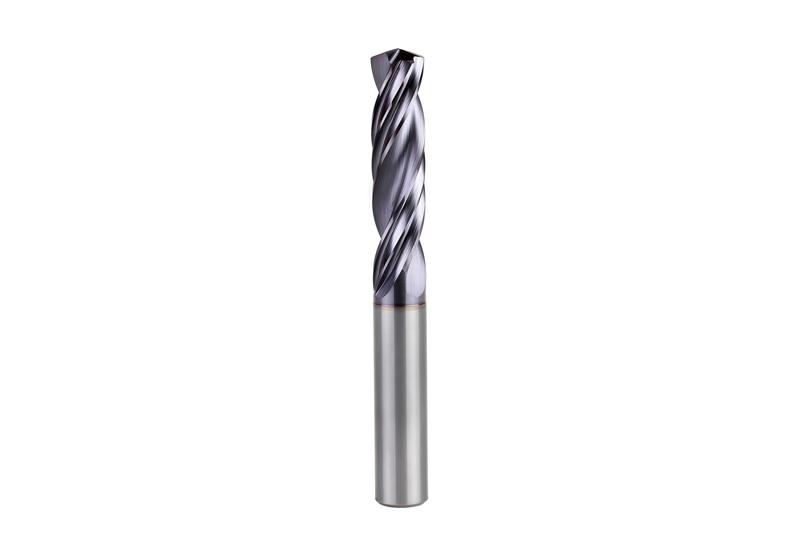
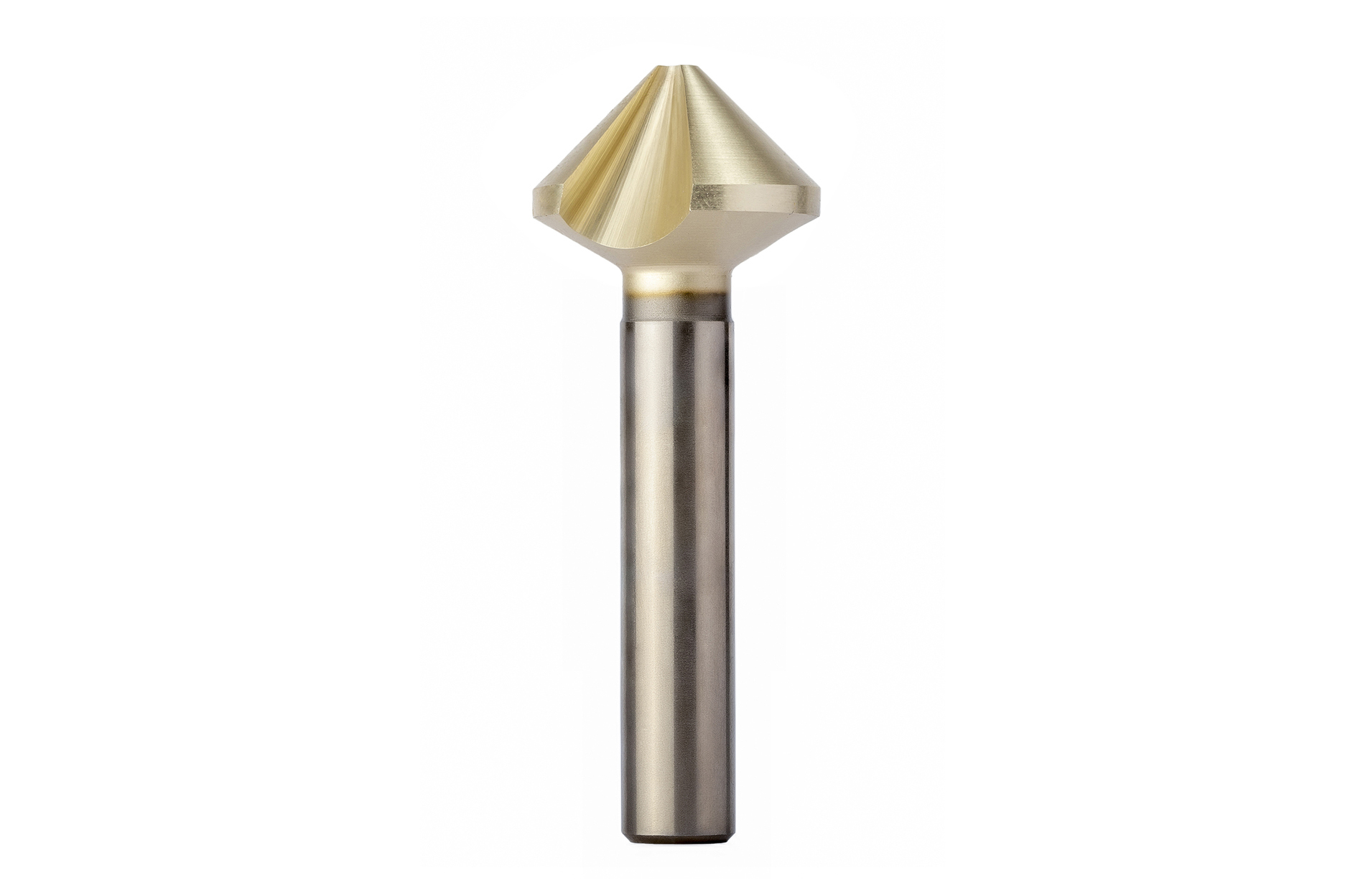
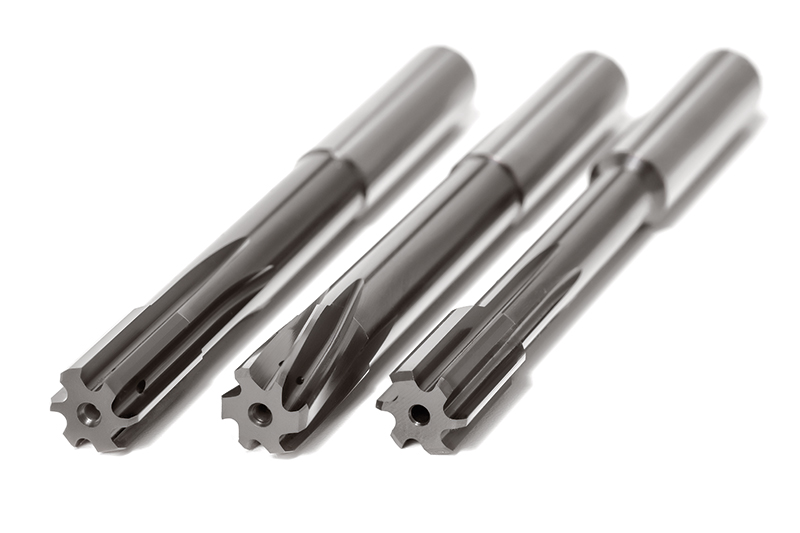
La costruzione di stampi e matrici comprende una vasta gamma di operazioni di foratura integrale: dai fori di grandi dimensioni per colonne di guida, attraverso fori profondi per sistemi di raffreddamento fino ai fori ad alta precisione per perni espulsori. MAPAL offre un portfolio completo di utensili di foratura e alesatura per le singole fasi di lavorazione.
Vai all’assortimento di prodotti per la lavorazione di fori di grandi e piccole dimensionis

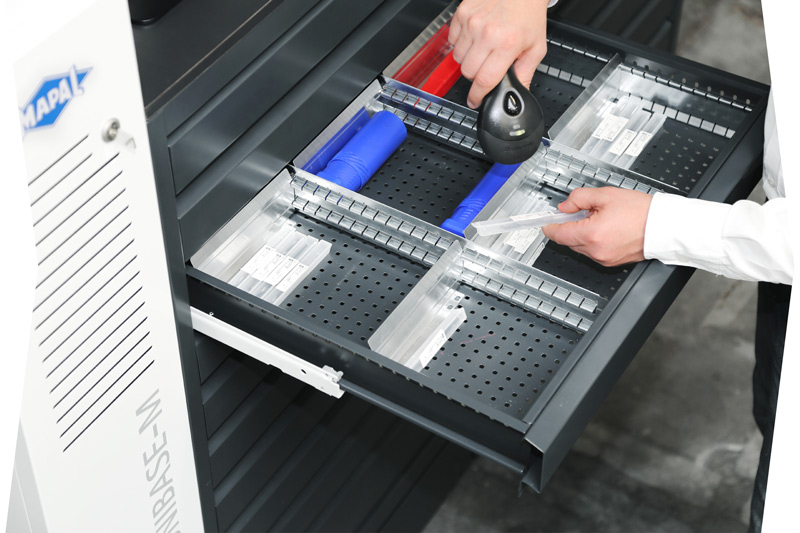
Wszystko z jednej ręki

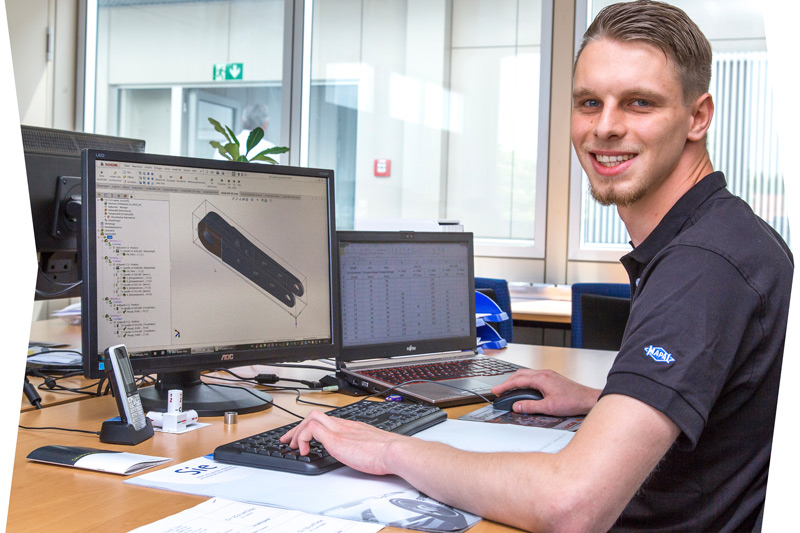
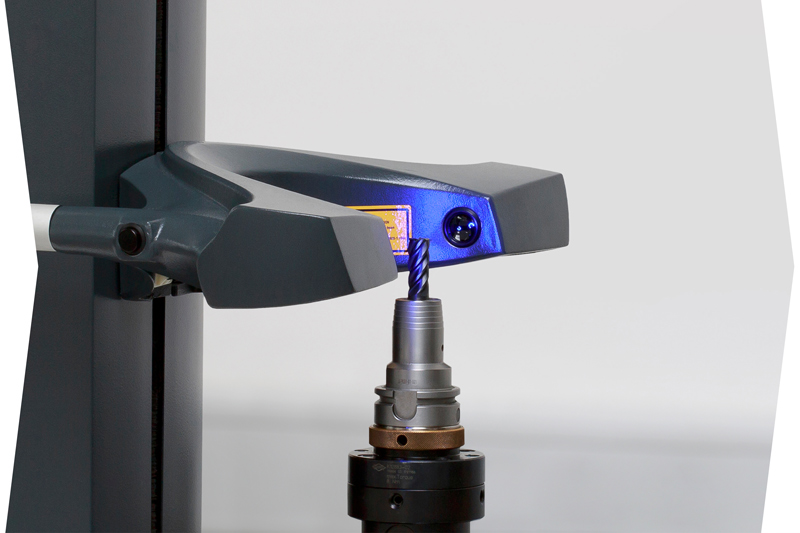
Przepływ pracy inżynieryjnej – od teorii do praktyki

Inne artykuły z zakresu budowy form
-
13.04.2026
IMPULSE 86 has been published
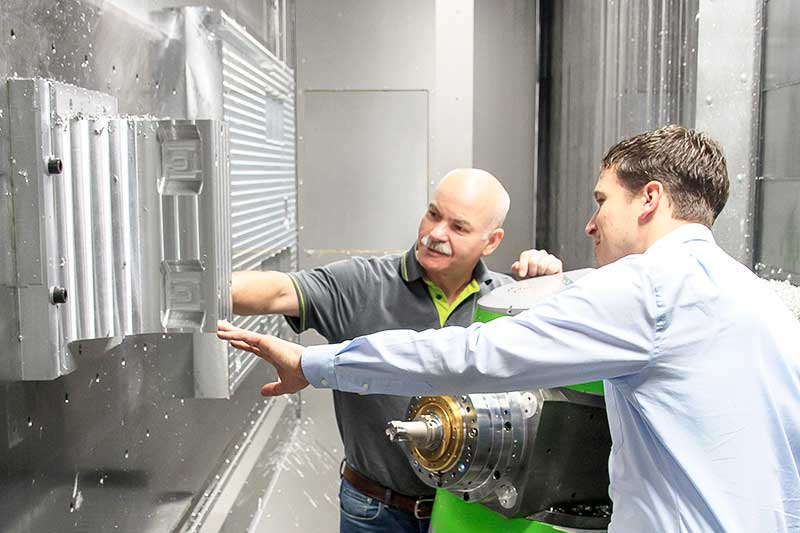
In the current issue of the technology magazine IMPULSE, the main topics are the merger of the German sites and the aerospace sector.
-
02.12.2025
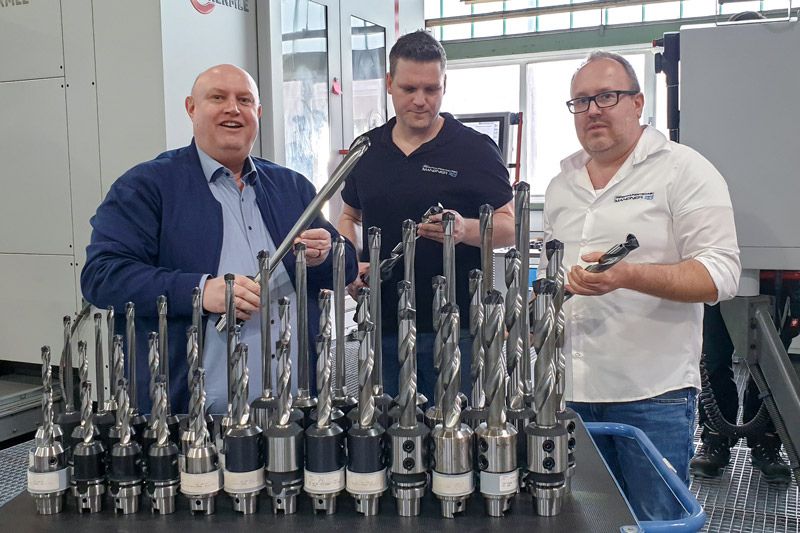
Large tool package for Mangner Zerspanungstechnik
MAPAL has equipped Mangner GmbH with a comprehensive tool package for drilling operations.
-
04.03.2025
CORMOL relies on milling cutters such as the OptiMill-3D-HF from MAPAL for tool making
CORMOL from Portugal manufactures stamping tools, for which it has been working closely with MAPAL since 2022. With the OptiMill-3D-HF, CORMOL has found a reliable and economical tool solution.


Nasi partnerzy handlowi
Obszar odpowiedzialności według kodów pocztowych
-
1 / 16
Kod pocztowy 35
FRITZ WEG GmbH & Co. KG
Ahornweg 41
35713 Eschenburg-WissenbachTel.: +49 2774 701-0
Faks: +49 2774 701-39
E-mail: info@fritzweg.de
Strona internetowa: www.fritzweg.de -
2 / 16
Kod pocztowy 44
Jansen Schneidwerkzeuge Vertriebs GmbH
Im Käsebrink 12
58840 PlettenbergTel.: +49 2391 9177-0
Faks: +49 2391 9177-20
E-mail: info@j-s-v.com
Strona internetowa: www.j-s-v.com -
3 / 16
Kod pocztowy 51
Jansen Schneidwerkzeuge Vertriebs GmbH
Im Käsebrink 12
58840 PlettenbergTel.: +49 2391 9177-0
Faks: +49 2391 9177-20
E-mail: info@j-s-v.com
Strona internetowa: www.j-s-v.com -
4 / 16
Kod pocztowy 56, 57
FRITZ WEG GmbH & Co. KG
Ahornweg 41
35713 Eschenburg-WissenbachTel.: +49 2774 701-0
Faks: +49 2774 701-39
E-mail: info@fritzweg.de
Strona internetowa: www.fritzweg.de -
5 / 16
Kod pocztowy 58, 59
Jansen Schneidwerkzeuge Vertriebs GmbH
Im Käsebrink 12
58840 PlettenbergTel.: +49 2391 9177-0
Faks: +49 2391 9177-20
E-mail: info@j-s-v.com
Strona internetowa: www.j-s-v.com -
6 / 16
Kod pocztowy 60, 61
Heinrich Meier GmbH
Herrenwaag 31
75417 MühlackerTel.: +49 7041 9530-0
Faks: +49 7041 9530-30
E-mail: info@heinrich-meier.de
Strona internetowa: www.heinrich-meier.de -
7 / 16
Kod pocztowy 63 - 69
Heinrich Meier GmbH
Herrenwaag 31
75417 MühlackerTel.: +49 7041 9530-0
Faks: +49 7041 9530-30
E-mail: info@heinrich-meier.de
Strona internetowa: www.heinrich-meier.de -
8 / 16
Kod pocztowy 70 - 73
Dieter Schätzle GmbH & Co. KG
Precyzyjne narzędzia
Unter Haßlen 12
78532 TuttlingenTel.: +49 7462 9465-0
Faks: +49 7462 9465-50
E-mail: info@schaetzle-werkzeuge.de
Strona internetowa:www.schaetzle-werkzeuge.de -
9 / 16
Kod pocztowy 74, 75
Heinrich Meier GmbH
Herrenwaag 31
75417 MühlackerTel.: +49 7041 9530-0
Faks: +49 7041 9530-30
E-mail: info@heinrich-meier.de
Strona internetowa: www.heinrich-meier.de -
10 / 16
Kod pocztowy 76 - 79
Dieter Schätzle GmbH & Co. KG
Precyzyjne narzędzia
Unter Haßlen 12
78532 TuttlingenTel.: +49 7462 9465-0
Faks: +49 7462 9465-50
E-mail: info@schaetzle-werkzeuge.de
Strona internetowa: www.schaetzle-werkzeuge.de -
11 / 16
Kod pocztowy 80 - 87
AB1-Tools e.K.
Goethering 45
91732 MerkendorfTel.: +49 9826 333-2241
Faks: +49 9826 333-3691
E-mail: info@ab1-tools.com
Strona internetowa: www.ab1-tools.com -
12 / 16
Kod pocztowy 88, 89
Dieter Schätzle GmbH & Co. KG
Precyzyjne narzędzia
Unter Haßlen 12
78532 TuttlingenTel.: +49 7462 9465-0
Faks: +49 7462 9465-50
E-mail: info@schaetzle-werkzeuge.de
Strona internetowa:www.schaetzle-werkzeuge.de -
13 / 16
Kod pocztowy 90 - 97
AB1-Tools e.K.
Goethering 45
91732 MerkendorfTel.: +49 9826 333-2241
Faks: +49 9826 333-3691
E-mail: info@ab1-tools.com
Strona internetowa: www.ab1-tools.com -
14 / 16
Dania
EDECO TOOL APS
Naverland 2
2600 Glostrup
DaniaTel.: +45 7060 2029
E-mail: info@edeco.dk
Strona internetowa: www.edeco.dk -
15 / 16
Włochy
TEKNOS S.r.l.
Via A. Pigafetta, 2
35011 Campodarsego (PD)
WłochyTel.: +39 049 8877061
E-mail: info@teknositalia.it
Strona internetowa: www.teknositalia.it -
16 / 16
Portugalia
Álamo-Ferramentas Unipessoal Lda
Rua da ETAR, Lote 9
Zona Industrial de Oiã
3770-059 Oiã
Tel.: +351 234 728-193
E-mail: geral@alamo-ferramentas.com
Strona internetowa: www.alamo-ferramentas.com