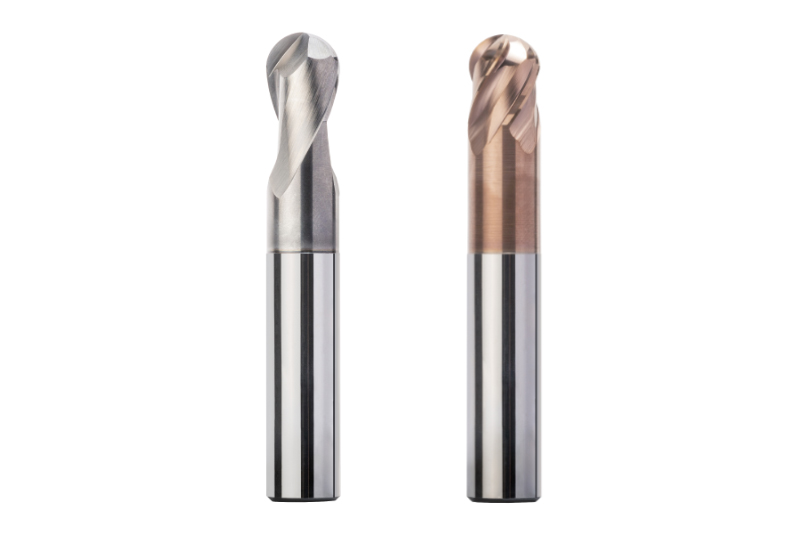

Sgrossatura
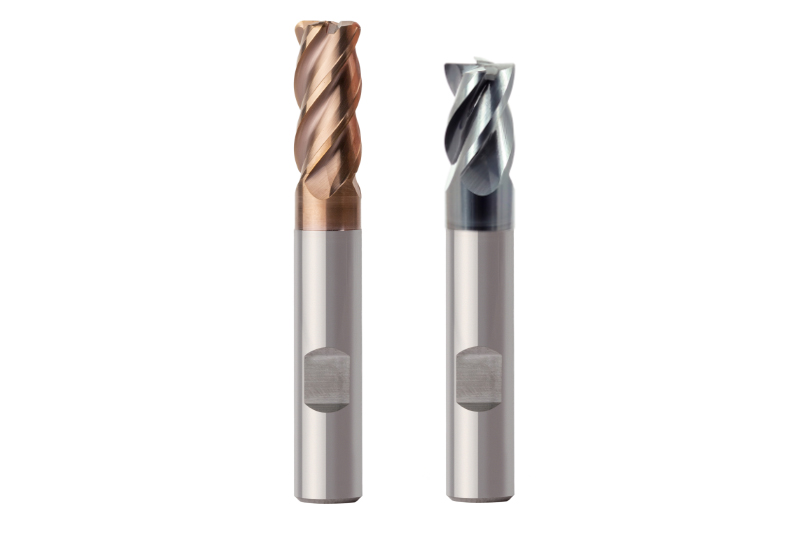
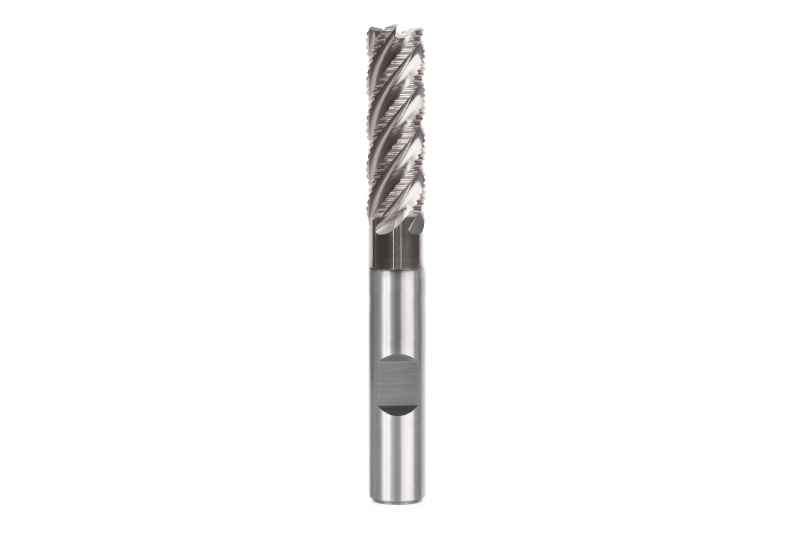
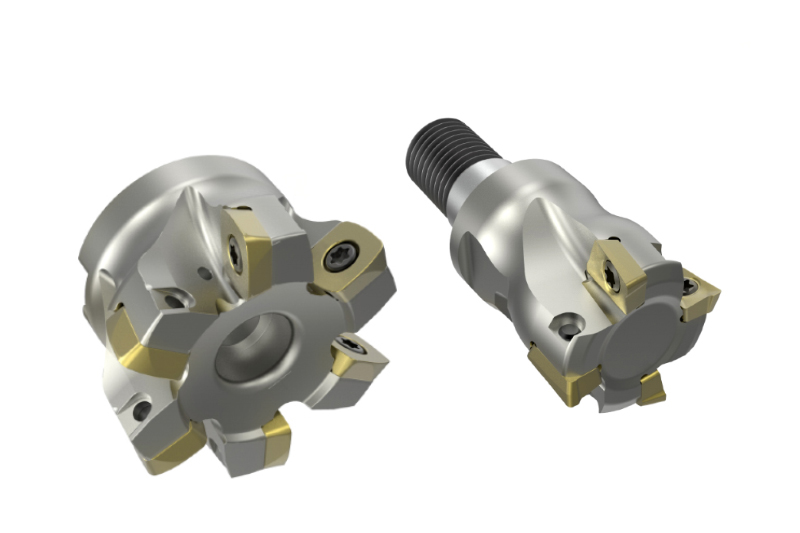
L’operazione di sgrossatura è responsabile di gran parte del volume di truciolatura. Speciali strategie di fresatura come la lavorazione ad alto avanzamento o la fresatura trocoidale sono in grado di ridurre il tempo di lavorazione e quindi di aumentare la redditività. Oltre agli utensili con inserti a fissaggio meccanico e alle frese in metallo duro integrale, vengono impiegate anche frese ad alte prestazioni con una speciale geometria di sgrossatura.
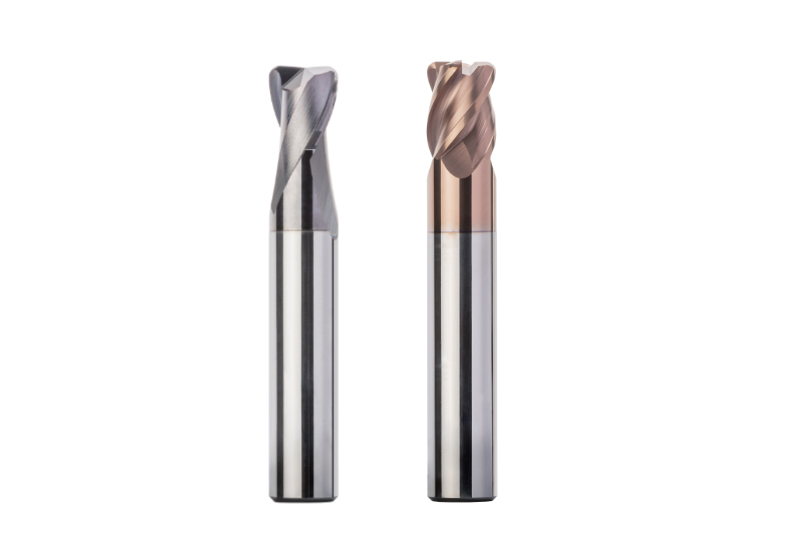
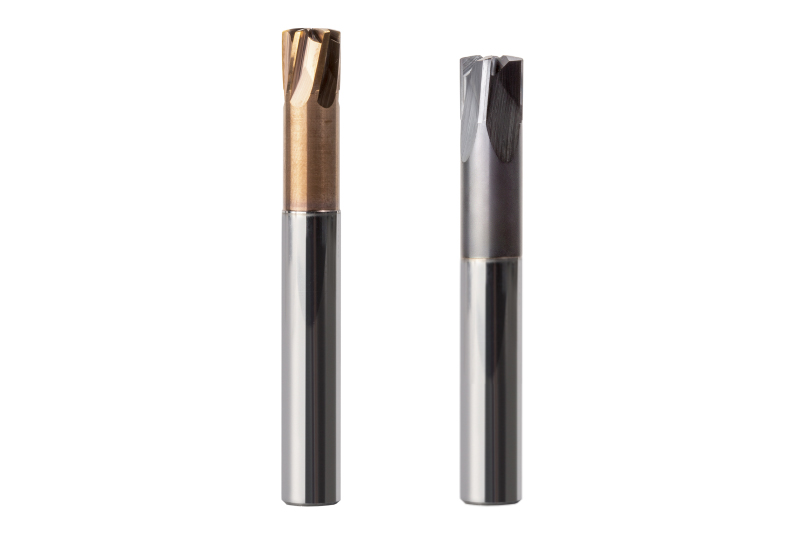
Zgrubna obróbka resztkowa
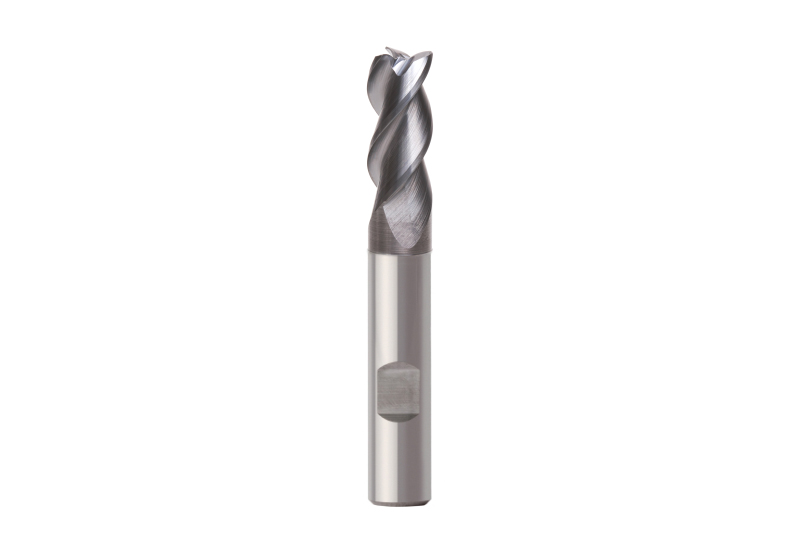
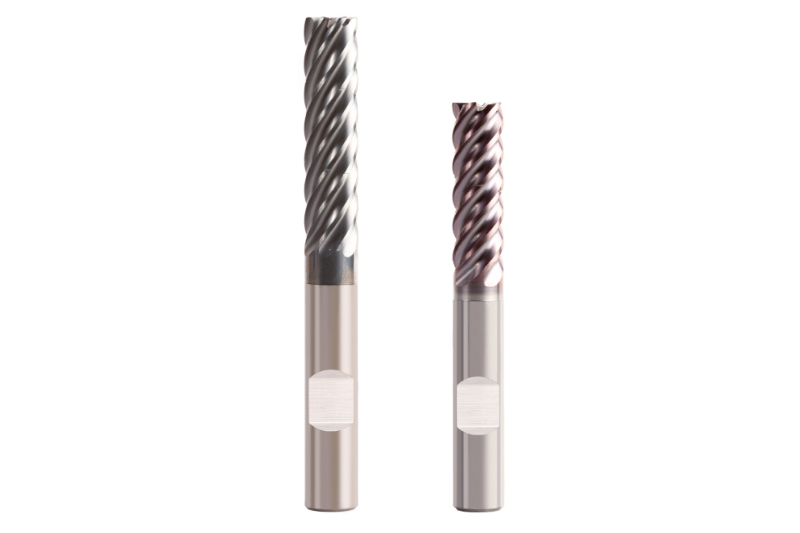
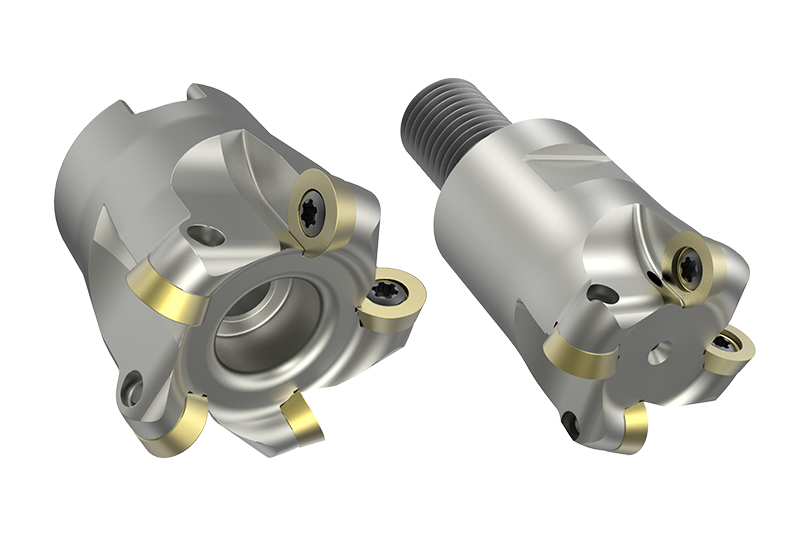
Po obróbce zgrubnej użytkownicy w drugim etapie obróbki obrabiają pozostały materiał, zwłaszcza w narożnikach i wnękach, do możliwie stałego naddatku. Z reguły stosuje się narzędzia z promieniem narożnym lub frezy o wysokim posuwie. W razie potrzeby pozostały materiał w narożnikach można również usunąć za pomocą frezu kulistego.
Vorschlichten
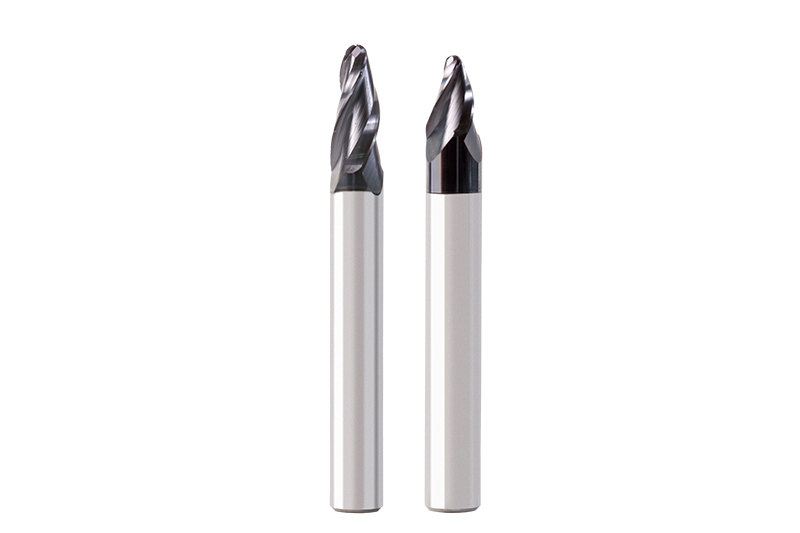
Bei hohen Anforderungen an Maßhaltigkeit und Oberflächengüte empfiehlt sich vor dem Schlichten eine Semi-Schlichtbearbeitung. Mit dem Vorschlichten nähert sich die Bearbeitung dem endgültigen Formprofil an. Ziel ist es, ein möglichst konstantes Restmaterial zu erhalten, um ein schnelles Schlichten mit hohen Anforderungen an die Oberflächenqualität zu ermöglichen. Das Aufmaß nach dem Schruppen beträgt ca. 0,5-1 mm bei gehärteten Materialien und 0,03-0,5 mm bei weichen Materialien. Nach dem Vorschlichten betragen die konstanten Aufmaße 0,05-0,1 mm bei gehärteten Materialien beziehungsweise 0,1-0,3 mm bei weichen Materialien.
Schlichten
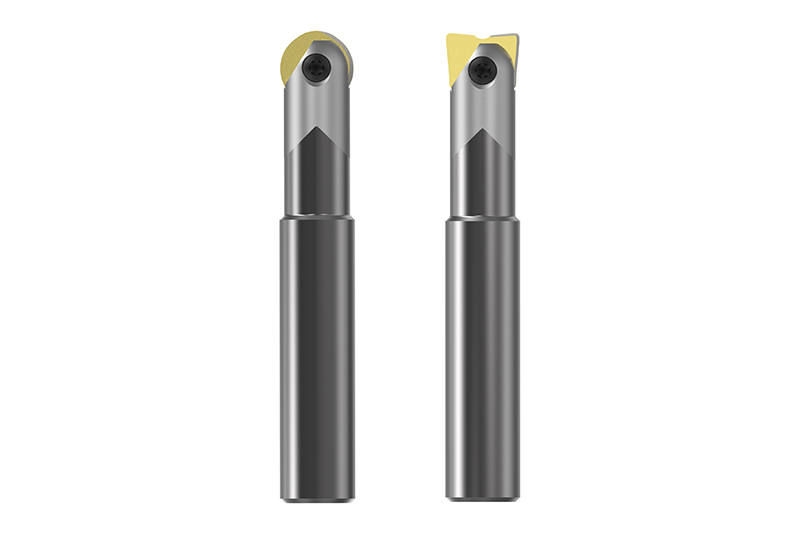
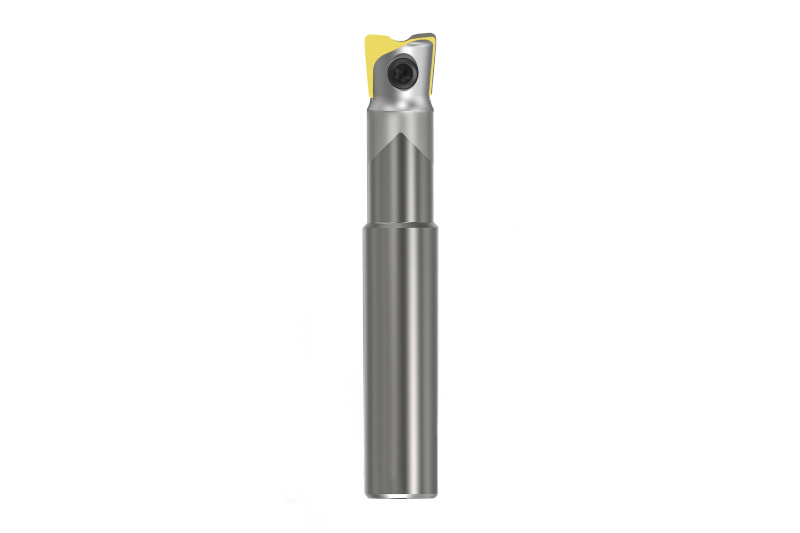
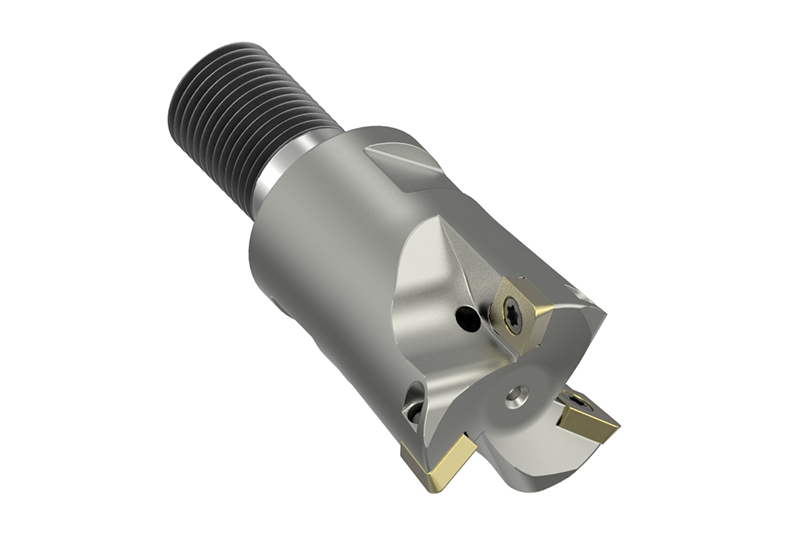
Die Schlichtbearbeitung trägt das verbleibende Aufmaß ab, um die finale Form zu erreichen. Nach der Vorschlichtbearbeitung beträgt dies 0,05-0,1 mm bei gehärteten Materialien beziehungsweise 0,1-0,3 mm bei weichen Materialien. Kugel- und/oder Eckradiusfräser sind das Mittel der Wahl, abhängig von den finalen Konturen des Werkstücks.
Restmaterial schlichten
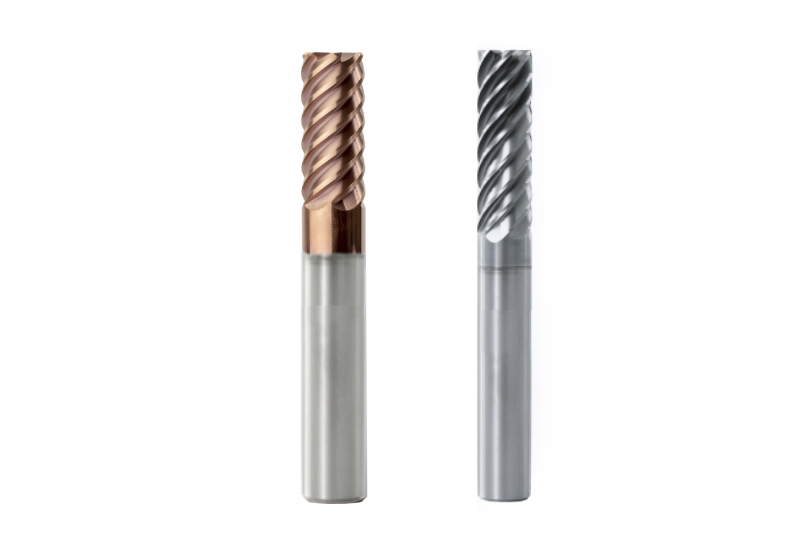
Die immer komplexeren Eigenschaften der herzustellenden Formen erfordern nach der Schlichtbearbeitung ein Fräsen des Restmaterials, hauptsächlich in den Ecken. Hierfür kommen in der Regel Kugelfräser aus Vollhartmetall zum Einsatz.