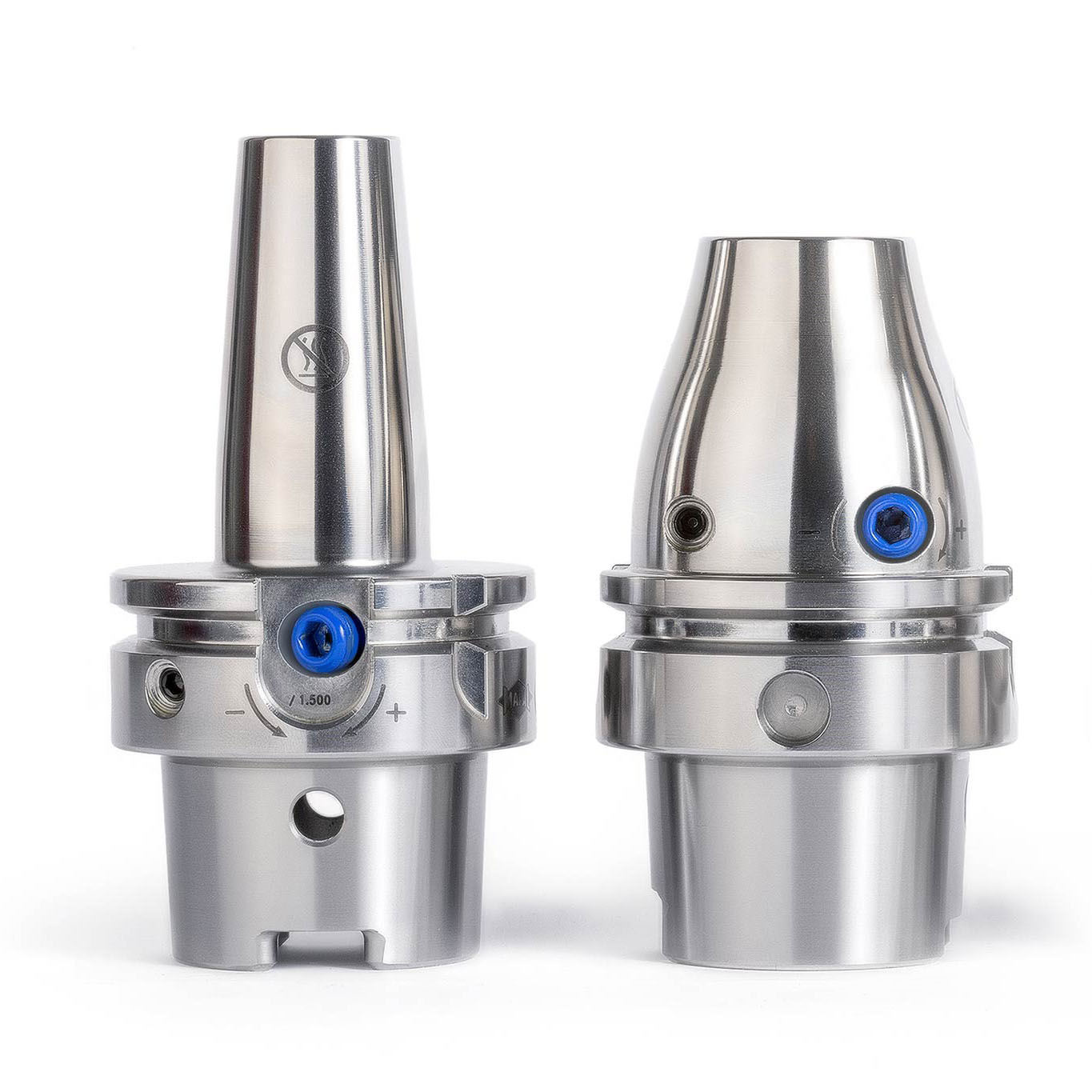
Bearbeitung von 3D-Flächen
Im Werkzeug- und Formenbau ist die Herstellung komplexer werdender Formen Alltag. Kontinuierliche Weiterentwicklungen bei Werkzeugmaschinen und CAM-Software heben die Leistungsfähigkeit und Produktivität auf ein immer höheres Niveau. Somit müssen auch die eingesetzten Werkzeuge stets dem neuesten Stand der Technik entsprechen. Um hier ein Optimum zu erreichen, steht eine Prozessanalyse am Beginn der Auslegung.
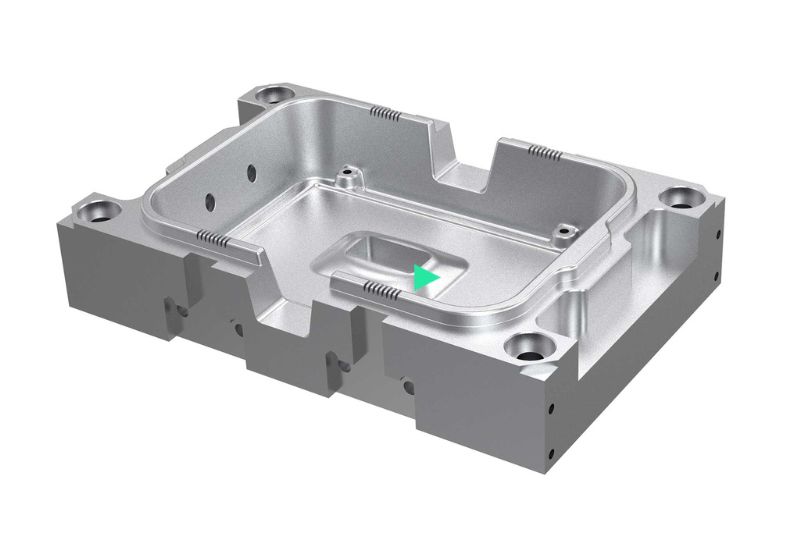
Werkzeugübersicht für folgende Bearbeitungsschritte:
Desbastado
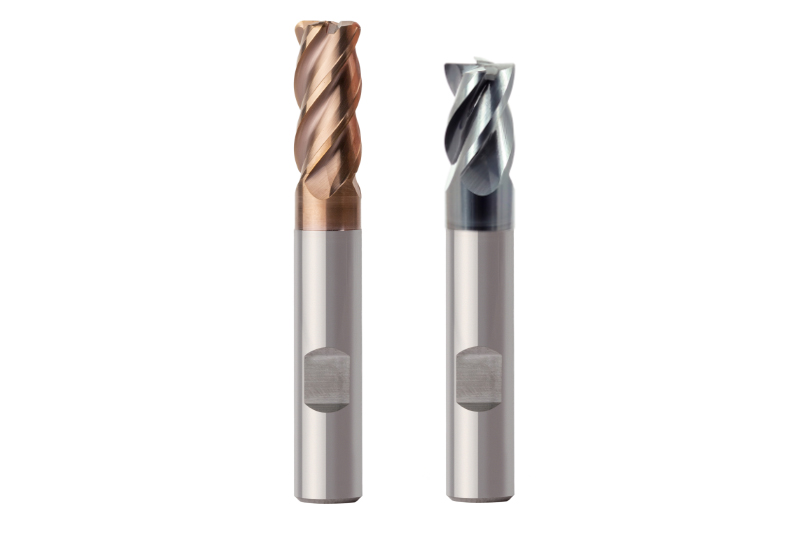
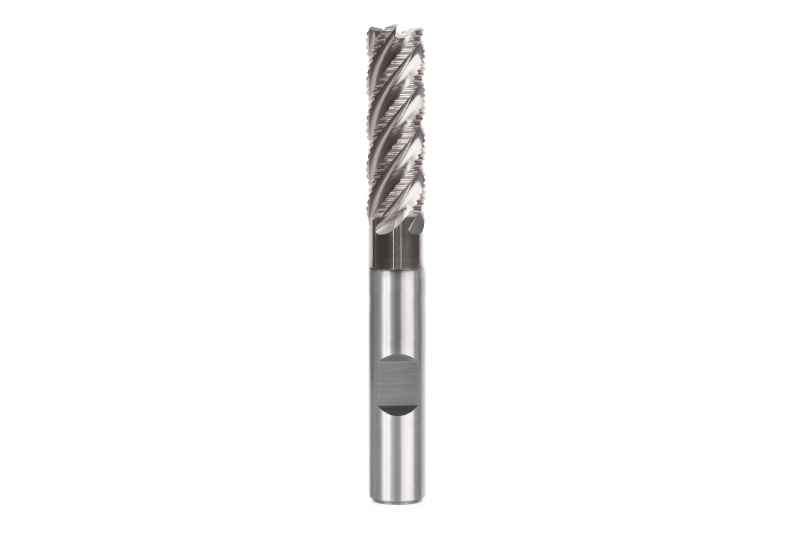
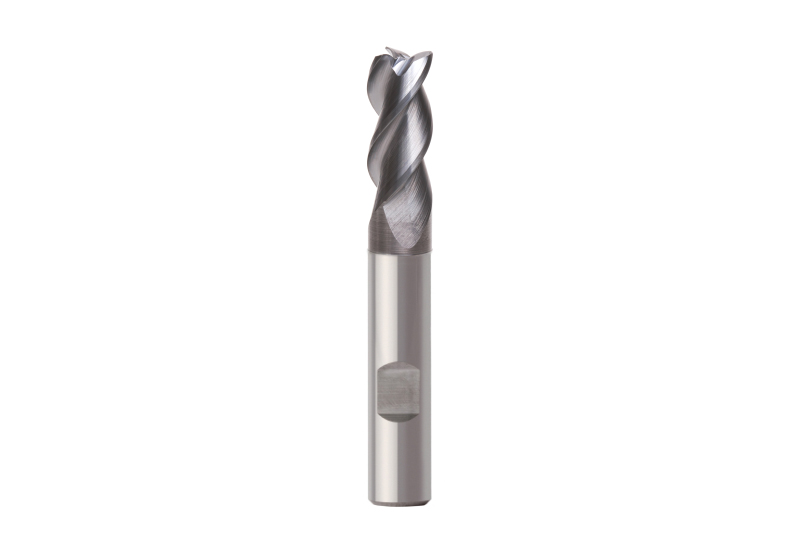
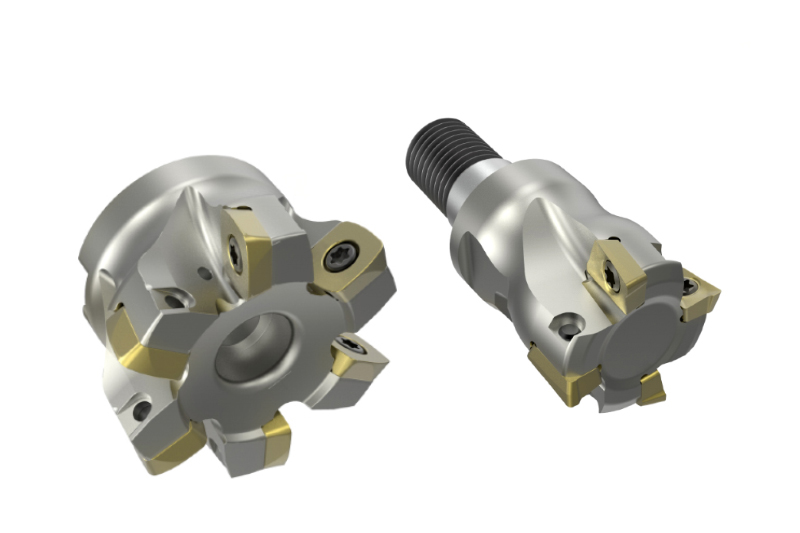
El desbastado abarca prácticamente toda la tarea de mecanizado. Optar por estrategias de fresado especiales como el mecanizado de gran avance o el fresado trocoidal puede reducir el tiempo de mecanizado y, por tanto, aumentar la rentabilidad. Aparte de las herramientas con insertos de corte y fresas de metal duro, se emplearán fresas de alto rendimiento con formas de desbastado especiales.
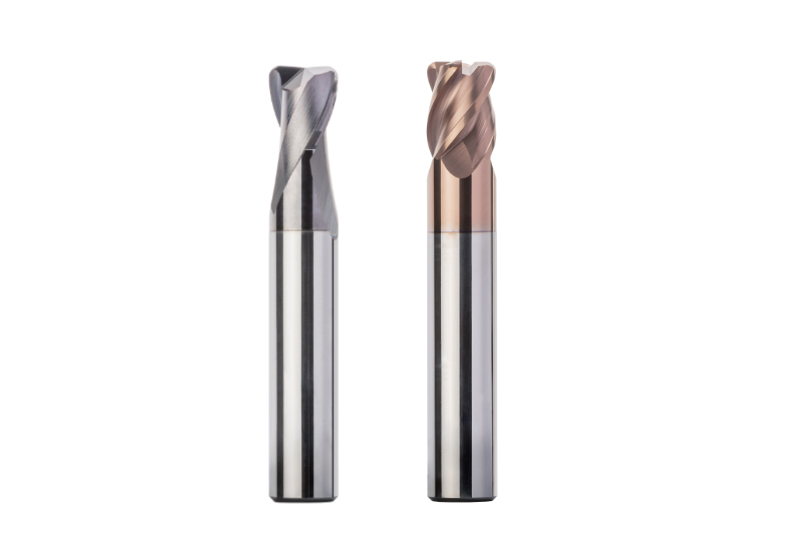
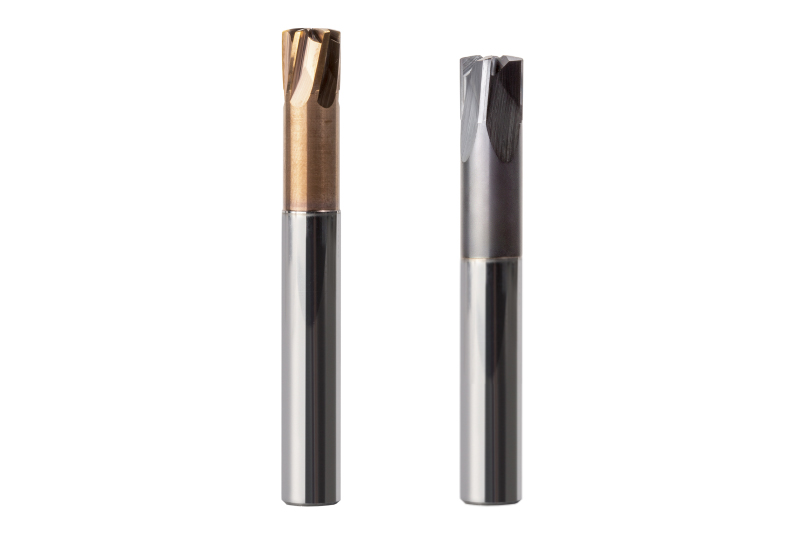
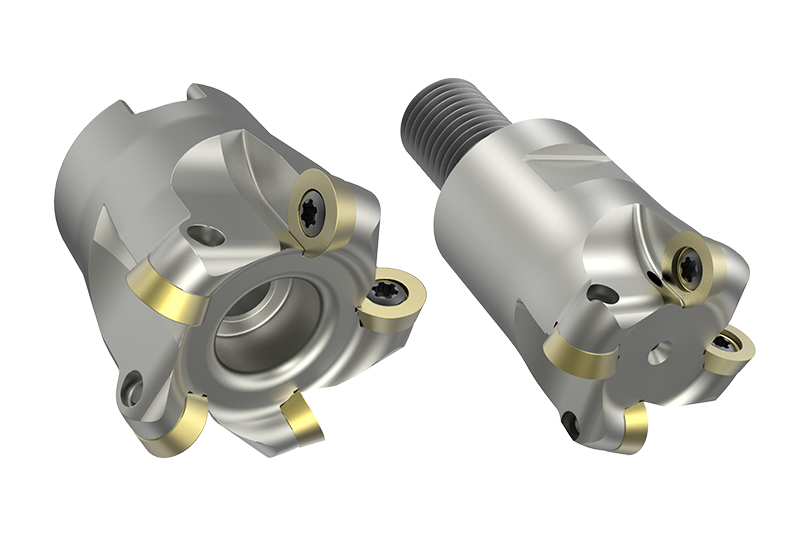
Desbastado de material residual
Tras el desbastado, los usuarios mecanizarán previamente en un segundo paso de mecanizado el material residual, en concreto, las esquinas y cavidades a la cota más constante posible. Normalmente, se usan herramientas con radios en los filos o fresa de alto avance. En caso necesario, una fresa esférica podría quitar también el material residual de las esquinas.
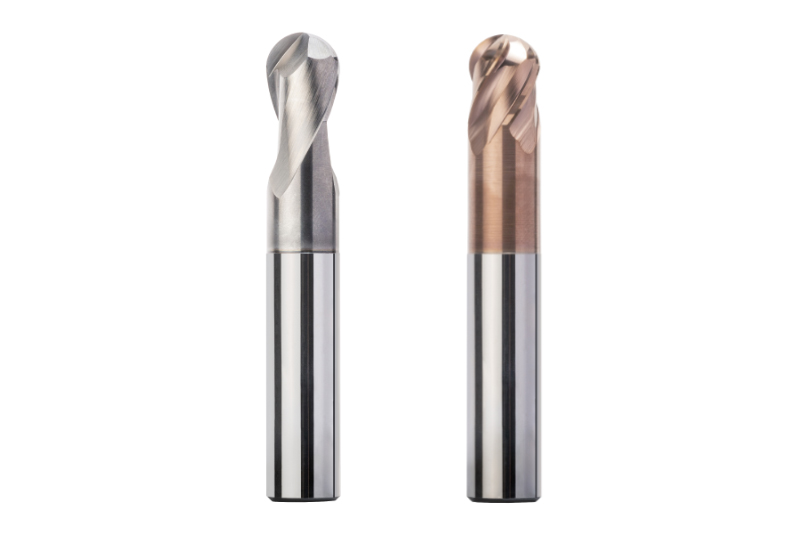
Semiacabado
En caso de altos requisitos de precisión dimensional y calidad superficial, se recomienda un mecanizado de semiacabado antes del alisado. Con el semiacabado, el mecanizado se aproxima al perfil final del moldeado. El objetivo es mantener lo más constante posible el material residual que permita el alisado rápido muy exigente de la calidad superficial. La medida tras el desbastado será de aprox. 0,5-1 mm en el caso de los materiales templados y 0,03-0,5 mm en el de los materiales blandos. Tras el semiacabado, las medidas constantes serán 0,05-0,1 mm en el caso de los materiales templados o 0,1-0,3 mm en el de los materiales blandos.
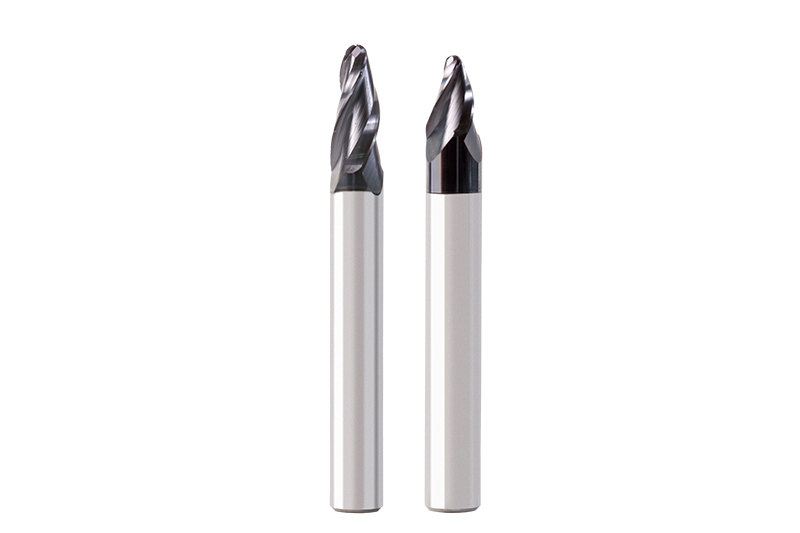
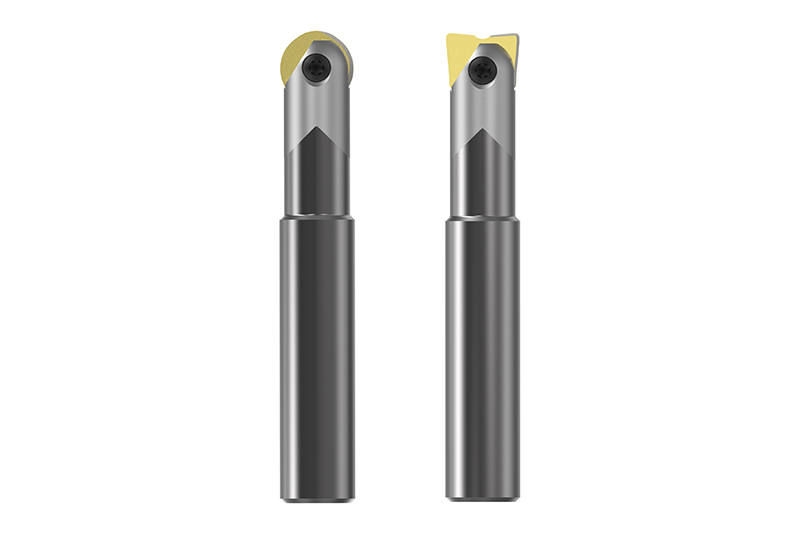
Alisado
El mecanizado de alisado nivela la medida restante para conseguir la forma final. Tras el mecanizado de semiacabado, serán 0,05-0,1 mm en el caso de los materiales templados o 0,1-0,3 mm en el de los materiales blandos. La elección correcta serán la fresa esférica y la fresa de radio angular, en función de los perfiles finales de la pieza.
Restmaterial schlichten
Die immer komplexeren Eigenschaften der herzustellenden Formen erfordern nach der Schlichtbearbeitung ein Fräsen des Restmaterials, hauptsächlich in den Ecken. Hierfür kommen in der Regel Kugelfräser aus Vollhartmetall zum Einsatz.