Gehäuse für die Energieversorgung
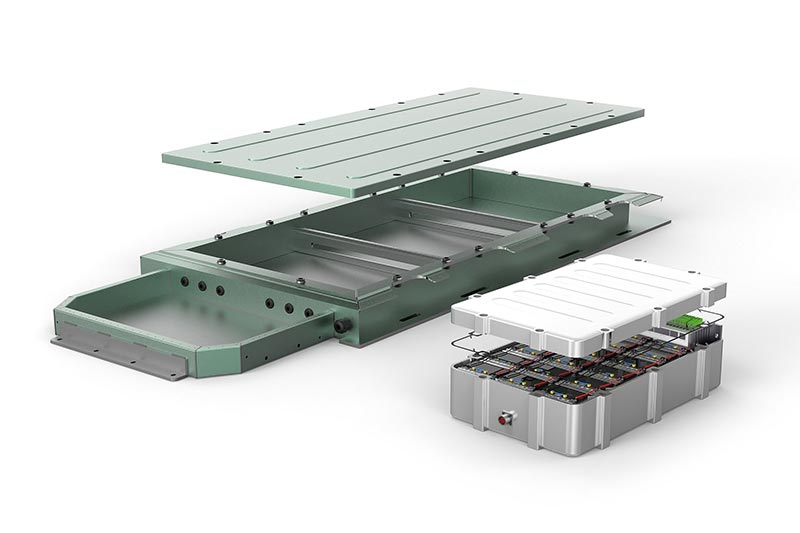
Für den Schutz elektronischer Bauteile, wie beispielsweise Batteriesystem oder Leistungselektronik, vor äußeren Umwelteinflüssen und zur Fixierung der Komponenten im Innenraum, um deren störungsfreie Funktion während des Fahrzeugbetriebes zu gewährleisten, werden unterschiedliche Gehäuse eingesetzt. Die Anforderungen an die Gehäuse sind abhängig vom elektronischen System und Antriebskonzept. Aktuell kommen unterschiedliche Werkstoffe und Fertigungsverfahren zum Einsatz.
MERKMALE
- Labile, dünnwandige Bauteile (vibrationsanfällig)
- Aufbau als gegossene Wanne oder als Rahmenkonstruktion aus Hohlprofilen
- Teilweise niedrig-siliziumhaltiges Aluminium
- Großflächig (2 x 3 m)
- Hauptsächlich Bohr- und Fräsoperationen und Gewinden
- Genauigkeits- und Oberflächenanforderungen bei Kabeldurchführungen und Kühlanschlüssen


Werkzeugübersicht
-
 1 / 9
1 / 9Standardprogramm zur Bearbeitung von Strukturbauteilen aus Aluminium
- Hoch positive Schneidengeometrie
- Reduzierte Schnittkräfte
- Vibrationsarmer Schnitt
-
2 / 9
OptiMill-SPM-Rough
- Vibrationsarmes Schruppen mit großer Schnitttiefe
-
3 / 9
OptiMill-SPM
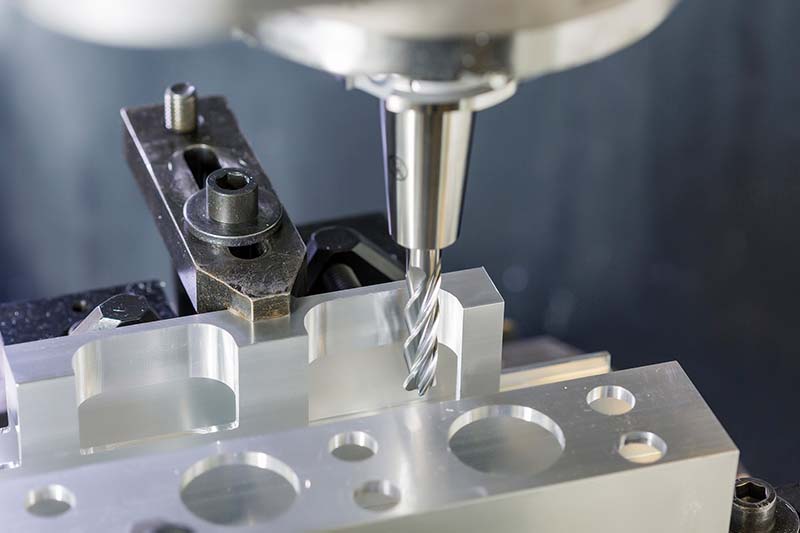
- Ideal zur Herstellung von Durchbrüchen oder Taschen
- Ausführung aus Vollhartmetall oder mit gelöteten PKD-Schneiden
-
4 / 9
OptiMill-SPM-Finish
- Schlichten von großen Tiefen in einem Zug
- Starke Performance bei hohen Umschlingungen
-
5 / 9
Tritan-Drill-Alu
- Herstellung von Kernlochbohrungen
- Drei Schneiden für höchste Vorschübe
- Höchste Positioniergenauigkeit durch selbst zentrierende Querschneide
-
6 / 9
MEGA-Drill-Alu
- VHM-Bohrer
- Bohren mit geringer Zykluszeit
- Fokus auf Spanbildung
- Effektive Bohrprozesse bei größerer Anzahl an gleichen Durchmessern
-
7 / 9
FaceMill-Diamond-ES
- PKD-Planfräser
- Schruppen und Schlichten von Planflächen
- Planflächen mit unterschiedlichem Aufmaß mit einem Werkzeug bearbeiten
- Schrupp- und Schlichtoperationen möglich
-
8 / 9
OptiMill-Diamond-SPM
- Fresa PCD
- Operazioni di fresatura circolare di diversi diametri e superfici
- Riduzione dei cambi utensile grazie all'uso flessibile dell'utensile
-
9 / 9
OptiMill-Alu-HPC-Pocket
- Frese a spallamento retto
- Fresatura di tasche in materiali di alluminio
- Asportazione dei trucioli ottimale
- Stabilità ottimale


-
1 / 5
Fresa in PCD per esigenze di lavorazione speciali
-
2 / 5
Fresa in PCD con taglienti disposti in modo alternato
- Forze di taglio ridotte su tutta la profondità di lavorazione
-
3 / 5
Fresa in PCD a spirale
- Finitura di strutture a pareti sottili
-
4 / 5
Fresa elicoidale in PCD
- Rifilatura con grande profondità di passata assiale
-
5 / 5
Fresa a spianare in PCD
- Fresa a spianare con profondità di passata assiale fino a 10 mm
- Creazione di profili superficiali definiti per le superfici di tenuta e di contatto


Case studies from the energy supply sector
-
03.11.2022
Efficient deburring with robots
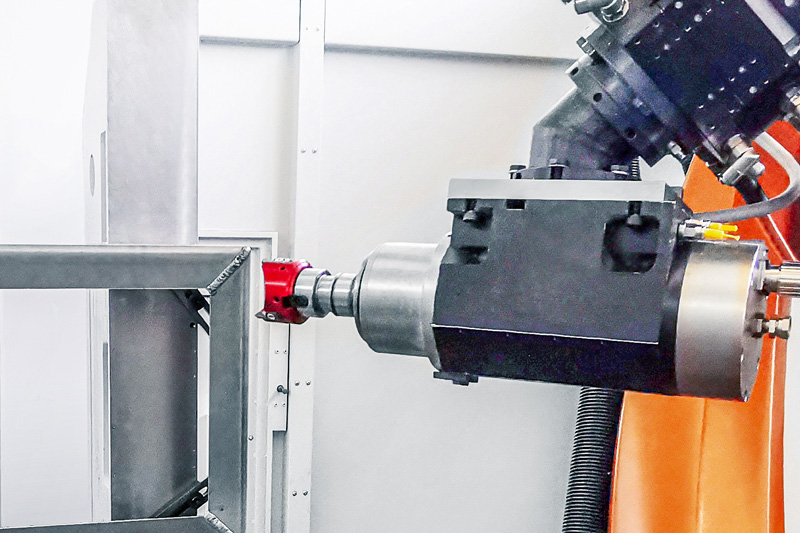
The FlyCutter from MAPAL is ideally suited for deburring battery trays. Robot manufacturer KADIA is enthusiastic about the PCD-tipped milling tool.
-
11.05.2023
A strategy for battery frames
MAPAL’s electric mobility experts have designed a generic component that encompasses the main machining operations of a battery frame.
-
12.07.2023
Milling instead of drilling
Why milling instead of drilling can be a sensible alternative? MAPAL shows how higher process reliability and shorter machining times can be achieved.