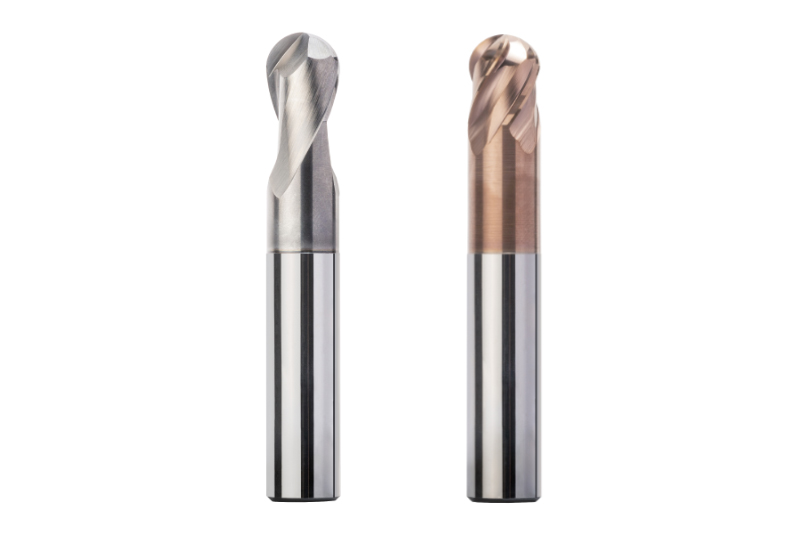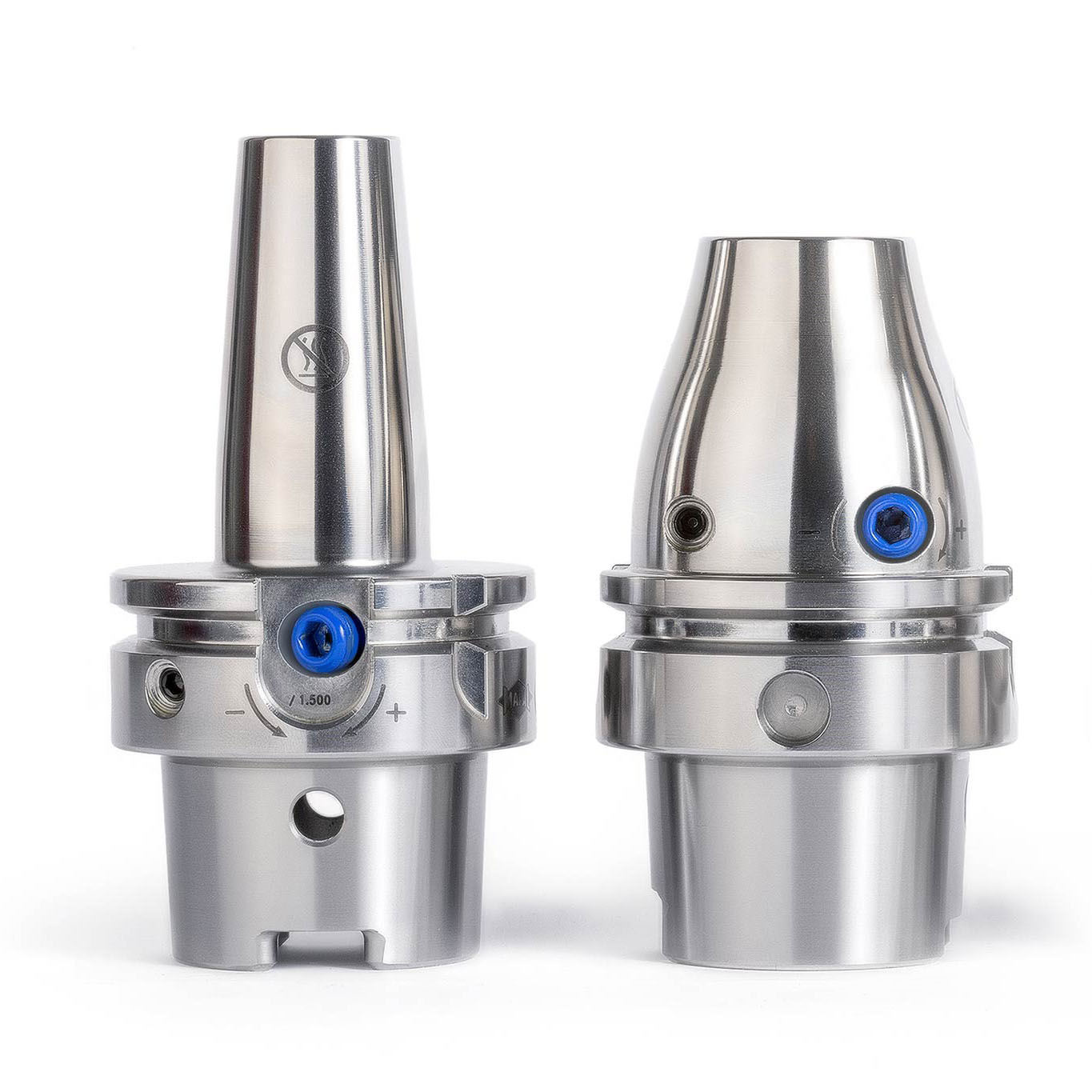
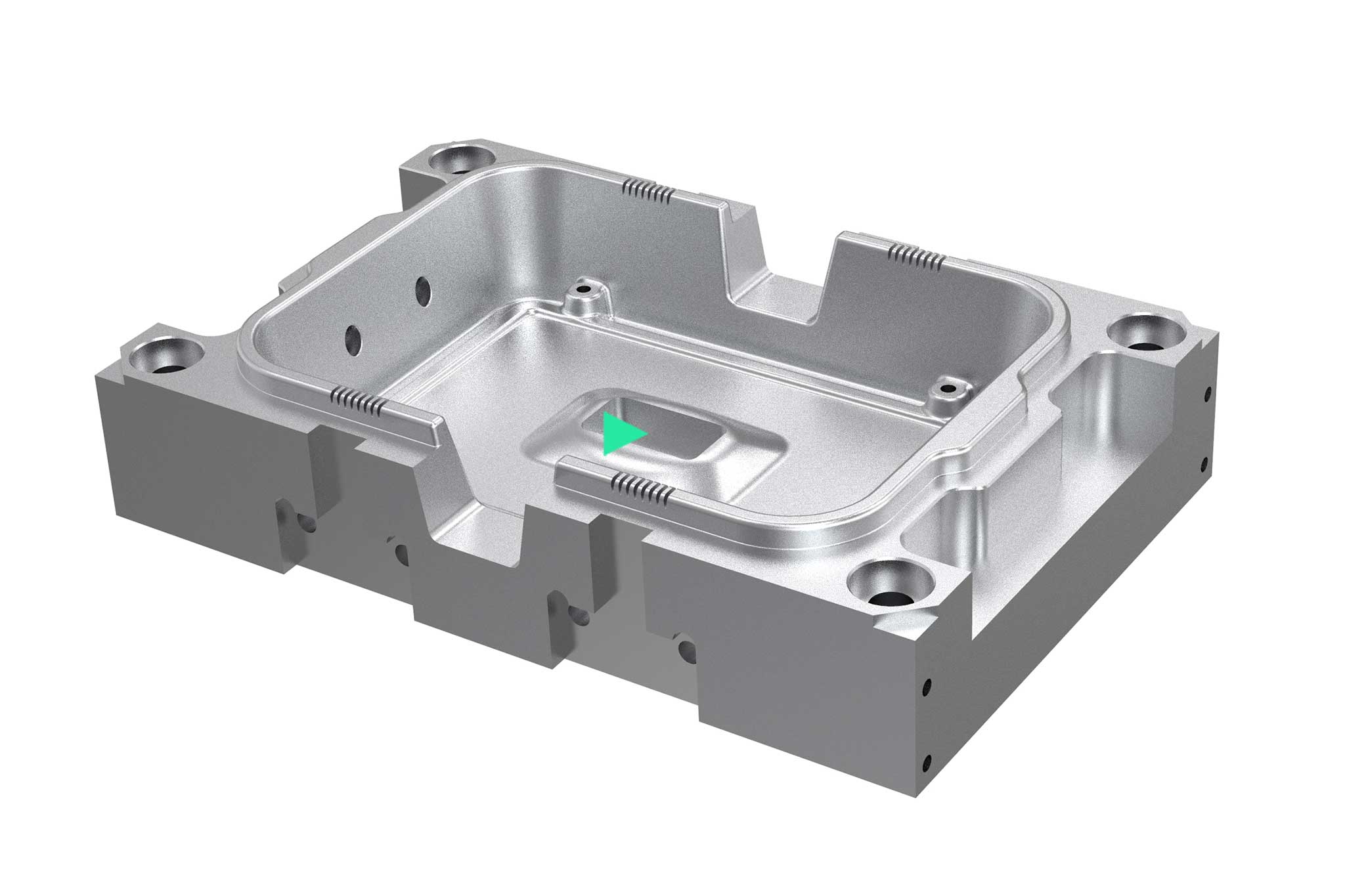
封闭型腔的加工
封闭型腔通常通过在Z平面上进行粗加工来产生。铣削时,通常选择通过斜坡开始加工。刀具的选择取决于墙壁的深度和要在组件上创建的起模斜度。具有模块化系统的MAPAL公司的广泛产品组合还包括大直径深型腔的加工。
Tool overview for the following machining steps:
Usinagem de desbaste de componentes
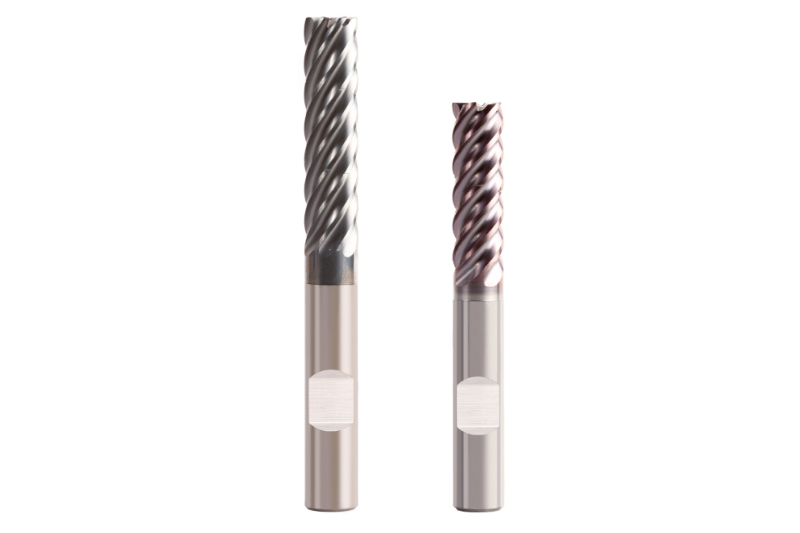
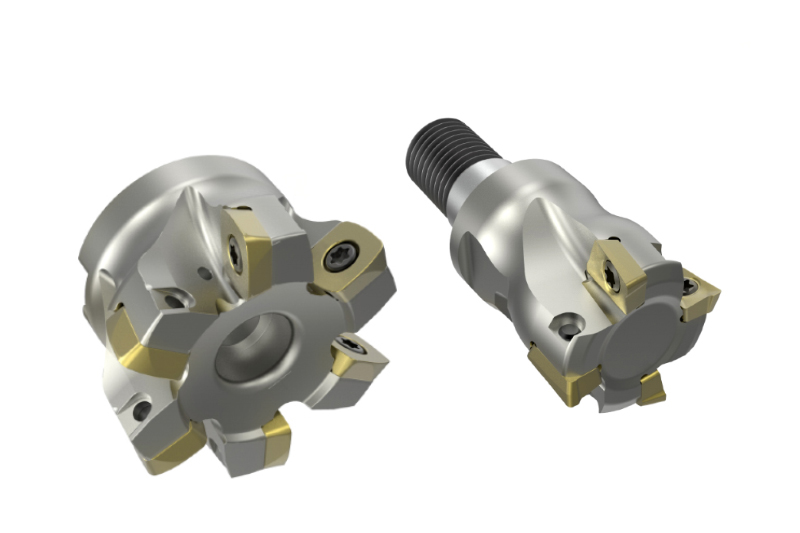
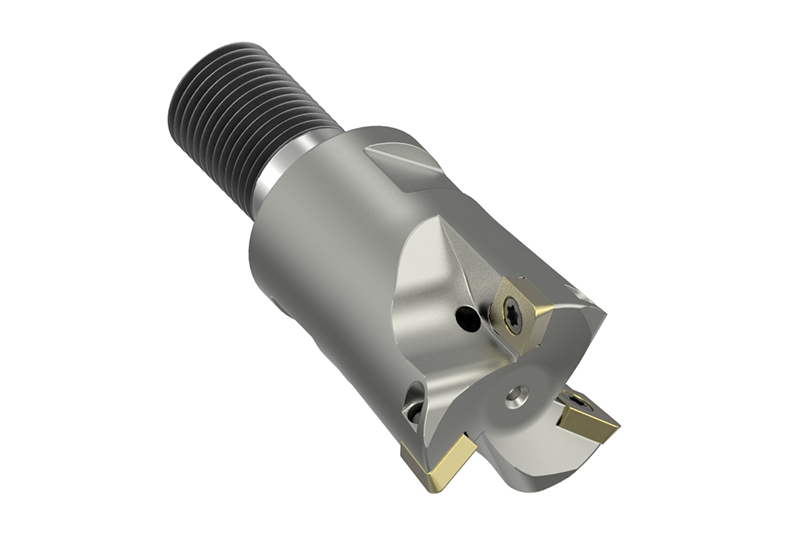
A operação de desbaste é responsável pela maior parte do volume de usinagem. Estratégias especiais de fresagem, tais como processamento de alto avanço ou fresagem trocoidal, podem reduzir o tempo de usinagem e, assim, aumentar a eficiência econômica. Além das ferramentas com pastilhas amovíveis e fresas de metal duro integral, são utilizadas fresas de alto desempenho com geometria de desbaste especial.
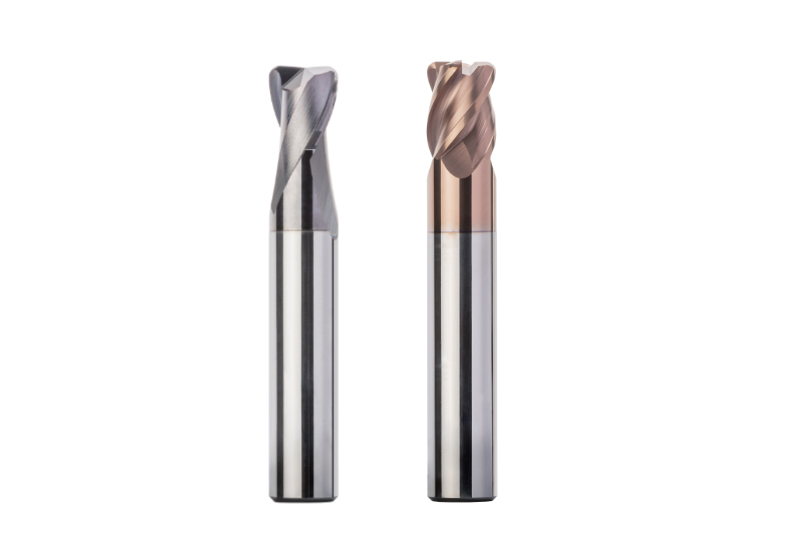
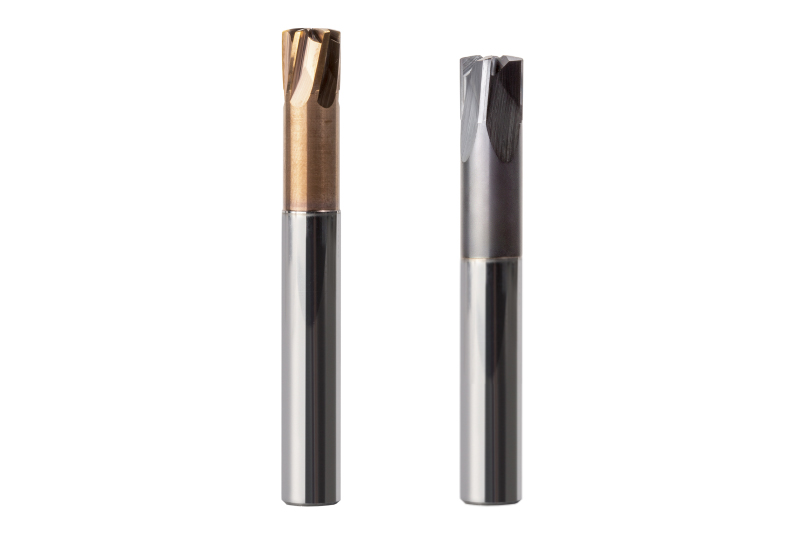
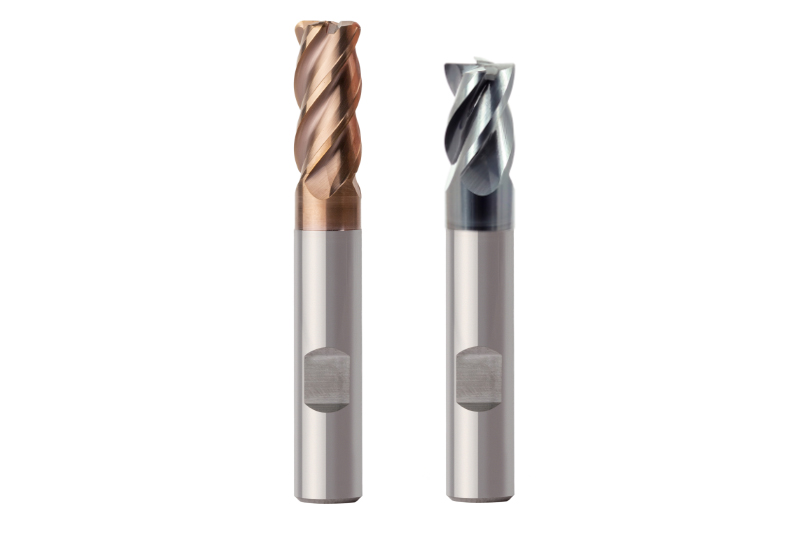
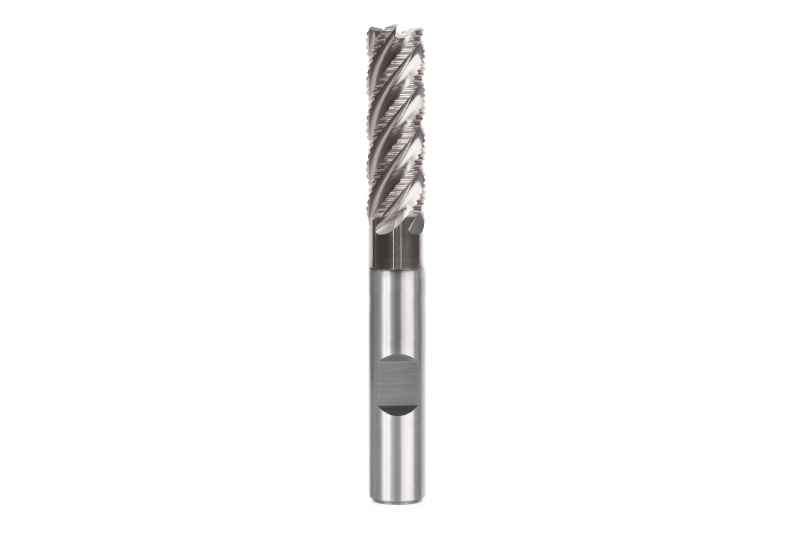
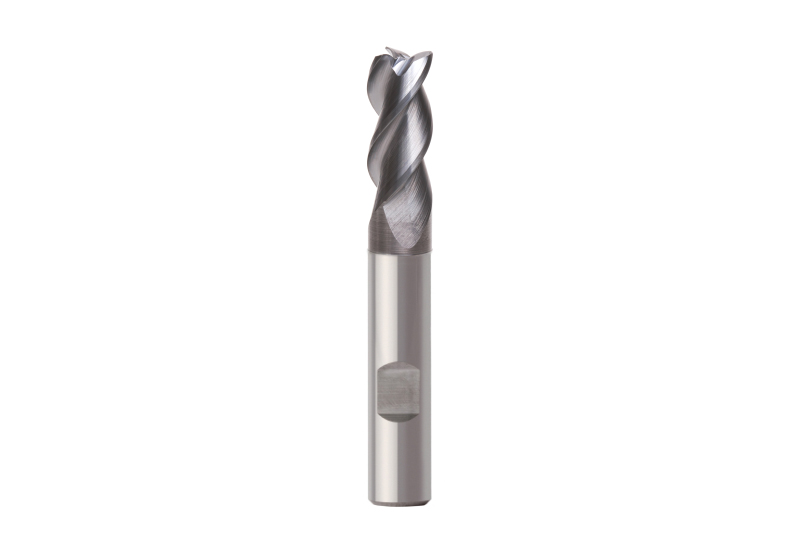
Material residual desbaste
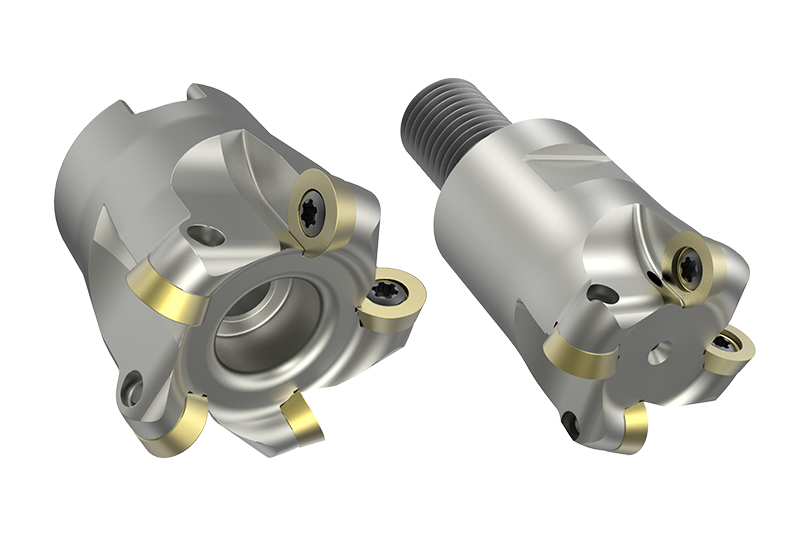
Após o desbaste, os usuários usinam o material residual, especialmente em cantos e cavidades, para uma tolerância o mais constante possível em uma segunda etapa de usinagem. Normalmente, são utilizadas ferramentas com raio da aresta ou fresa de alto avanço. Se necessário, uma fresa esférica também pode remover o material residual nos cantos.
Semiacabado
En caso de altos requisitos de precisión dimensional y calidad superficial, se recomienda un mecanizado de semiacabado antes del alisado. Con el semiacabado, el mecanizado se aproxima al perfil final del moldeado. El objetivo es mantener lo más constante posible el material residual que permita el alisado rápido muy exigente de la calidad superficial. La medida tras el desbastado será de aprox. 0,5-1 mm en el caso de los materiales templados y 0,03-0,5 mm en el de los materiales blandos. Tras el semiacabado, las medidas constantes serán 0,05-0,1 mm en el caso de los materiales templados o 0,1-0,3 mm en el de los materiales blandos.
Finishing
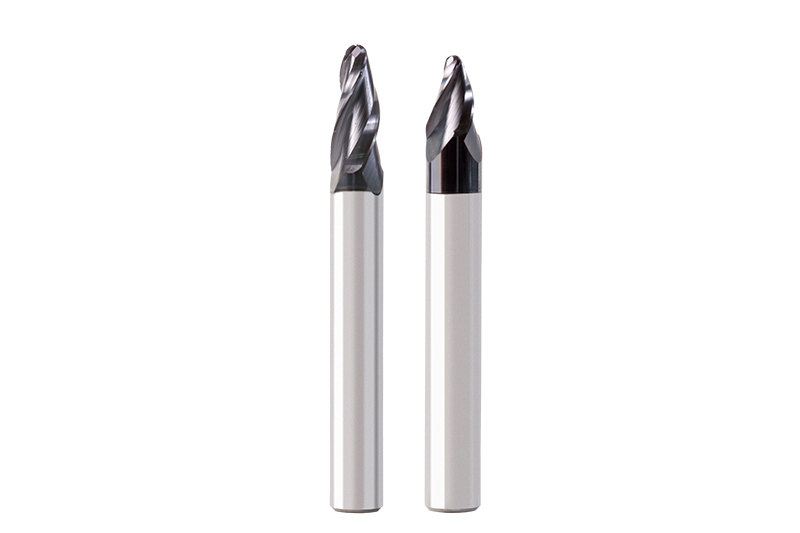
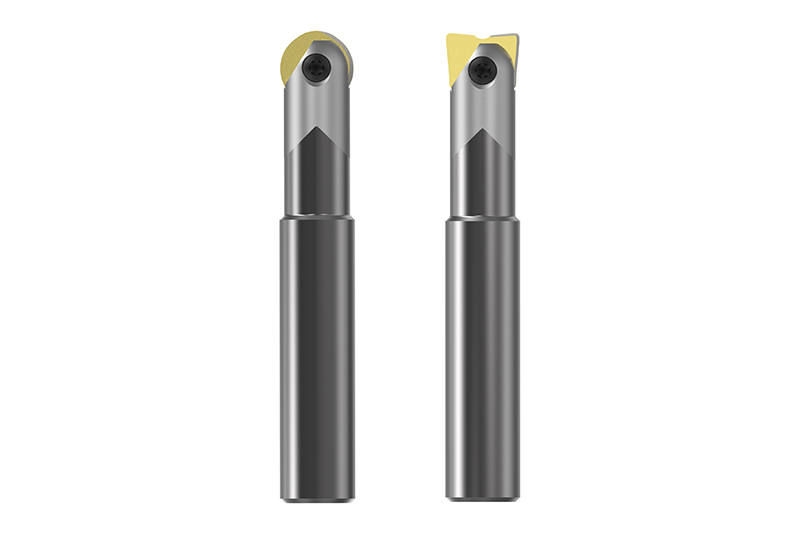
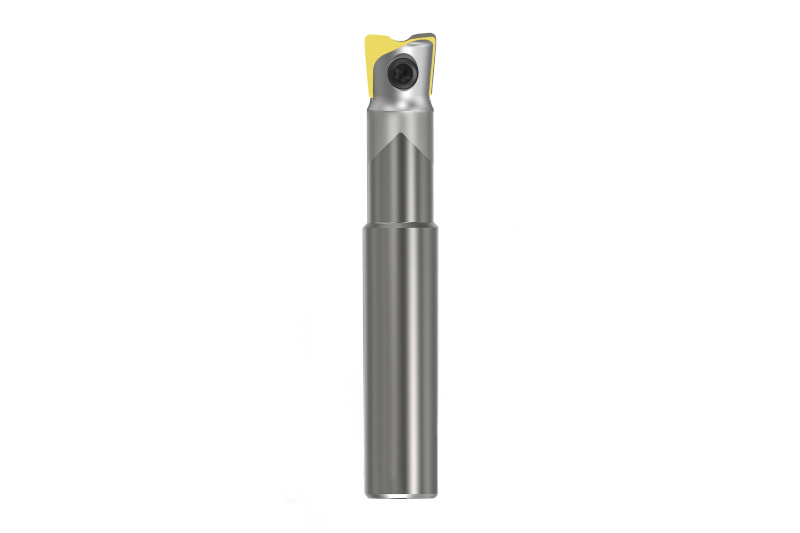
The finishing process removes the remaining material in order to achieve the final shape. After pre-finishing, stock removal is 0.05-0.1 mm for hardened materials or 0.1-0.3 mm for soft materials. Ball and/or corner radius milling cutters are the tools of choice, regardless of the final contours of the workpiece.
Finitura del materiale residuo
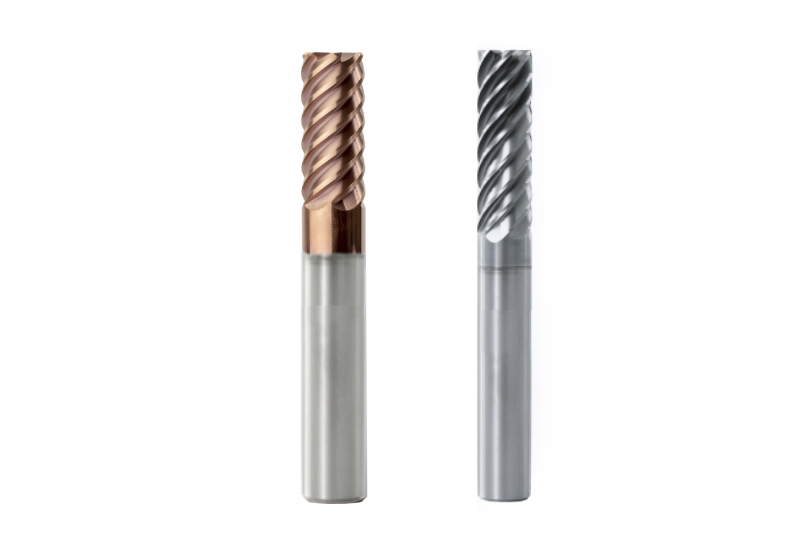
Le proprietà sempre più complesse degli stampi da produrre richiedono la fresatura del materiale residuo una volta conclusa la lavorazione di finitura, soprattutto negli angoli. A tale scopo, vengono di norma utilizzate frese a profilo sferico in metallo duro integrale.