Entraînements électriques

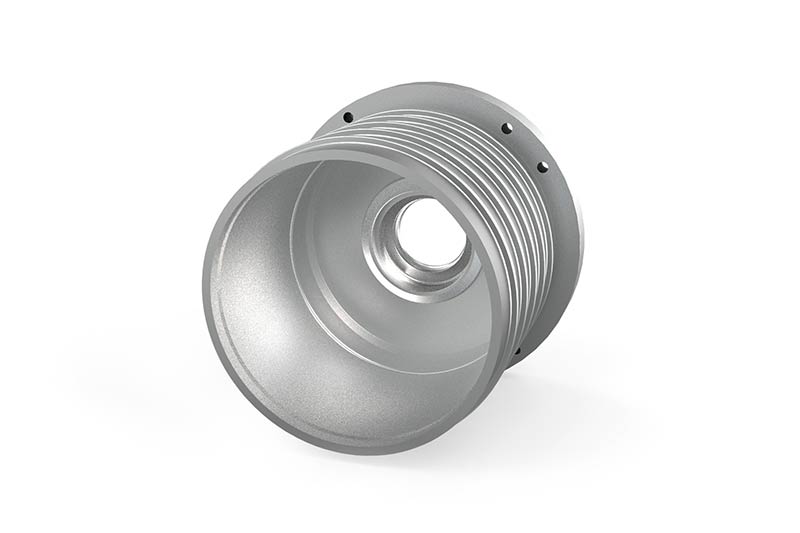
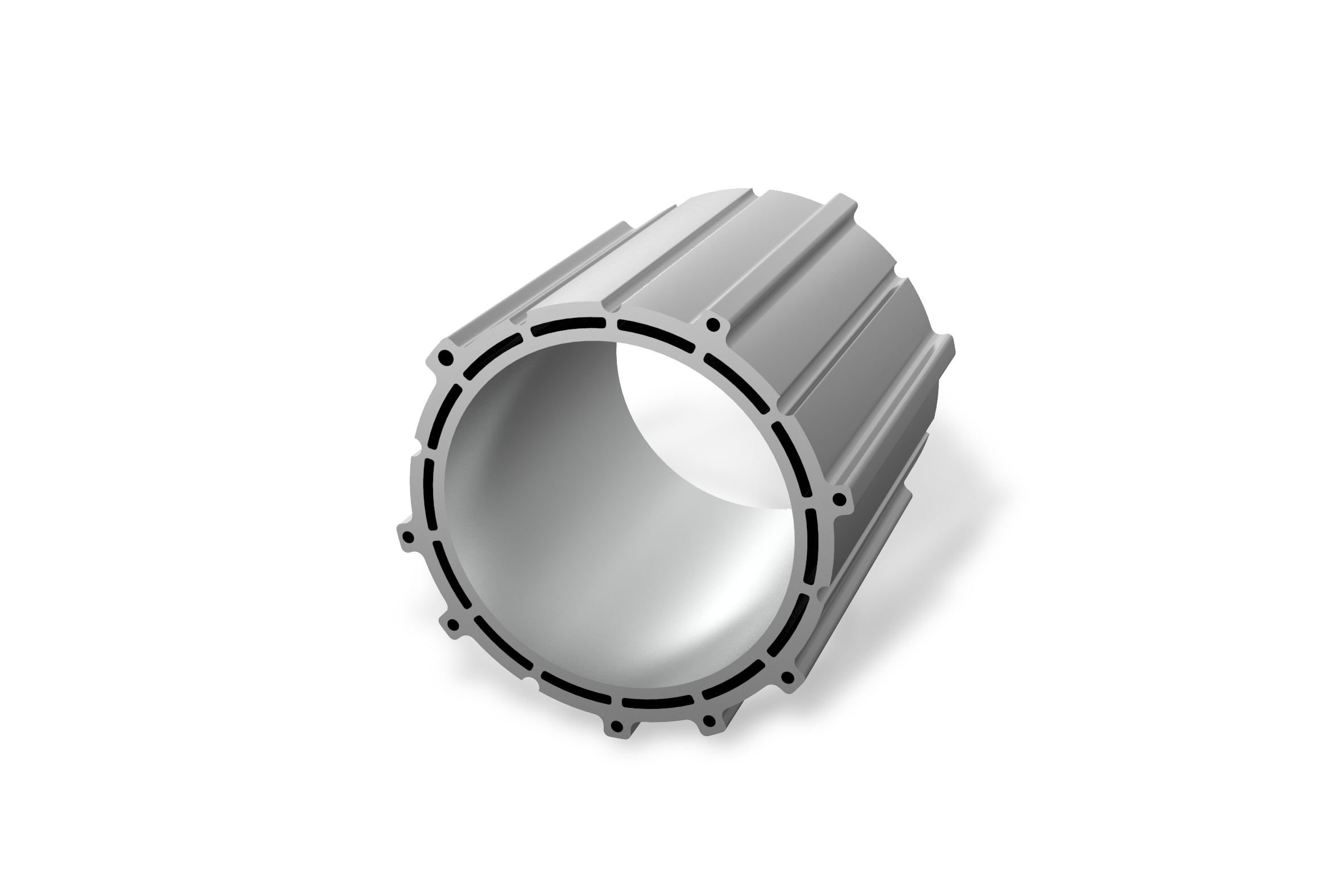
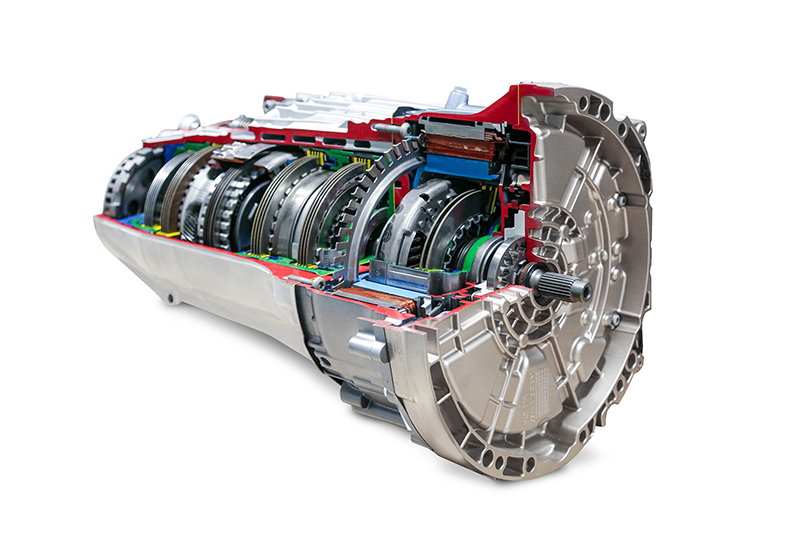
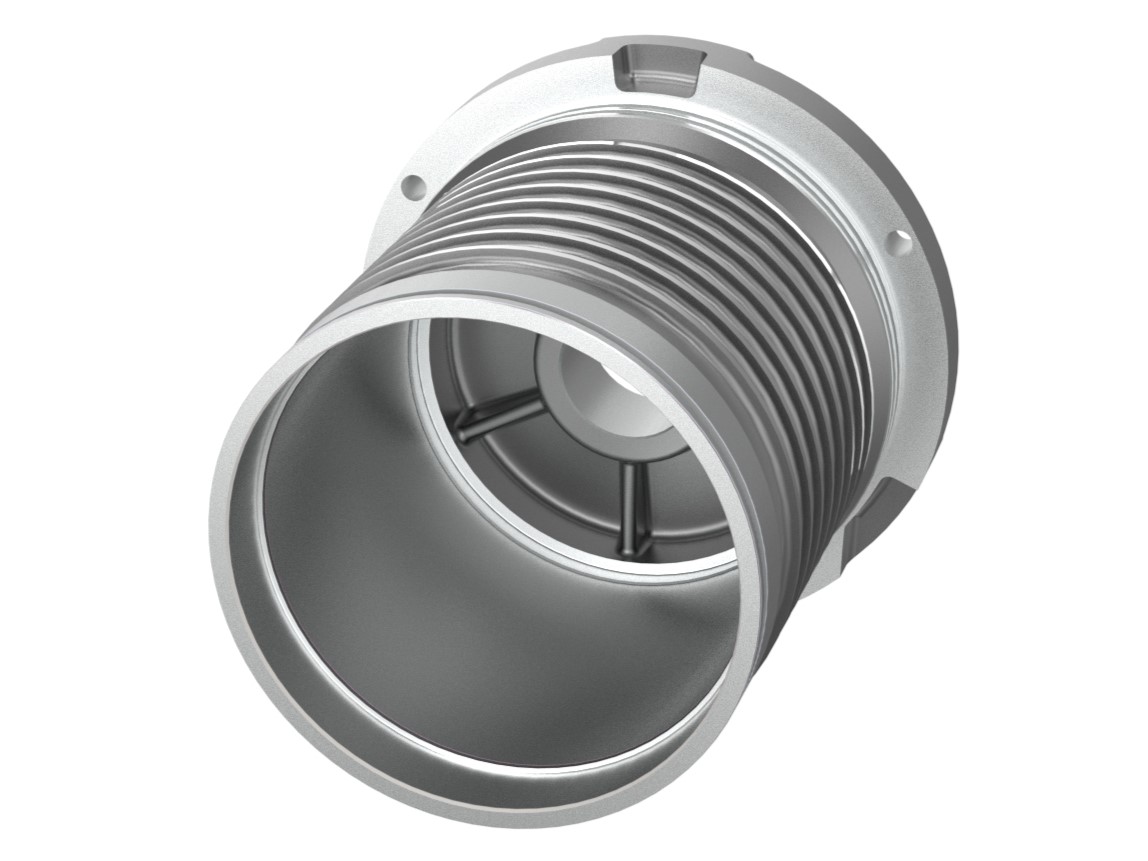
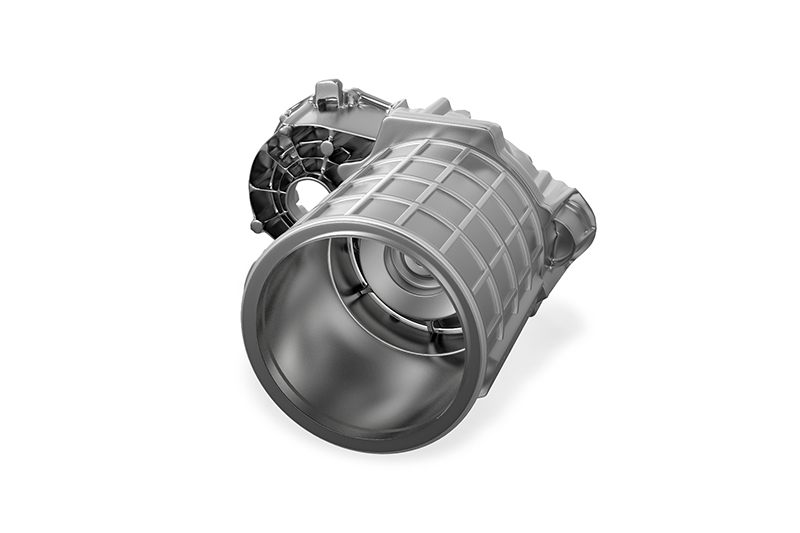
Les constructeurs et fournisseurs automobiles sont confrontés à de nouveaux défis concernant les composants pour moteurs électriques. Le boîtier d'un moteur électrique constitue un exemple de la complexité de ces défis : par rapport à un carter de boîte de vitesses, celui-ci doit être fabriqué dans des tolérances beaucoup plus restreintes, car la précision a une influence décisive sur le rendement du moteur électrique. 

De plus, les parois d'un boîtier de moteur électrique sont généralement nettement plus minces que celles d'un carter de boîte de vitesses du fait de sa conception spécifique (canaux de refroidissement intégrés, par exemple). En outre, des coussinets de palier en acier sont pressés dans certains de ces boîtiers. Des boucliers de protection spéciaux dans l'outil empêchent les copeaux d'acier d'entrer en contact avec les surfaces en aluminium lors de l'usinage et de les endommager. 

Exigences d'usinage et caractéristiques des différents types de boîtier

Basic procedure for machining of stator housings

The machining process as well as the tools are designed individually depending on the
measurement situation, machine park and clamping setup. In this way, the cutting forces
applied to the component are kept as low as possible. The machining of the stator bore is divided into 3 steps: Pre-machining, Semi-finish machining and Finish machining.
Basic procedure for machining of stator housings
Stator housing external machining

External Machining stator housing

External machining of stator housings for electric motors is a demanding task. These housings, which often come in tubular or pot-shaped designs, are crucial for the efficiency of the electric motor. Several challenges have to be overcome during the process. The thin-walled aluminium housings with integrated ribs for the cooling circuit require the highest precision in terms of diameter accuracy, shape and position tolerances. The concentricity between different diameters is of huge importance.

Pre-machining
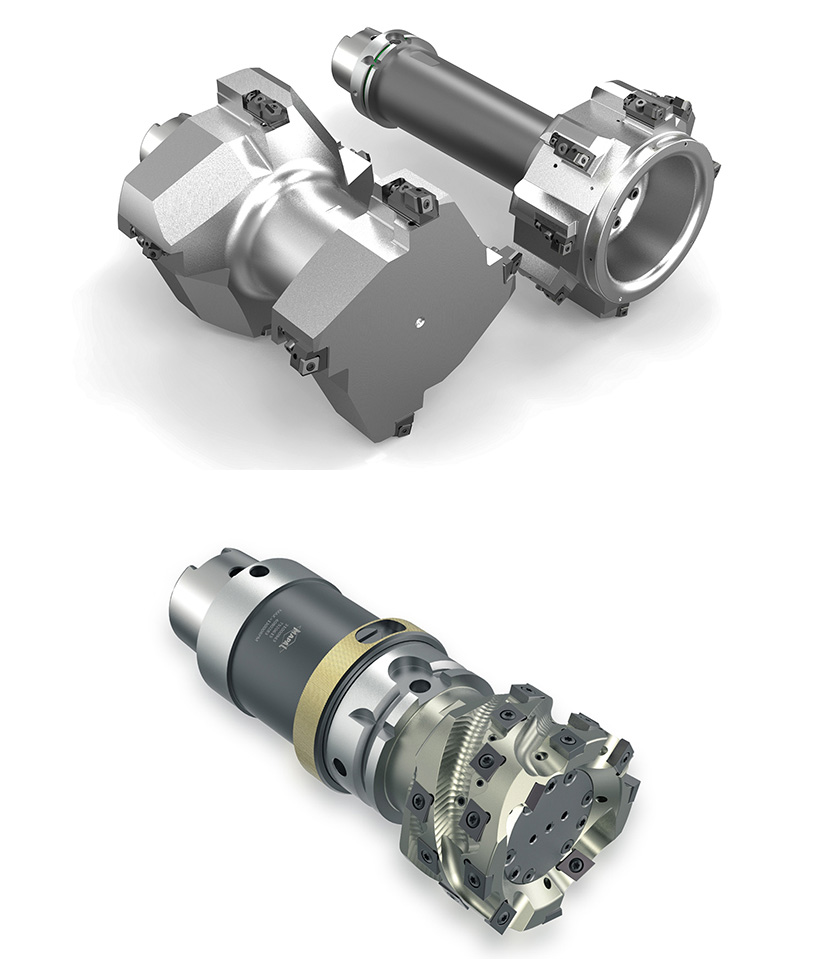
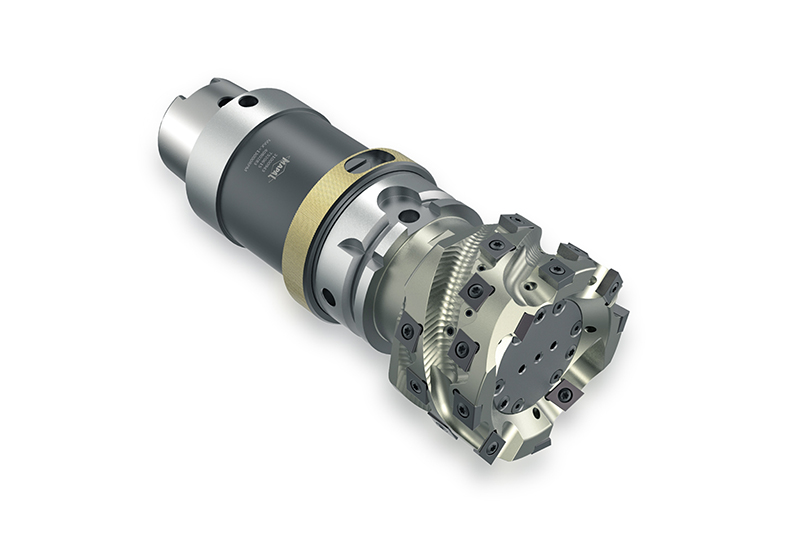
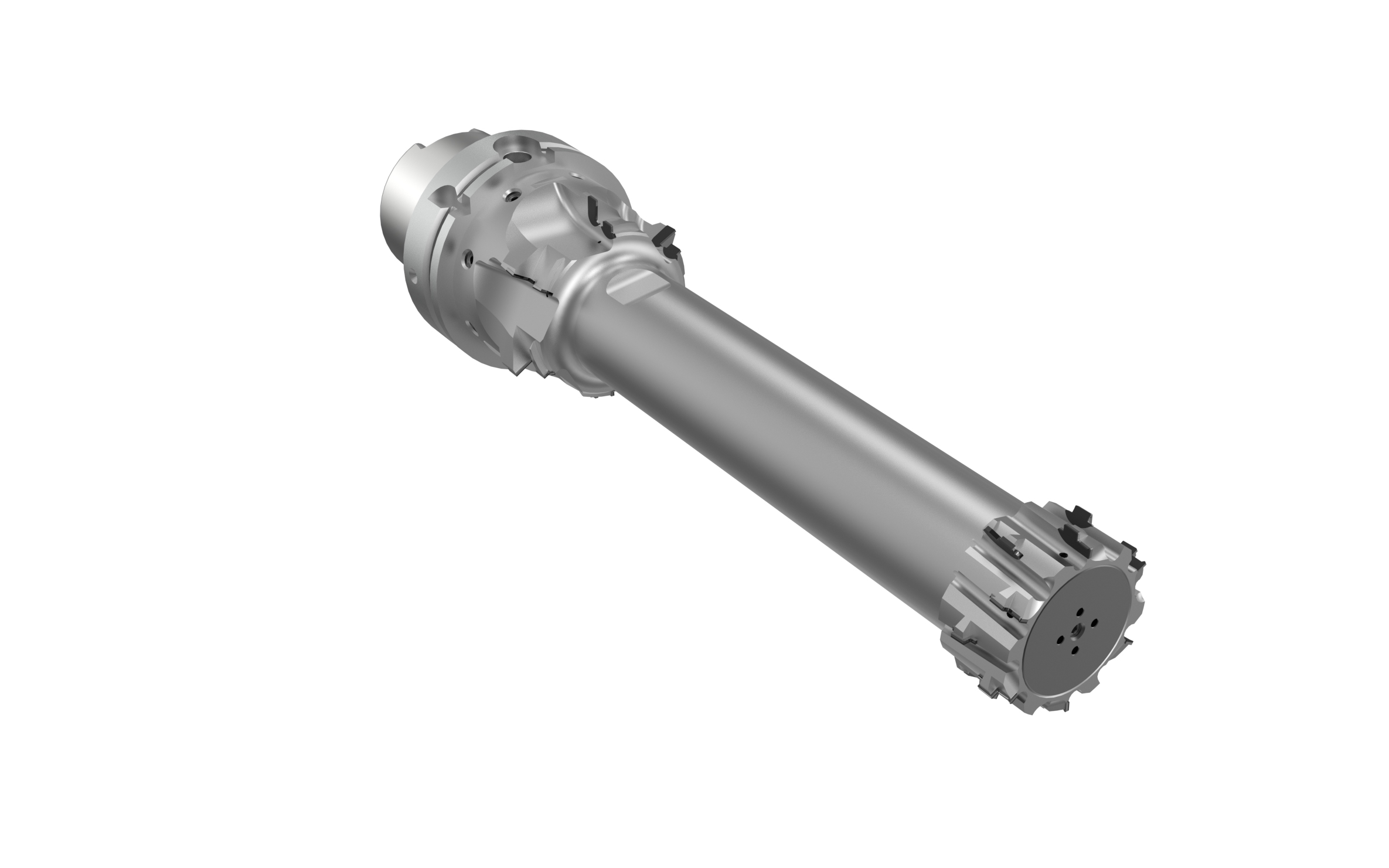
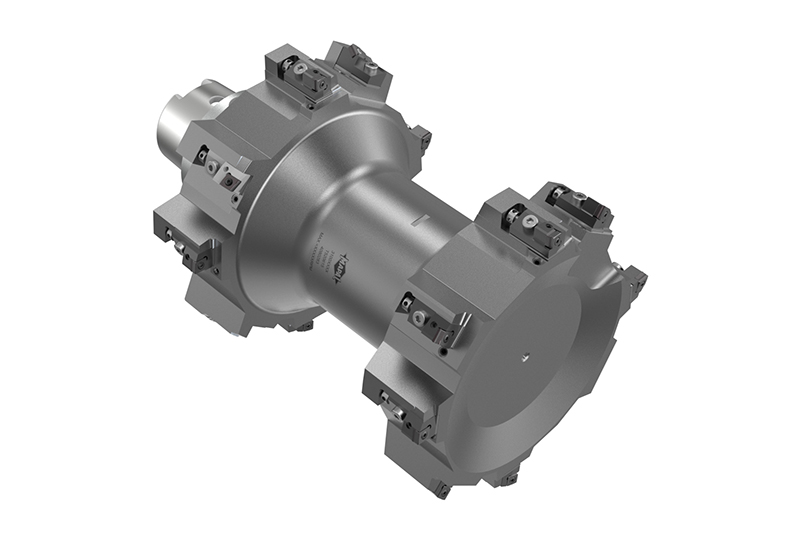
  • Helixfräser mit ISO-Wendeschneidplatten

    Helix milling cutter with ISO indexable inserts

    Roughing of outer diameter and surface

    • Coated ISO indexable inserts made of carbide or PCD-tipped indexable inserts
    • Reduced cutting forces
    • Standard product
    • HSK extension for different machining depths

  • ISO BORING TOOL Roughing of outer diameter

    ISO boring tool

    Roughing of outer diameter

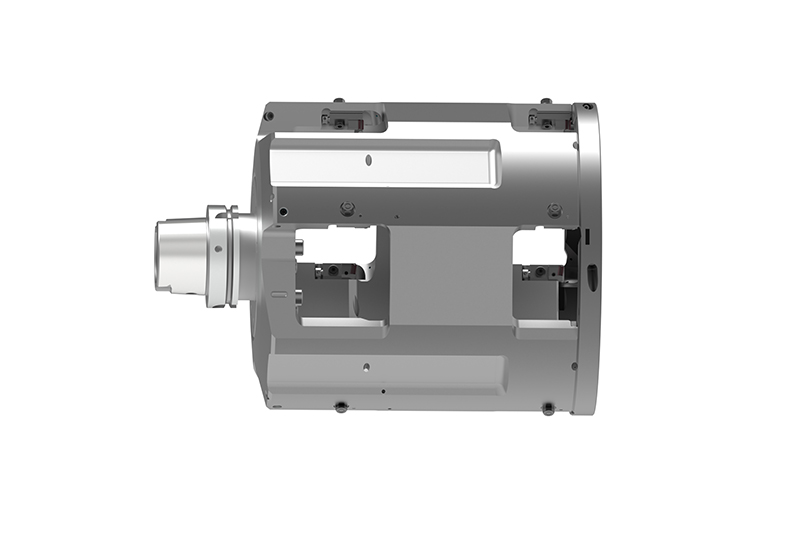
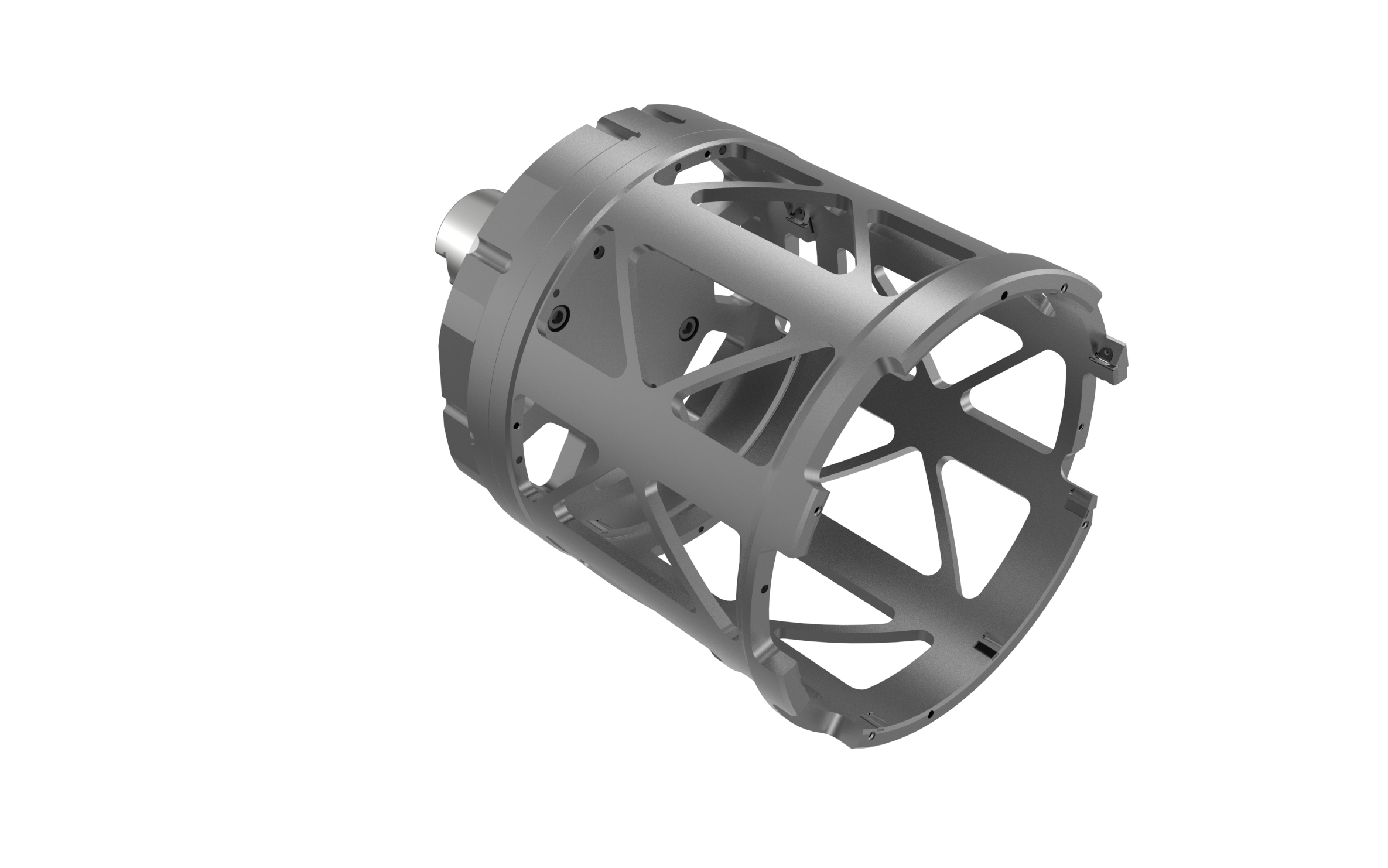
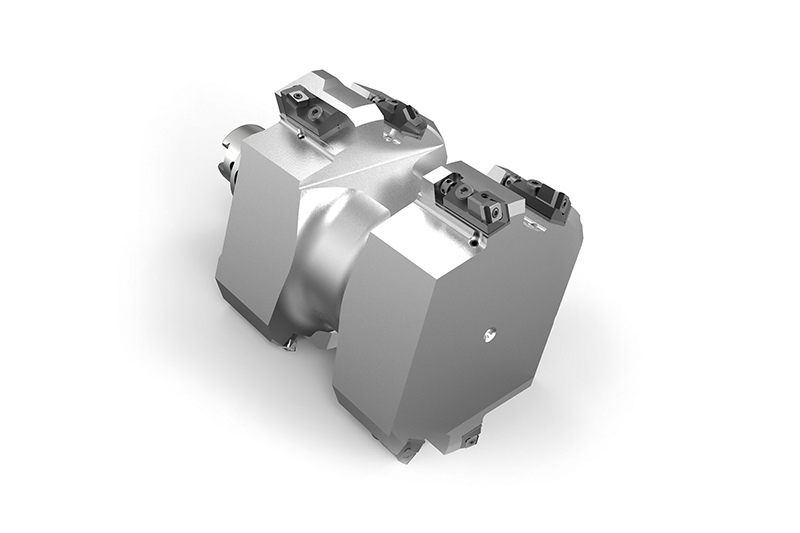
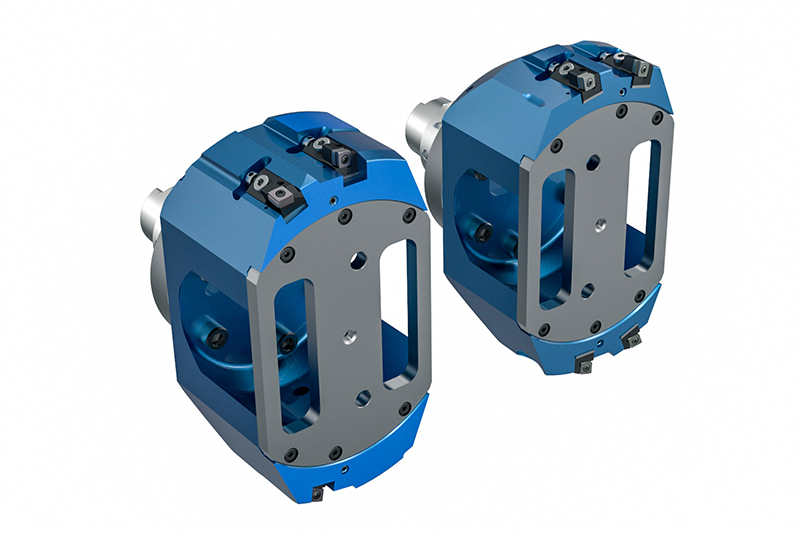
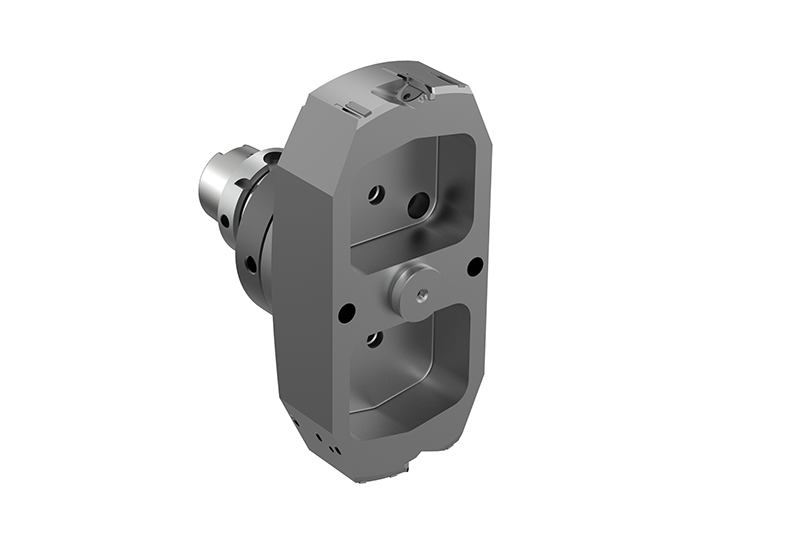
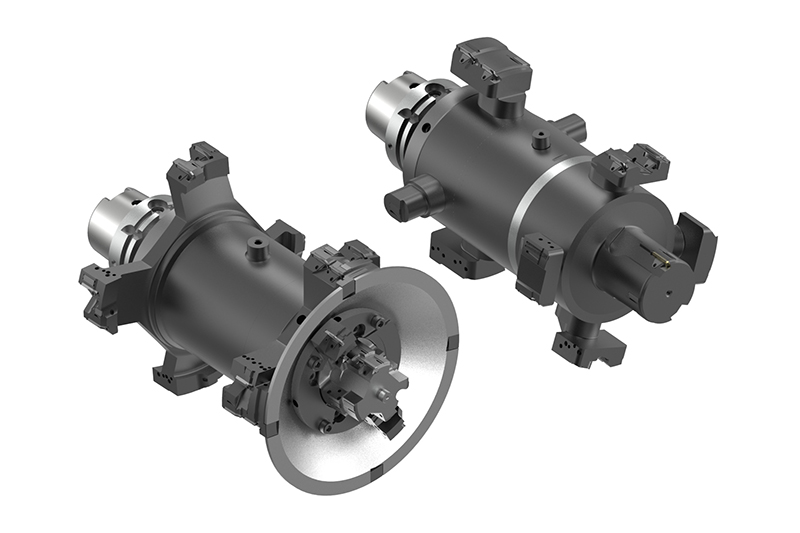
    • Multi-stage bell tool for external machining
    • ISO indexable inserts

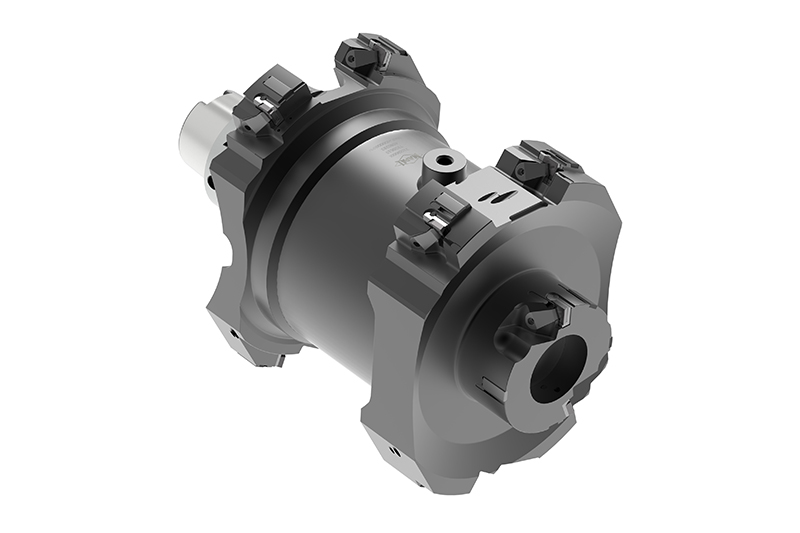
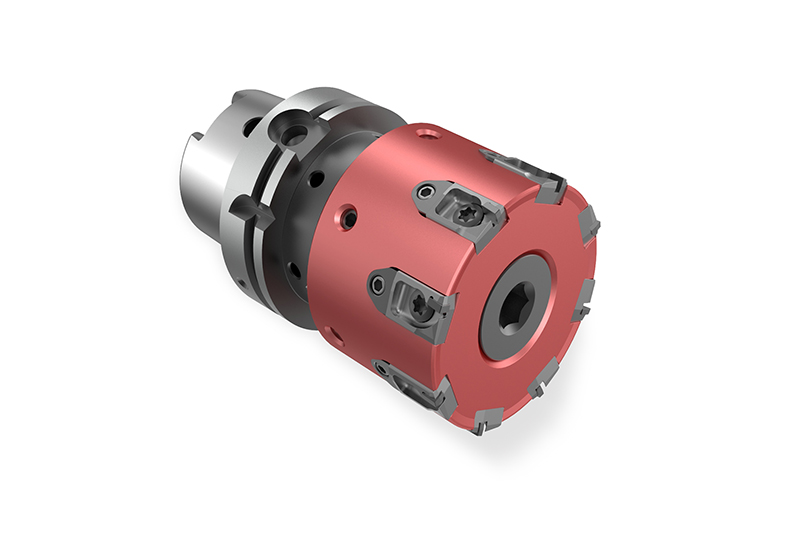
  • MILLING CUTTER WITH ISO INDEXABLE INSERTS

    Milling cutter with ISO indexable inserts

    Roughing the sealing groove

    • Coated ISO indexable inserts made of carbide
    • Optionally with vibration damper
    • Effective roughing of the sealing grooves

Finish machining
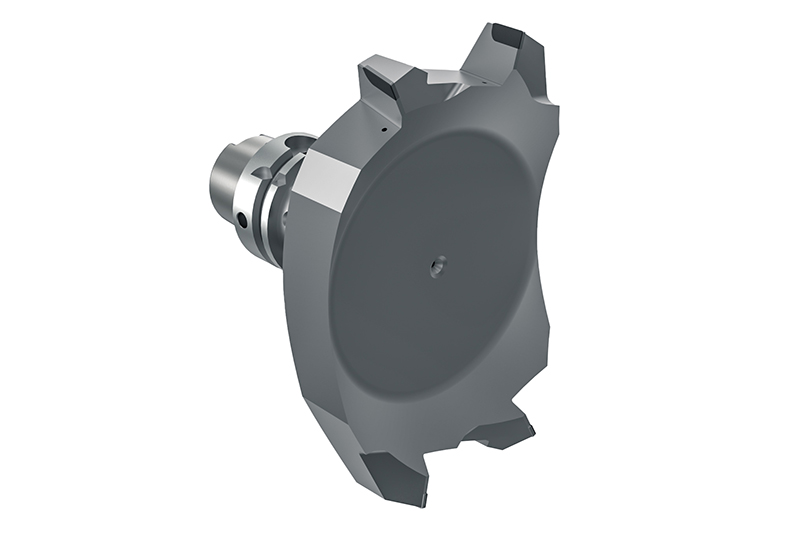
  • PCD MILLING CUTTER WITH SPECIAL CONTOUR

    PCD milling cutter with special contour

    Finishing the sealing groove

    • PCD form cutting edge
    • Perfect geometry of the individual recess contours
    • Optionally with vibration damper
    • Finish machining of all recesses in a single cut

  • PCD MILLING CUTTER WITH SPECIAL CONTOUR Finishing the sealing groove

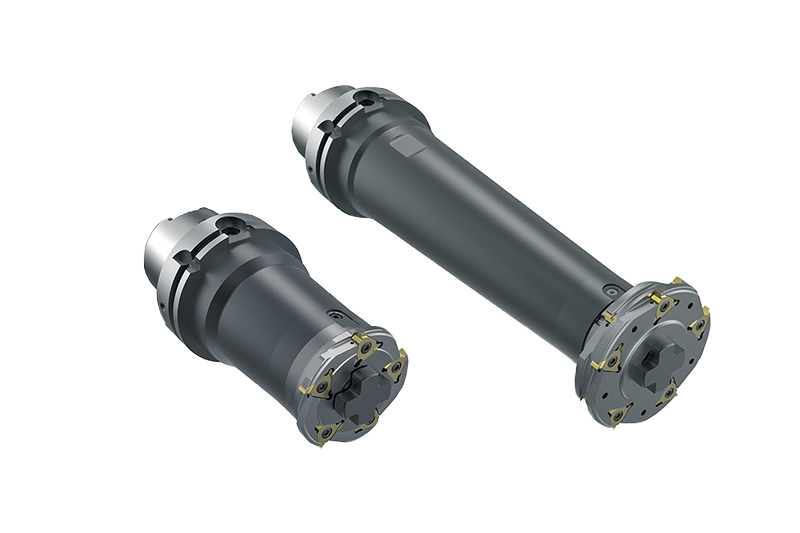
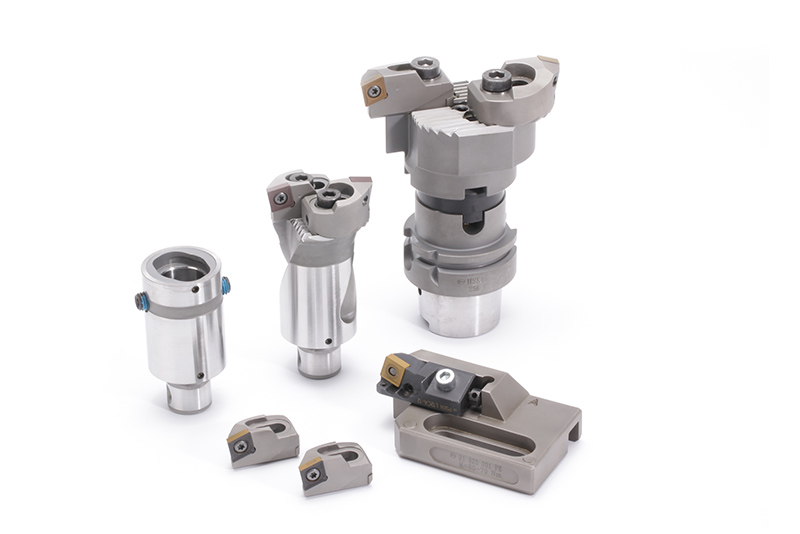
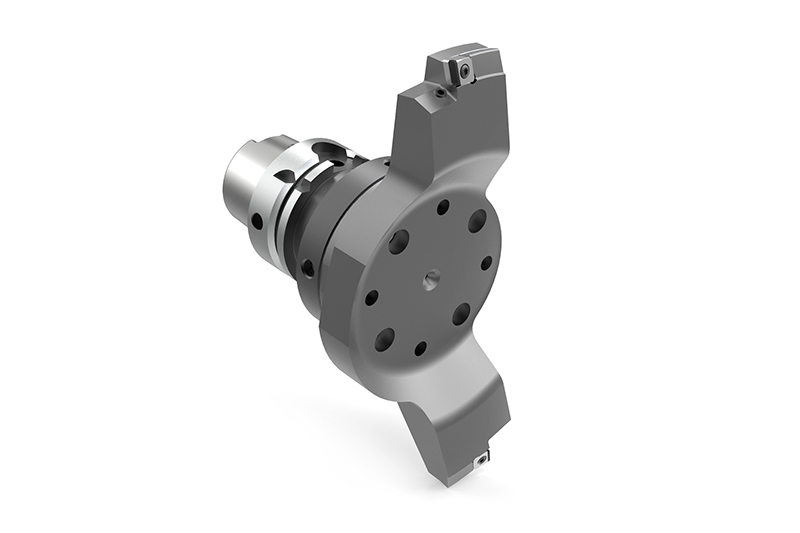
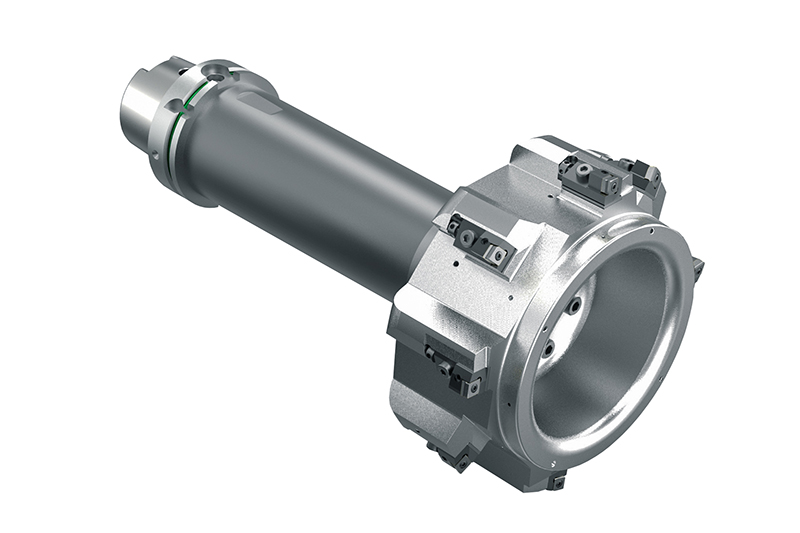
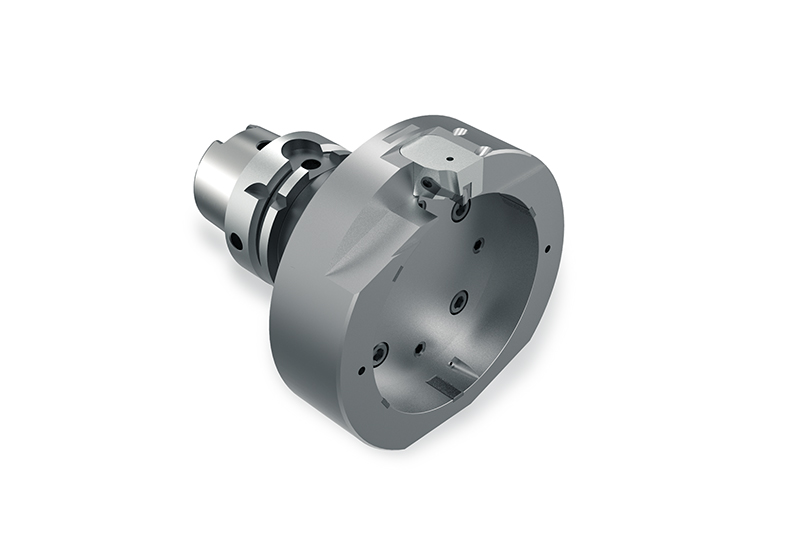
    Lightweight fine boring tool

    Finishing the outer diameter

    • Adjustable PCD cutting edges
    • Lightweight tool body
    • Up to Ø 260 mm machining diameter


Machining solutions for...

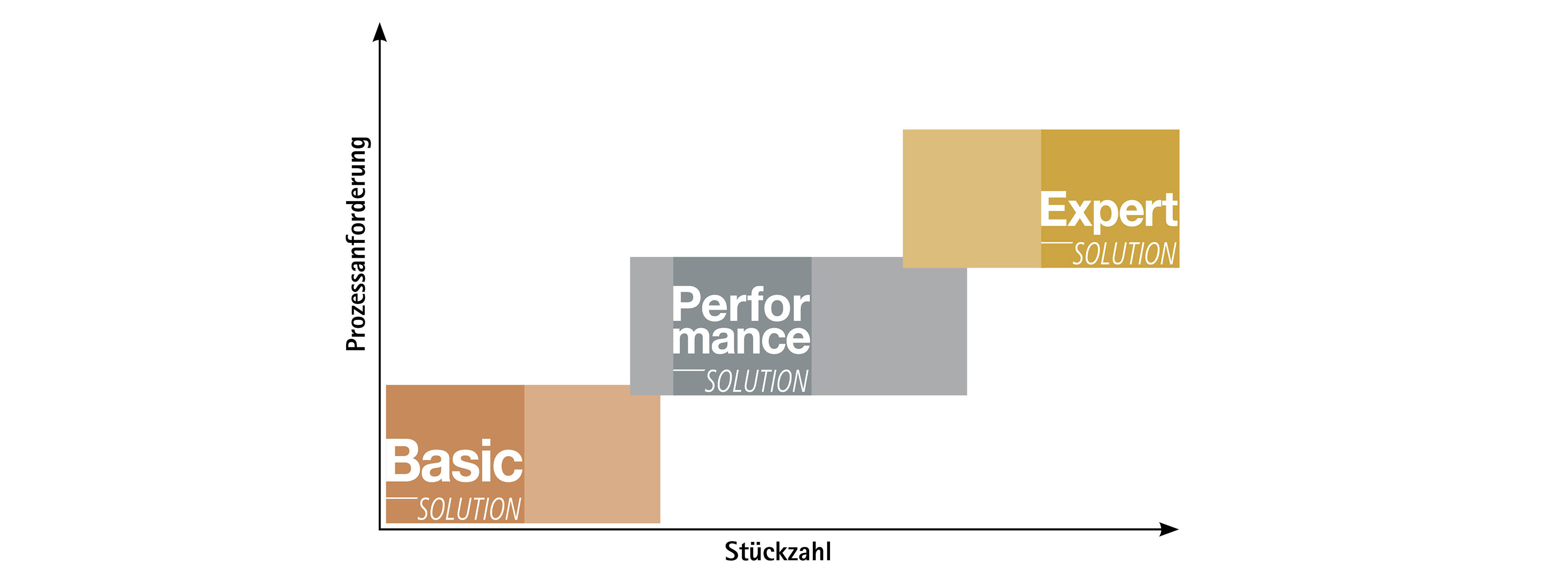
MAPAL Basic, Performance, Expert Line

Further machining solutions

  • Fori cuscinetto e di posizionamento

    Con la massima concentricità e rotondità

    Scopri di più
  • Außenreibahle mit EA-System

    Alesatore esterno con sistema EA

    • Lavorazione esterna del foro cuscinetto

  • Planfräser mit PKD-Fräseinsätzen

    Fresa a spianare con inserti in PCD

    • Generazione di profili di superficie definiti per le superfici di tenuta e di contatto (ad es. strutture a taglio trasversale)
    • Finitura di superficie Rz < 1


Altri componenti elettrificati

  • Highly integrated electric motor housing CAD exploded view

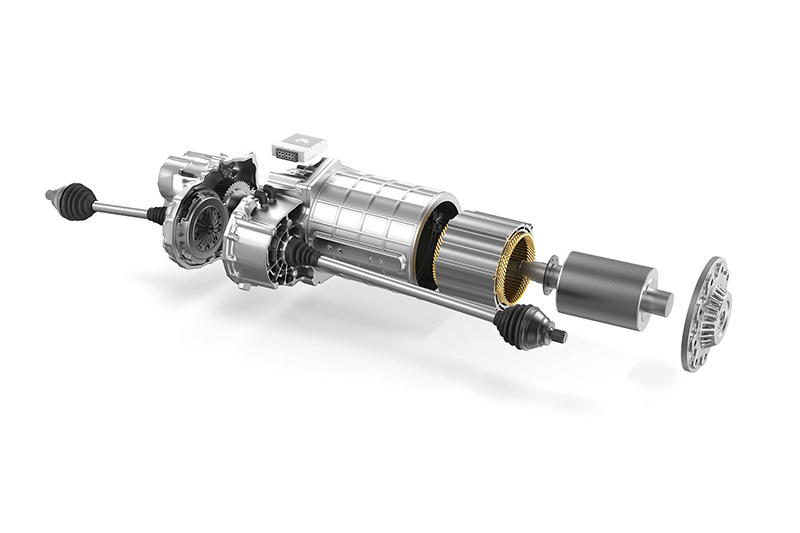
    Sistemi di trazione elettrica

    Ibridi e completamente elettrici

    Estrema precisione per diametri di grandi dimensioni

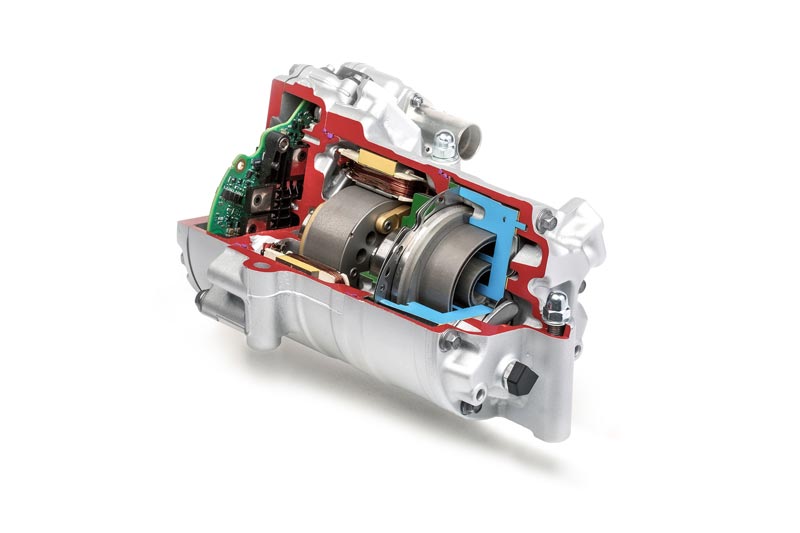
  • Gruppi ausiliari

    Gestione termica

    Profili a spirale con tolleranze all’interno del range micrometrico

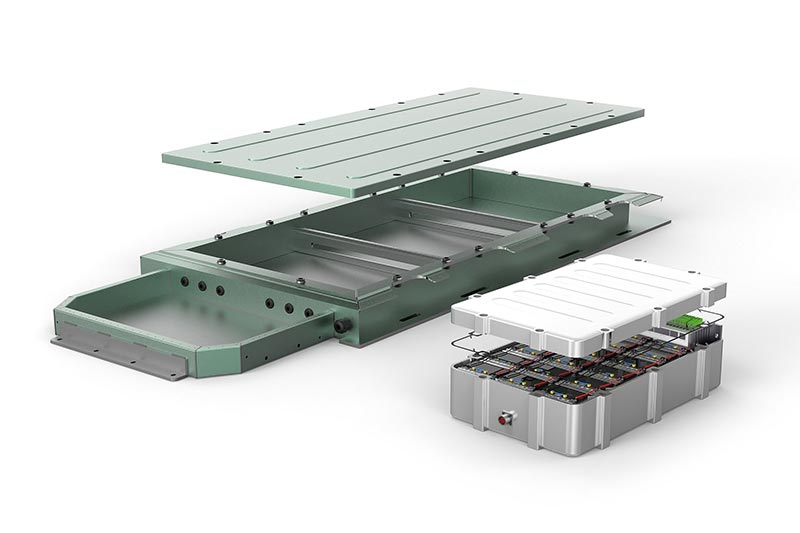
  • Alimentazione elettrica

    Accumulatore, comando, ricarica

    Lavorazione senza vibrazioni di corpi complessi e dalle pareti sottili

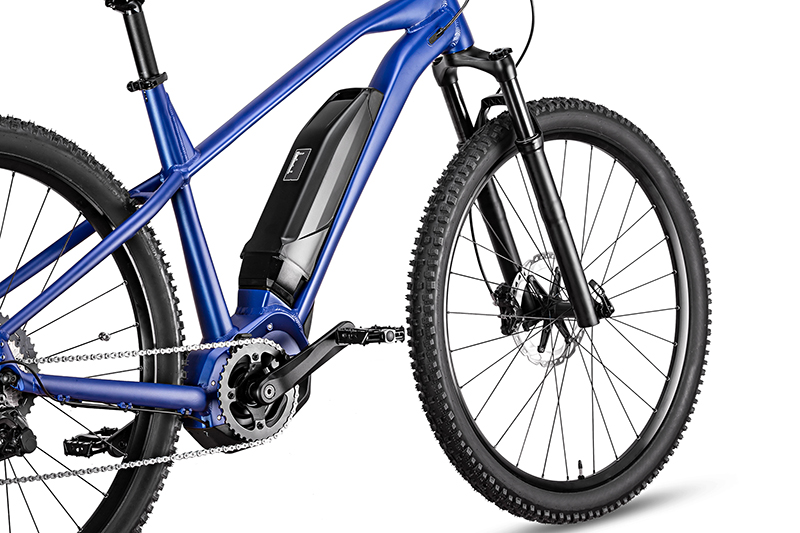
  • Micromobilità

    Esempio: bicicletta elettrica

    Estrema precisione anche su piccola scala​​​​​​​