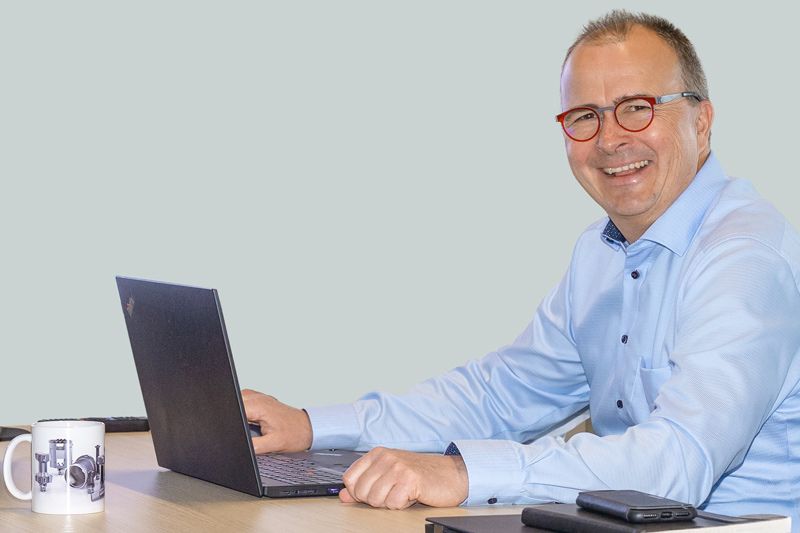
Interview mit Matthias Winter, Marktsegmentmanager bei MAPAL, über die Schwerpunkte im Segment Automotive
Der technologische Wandel durch die Elektrifizierung oder autonomes Fahren stellt neue Anforderungen im Segment Automotive. Matthias Winter, Leiter des Marktsegmentmanagements bei MAPAL, erläutert im Interview die Schwerpunkte von MAPAL in diesem Bereich.
Herr Winter, welche Strategie verfolgt MAPAL im Automotive-Bereich?
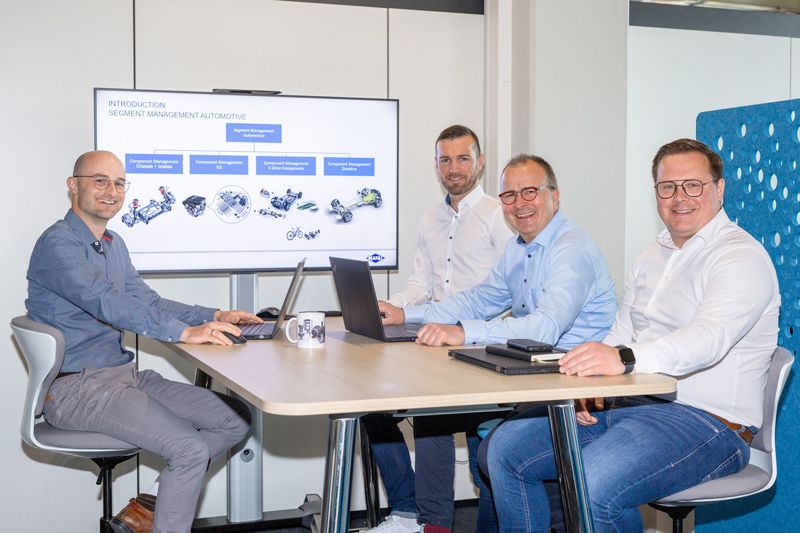
Der Automobilbau ist schon lange Jahre unser Kerngeschäft und wird es auch noch bleiben. Neben Aerospace und General Machining ist Automotive unser größtes Hauptsegment. Wir haben dieses Segment in vier Komponentenbereiche strukturiert, die wir genau im Blick haben. Sie werden jeweils von einem eigenen Component Manager geleitet. Diese Bereiche sind Fahrwerk + Bremsen, Verbrennungsmotoren, E-Mobility mit Elektromotor, Batterie sowie Anbauteilen für das Thermomanagement. Zum vierten Bereich Driveline gehört alles von der Kupplung bis zum Rad, also auch Getriebe, Differentialgehäuse und Gleichlaufgelenke. Die großen Automatikgetriebe eines Verbrenners wird man in batterieelektrischen Fahrzeugen weniger brauchen, aber Gleichlaufgelenke zum Beispiel sind auch hier gefragt. Der rote Faden bei unseren strategischen Betrachtungen besteht aus Markt, Komponenten und Lösungen. Ausgehend vom Markt müssen wir Treiber erkennen und die Key Player verstehen.
Prognosen sagen bis 2030 ein Wachstum der Produktionsmengen von Fahrzeugen voraus. Der Zuwachs kommt allerdings hauptsächlich von Elektrofahrzeugen. Bei den Verbrennern geht man eher von einem Rückgang aus, beim Diesel mit einer größeren Rate als bei den Benzinern. Aktuell ist die Dynamik hin zur elektrifizierten Mobilität sicherlich abgeschwächt, aber diese Transformation wird weiter voranschreiten. Da für ein batterieelektrisches Fahrzeug 60 Prozent weniger zerspant werden muss, ist das für uns erstmal keine schöne Entwicklung. In der Strategieauslegung dürfen wir uns also nicht darauf verlassen, dass uns die Verbrenner weiter tragen werden. Aber das wird ein stetiger Prozess über die nächsten Jahre sein und auch mit je nach Region unterschiedlicher Geschwindigkeit, sodass wir entsprechend anpassen und reagieren können. Wir sind hier auf einem guten Weg.
Neue Technologien bieten uns auch die Chance, eigene Lösungen dafür in den Markt zu bringen. Um die Marktentwicklung hautnah mitzubekommen, besteht eine starke Allianz zwischen unserem Segmentmanagement und dem Vertrieb. Er hat Auge und Ohr im Markt und bekommt von den Kunden Informationen über neue Entwicklungen bei den Komponenten oder möglicherweise veränderten Produktionsprozessen. So können wir unser Lösungsangebot stets auf veränderte Anforderungen anpassen.
Generell, wie definieren Sie für MAPAL interessante Bauteile?
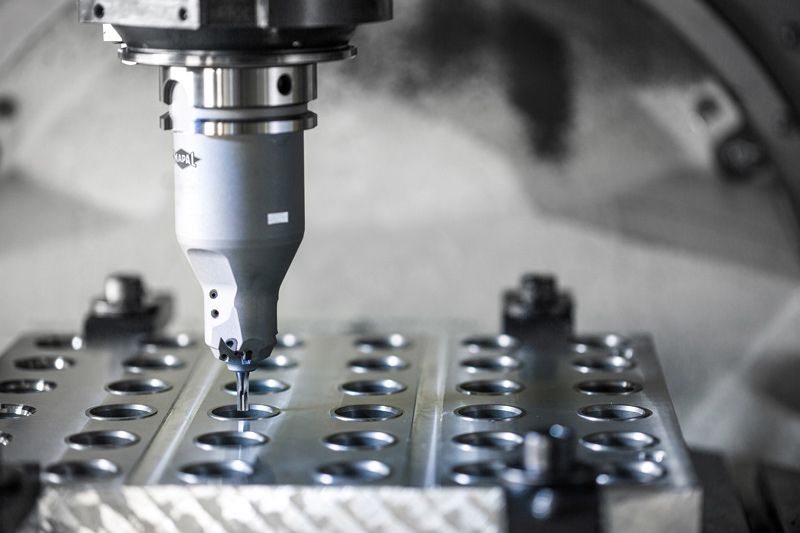
Wir gehen hier sehr strukturiert vor und verfügen in unseren Systemen im Background auch über eine Datenstruktur auf der Komponentenebene. Das hilft uns dabei, für uns attraktive Fokuskomponenten zu identifizieren. In der Regel sind das natürlich Bauteile mit einem großen Zerspanungsanteil, für die hohe Genauigkeit verlangt wird. Ein großes Marktvolumen kann dabei also nicht das einzige Kriterium sein: Denn zum Beispiel verlangt der Markt zwar nach sehr vielen Zahnrädern. Da wir aber keine Verzahnungswerkzeuge im Portfolio haben, spielen Zahnräder für uns keine Rolle. Anders sieht es bei Zylinderköpfen aus, von denen ebenfalls noch hohe Stückzahlen benötigt werden. Die haben herausfordernde Bohrungen und erfordern hohe Genauigkeit. Wir verfügen über eine sehr gute Werkzeugtechnologie, um diese Anforderungen zu bedienen. Ähnliches gilt bei Gehäusen für Elektromotoren, die ebenfalls hohe Präzision erfordern. Wenn wir dafür mit unserem Produkt- und Leistungsportfolio wettbewerbsfähige Produkte anbieten oder entwickeln können, sind wir dabei. Unser Produktmanagement entwickelt dann zusammen mit der R&D die passenden Lösungen.
Mit der Transformation der Automobilindustrie kommen dabei vermutlich auch neue Komponenten auf den Plan?
Ja, natürlich. Denken wir zunächst an das Statorgehäuse für Elektrofahrzeuge. Das ist zwar keine ganz neue Komponente mehr, aber hier gab es bis vor kurzem noch eine große Varianz. Inzwischen stabilisiert sich die Geometrie. Und es kommen trotzdem immer noch Weiterentwicklungen hinzu, wie etwa eingegossene Stahlbuchsen, die Lager aufnehmen. Bearbeitungslösungen dafür sind durchaus eine Herausforderung. Wenn wir die Explosionsdarstellung eines Elektromotors betrachten, sehen wir noch mehr Komponenten, die für uns interessant sein können. Neben dem Statorträger sind das Getriebegehäuse, Lagerdeckel und das Gehäuse für die Leistungselektronik.
Im Bereich Chassis & Breaks entstehen durch das autonome Fahren mit By-Wire-Technologien neue Bauteile. Hier haben wir Zerspanungslösungen für kombinierte Bremsgehäuse entwickelt, die in Systemen ohne Hydraulikleitung gebraucht werden. In ihren Grundfunktionen ähneln die neuen Komponenten den bisherigen, doch bringen sie mehr Sensorik und Aktorik in die Fahrzeuge. Uns ist dabei wichtig, wie sich dadurch Teile verändern, die auch eine mechanische Bearbeitung erfahren. Unabhängig von einzelnen Komponenten ist der Trend hin zu Aluminium ungebrochen, um etwa mit leichteren Konstruktionen das zusätzliche Gewicht von Batterien zu kompensieren.
Wie setzen Sie Weiterentwicklungen von Bauteilen um? Das von Ihnen beschriebene Lösungsportfolio für eine Komponente ist ja an eine spezifische Bauteilausgestaltung gebunden, richtig?
Wenn sich Bedarfe ändern, passen wir natürlich auch unser Lösungsangebot entsprechend an. Um Anforderungen und Features wichtiger Fokuskomponenten abbilden zu können, arbeiten wir gerne mit Musterbauteilen, die bei uns Generic Components heißen. Denn: Kein Kunde möchte Versuchskaninchen für Werkzeugentwicklungen sein. Daher nutzen wir an dieser Stelle unser eigenes Bauteil, das reale Funktionen, wie sie von der Industrie benötigt werden, möglichst gut abbildet. Solche Generic Components setzen wir zum Beispiel für Elektromotoren ein. Natürlich können sich Kernmerkmale an einem Bauteil mit der Zeit verändern. Das können zusätzliche Bearbeitungsschritte, höhere Genauigkeiten oder andere Materialien sein. Da müssen wir bei Bedarf eingreifen und unser Musterteil abändern, dessen Design ja nicht in Stein gemeißelt ist. Bei den Ventilführungen hat sich in den vergangenen 20 Jahren zum Beispiel viel getan, sowohl von der Größe her als auch von den Materialien. Wir mussten da immer wieder neue Versuchsreihen auflegen, um unsere Technologien weiterzuentwickeln.
Auch die verlangten Stückzahlen können Änderungen erfordern. Die Zeichnung eines Bauteils ändert sich nicht mit der zu produzierenden Menge, aber in Kombination mit Prozessanforderungen spielen die Stückzahlen doch eine Rolle. Da kommen wir dann in andere Werkzeugregionen mit Performance- oder Expert-Lösungen, wo komplexere Werkzeuge die Produktivität und Prozessfähigkeit steigern. Diese bis zu einem gewissen Punkt standardisierten Bearbeitungslösungen für strategische Bauteile stehen über unseren Vertrieb übrigens weltweit zur Verfügung. Sie sind umso wichtiger, je mehr man von einer lokalen oder regionalen Produktion zu einer globalen übergeht. Um unsere Kunden optimal zu bedienen, treiben wir hier unseren globalen Footprint voran.
Was hat es mit diesem globalen Footprint auf sich?
Der hat in diesem Fall nichts mit CO2 zu tun, sondern beschreibt, wie wir weltweit aufgestellt sind und unsere Kunden überall schnell mit unseren Lösungen unterstützen können. Neben der Herstellung von Werkzeugen gehören dazu der Produktion vorgelagerte Prozesse, insbesondere aber auch After Sales Services. Wenn wir zum Beispiel für eine Erstprojektion PKD-Werkzeuge aus Deutschland nach Mexiko liefern, will die wohl kaum jemand zur Reparatur oder zum Nachschleifen wieder hierher zurückschicken wollen. Das muss vor Ort möglich sein. Die vergangenen Jahre haben gezeigt, wie fragil Lieferketten sein können. Unsere Kunden betrachten das in ihrem Risk Management kritischer als früher, wo immer alles Richtung Globalisierung ging.
Wie haben sich die Lieferketten verändert?
Bei MAPAL betreiben wir eine fortlaufende Supply Chain Analyse, um Produktionsverlagerungen zu erkennen. Wir beobachten diese Entwicklungen, um frühzeitig darauf reagieren zu können und entsprechenden Support vor Ort aufzubauen. Wir registrieren auch eine verstärkte Auslagerung der Produktion von den Automobilherstellern auf Zulieferbetriebe. Manchmal habe ich den Eindruck, die großen OEMs wollen mit der Mechanik immer weniger zu tun haben und widmen sich lieber dem Software Defined Vehicle. Aber bei aller Software gibt es zum Glück noch jede Menge Hardware, für die wir mit unserem Know-how in Sachen Markt, Komponente, Lösungen und unserem breiten Produktportfolio der optimale Technologiepartner für die Zerspanung sind.
MAPAL zieht Bilanz für das Geschäftsjahr 2025, berichtet über Transformation, Investitionen und Wachstum in Aerospace und gibt einen Ausblick auf 2026.
Auf der MAPAL Pressekonferenz 2026 stehen neben dem Geschäftsjahr 2025 innovative Fertigungslösungen, neue Werkzeugtechnologien und Zukunftsthemen für die Industrie im Fokus.