Nachhaltig und effizient mit der richtigen Technologie
Ressourcen verantwortungsbewusst einzusetzen und zu nutzen, die Umwelt zu schonen und die CO2-Emmissionen möglichst gering zu halten – dazu hat sich MAPAL seit jeher verpflichtet. In jedem Produkt- und Unternehmensbereich spielt deshalb der Nachhaltigkeitsgedanke eine wichtige Rolle.
Der Schlüssel zu effizienter und nachhaltiger Fertigung Kombinationswerkzeuge können einen entscheidenden Beitrag für eine nachhaltige Fertigung leisten. Indem verschiedene Bearbeitungsschritte in einem einzigen Werkzeug kombiniert werden, lassen sich Werkzeugwechsel und unnötige Verfahrwege erheblich reduzieren. Dies führt zu kürzeren Maschinenlaufzeiten und ermöglicht signifikante Energieeinsparungen. Zudem bietet diese Herangehensweise den Vorteil, dass im Vergleich zu separaten Werkzeugen erheblich weniger Material benötigt wird.
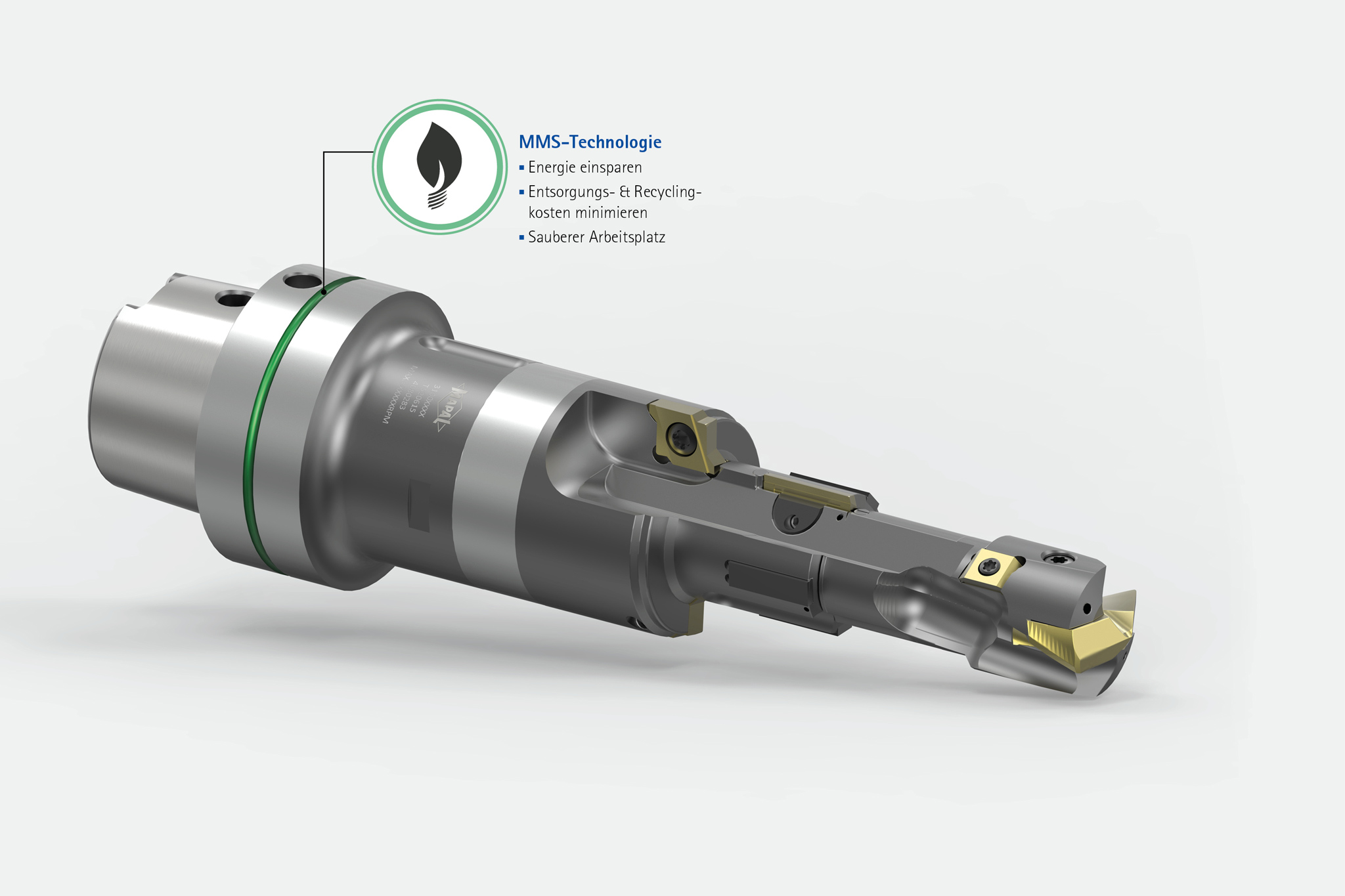
Ökologische Zerspanung durch Minimierung des Kühlschmierstoff-Einsatzes Die MMS-Technologie stellt einen ökologisch verantwortungsvollen Ansatz in der Zerspanung dar. Durch den minimierten Einsatz von Kühlschmierstoffen wird nicht nur der Ressourcenverbrauch gesenkt, sondern auch der Bedarf an energieintensiven Hochdruckpumpen. Diese Einsparung hat positive Auswirkungen auf die CO2-Bilanz. Zudem verringert die Technologie den anfallenden Abfall durch kontaminierten Kühlschmierstoff, was die Entsorgungs- und Recyclingkosten minimiert. MAPAL bietet eine breite Palette an MMS-kompatiblen Werkzeugen, die sowohl die Umwelt schonen als auch für einen saubereren Arbeitsplatz sorgen.
Modularität für eine ressourceneffiziente Fertigung Wechselkopfsysteme und Wendeschneidplatten in der Fertigungsindustrie leisten einen wichtigen Beitrag zu ökologischer Nachhaltigkeit und Ressourceneffizienz. Statt ganze Werkzeuge zu ersetzen, können nur die Köpfe ausgetauscht oder Wendeschneidplatten gedreht beziehungsweise gewendet werden. Das spart Material und Energie und reduziert sowohl Abfall als auch Umweltauswirkungen. Die Modularität fordert auch eine flexible Anpassung an unterschiedliche Bearbeitungsaufgaben, was die betriebliche Effizienz steigert. Zusammengefasst bieten Wechselkopfsysteme und Wendeschneidplatten eine nachhaltige Lösung, die sowohl ökologischen als auch wirtschaftlichen Anforderungen gerecht wird.
Nachhaltigkeit durch Langlebigkeit Die Wiederaufbereitung von Zerspanungswerkzeugen wie PKD-Werkzeugen, Vollhartmetallwerkzeugen und solchen mit Wendeschneidplatten oder ISO-Elementen eröffnet enorme Nachhaltigkeitspotenziale im Fertigungsbereich. Unter anderem durch Nachschliff, Erneuerung der Führungsleisten, den Austausch der Schneiden oder neue Beschichtungen erreichen die Werkzeuge wieder die volle Leistungsfähigkeit. Wiederaufbereitung verlängert nicht nur die Lebensdauer erheblich, sondern tragt auch dazu bei, den Verbrauch wichtiger Ressourcen erheblich zu reduzieren. Sie ist eine effiziente und ressourcenschonende Losung, die die ökologischen und ökonomischen Aspekte optimal verbindet.
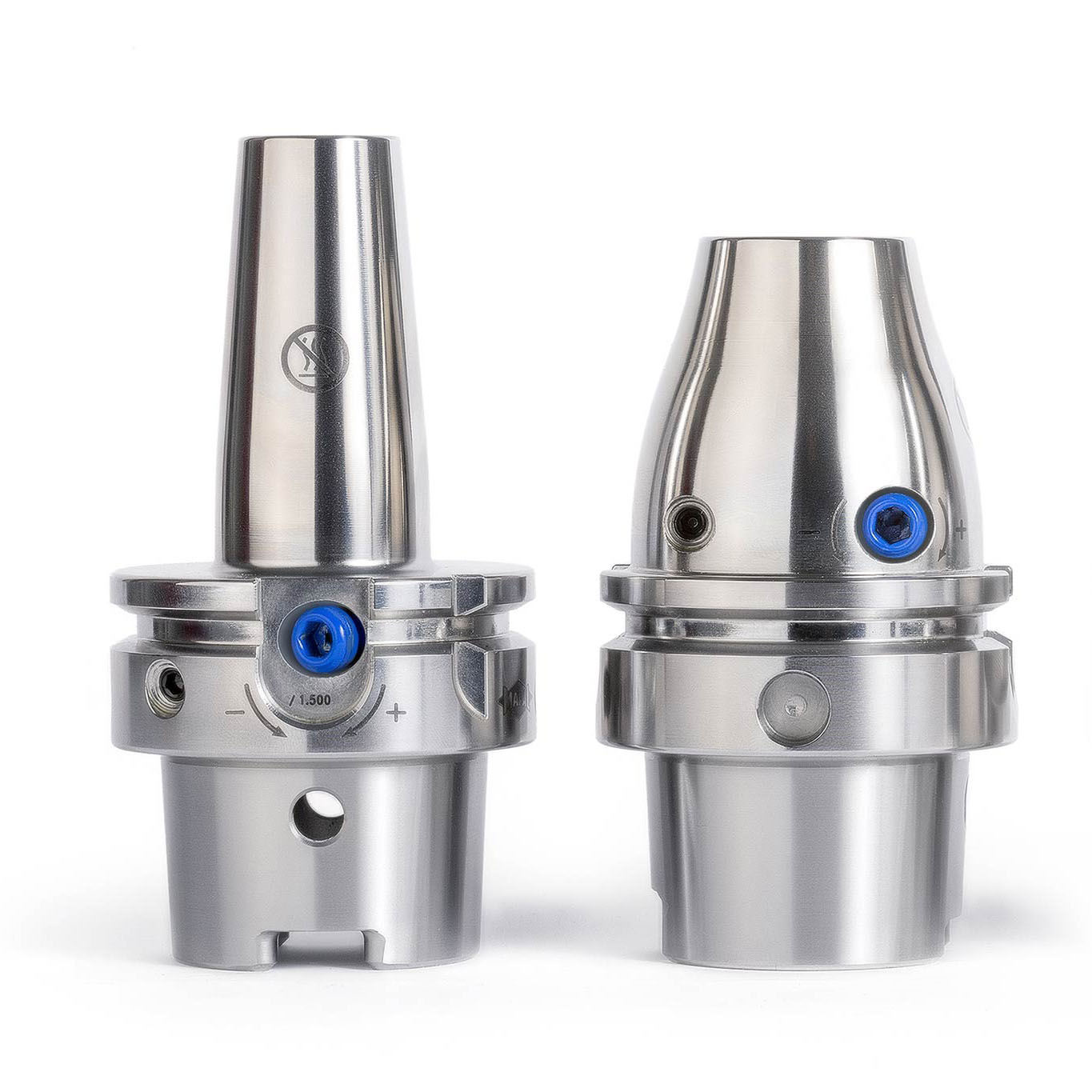
Energieeffizienz und Arbeitssicherheit neu definiert Das Hydrodehnspannfutter UNIQ ist mehr als nur eine Alternative zu traditionellen Schrumpffuttern in Sachen Nachhaltigkeit und Effizienz. Einer der Hauptvorteile ist die erhebliche Energieeinsparung, da energieintensive Schrumpfvorgange vermieden werden. Durch den Einsatz eines rein mechanischen Ansatzes zur Werkzeugspannung reduziert das Hydrodehnspannfutter den Energieverbrauch drastisch, was zu geringeren CO2-Emissionen beitragt. Zudem findet, dank des Wegfalls vieler Schrumpfvorgange, keine Materialermüdung statt und die Spannfutter erreichen eine zehnmal höhere Lebensdauer.
Ein weiterer Vorteil ist die hohe Arbeitssicherheit. Während Schrumpffutter spezielle Schrumpfgerate benötigen, von denen ein großes Verletzungsrisiko ausgeht, entfallt diese Notwendigkeit bei Hydrodehnspannfuttern. Zusätzlich erzielen Anwender, durch die präzise Kontrolle der Spannkraft eine längere Werkzeugstandzeit, wodurch der Ressourcenverbrauch minimiert wird. In Kombination mit der Einhaltung der DIN-Störkontur, ist das Hydrodehnspannfutter UNIQ eine überzeugende Wahl im Hinblick auf Nachhaltigkeit und Effizienz.