Aerospace and Composites
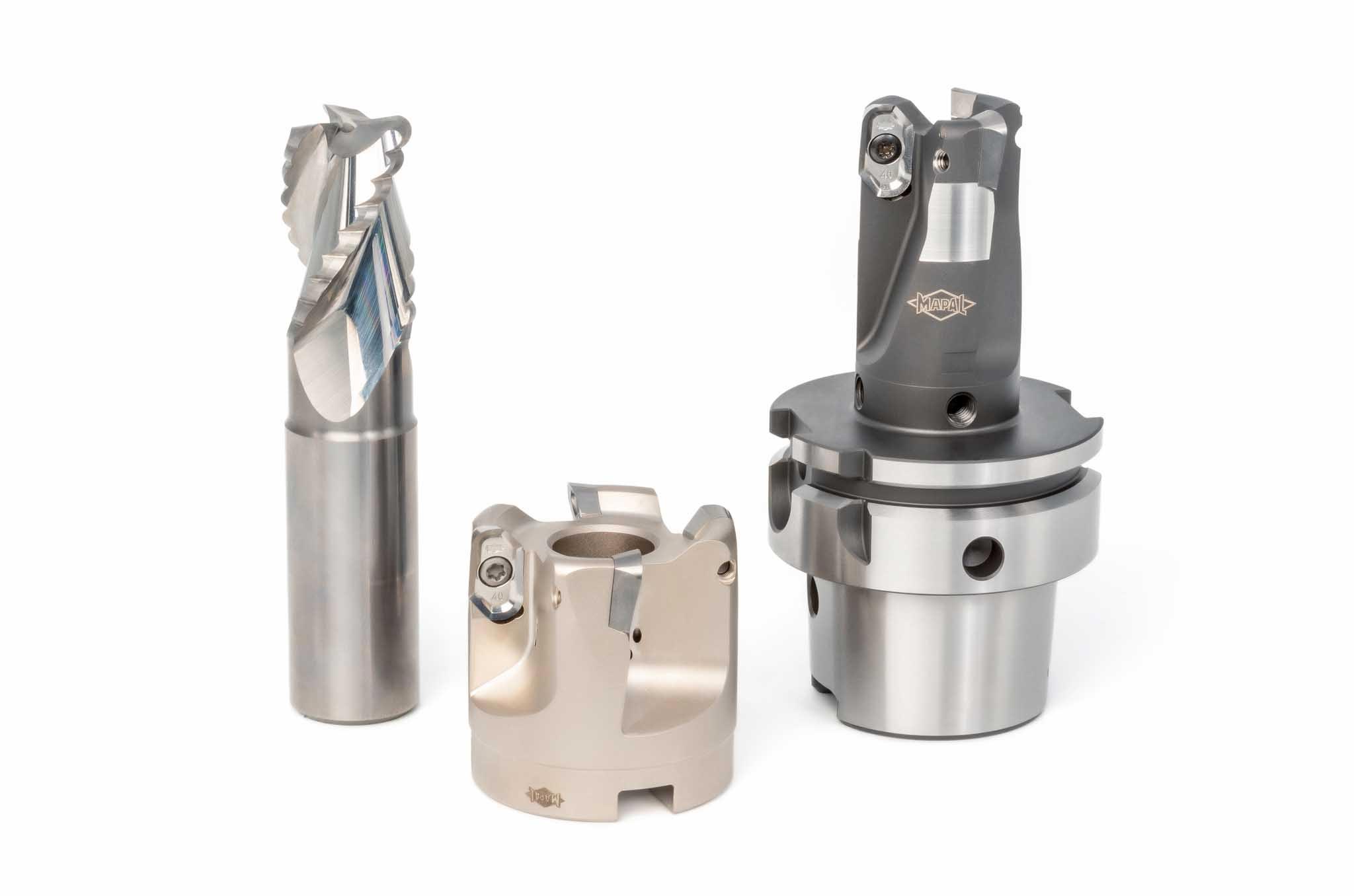
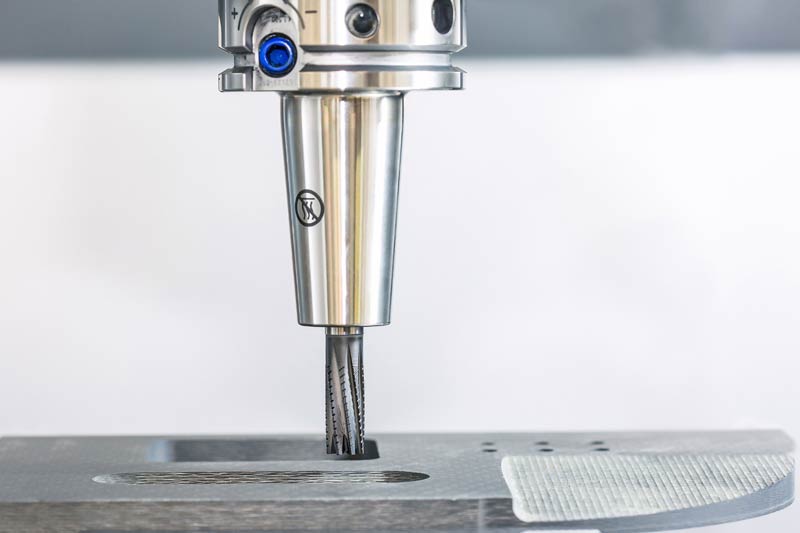
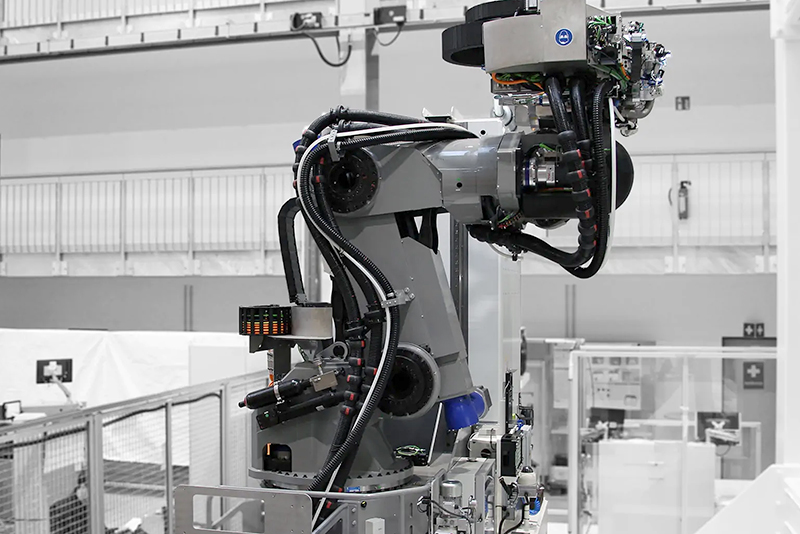
In the aerospace industry, materials that are both high-strength and lightweight is the key. By making use of new combinations of materials, weight can be reduced further, strength and corrosion resistance can be increased and assembly can be simplified by using an integrated design. Whereas structural parts made of aluminium, titanium or high strength steel are machined on machining centres or gantry machines, final assembly machining is carried out by handheld machines, drill feed units or robots.
Fabrication de pièces
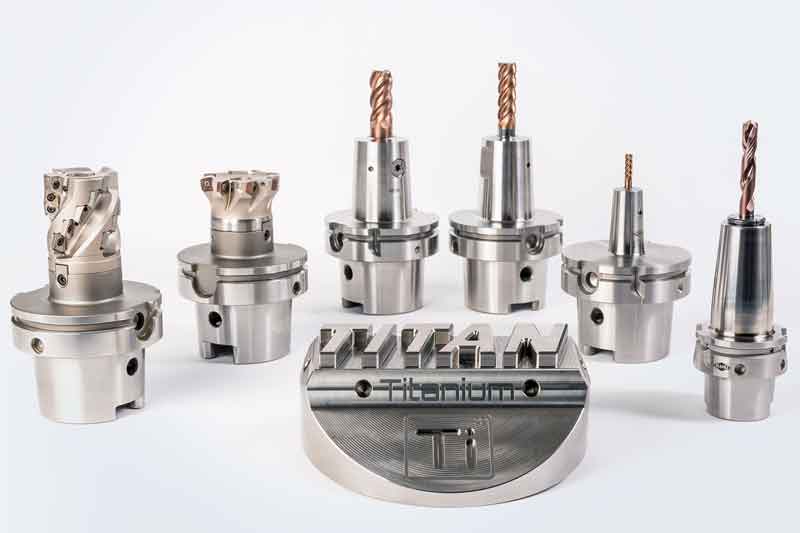
Dans la fabrication de pièces, l'usinage des composants est stationnaire, c'est-à-dire que les composants sont usinés dans une machine avec une ou plusieurs fixations d'outils. Les pièces cubiques de petite et moyenne taille peuvent être usinées sur un centre d'usinage, tandis que les composants de grande taille nécessitent des machines spéciales à portique.
- Usinage du titane par enlèvement de copeaux
- Usinage de l'aluminium
- Materiais de compósito de fibras e plástico
Solutions for final assembly
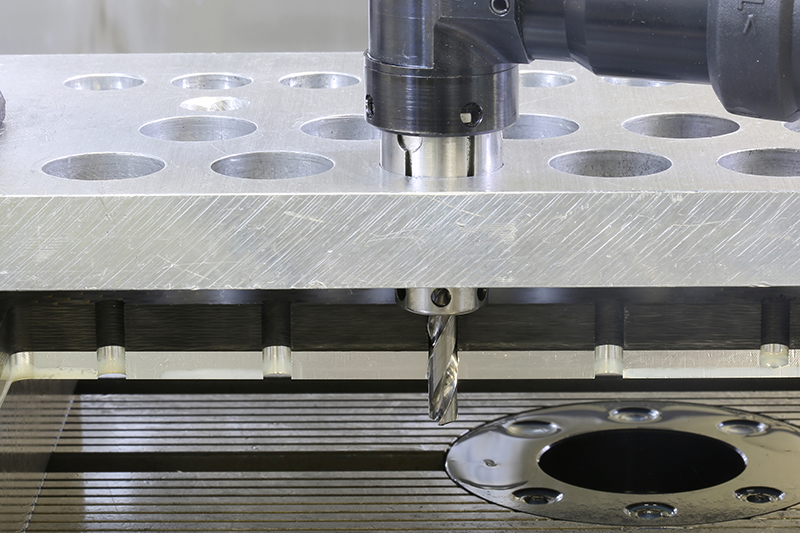
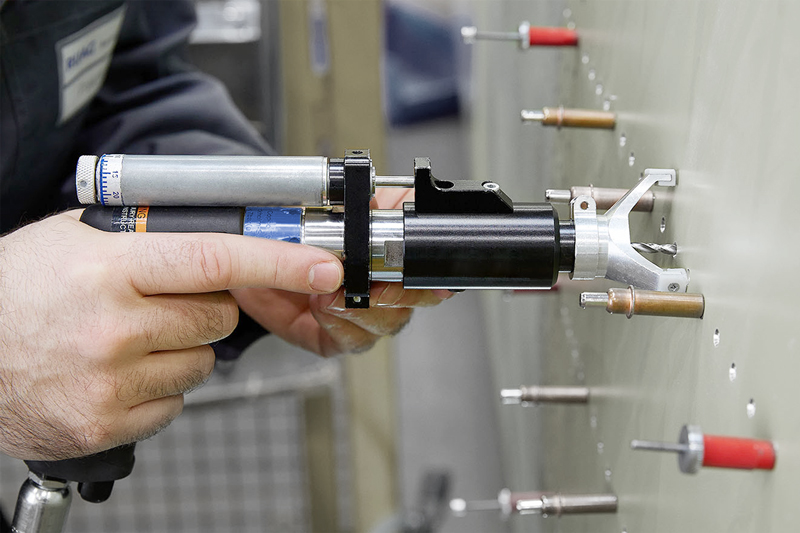
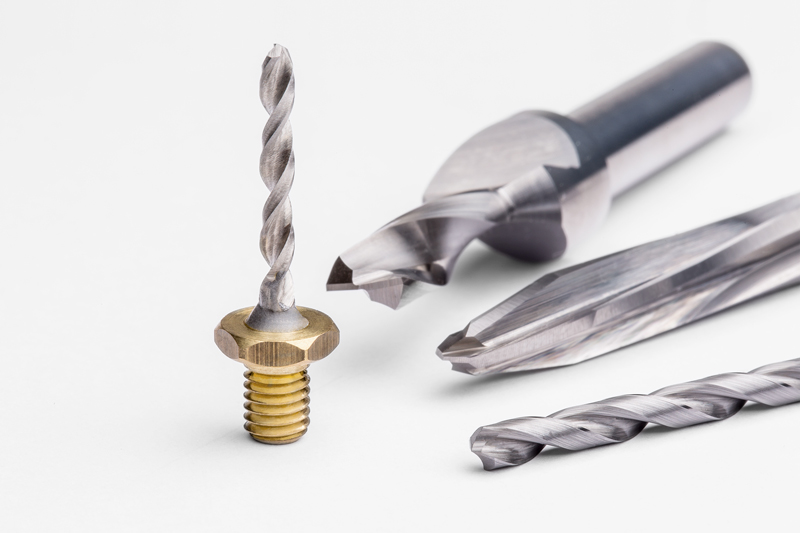
Even today, handheld machines are still used in the final assembly of aircraft, due to their size. For example, in final assembly lines (FAL), rivet holes are made in the outer skin of the aircraft’s fuselage. The tools are equipped with special guiding elements.
Latest news in the aerospace sector
-
15.07.2026
New Products and Innovations at AMB 2026
MAPAL will be presenting new solutions for high-performance and cost-effective machining in Stuttgart in September.
-
08.07.2026
Why MAPAL is an ideal partner for the aerospace industry
Interview with Laurent Benezech and Frédéric Estrat on MAPAL’s role as a global process partner in the aerospace industry
-
13.05.2026
MAPAL in China provides high-precision tooling solutions for the local market
MAPAL in China provides precision and innovation in tooling for a dynamic local market.