01.11.2018
Kugelbahnfräsen an Gleichlaufgelenken für die Elektromobilität
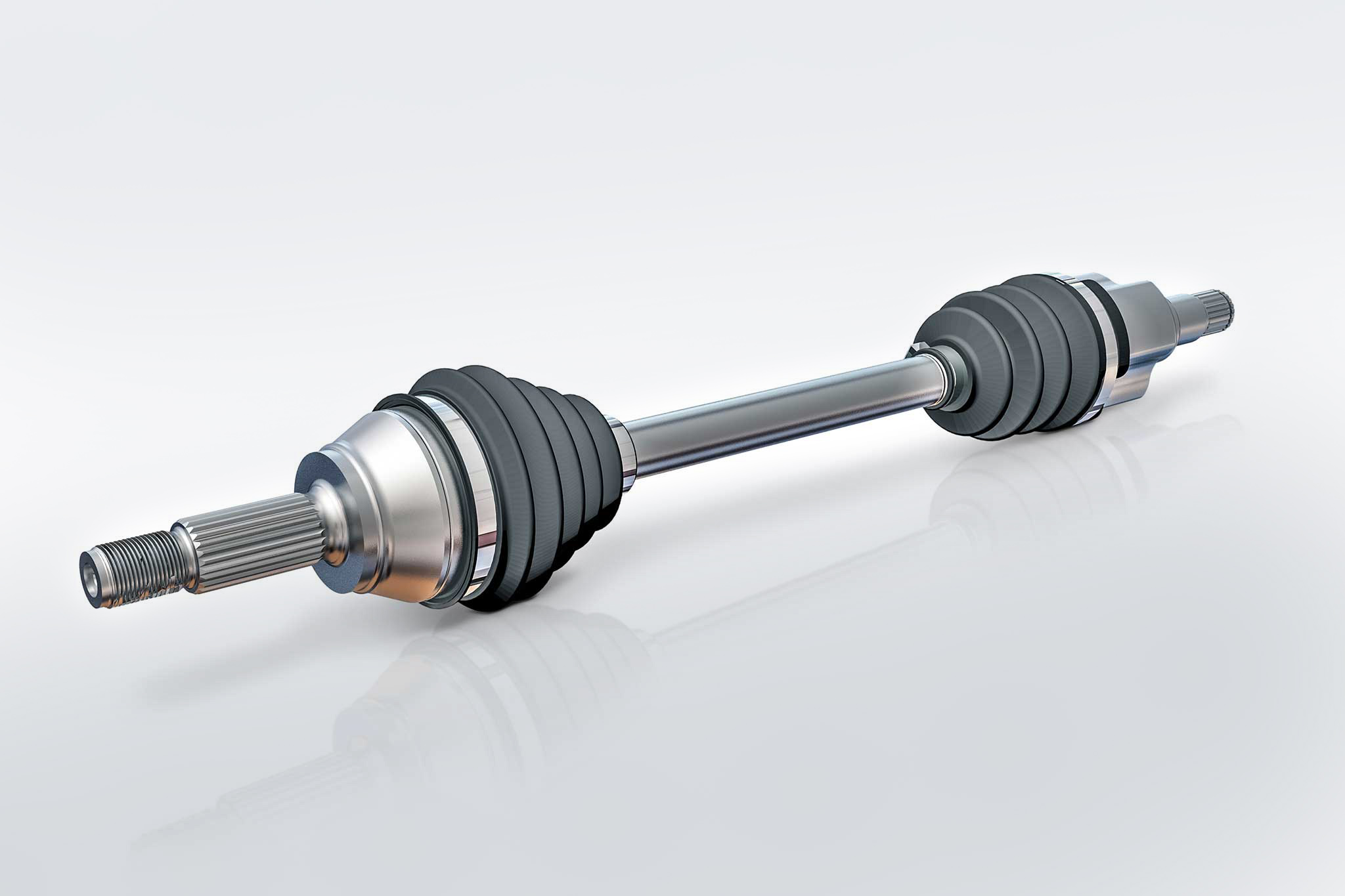
Die Anfragen bei Neapco, einem international aufgestellten Zulieferer der Automobilindustrie, nach Komponenten für elektrisch angetriebene Fahrzeuge mehren sich. Auch ein aktuelles Projekt – eine Antriebswelle, die Neapco fertigt – kommt in einem solchen Fahrzeug zum Einsatz. Für die Hartbearbeitung des homokinetischen Außengelenks der Antriebswelle setzt das Unternehmen am Standort in Düren auf Kugelbahnfräser von MAPAL.
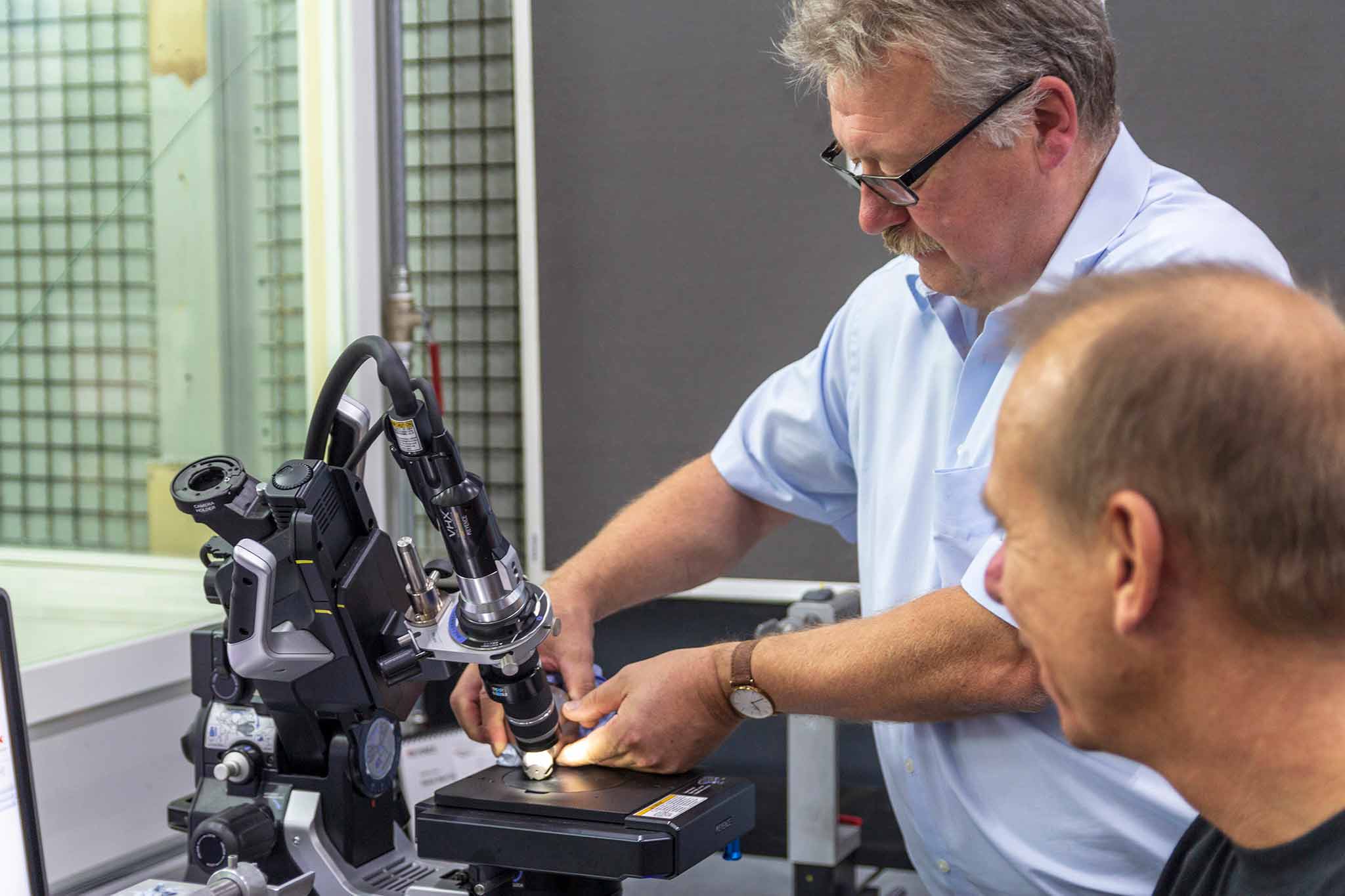
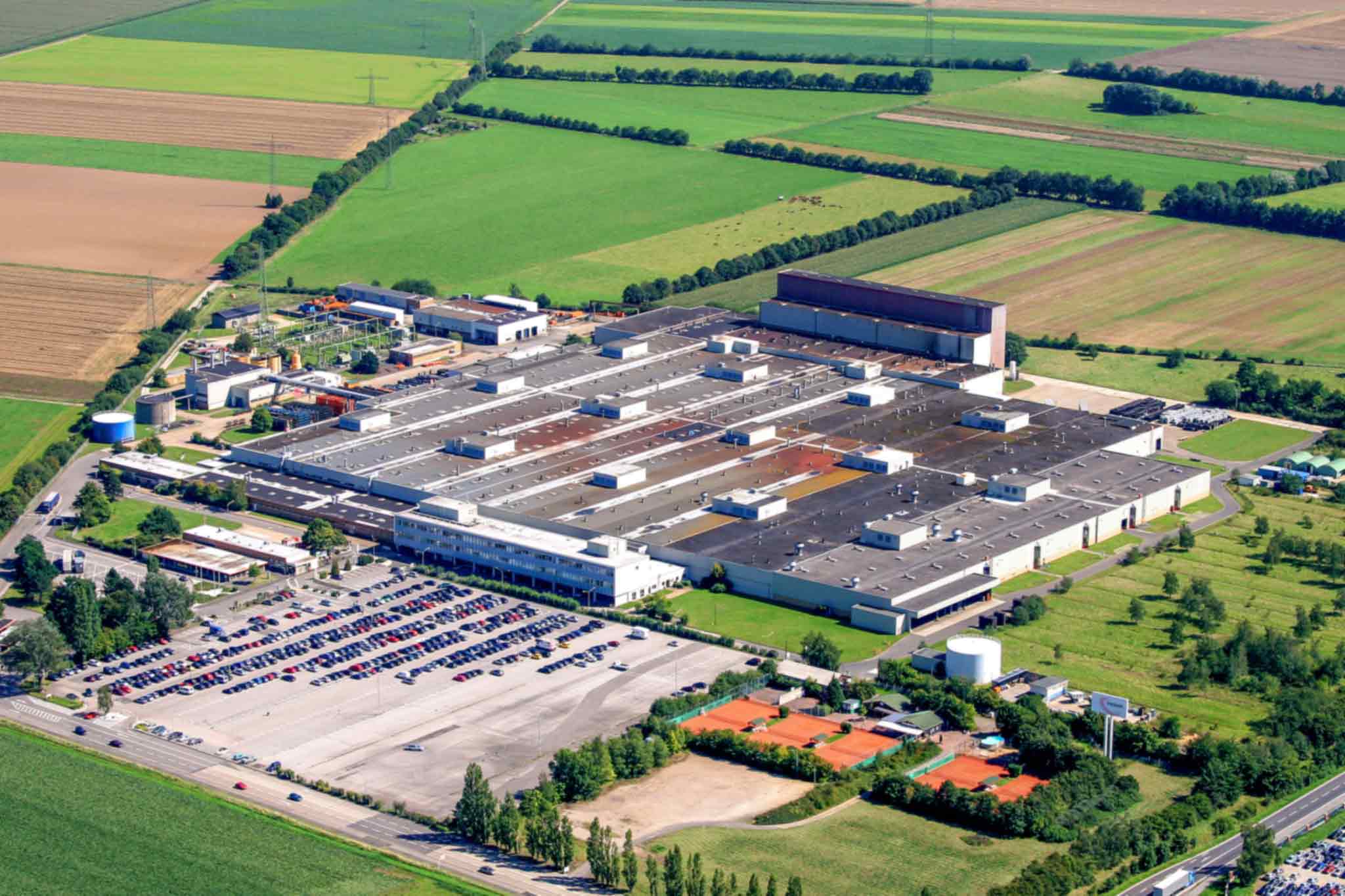
„Der Trend zur Elektromobilität ist auch mittlerweile bei Neapco erkennbar“, sagt Ahmet Simsek, der am Neapco Standort in Düren das Tool Management leitet. Bei dem Unternehmensstandort, der sich vor allem auf die Herstellung von Antriebswellen spezialisiert hat, seien schon einige Anfragen bezüglich Komponenten für elektrisch angetriebene Fahrzeuge eingegangen. Kein Wunder, beliefert Neapco doch viele namhafte Automobilhersteller mit Antriebswellen aus dem Werk in Düren und hat sich dafür optimal aufgestellt. „Seit kurzem sind wir erfolgreich nach der Norm IATF 16949 (Qualitätsmanagement in der Automobilindustrie) zertifiziert, da in einem stark wettbewerbsorientierten Umfeld ein hohes Niveau an Flexibilität, Effizienz und Qualität gefordert wird“, freut sich Simsek, „damit erfüllen wir nicht nur die Kundenerwartungen, sondern übertreffen diese auch.“
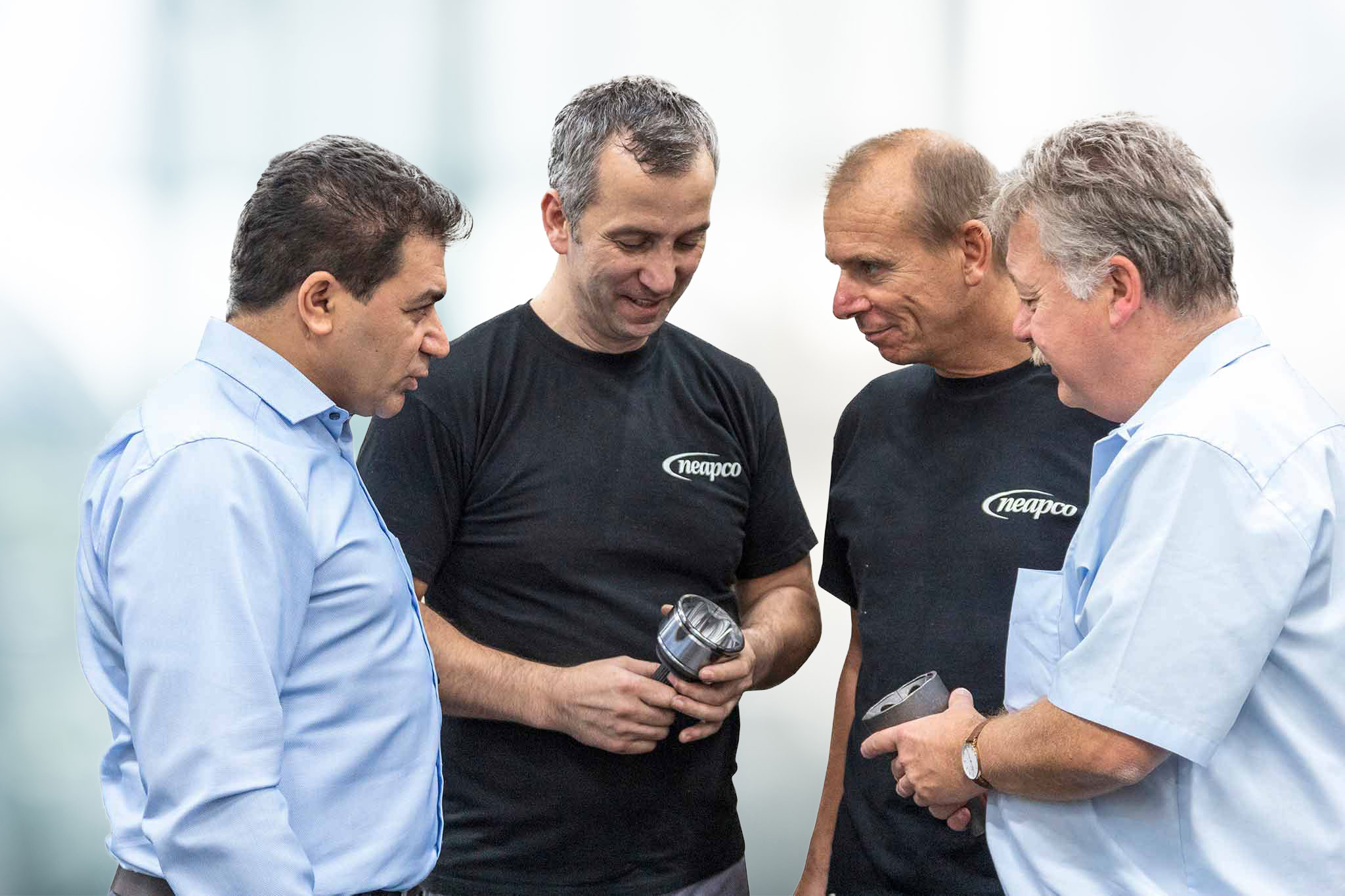
Die Zusammenarbeit von Neapco und MAPAL startete bereits lange bevor Industrie 4.0 und vernetzte Systeme Teil der Fertigungshallen wurden. „Es muss wohl Ende der 1980er Jahre gewesen sein, als die ersten gemeinsamen Projekte gelaufen sind“, versuchen Ahmet Simsek und Klaus Schwamborn, Gebietsverkaufsleiter bei MAPAL, gemeinsam zu rekonstruieren. „Seit einigen Jahren arbeiten wir auch im Bereich des Kugelbahnfräsens bei homokinetischen Gelenken, erfolgreich zusammen“, sagt Ahmet Simsek. Und so sei der Präzisionswerkzeughersteller beim aktuellen Projekt, einer Antriebswelle für ein elektrisch angetriebenes Fahrzeug, für die Hartbearbeitung der homokinetischen Gelenke die erste Wahl gewesen. „Durch unsere langjährige Erfahrung mit MAPAL, war das Unternehmen auch die erste Wahl für uns“, stellt Ahmet Simsek fest.
Kontaktwinkel innerhalb ± 5°
Anfang 2018 ist die Produktion der Antriebswelle erfolgreich angelaufen, im Jahr 2019 wird die Produktionsmenge bereits bei 35.000 Stück liegen. „Mit den Kugelbahnfräsern von MAPAL bearbeiten wir die Kugellaufbahnen der sogenannten Glocke oder Achszapfen, dabei sind enge Toleranzen vorgegeben“, sagt Ahmet Simsek. Es sei wichtig, dass auch bei großen Beugungswinkeln an den Antriebsrädern frontgetriebener Fahrzeuge, dieses Antriebswellengelenk das Drehmoment mit möglichst wenig Einfluss auf die Lenkung überträgt. Deshalb müssen alle Anforderungen hinsichtlich Qualität, Dimensionen und Oberflächengüten prozesssicher eingehalten werden. Unter anderem muss der Kontaktwinkel innerhalb einer Toleranz von ± 5° liegen.
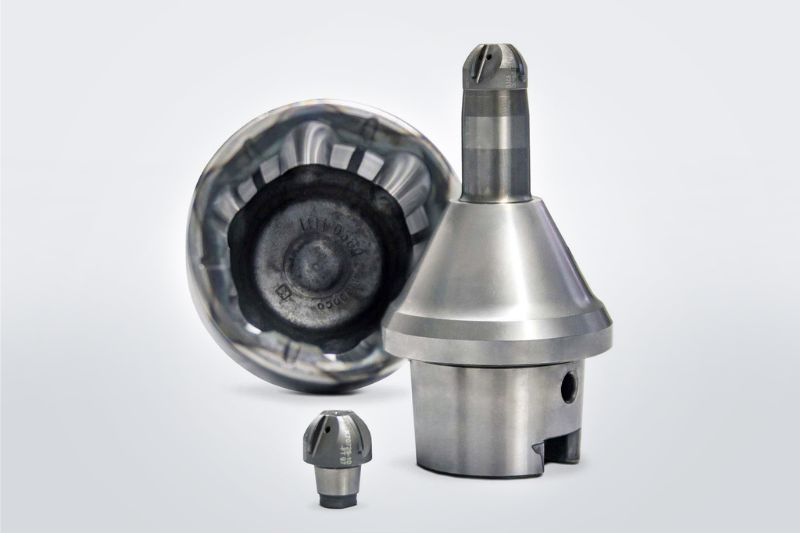
Die Bearbeitung der geschmiedeten Achszapfen auf einem Bearbeitungszentrum des Typs EMAG VSC 250 Twin stellt an die Maschine und an die Bearbeitungstechnologie hohe Anforderungen. Das Material C50 mod. weist dabei nach dem induktiven Härten eine Härte von 58 bis 63 HRC auf. „Mit unseren Kugelbahnfräsern erfolgt die finale Hartbearbeitung der Laufbahnen“, erläutert Klaus Schwamborn, der Neapco seit vielen Jahren betreut. Das Werkzeug mit vier eingelöteten PcBN-Schneiden trägt dabei zwischen 0,2 und 0,4 mm Material ab.
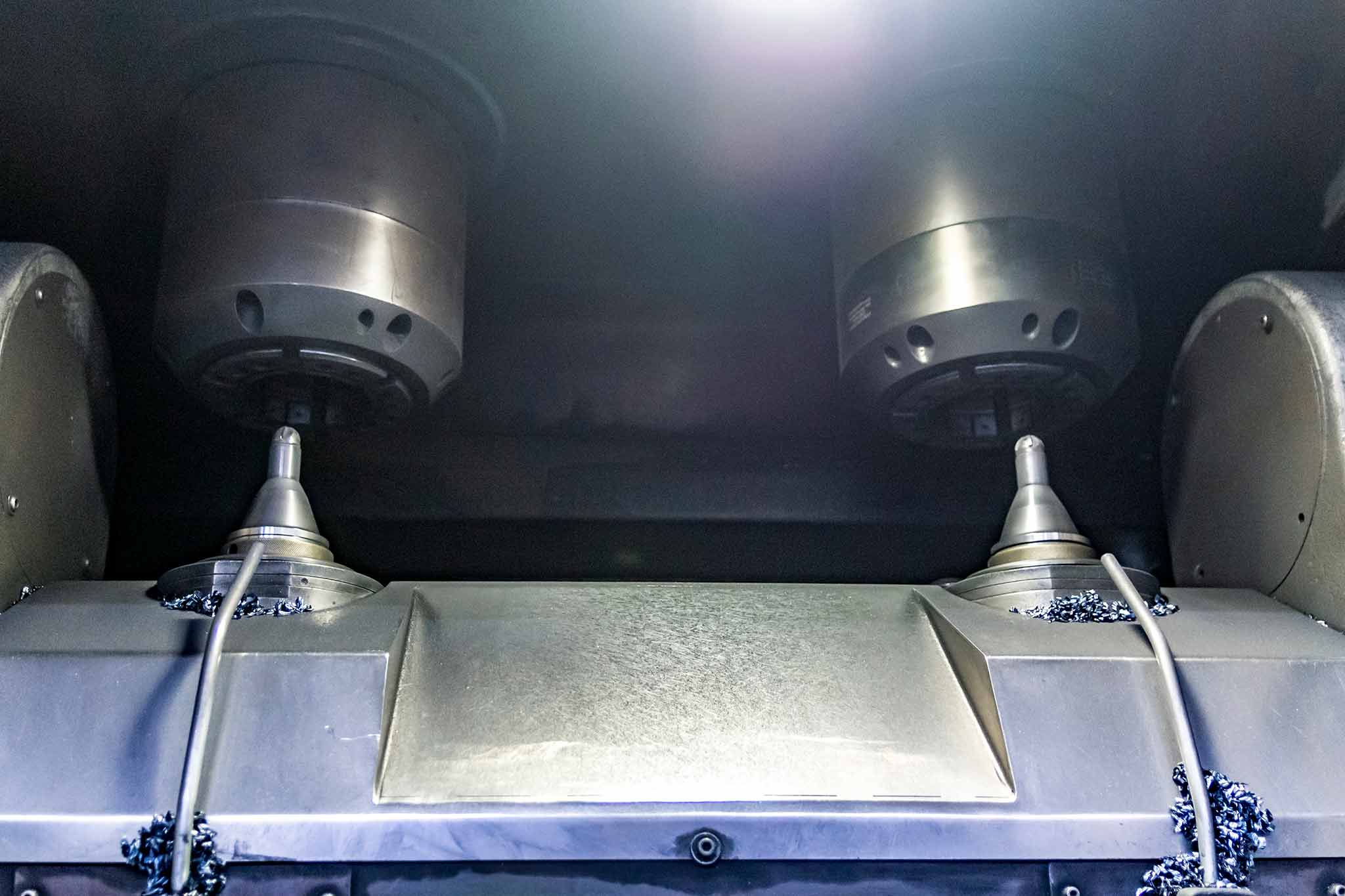
MAPAL eigene hochgenaue Schnittstelle
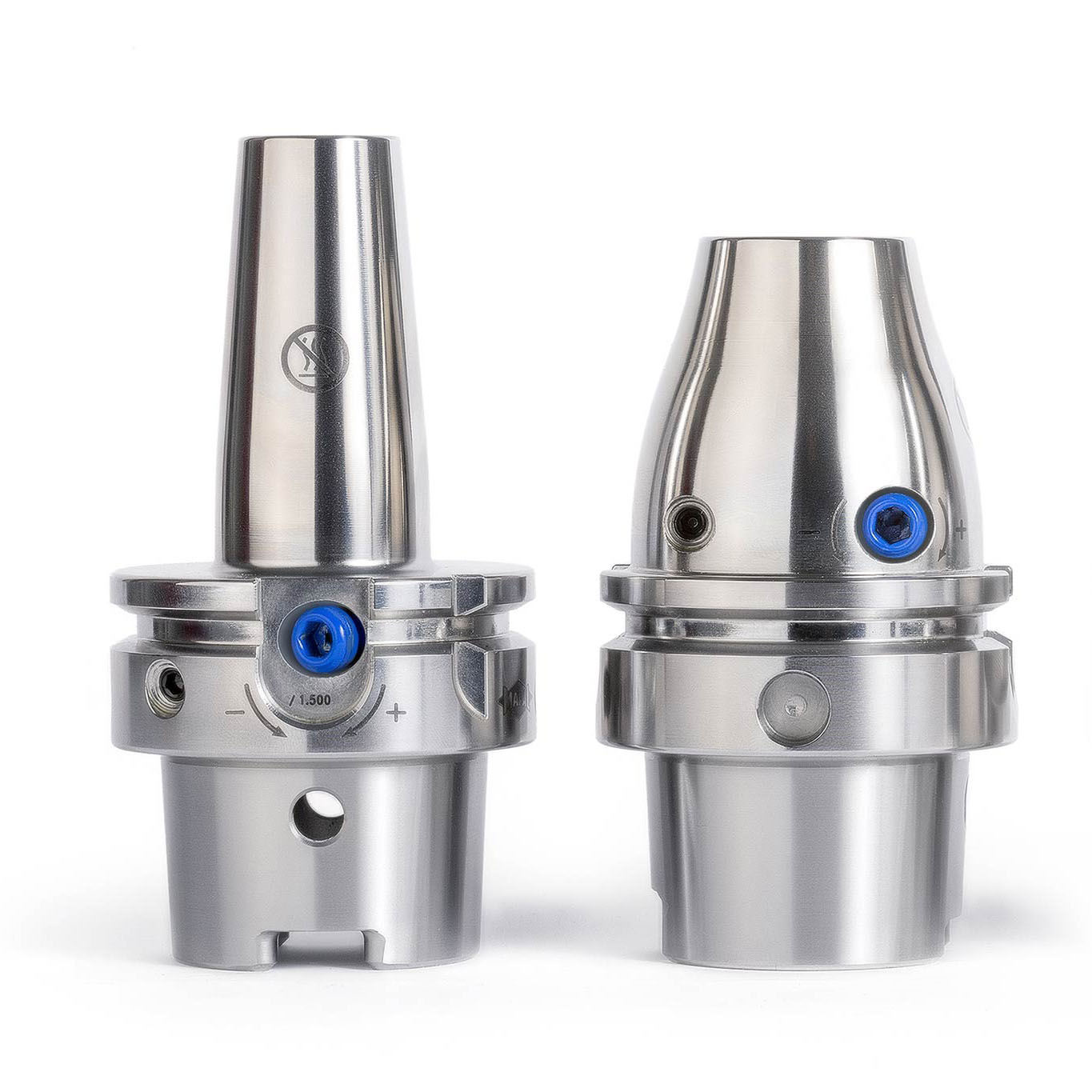
Über die MAPAL eigene HFS-Schnittstelle (Head Fittings System) sind Werkzeug und Werkzeughalter verbunden. Der Fräskopf wird mit einer hochfesten Spannschraube in den Halter eingezogen. Dabei wird der Kopf über den Kurzkegel µm-genau radial ausgerichtet und gegen die Planfläche verspannt, so dass auch das Längenmaß zur HSK-Planfläche exakt eingehalten wird. Zudem ermöglicht diese sehr stabile Trennstelle eine hohe Vorschubgeschwindigkeit.
„Die größte Herausforderung bei der Auslegung des Werkzeugs war die Einhaltung der Toleranzen hinsichtlich symmetrischem Kontaktwinkel und Oberflächengüte“, erinnert sich Schwamborn. Um wirtschaftlich zu produzieren, legt Neapco zudem Wert auf eine hohe Standzeit. „Anhand unserer fundierten Kenntnisse, die wir über viele Jahre aufgebaut haben, haben wir das Werkzeug genau auf die Anwendung und die Anforderungen von Neapco zugeschnitten“, sagt Schwamborn. Dabei hat MAPAL die Werkzeuggeometrie genau auf die geforderten Werte hinsichtlich Bahnspiel und der Schmiegung der Kugeln, die später zwischen Inner und Outer Race liegen, angepasst.
„Die größte Herausforderung bei der Auslegung des Werkzeugs war die Einhaltung der Toleranzen hinsichtlich symmetrischem Kontaktwinkel und Oberflächengüte“, erinnert sich Schwamborn. Um wirtschaftlich zu produzieren, legt Neapco zudem Wert auf eine hohe Standzeit. „Anhand unserer fundierten Kenntnisse, die wir über viele Jahre aufgebaut haben, haben wir das Werkzeug genau auf die Anwendung und die Anforderungen von Neapco zugeschnitten“, sagt Schwamborn. Dabei hat MAPAL die Werkzeuggeometrie genau auf die geforderten Werte hinsichtlich Bahnspiel und der Schmiegung der Kugeln, die später zwischen Inner und Outer Race liegen, angepasst.
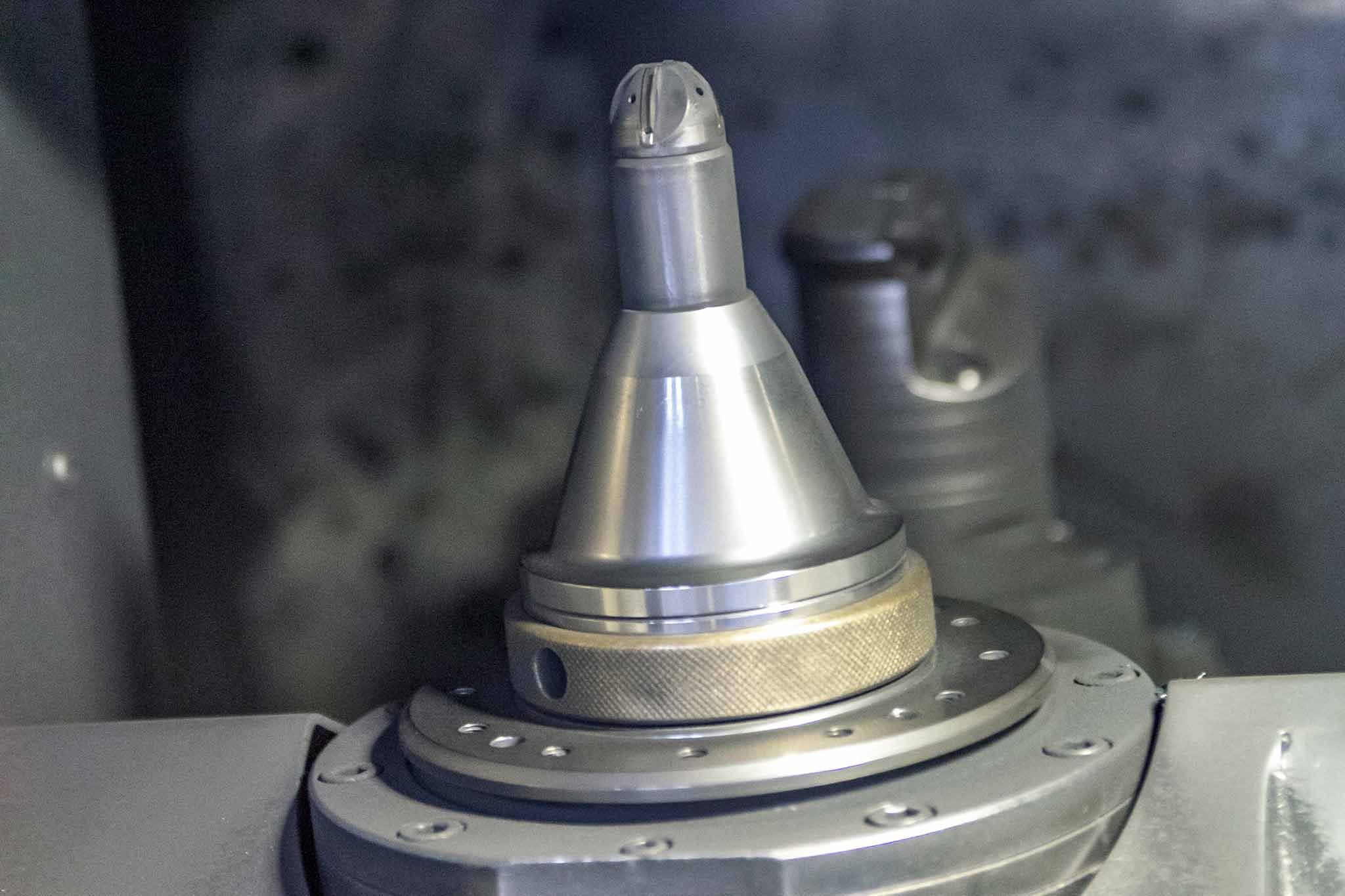
Optimaler technischer Support
Innerhalb weniger Tage war der Bearbeitungsprozess Anfang des Jahres 2018 komplett eingefahren, die Anforderungen von Neapco wurden dabei komplett erfüllt. Schon nach kürzester Zeit war eine prozesssichere Produktion gewährleistet. „MAPAL leistete optimalen technischen Support und Unterstützung beim Neuanlauf der Produktion“, bestätigt Ahmet Simsek, „für uns ist die partnerschaftliche, offene und vertrauensvolle Zusammenarbeit mit unseren Lieferanten ungemein wichtig und genau so einen Umgang pflegen wir gemeinsam mit MAPAL.“ Dafür sind neben Klaus Schwamborn auch Anwendungstechniker und Produktspezialisten des Präzisionswerkzeugherstellers häufig vor Ort in Düren. Zudem ist bei Neapco ein Konsignationslager mit den MAPAL Werkzeugen eingerichtet.
Und so verwundert es nicht, dass Neapco zahlreiche weitere MAPAL Werkzeuge in seiner Fertigung einsetzt – vor allem Feinbohrwerkzeuge sowie Bohrer und Fräser aus Vollhartmetall. „Darüber hinaus nutzen wir den Nachschliffservice und schicken unsere Werkzeuge zum Wiederaufbereiten an den Präzisionswerkzeughersteller“, schließt Ahmet Simsek.
Und so verwundert es nicht, dass Neapco zahlreiche weitere MAPAL Werkzeuge in seiner Fertigung einsetzt – vor allem Feinbohrwerkzeuge sowie Bohrer und Fräser aus Vollhartmetall. „Darüber hinaus nutzen wir den Nachschliffservice und schicken unsere Werkzeuge zum Wiederaufbereiten an den Präzisionswerkzeughersteller“, schließt Ahmet Simsek.