01.05.2019
Roadmap E-Mobilität
ZEISS PRISMO ultra beschleunigt Werkzeugentwicklung bei MAPAL
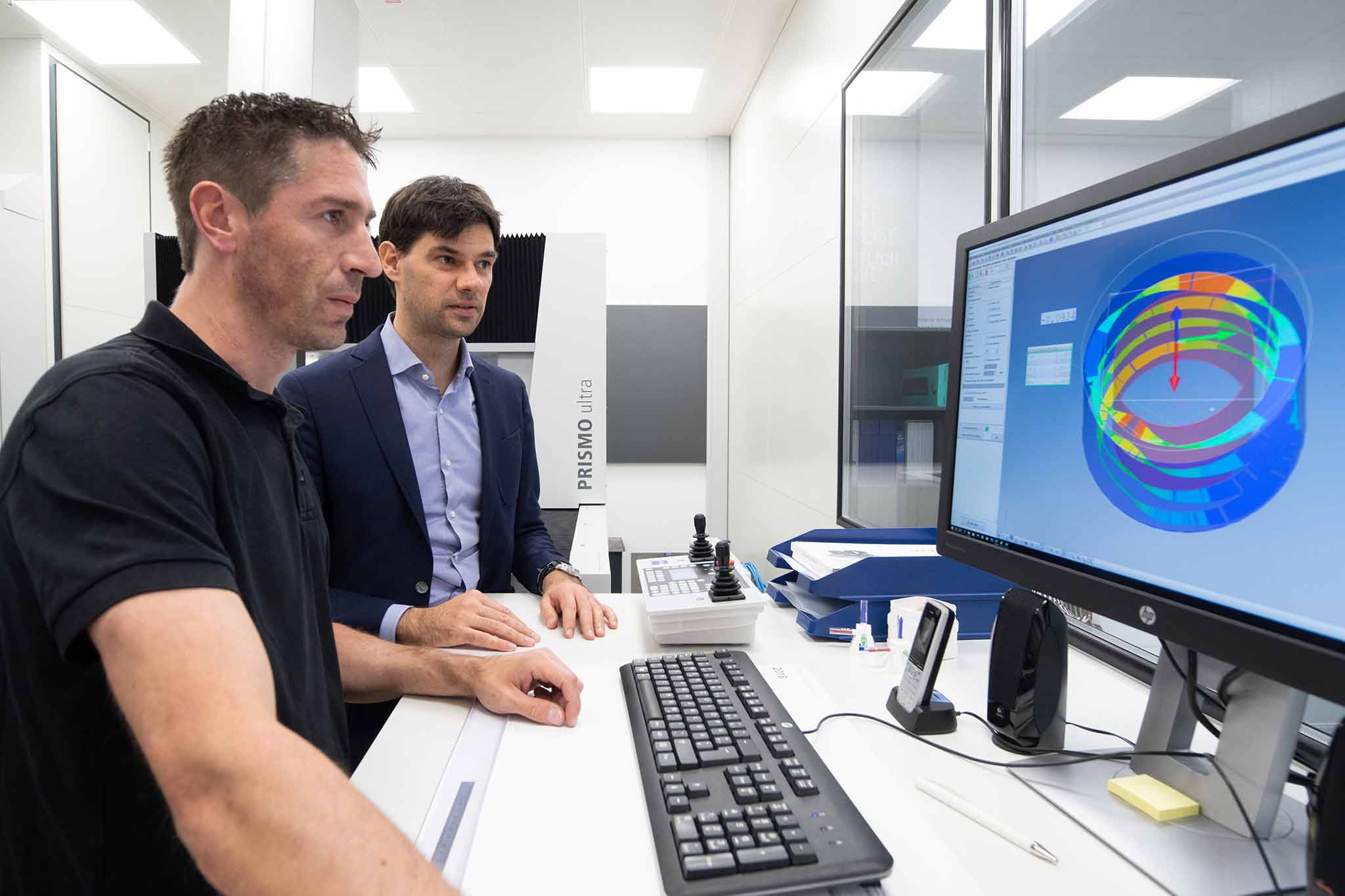
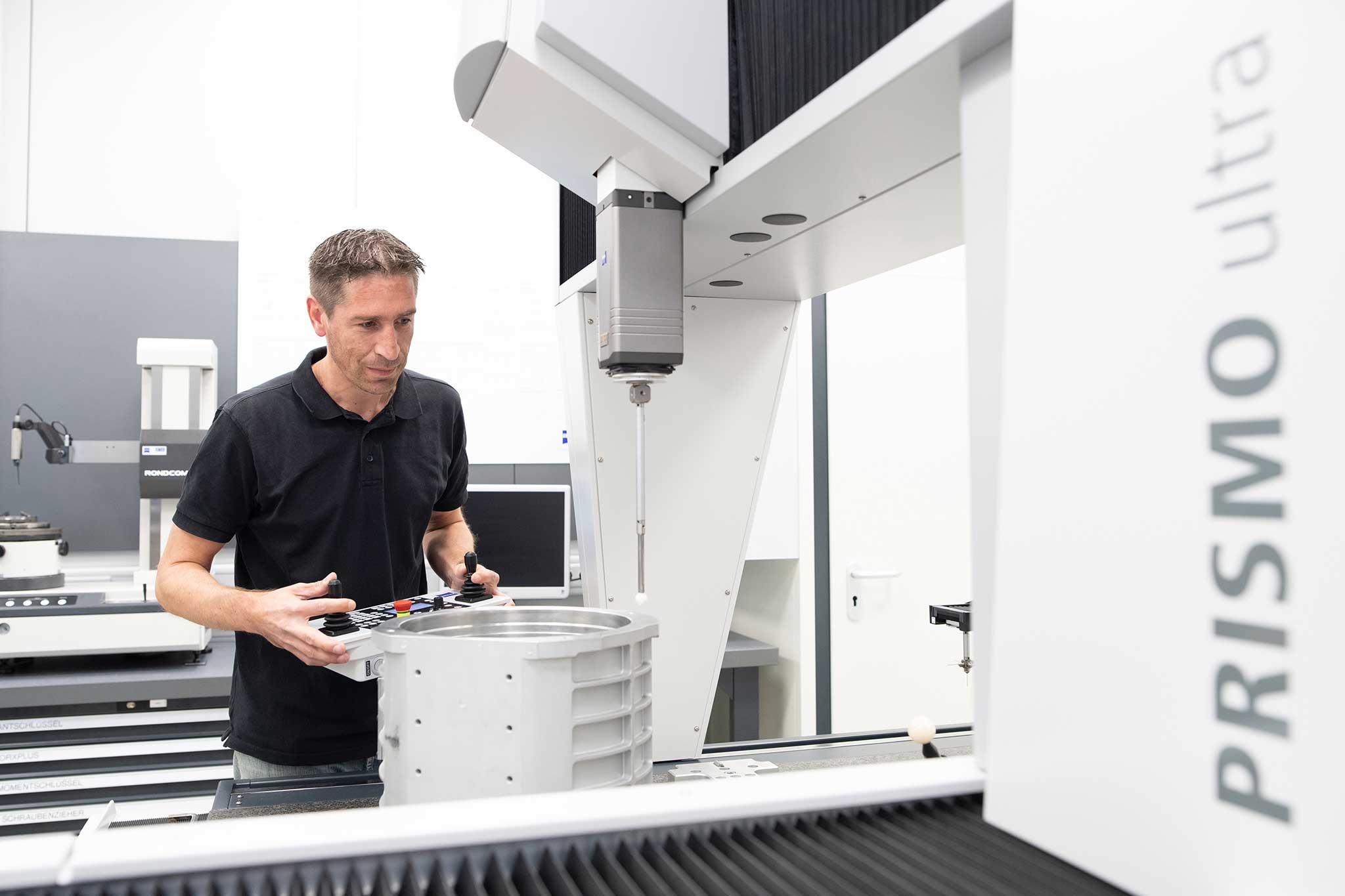
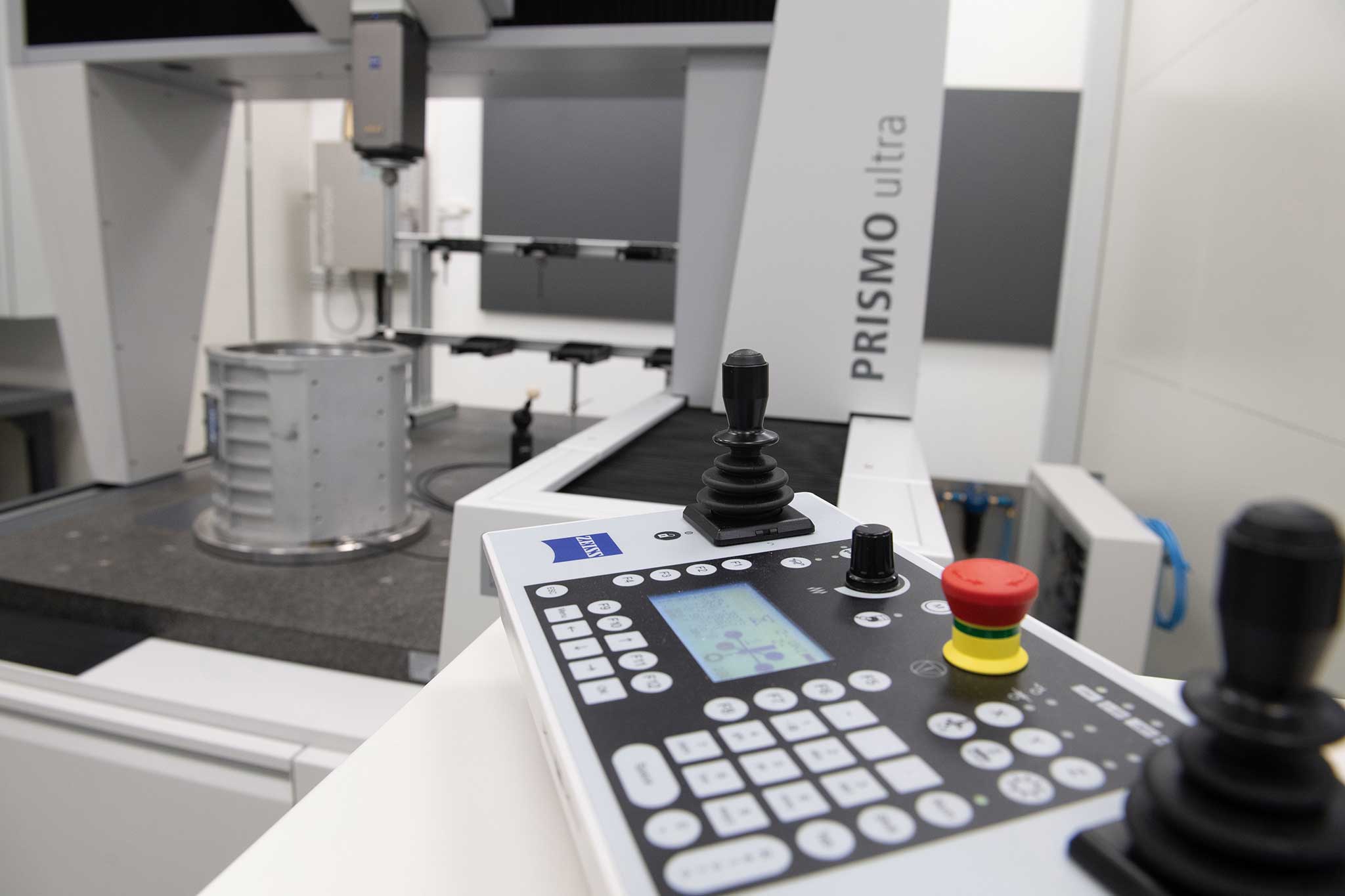
Heute wissen die Mitarbeiter der Entwicklungsabteilung der MAPAL Dr. Kress KG in der Regel innerhalb einer Stunde, ob neue Werkzeuge den hohen Präzisionsanforderungen ihrer Kunden genügen. Denn anstatt Tage auf die Messergebnisse des Dienstleisters warten zu müssen, messen sie die mit den neuen Werkzeugen bearbeiteten Werkstücke seit Anfang 2018 mit dem hochgenauen Koordinatenmessgerät ZEISS PRISMO ultra vor Ort. Diese Zeiteinsparung hilft dem weltweit agierenden Unternehmen, noch schneller innovative Werkzeuglösungen für zukunftsweisende Trends wie die E-Mobilität zu entwickeln.
2017 fiel die magische Marke: Erstmals verkauften die Autobauer weltweit über eine Million Elektrofahrzeuge. Um sich in dem Zukunftsmarkt gut zu positionieren, werden die großen Automobilhersteller deshalb weiterhin massiv in die Elektromobilität investieren. Volkswagen beispielsweise will dafür über die nächsten Jahre hinweg 20 Milliarden Euro in die Hand nehmen. Rund 50 Modelle reiner E-Autos und 30 Plugin-Hybridmodelle will der Konzern bis 2025 auf den Markt bringen.
Eine Kraftanstrengung, die auch von den Werkzeugherstellern viel abverlangt. Denn sie müssen für die mit der E-Mobilität verbundenen neuen Bauteile und neuen Materialien schnell die passenden Werkzeuge beziehungsweise Werkzeuglösungen entwickeln, erklärt Dr. Dirk Sellmer, Vice President Research & Development der MAPAL Dr. Kress KG.
Und weil der Zerspanungsaufwand bei Elektromotoren geringer als bei Verbrennungsmotoren ist, werden für diese Technik in Zukunft weniger Werkzeuge benötigt, sodass MAPAL neben dem Powertrain neue Geschäftsfelder aufbaut. Das Familienunternehmen, das weltweit über 5.500 Mitarbeiter beschäftigt, intensiviert unter anderem sein Engagement im Werkzeug- und Formenbau.

Über das Werkstück zum präzisen Werkzeug
Doch um hochpräzise, innovative Werkzeuge beziehungsweise Werkzeuglösungen entwickeln zu können, „brauchen wir hochpräzise Messergebnisse“, so Dr. Sellmer. Über Jahre hinweg ließ das Unternehmen deshalb seine Werkstücke und Werkzeuge bei einem externen Messdienstleister messen. Um dem Kunden schneller die maßgeschneiderten Werkzeuge zur Verfügung stellen zu können, die sich „wie Legosteine zu komplexen Lösungen kombinieren lassen“, investierte das Unternehmen 2018 in ein hochgenaues Koordinatenmessgerät (KMG) der Firma ZEISS.
Seit Anfang Januar 2018 arbeiten zwei Mitarbeiter des Werkzeugherstellers mit ZEISS PRISMO ultra. Nach knapp einem Jahr steht für Dr. Sellmer bereits fest: „Die Investition hat sich gelohnt“. Das Messgerät entspricht den hohen Präzisionsanforderungen und war sofort ausgelastet. Die beiden Mitarbeiter der Entwicklungsabteilung, die immer abwechselnd zwei Wochen am Messgerät und zwei Wochen an den Fertigungsmaschinen arbeiten, prüfen auf dem KMG die Werkzeuge, die in der Abteilung entwickelt werden.
Vor allem aber messen sie die Werkstücke, die im Entwicklungsbereich mit den MAPAL Werkzeugen bearbeitet werden. So lässt sich erkennen, wie präzise und stabil die Werkzeuge unter Fertigungsbedingungen sind. Um Präzision dreht sich überhaupt sehr viel bei dem in Aalen sitzenden Unternehmen. Denn die meisten MAPAL Werkzeuge bzw. Werkzeuglösungen werden dann eingesetzt, wenn Bauteile hochgenau zerspant werden müssen.
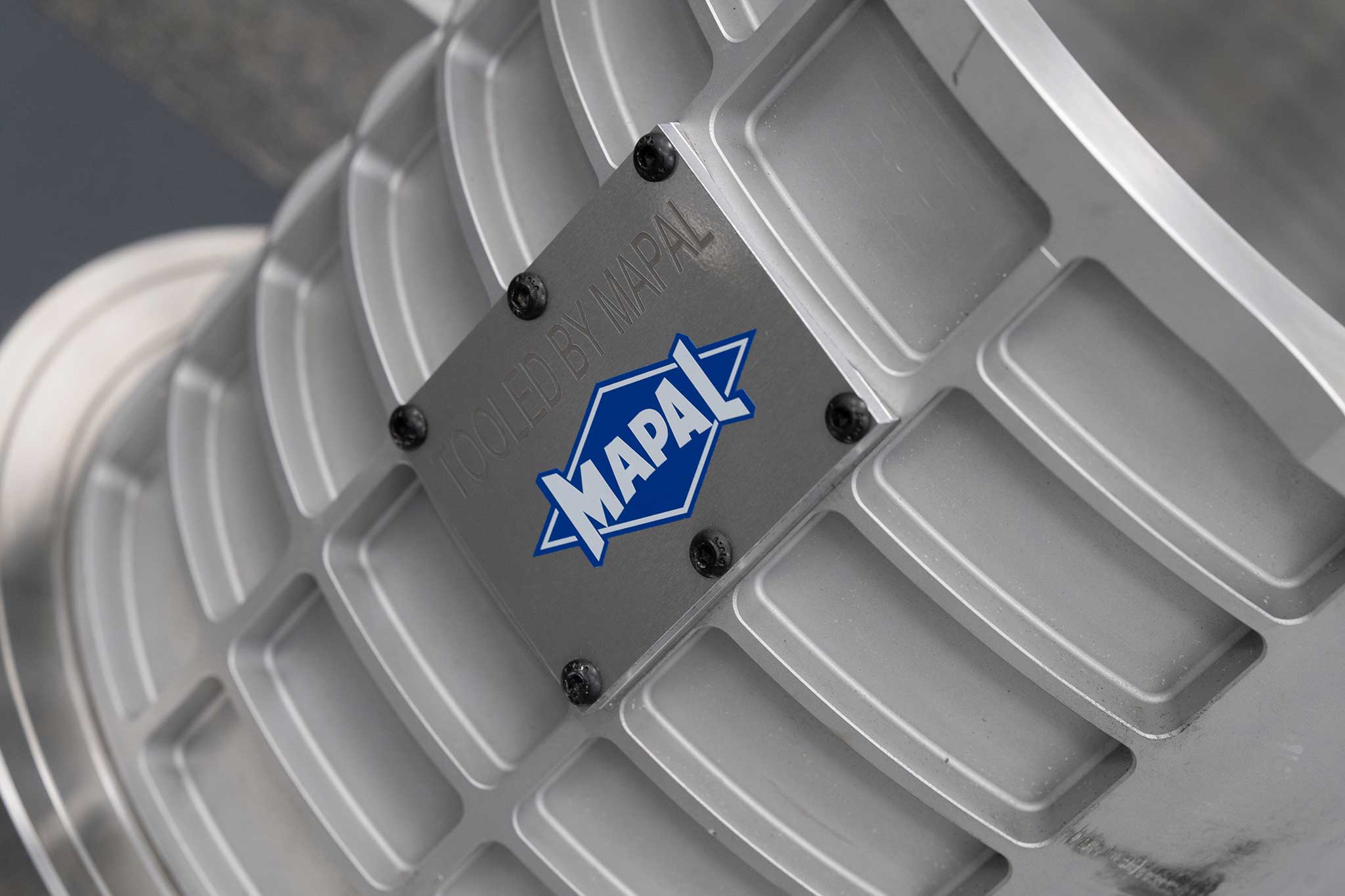
Ein aktuelles Beispiel, wie MAPAL die Anforderungen seiner Kunden meistert, ist das Statorgehäuse eines Elektromotors. Die Herausforderung bei diesem Gussteil besteht darin, die Hauptbohrung mit einem großen Durchmesser über die gesamte Tiefe des Bauteils hinweg auf wenige Mikrometer genau zu bearbeiten. Bei der Rechtwinkligkeit liegt die Toleranz beispielsweise bei 30 Mikrometern, das sind 0,03 Millimeter, und bei der Koaxialität bei 50 Mikrometern.
PKD-Werkzeug zur Bearbeitung des Statorgehäuses
Für große Bohrungen sind dies ausgesprochen enge Toleranzvorgaben. Warum die Anforderungen so hoch sind, erklärt sich aus dem Aufbau des Elektromotors, etwa eines permanenterregten Synchronmotors, der im Bereich NEV (New Energy Vehicle) im Moment noch deutlich häufiger als andere Motorenkonzepte anzutreffen ist: Der unbewegliche Teil des Elektromotors wird als Stator bezeichnet. Der Stator enthält dabei Wicklungen oder alternativ gesteckte Kupferdrähte, sogenannte Hairpins. Diese erzeugen durch Speisung mit Drehstrom ein rotierendes Magnetfeld. Innerhalb des Stators befindet sich der sogenannte Rotor. Dieser folgt aufgrund seines permanenterregten Magnetfeldes dem Magnetfeld des Stators. Die Drehzahl des Rotors ist dabei proportional zur Drehzahl des magnetischen Feldes (deshalb synchron).
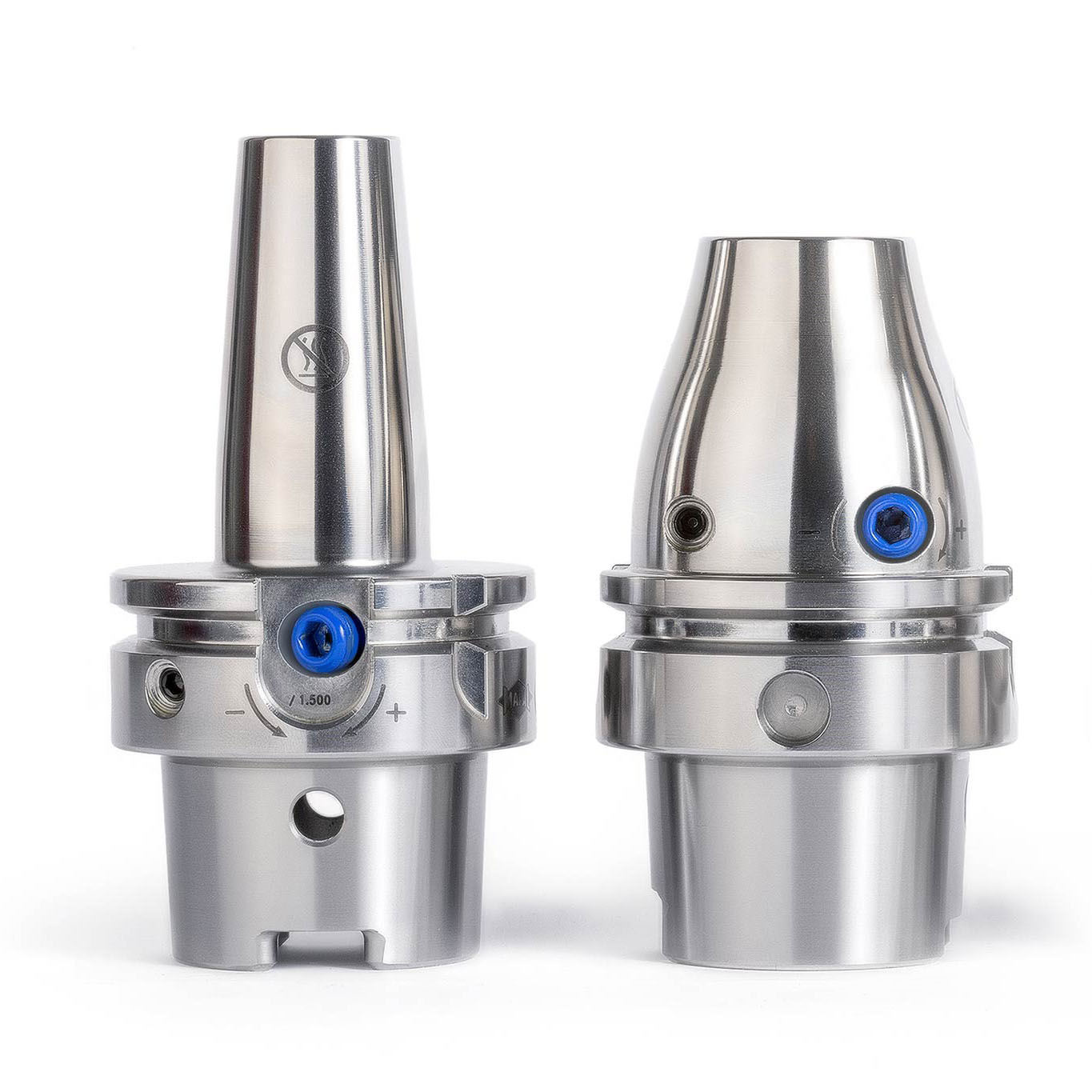
Aufgrund der Drehbewegung des Rotors muss es einen Luftspalt zwischen Rotor und Stator geben. Da dieser jedoch einen relativ großen magnetischen Widerstand darstellt, durch den die magnetische Flussdichte verringert wird – was den Wirkungsgrad des Motors senkt –, wählen Konstrukteure diesen Spalt so schmal wie möglich. Damit die Fertigung der Konstruktion keinen Strich durch die Rechnung macht, bietet MAPAL seinen Kunden ein hochpräzise arbeitendes und dabei für seine Größe sehr leichtes Werkzeug.
Zunächst wird der Zylinder des Statorgehäuses aufgebohrt. Das heißt, dass ein ca. 30 Zentimeter langes Werkzeug zunächst die äußere Gussschicht in der Bohrung des Gehäuses abträgt. Anschließend wird die Oberfläche feingerieben. Seit ungefähr 1,5 Jahren bietet MAPAL Werkzeuge für die hochpräzise Bearbeitung der Hauptbohrungen von Statorgehäusen an. Und da nicht jedes Gehäuse gleich ist, werden diese Werkzeuge für jeden Kunden maßgeschneidert.
Vor-Ort-Messungen reduzieren Wartezeit
Dafür stellen die Automobilbauer MAPAL in der Regel zehn bis 30 Gehäuse zur Verfügung, die im Versuchsbereich mit den entsprechenden Werkzeugen bearbeitet werden. Die Messungen nach den Bearbeitungsdurchgängen bilden für die Techniker die Grundlage, um die hochkomplexen Werkzeuglösungen entsprechend der Kundenvorgaben zu optimieren.
Vor der Anschaffung eines eigenen Koordinatenmessgerätes ließ MAPAL die Werkstücke und Werkzeuge bei einem externen Messdienstleister messen. Innerhalb von zehn Jahren erhöhte sich jedoch der Messaufwand deutlich. Denn zunehmend fährt MAPAL auch die Werkzeuge für seine Kunden ein bzw. übernimmt die Vorserienproduktion. Um dies für die Auftraggeber transparent zu machen, werden viele Messungen durchgeführt.
Mit dem zunehmenden Messaufwand erhöhten sich auch die Ausgaben. „Im Vergleich zu 2007 gaben wir 2017 mehr als das Doppelte für die externe Messdienstleistung aus“, so Dr. Sellmer. Die Kosten waren jedoch nicht der ausschlaggebende Punkt für die Entscheidung, in ein KMG zu investieren.
„Keiner muss heute, so wie früher üblich, zwei bis drei Tage auf seine Messergebnisse warten.“ Heute liegen die Messergebnisse in der Regel innerhalb einer Stunde vor.
Und nicht nur das. Da bei MAPAL Mitarbeiter messen, die sich zum Messtechniker weiterqualifiziert haben, gibt es auch weniger Messartefakte. „Denn da unsere Mitarbeiter auch an der Fertigungsmaschine stehen, wissen sie intuitiver, wo beispielsweise Verschmutzungen das Messergebnis beeinflusst haben könnten“, so Sellmer.
Zudem werden die Bauteile jetzt aufgespannt in der Bearbeitungsvorrichtung vor Ort gemessen. Dies reduziert ebenfalls mögliche Messartefakte, die durch das Ab- beziehungsweise das erneute Aufspannen der Werkstücke verursacht werden. Auch das spontane Messen zwischendurch, um beispielsweise bei relativ dünnwandigen Teilen wie dem Statorgehäuse zu ermitteln, welchen Einfluss das Spannen auf das Bearbeitungsergebnis hat, ist für MAPAL ein großer Vorteil.
Und noch einen Punkt hebt er positiv hervor: Die Kommunikation zwischen den Ingenieuren und den Technikern hat sich verbessert. Sie diskutieren jetzt an der Messmaschine die Ergebnisse, anstatt sich Messprotokolle nur hinzulegen. Das trägt stark zum Wissenstransfer bei. „Wir kommen jetzt deutlich schneller ans Ziel“, ist sich Dr. Sellmer sicher.
Neues Messgerät, neuer Messraum
Um das Potenzial des hochgenauen Portalmessgerätes nutzen zu können, musste der Werkzeughersteller jedoch zunächst einen Messraum der Güteklasse 1 errichten. Eine Investition, die in etwa so hoch war, wie für das Messgerät selbst. Deshalb vertraute MAPAL beim Bau des Präzisionsmessraums auf die Empfehlungen von ZEISS, auch bezüglich der ausführenden Firmen.
„Das Ergebnis ist überzeugend“, so Dr. Sellmer. Der ca. 20 Quadratmeter große, neugeschaffene Messraum bietet dank einer speziellen Klimatisierung und einer eigenen Belüftungsanlage eine hohe Messsicherheit und „damit die passende Umgebung für unsere Messaufgaben“.
Die Frage ZEISS oder ein anderer Anbieter stellte sich für Sellmer dabei nie. Zum einen, weil er und seine Mitarbeiter bereits seit Jahren mit mehreren ZEISS Geräten arbeiten und sowohl vom Handling als auch von der Qualität der Geräte und des Services „ausgesprochen überzeugt“ sind.
Und zum anderen, weil „sehr viele unserer Kunden ZEISS Geräte nutzen“. Mit ZEISS zu arbeiten, schafft daher Vertrauen und vereinfacht sogar die Kommunikation mit den Kunden. „So kommen wir möglichen Problemen gemeinsam und damit schneller auf die Spur“, findet Dr. Sellmer.