13.10.2021

MAPAL Focuses on Fluid Technology

In addition to drive systems and components, fluid technology is one of the most important supplier sectors for all industrial production. Going forward, MAPAL will manage this important area as an independent market segment. For many years, customers have relied on the expertise of the tool manufacturer for demanding machining operations for hydraulic parts. However, as a solution provider, the tool manufacturer also has concepts for the cost-optimised manufacturing of the whole product.
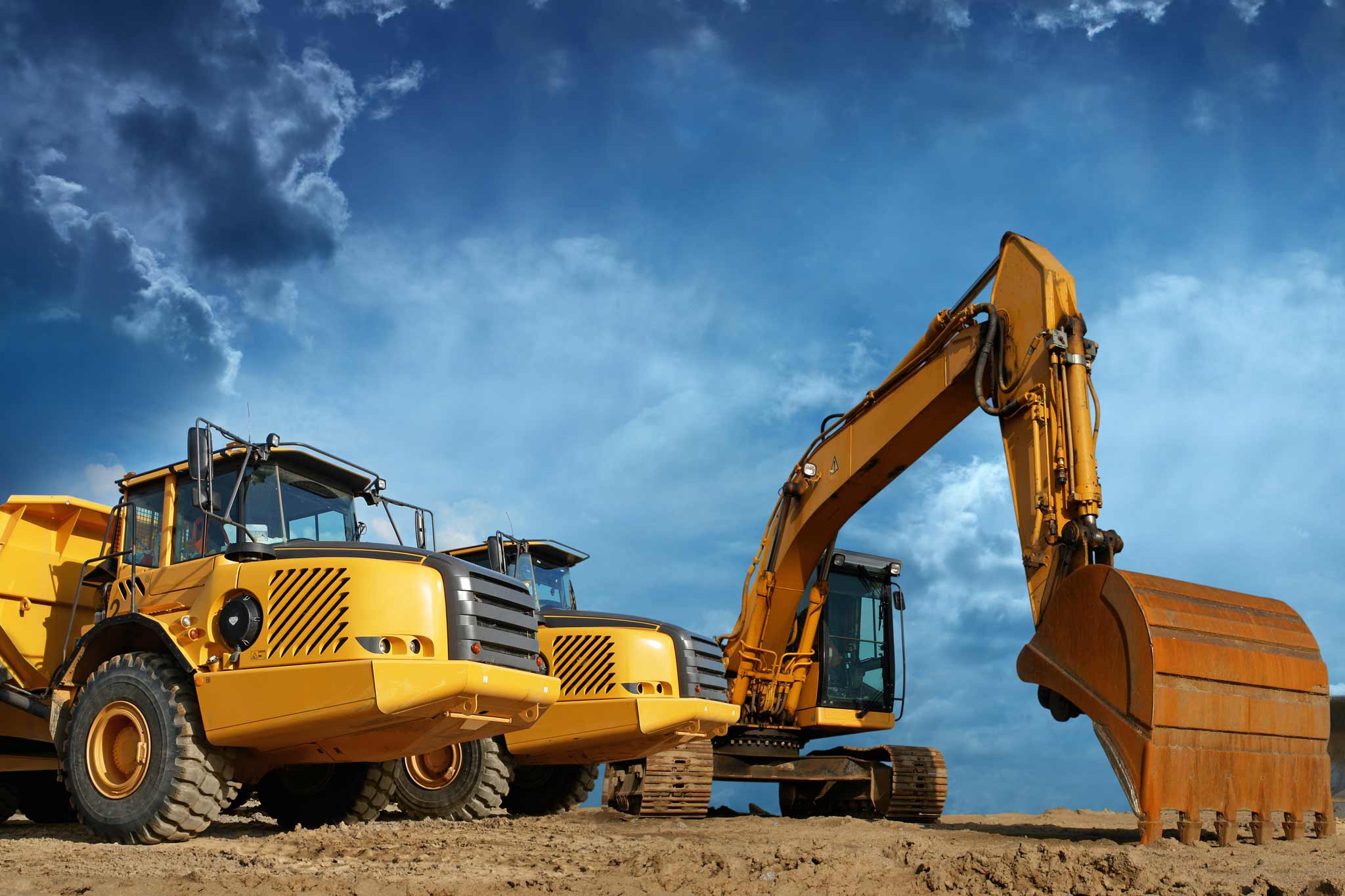
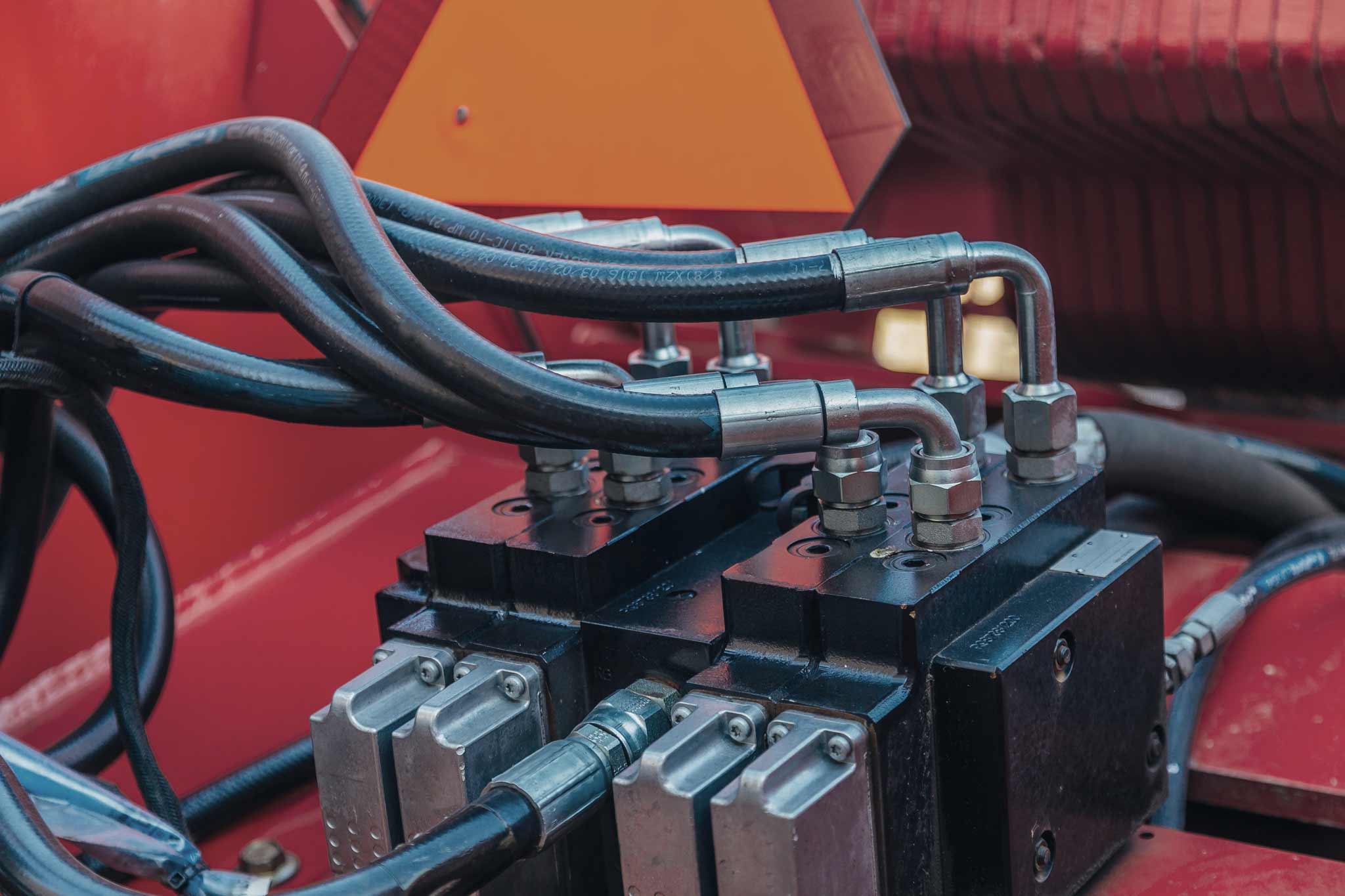
Verschiedene Baumaschinen.
  • Verschiedene Baumaschinen.
  • Detailansicht von Hydraulikkomponenten
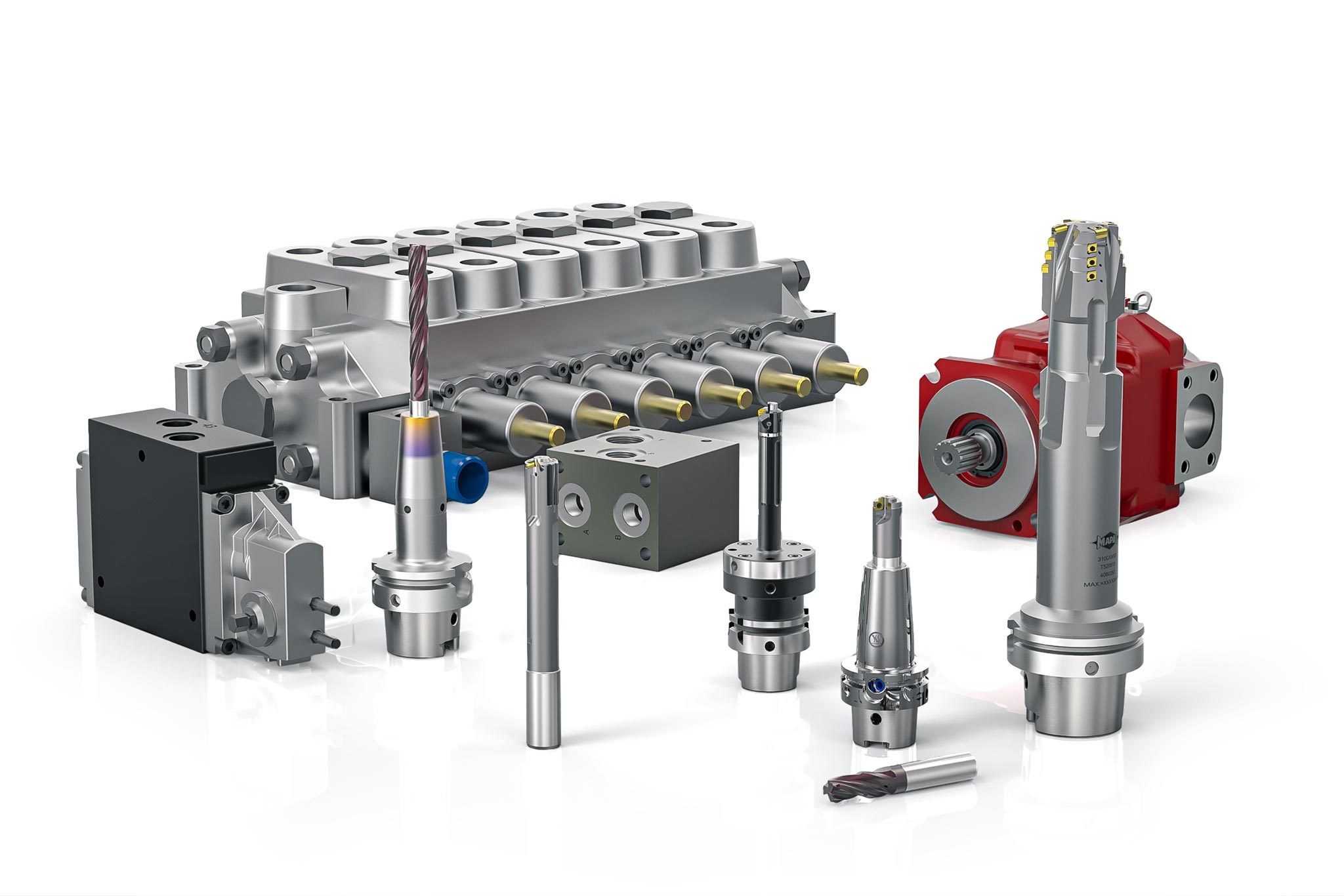
  • Beispiele von Ventilgehäusen mit den zur Bearbeitung eingesetzten MAPAL Werkzeugen.
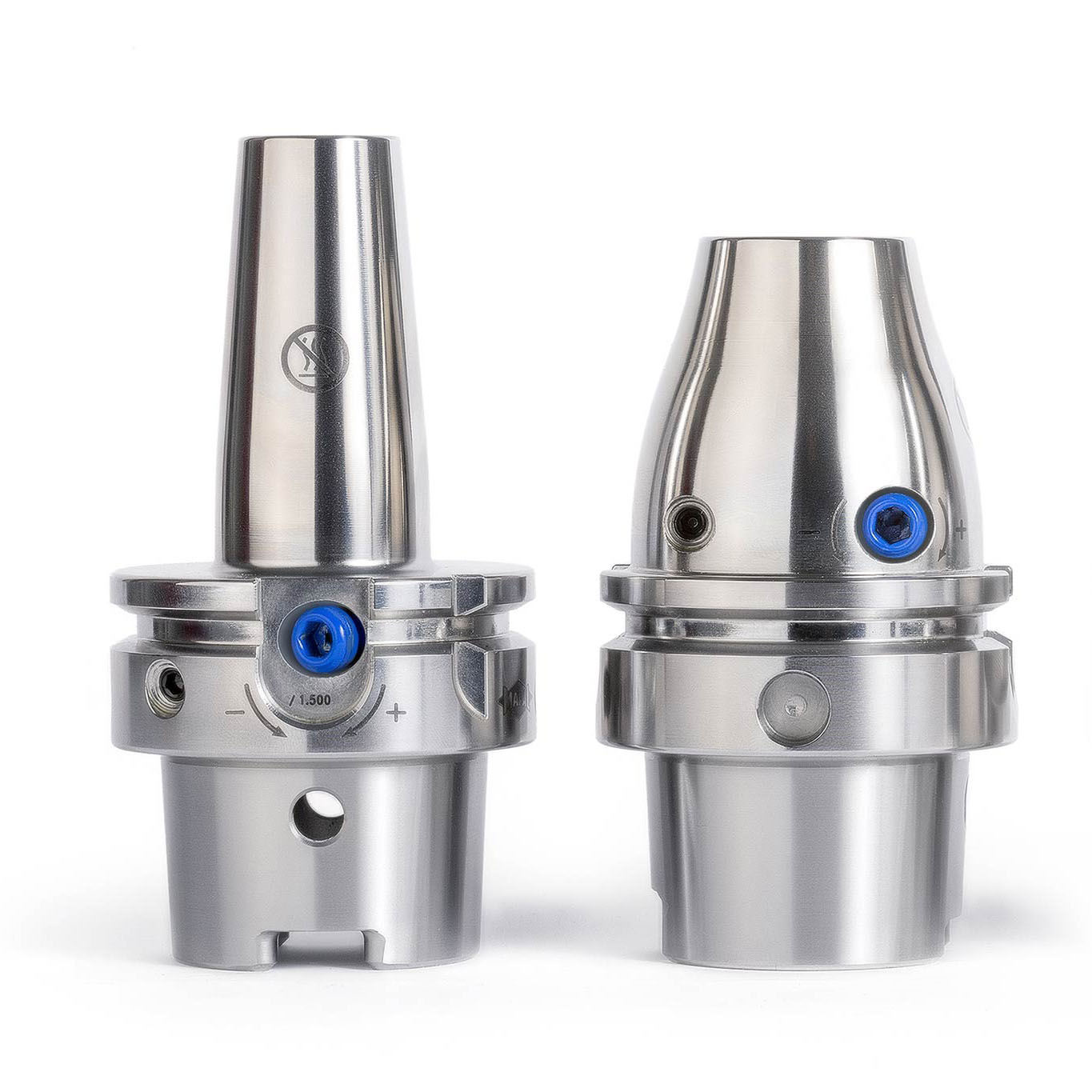
  • Ein MAPAL Feinbohrwerkzeug, das für die Fertigbearbeitung der Spool-Bohrung in Ventilgehäusen eingesetzt wird.
  • Ein Tangential-Schruppwerkzeug mit Wendeschneidplatten von MAPAL.
Die Produkte der Fluidtechnik gehen in sehr viele Absatzmärkte wie etwa Maschinen- und Anlagenbau, Energie- und Umwelttechnik, Automatisierungstechnik, Druckmaschinen, Holzbearbeitungsmaschinen, Nahrungsmittel- und Verpackungsmaschinen, Luft- und Raumfahrt oder Schiffbau. Getrieben von weltweit steigenden Bevölkerungszahlen sind vor allem Landtechnik und Baumaschinen absolute Wachstumsmärkte.

Deutschland ist Technologieführer

Der Fluidtechnik aus Deutschland bescheinigt der VDMA in einer Branchenanalyse eine sehr hohe Innovationskraft. Im Welthandel liegt Deutschland damit vor den USA und China auf Platz 1 und erreicht eine Exportquote von 60 Prozent, ist also weltweit in dieser Branche der wichtigste Lieferant. Die Auslandsproduktion vieler deutscher Fluidtechnik-Unternehmen steigert die Marktdurchdringung zusätzlich. Der Blick auf eine vergleichsweise krisensichere Wachstumsbranche ist für MAPAL nicht der einzige Grund, die Fluidtechnik verstärkt in den Fokus zu nehmen. Die zu zerspanenden Werkstoffe Gusseisen, Stahl, rostfreie Stähle und Nichteisenmetalle eignen sich bestens für das Produktportfolio des Werkzeugherstellers. Über die Ausführung anspruchsvoller Bearbeitungsschritte hinaus kann MAPAL hier als Technologiepartner den gesamten Prozess weltweit unterstützen. „Die Bedürfnisse der Kunden passen zu unserer MAPAL DNA“, analysiert Jochen Schmidt, der das Segment General Machining leitet. Technologiepartner zu sein, heißt für ihn, sowohl die Kundenbedürfnisse als auch das Produkt und dessen Funktion im Endprodukt zu verstehen.

Feinarbeit fürs Grobe

So ein Endprodukt kann beispielsweise ein Bagger sein. Hinter einer Reihe von Hebeln sitzend, wird der Baggerführer an seinem Arbeitsplatz zum Virtuosen. Meist bedient er zwei, drei Hebel gleichzeitig, um Ausleger oder Schaufel nicht nur in einer Richtung zu bewegen, sondern komplexe Abläufe umzusetzen. Weil überlagerte Bewegungen die Regel sind, haben vielfach Joysticks anstelle der Hebelreihen Einzug in die Kabinen gehalten.
Detailansicht von Hydraulikkomponenten
Bei modernen Hydraulikventilen ist das Spaltmaß sehr eng toleriert, damit das Hydrauliköl nur in die gewünschte Richtung fließen kann  ©iStock | Vladimir Zapletin
Egal, ob Hebel oder Joystick: um damit tonnenschwere Lasten millimetergenau ins Ziel zu bringen, muss für das perfekte Zusammenspiel jede einzelne Bewegung sehr genau und zuverlässig ausgeführt werden. Jeder Hebel ist mit einem bestimmten Ventilgehäuse verbunden. Je mehr Funktionalitäten die Maschine hat, desto mehr solcher Ventile werden in Reihe verbaut. Die Zahl der Teile, die beim Baggern bewegt werden können, korrespondiert mit der Zahl der verbauten Ventilgehäuse.

Everything depends on the main bore

For Jochen Schmidt, manufacturing them is the supreme discipline in the world of hydraulics. For many years, MAPAL's expertise has been in demand for the spool bore in the valve housings. The gap dimension with the slide depends on the accuracy of this bore, which is very narrowly defined in modern hydraulic valves, so that the hydraulic oil can only flow in the required direction. The roundness, straightness and surface finish of this bore are also crucial.
Examples of valve housings with the MAPAL tools used for machining.
With its comprehensive product portfolio and world-class technological expertise, MAPAL supports its customers' complete fluid technology processes  ©MAPAL

The first machining step takes the varying quality of the cast blanks into account. Since the pre-cast bores are relatively imprecise, a precise pilot bore must first be created in the first ridge. This lays the foundation for creating a good cylindrical form in the subsequent machining steps. Next, a solid carbide tool or, in the case of the larger parts, a tool with indexable inserts passes through the entire bore. What the pilot drill has created for the first ridge is now produced along its entire length. To prevent ring formation in the hollow chambers due to propelled chips, MAPAL ensures a soft cut during machining by using tangential technology. This can eliminate the need for a separate washing cycle in the process.

After this pre-machining, the classic fine boring tool from MAPAL is used, finishing the bore extremely precisely. It has an adjustable cutting edge and guide pads, which prevent the tool from being displaced from ridge to ridge. This produces a high degree of straightness and an exact cylindrical form.
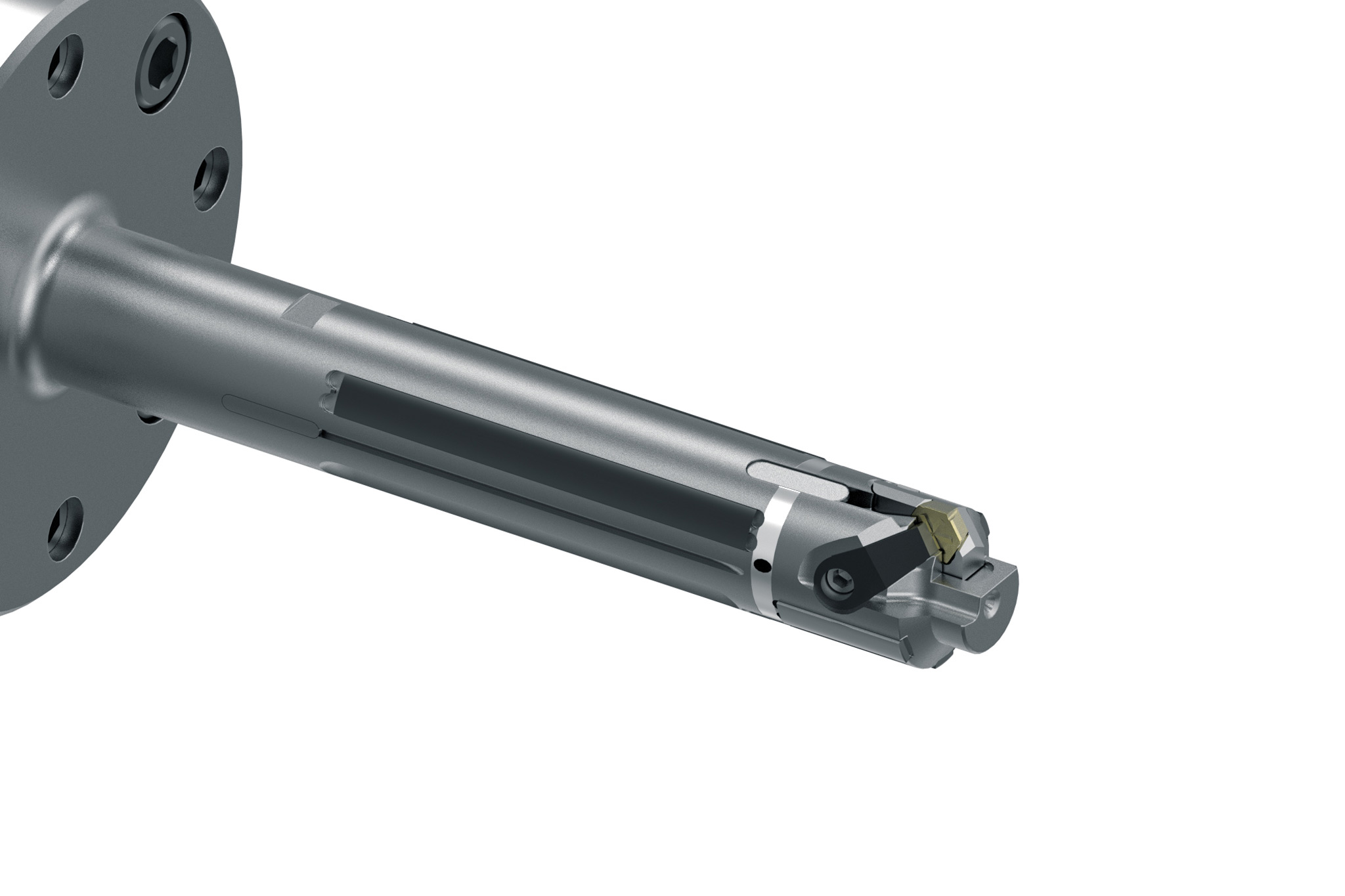
 

A MAPAL fine boring tool used for finishing the spool bore in valve housings.
The required tolerances of the spool bore in terms of roundness (2.5 µm) and straightness (1 µm) are achieved in series production  ©MAPAL
The different valve housings have different requirements. The fact that a three-stage honing process is added for some parts after the fine machining of the spool bore shows how high they can be. Since quantities in the sector are increasing and production capacities are often inadequate, honing has become an important issue. The workpiece usually has to be moved to another machine for this, which takes time, drives up costs and sometimes creates a bottleneck in the manufacturing process.

Cost drivers are eliminated

Nonetheless, the bore quality can be improved with the MAPAL fine boring tool under certain circumstances, so that only a single-stage or two-stage honing process is required, or honing can even be dispensed with altogether. In many cases, where three stages are still needed, this process is considerably faster thanks to the good pre-machining. Any time saved pays off here. Although the hydraulics sector is characterised by extremely high component variance, the quantities in series production are in the millions.

MAPAL considers it important to identify and eliminate possible cost drivers. "As a technology partner, we have the product portfolio to be able to design the entire process for the complete component in line with requirements," assures Jochen Schmidt. In addition to the central spool bore, MAPAL also carries out the fine machining for the pressure balance bore and was able to completely replace honing here. With 2 µ for straightness and roundness, high accuracy is also required for this shorter bore.
 

High efficiency with standard tools
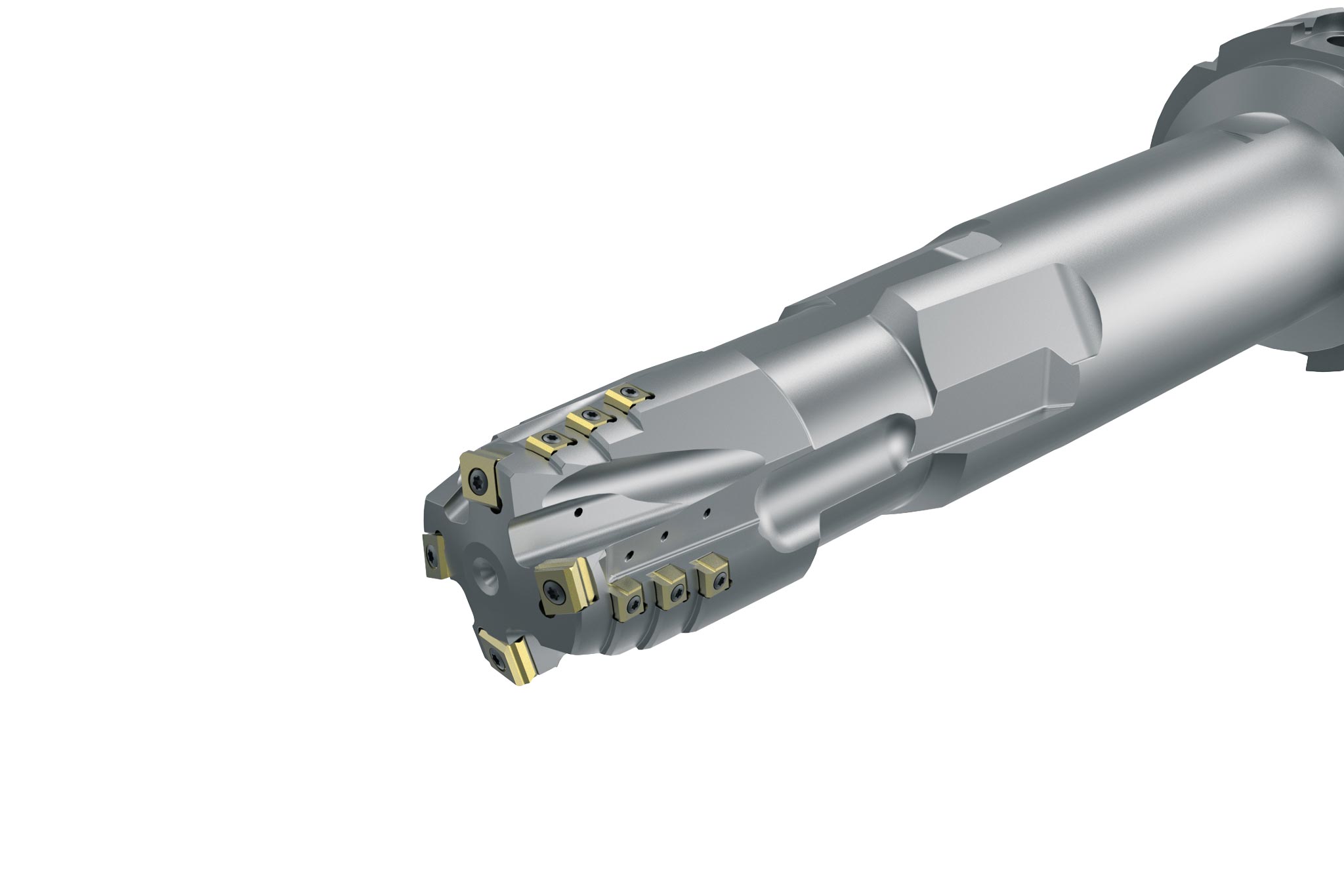
Machining hydraulic parts requires more than just expert and custom tools; it also involves different technologies that make economical machining possible even with the available standard portfolio. One example is provided by tangential roughing tools (TSW), which provide significant savings in peak times and a significant improvement in quality when pre-machining bores in valve housings for mobile hydraulics.
A tangential roughing tool with indexable inserts from MAPAL.
A tangential boring tool with indexable inserts from MAPAL carries out the pre-machining process reliably and significantly reduces the intervention times  ©MAPAL

Die Bauteile sind 500x500 mm große Ventilblöcke aus GGG50, bei denen drei Kolbenbohrungen von beiden Seiten zu bearbeiten sind, wobei das Aufmaß im Durchmesser bis zu 16 mm geht. Die TSW von Mapal erzeugen kurze Reißspäne und verhindern damit, dass Ringe in die Zwischenräume gedrückt werden, die dann mit hohem Aufwand entfernt werden müssen. Pro Bauteil konnte die Eingriffszeit um 15,33 Minuten verkürzt werden. Die Gehäuse des entsprechenden Typs wurden in einer Stückzahl von 500 gefertigt, was insgesamt eine Zeiteinsparung von 128 Stunden bedeutet.

In Zukunft die kompletten Bauteile zu zerspanen, ist für MAPAL ein strategischer Schritt. Gab es früher in der Industrie noch den Zielkonflikt zwischen hoher Produktivität oder möglichst guter Qualität, lässt sich heute beides miteinander prozesssicher vereinbaren.


Kathrin Rehor, PR Project Manager bei MAPAL

Kontakt

Kathrin Rehor Public Relations Kathrin.Rehor@mapal.com Tel.: +49 7361 585 3342


Further items about the products area