01.02.2018
Maschinen erfolgreich umrüsten
re.tooling lohnt sich – auch für kleine und mittlere Unternehmen
Das Umrüsten, re.tooling einer bestehenden Anlage kann einen wesentlichen Beitrag dazu leisten, einen Bearbeitungsprozess wirtschaftlicher, produktiver und präziser zu gestalten. Besonders gute Ergebnisse lassen sich erzielen, wenn Werkzeug, Spannlösung sowie Bearbeitungskonzept passgenau auf die Maschine und die Bearbeitungsaufgabe zugeschnitten sind. Das zeigt das Beispiel der Stefan Plätzer Maschinenbau GmbH, die mit Unterstützung des re.tooling Services von MAPAL die Anzahl an produzierten Bauteilen eines bestehenden Bearbeitungszentrums von vier auf 30 Teile pro Stunde gesteigert hat.
Im Frühjahr 2011 erhielt Stefan Plätzer die Gelegenheit einen kleinen, aber feinen Maschinenbauer in Eggolsheim zu übernehmen. Zwei Faktoren gaben für ihn den Ausschlag, den Schritt in die Selbständigkeit zu wagen: die allseits anerkannte Zuverlässigkeit des Unternehmens und die ausgezeichnete Qualität der gefertigten Produkte. Stefan Plätzer hat den Metallberuf von der Pike auf gelernt. Zuletzt war er Betriebsleiter bei einem renommierten Automobilzulieferer. Mit seiner eigenen Firma startete er anschließend durch. „Als kleiner Fertiger von Einzelteilen, Klein- und Mittelserien können wir nur auf dem Markt bestehen, wenn wir dauerhaft marktgerechte Preise anbieten können“, sagt er. Wichtig dafür sind die Bearbeitungsprozesse und die Werkzeuge. Zwar bieten viele Werkzeuge zum Bohren und Fräsen an, aber aus dieser Auswahl das jeweilige Potenzial für die eigene Fertigung auszuloten, dazu fehlen in kleineren Unternehmen oft die zeitlichen und personellen Ressourcen.
Schneller Zugang zu neuen Technologien
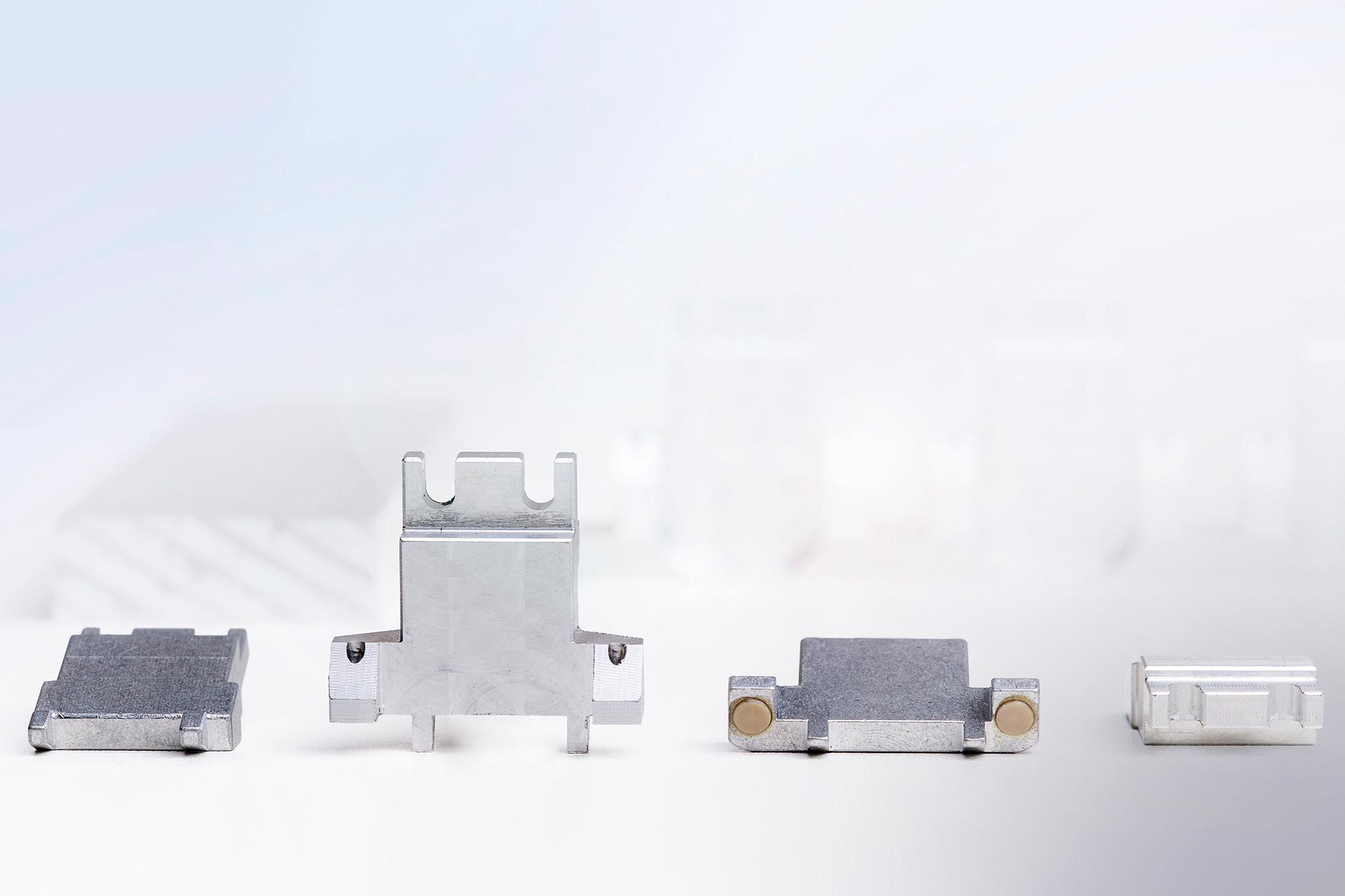
Hier kann es sich lohnen, einen starken Partner wie MAPAL mit ins Boot zu holen. Denn die Mitarbeiter von MAPAL haben umfassende Erfahrungen damit, Bearbeitungsprozesse und Spannkonzepte auszulegen und Bearbeitungsmaschinen zu programmieren. Davon profitieren gerade auch kleinere und mittelständische Unternehmen, wie Plätzer: Die Bearbeitungszeit und die Prozesssicherheit für die Herstellung von zwei Robotergreifertypen boten Verbesserungspotenzial. Die Greifer verwendet der Endkunde, um winzige Keramikteile sicher zu fixieren. Nur so können die Teile automatisiert mit einer Schleifscheibe in die vorgeschriebene Form gebracht werden. Entsprechend eng sind die Toleranzvorgaben: Die Abweichung von Parallelität und Rechtwinkligkeit der Flächen ist auf nur 0,02 mm beschränkt.
Steigende Produktionsmenge erfordert stabileren und effizienteren Prozess
„Anfänglich lautete unser Auftrag, pro Monat zehn Stück der filigranen Aluminiumgreifer zu fertigen“, sagt Stefan Plätzer. „Dann stieg die monatlich abgerufene Menge im Laufe der Zeit auf mehrere Hundert Stück an. Das war mit unserem bisherigen Bearbeitungskonzept nicht mehr wirtschaftlich umsetzbar.“
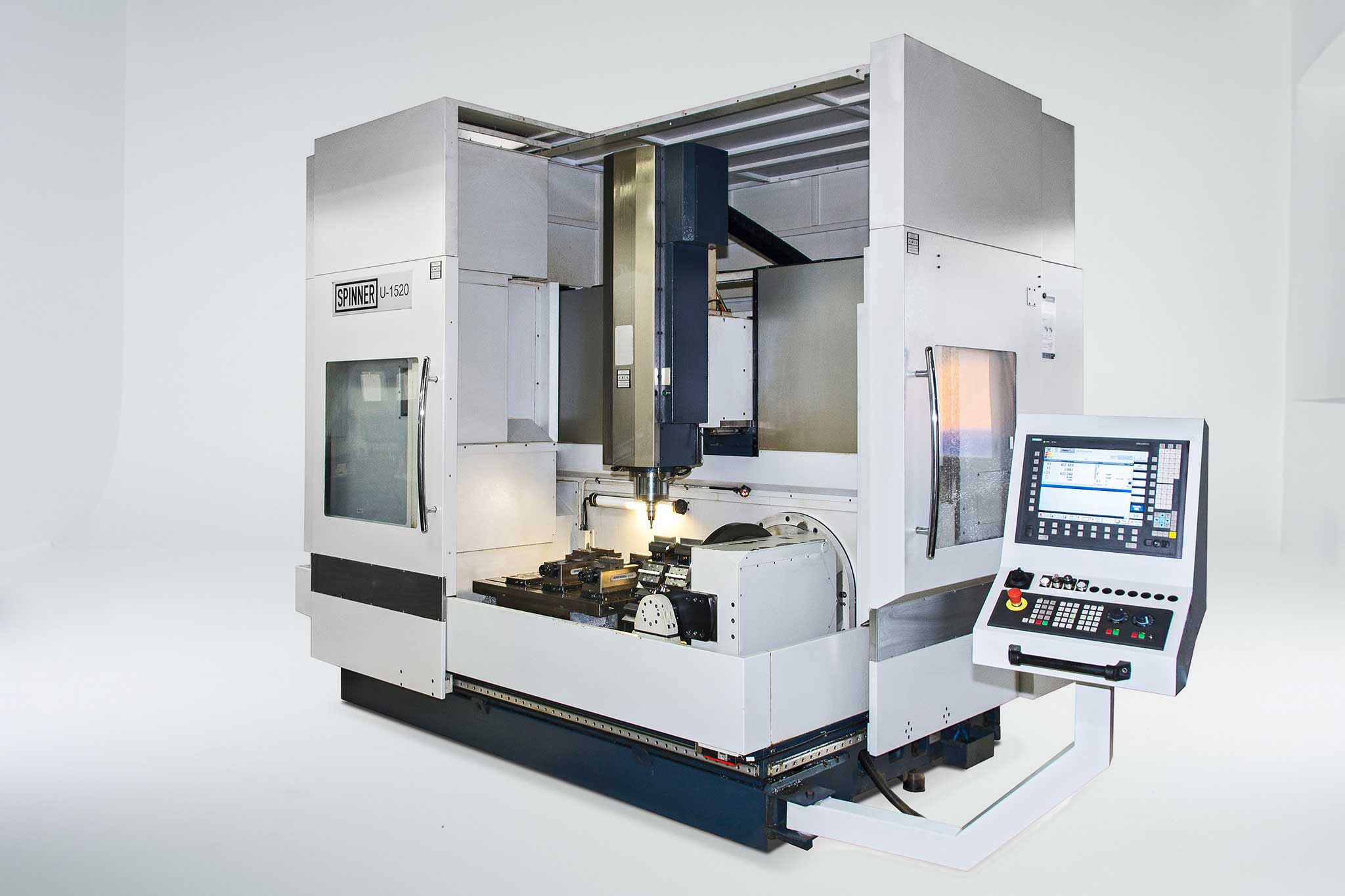
Die Bearbeitung erfolgte bis dahin mit konventionellen Hartmetallbohrer und -fräsern. In drei Aufspannungen wurden jeweils vier Bauteile hintereinander aus dem Vollen gefräst und fertigbearbeitet. Das dauerte über eine Stunde. Um die geforderte Stückzahl zu erreichen, teilte Plätzer die Fertigung auf zwei Bearbeitungszentren auf.
Christian Sandmann, verantwortlicher Qualitätsmanager bei Plätzer, blickt zurück: „Wir mussten immer wieder nachsteuernd eingreifen, zusätzliche Maschinenkapazitäten einsetzen und zum Teil Überstunden anordnen, um die bestellte Menge termingerecht ausliefern zu können. Das war auf Dauer nicht akzeptabel.“
Halbierung der Bearbeitungszeit: PKD statt Hartmetall
In dieser Situation erinnerte sich Sandmann an seinen Freund Markus Meyer, der bei MAPAL als Technischer Berater tätig ist. Beim kurzfristig vereinbarten Firmenbesuch ließ Meyer sich den Bearbeitungsprozess zeigen und identifizierte einen vielversprechenden Ansatzpunkt, um die Hauptzeit zu reduzieren: ein Wechsel von Hartmetall- zu PKD-Werkzeugen. Letztere zeichnen sich durch wesentlich höhere Vorschubgeschwindigkeiten und Standmengen aus.
In einem ersten Schritt schlug Meyer den Einsatz von zwei PKD-Fräsern vor. Die Greifer werden aus dem Vollen gefräst, daher sind der Fräsanteil und damit das Einsparungspotenzial bei dieser Zerspanungsaufgabe hoch. Stefan Plätzer griff diesen Vorschlag auf. Mit Erfolg: Allein dadurch reduzierte sich die Bearbeitungszeit für ein Teil von 15 auf zwei Minuten.
„Wir haben lange an der herkömmlichen Technologie festgehalten. Der eng getaktete Alltag ließ kaum Raum für die Bewertung neuer Technologien“, erinnert sich Stefan Plätzer. „Seitdem wir die Experten von MAPAL an unserer Seite haben, profitieren wir unter anderem von deren Erfahrung und der Innovationskraft des gesamten Unternehmens. So erkennen wir Optimierungspotenziale deutlich früher.“

Der schnelle Weg zum maßgeschneiderten Bearbeitungsprozess
Entsprechend aufgeschlossen war Stefan Plätzer als Markus Meyer das komplette re.tooling für die Greiferfertigung ins Spiel brachte, um mit einer neuen Vorrichtung insbesondere die Prozesssicherheit zu erhöhen. „Wichtig war uns, dass sich die Werkzeuge und die Vorrichtung möglichst universell einsetzen lassen. Wir sind vorrangig in einem Segment aktiv, das von Einzelstück- und Kleinserienfertigung geprägt ist“, sagt Stefan Plätzer.
Die Spezialisten von MAPAL arbeiteten in enger Abstimmung mit Plätzerein Konzept aus. Und erhielten den Auftrag zu dessen Umsetzung. Das Service-Team des Werkzeugspezialisten übernahm dabei alle erforderlichen Arbeiten:
Die Spezialisten von MAPAL arbeiteten in enger Abstimmung mit Plätzerein Konzept aus. Und erhielten den Auftrag zu dessen Umsetzung. Das Service-Team des Werkzeugspezialisten übernahm dabei alle erforderlichen Arbeiten:
- Auslegung des Bearbeitungsprozesses inklusive Spannzeug
- Konstruktion und Organisation des Vorrichtungsbaus
- Maschinenprogrammierung
- Einfahren des Prozesses
re.tooling sorgt für maximale Effizienz und Prozesssicherheit
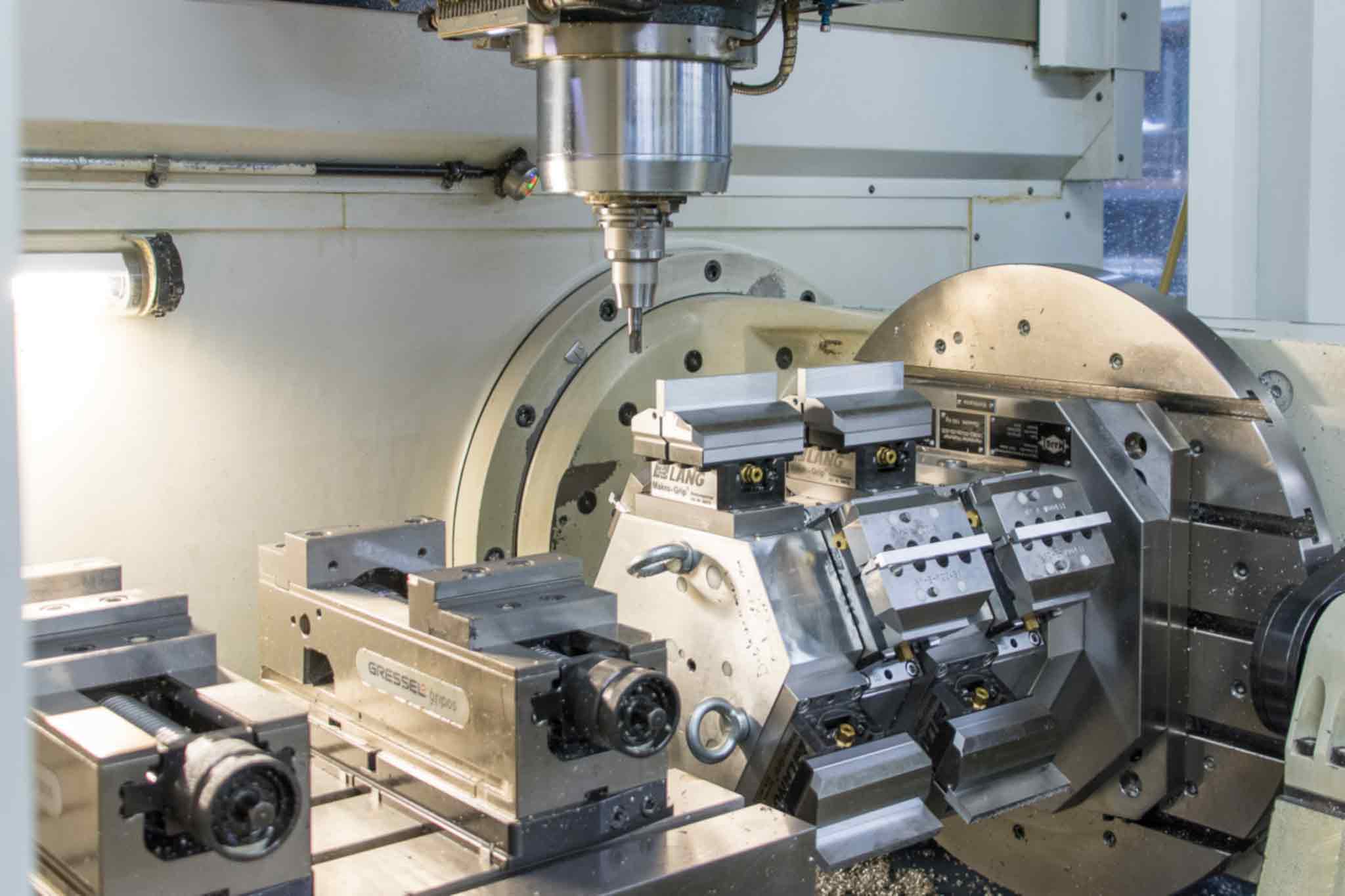
Das Ergebnis überzeugt: Plätzer fertigt jetzt 24 Teile in nur 48 Minuten und das mit deutlich höherer Präzision und Prozesssicherheit als zuvor. Einen wesentlichen Beitrag zu dieser spürbaren Verbesserung hat auch die neue Vorrichtung geleistet. Die Spannvorrichtung für den ersten Greifertyp verfügt über 24 Spannplätze, die für den zweiten Greifertyp über 36 Spannplätze. Statt in drei bearbeitet Plätzer die Greifer jetzt in nur zwei Aufspannungen.
In Summe spart das Unternehmen so viel Zeit ein, dass es beide Greifertypen nun auf nur einer Maschine produziert. Plätzer hat damit vier Wochen Maschinenkapazität bei einer Produktionsmenge von 800 Stück pro Monat gewonnen. Diese stehen jetzt für neue Projekte zur Verfügung. Dazu erläutert Stefan Plätzer: „Stehen neue Projekte an, halten wir bei Bedarf bereits in der Angebotsphase Rücksprache mit Markus Meyer. Gemeinsam klären wir, ob MAPAL uns dabei unterstützen kann, die Projekte zu marktgerechten Preisen übernehmen zu können. Bei der Beratung haben wir schon mehrfach erlebt, dass für MAPAL nicht der Umsatz entscheidend ist, dem Werkzeughersteller geht es darum, uns fit für die Zukunft zu machen, damit wir gemeinsam und partnerschaftlich vorankommen.“