E-mobility: Solutions for small motor housings
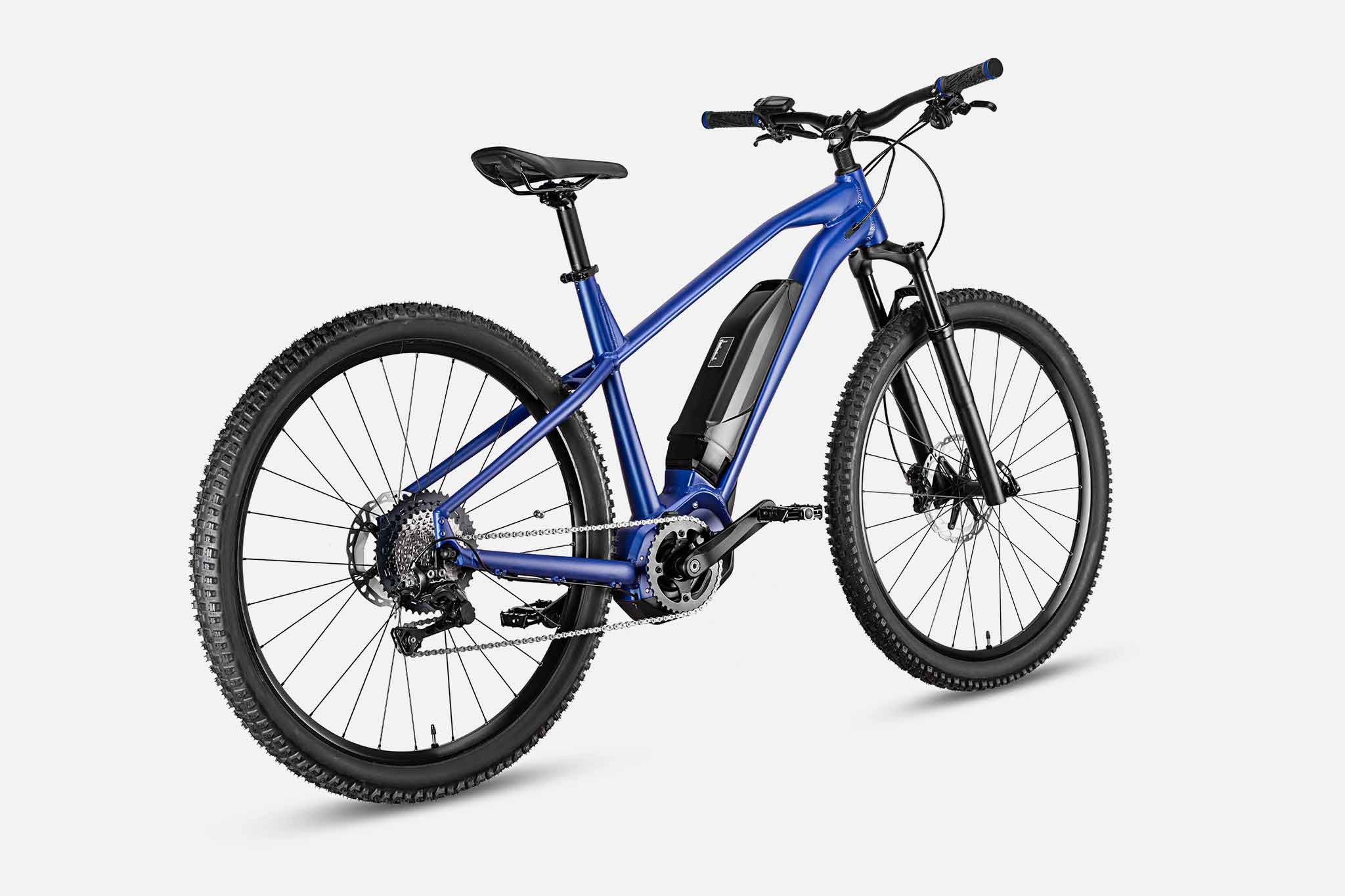
Electrified mobility has long since found its way into everyday life. The general public was first introduced to electric drives on bicycles. The motor housings, among other things, pose a challenge in their production - they have to be small and light and at the same time highly accurate. MAPAL offers economical, precise and process-reliable complete packages for the machining of these housings.
Most manufacturers of small electric motors manufacture their motor housings from diecast aluminium - more often than diecast magnesium. The housings are very thin-walled, unstable and therefore prone to vibration. Multi-level contours within the housing provide space for the various functional motor components. The geometrical and dimensional requirements are high - tight form, running and position tolerances are specified.
Over the past decades, MAPAL has gained extensive experience in the machining of small motor housings made of both aluminium and magnesium, for example housings for chainsaws, mopeds or lawnmowers. However accuracy requirements have increased yet again with electrification.
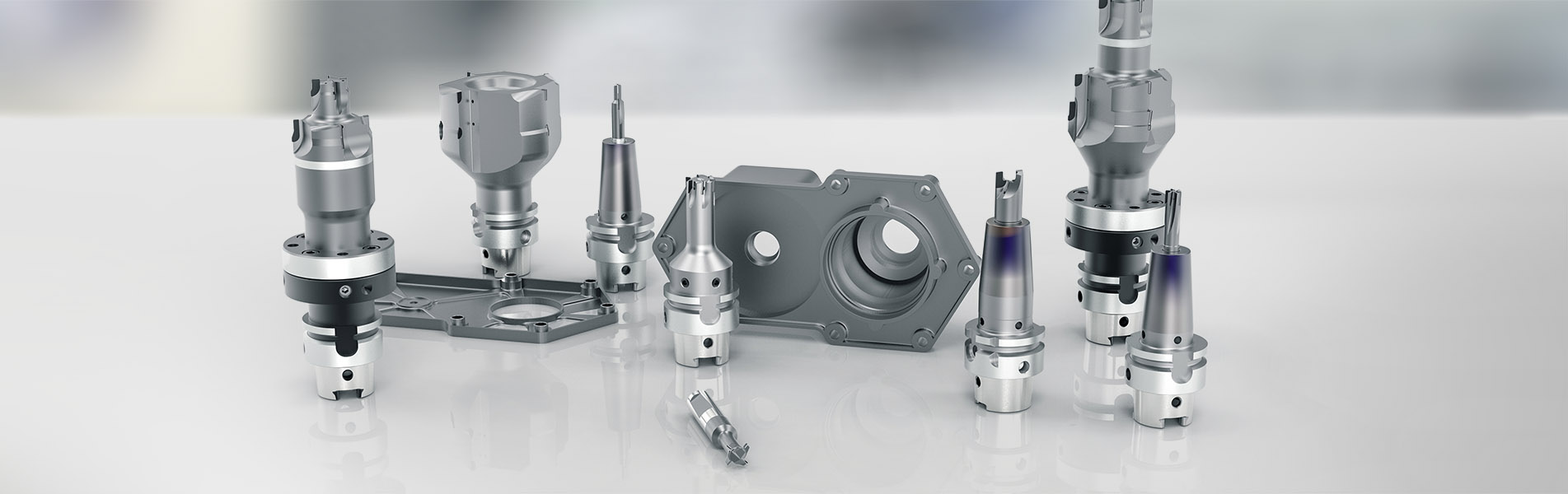
MAPAL offers an all-round package for the machining of small housings made of aluminium or magnesium. First and foremost, PCD and solid carbide tools are ideal for machining both materials. The tool manufacturer designs the best concept including all tools and chucks depending on the requirements and complexity. Combination tools, each covering several work steps, make the process more economical.
Over the past decades, MAPAL has gained extensive experience in the machining of small motor housings made of both aluminium and magnesium, for example housings for chainsaws, mopeds or lawnmowers. However accuracy requirements have increased yet again with electrification.
MAPAL offers an all-round package for the machining of small housings made of aluminium or magnesium. First and foremost, PCD and solid carbide tools are ideal for machining both materials. The tool manufacturer designs the best concept including all tools and chucks depending on the requirements and complexity. Combination tools, each covering several work steps, make the process more economical.
Narzędzie PKD wykonuje obróbkę otworów łożyskowych i pozycyjnych w obudowie magnezowej
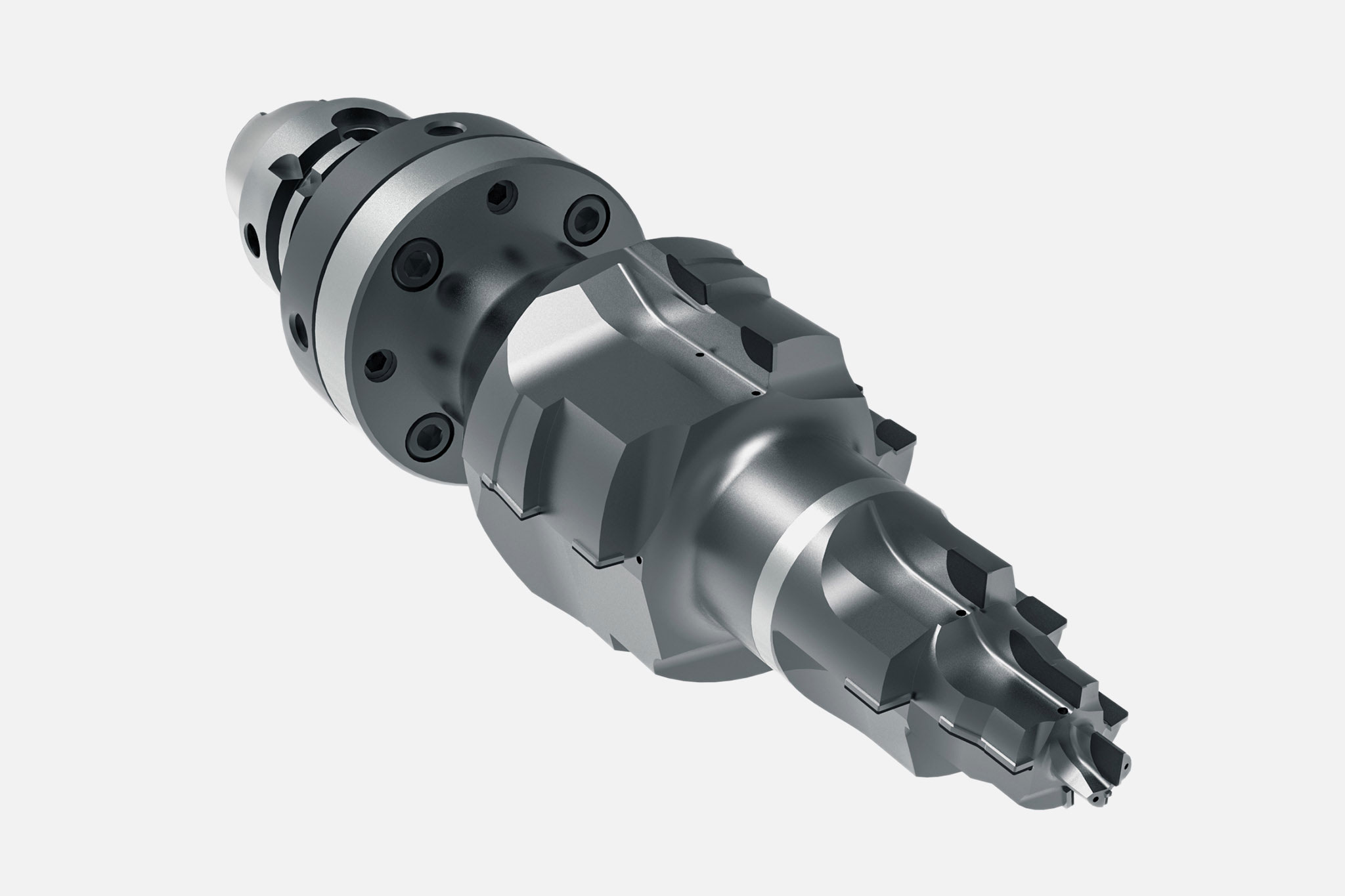
Podczas obróbki otworów łożyskowych i pozycyjnych w konkretnej obudowie magnezowej wyzwaniem są przede wszystkim silne wibracje, ponieważ element konstrukcyjny w obszarze trzeciego otworu łożyskowego ma wyjątkowo cienkie ścianki. Narzędzie musi usunąć 0,6–1 mm materiału z wstępnie odlanych otworów.
Należy przestrzegać następujących parametrów:
Należy przestrzegać następujących parametrów:
- okrągłość < 0,01 mm
- tolerancja średnicy IT7
- średnia chropowatość Rz < 10 µm
MAPAL stosuje w tym celu złożone, wielostopniowe narzędzie kombinowane PKD, które obrabia trzy otwory łożyskowe i otwór pozycyjny gniazda łożyska w jednym cyklu – w sposób niezawodny, z zachowaniem wymaganych tolerancji.
Narzędzie pracuje z następującymi parametrami skrawania:
Narzędzie pracuje z następującymi parametrami skrawania:
- Prędkość obrotowa 8000 min-1
- Prędkość posuwu 3200–4800 mm/min
- Posuw 0,1–0,15 mm
Wiercenie i frezowanie połączone w jednym narzędziu
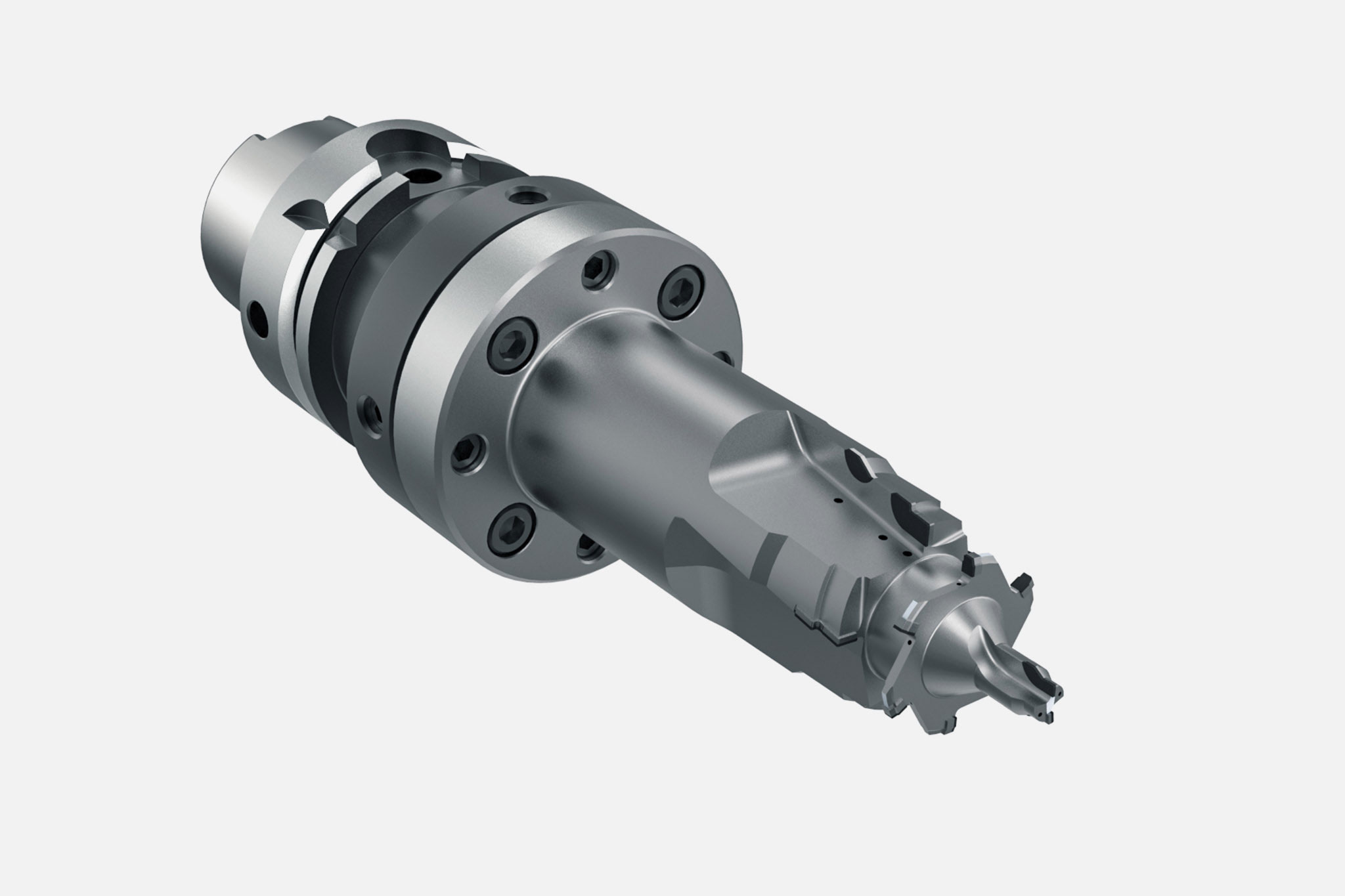
Kolejne narzędzie łączy frezowanie i wiercenie w obudowie magnezowej. Podczas gdy stopnie wiercące obrabiają otwór łożyskowy i otwór pozycyjny, stopień frezowania służy do wykonania rowka uszczelniającego. Również podczas stosowania tego narzędzia należało zapobiegać drganiom i utrzymywać niskie siły skrawania. Eksperci ds. narzędzi osiągnęli to poprzez optymalne dopasowanie liczby ostrzy i geometrii stopnia frezującego. Pozwala to również uniknąć gromadzenia się wiórów w rowku.
Parametry skrawania stopnia frezującego:
Parametry skrawania stopnia frezującego:
- Prędkość obrotowa 8000 min-1
- Prędkość posuwu 7200 mm/min
- Posuw 0,15 mm
Twój bezpośredni kontakt

Contact person
Matthias Winter Department manager matthias.winter@mapal.com +49 7361 585 3360