02.12.2025
Economical drilling done smart
MAPAL fulfils requirements for the tool and mouldmaking industry
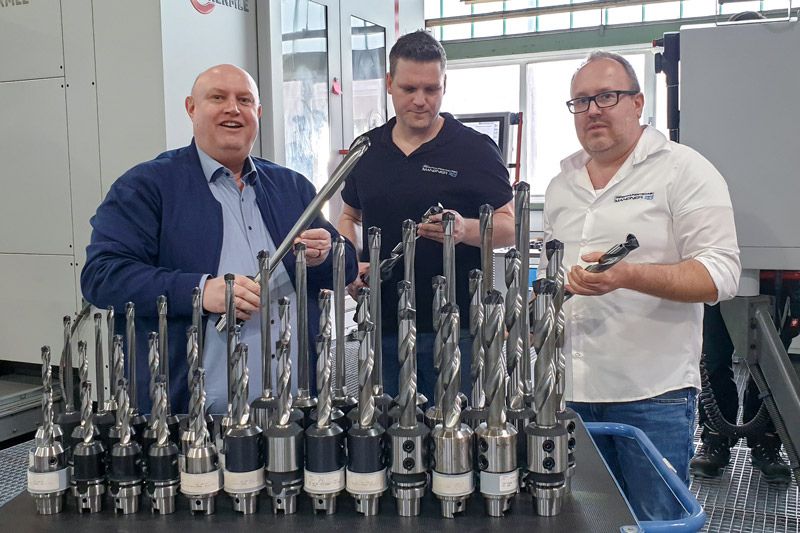
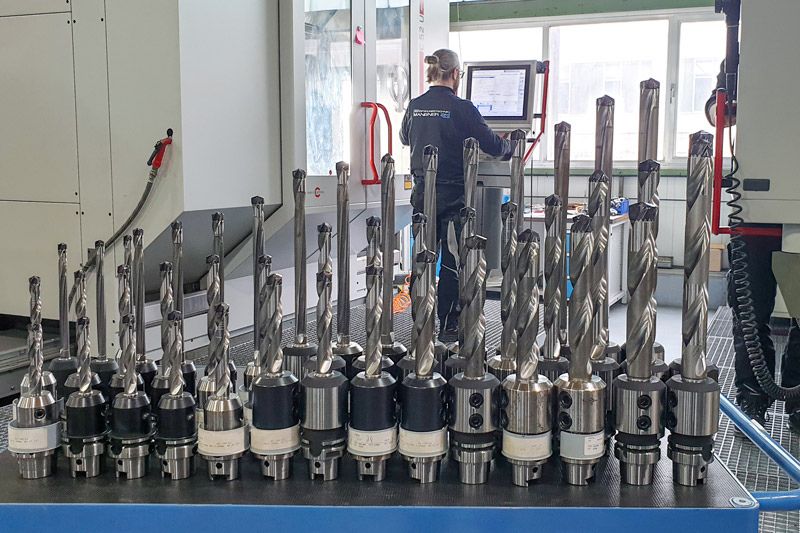
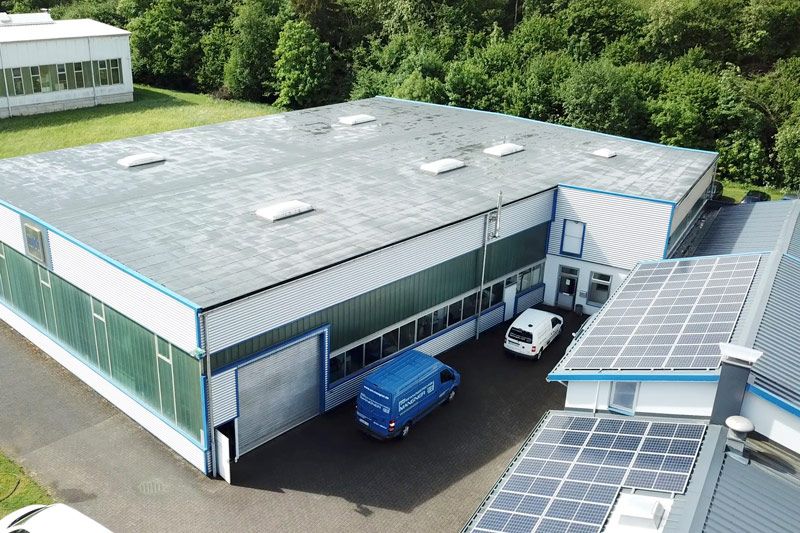
The secret to the success of the machining company Zerspanungstechnik Mangner GmbH in Bad Laasphe, Germany, is targeted investment in optimisation. Drilling has been made more efficient thanks to a large tool package from MAPAL. The package is made up of 110 TTD replaceable head drills along with a big stock of solid carbide heads.
Hirth-Verzahnung von MAPAL erlaubt hohe Drehmomente
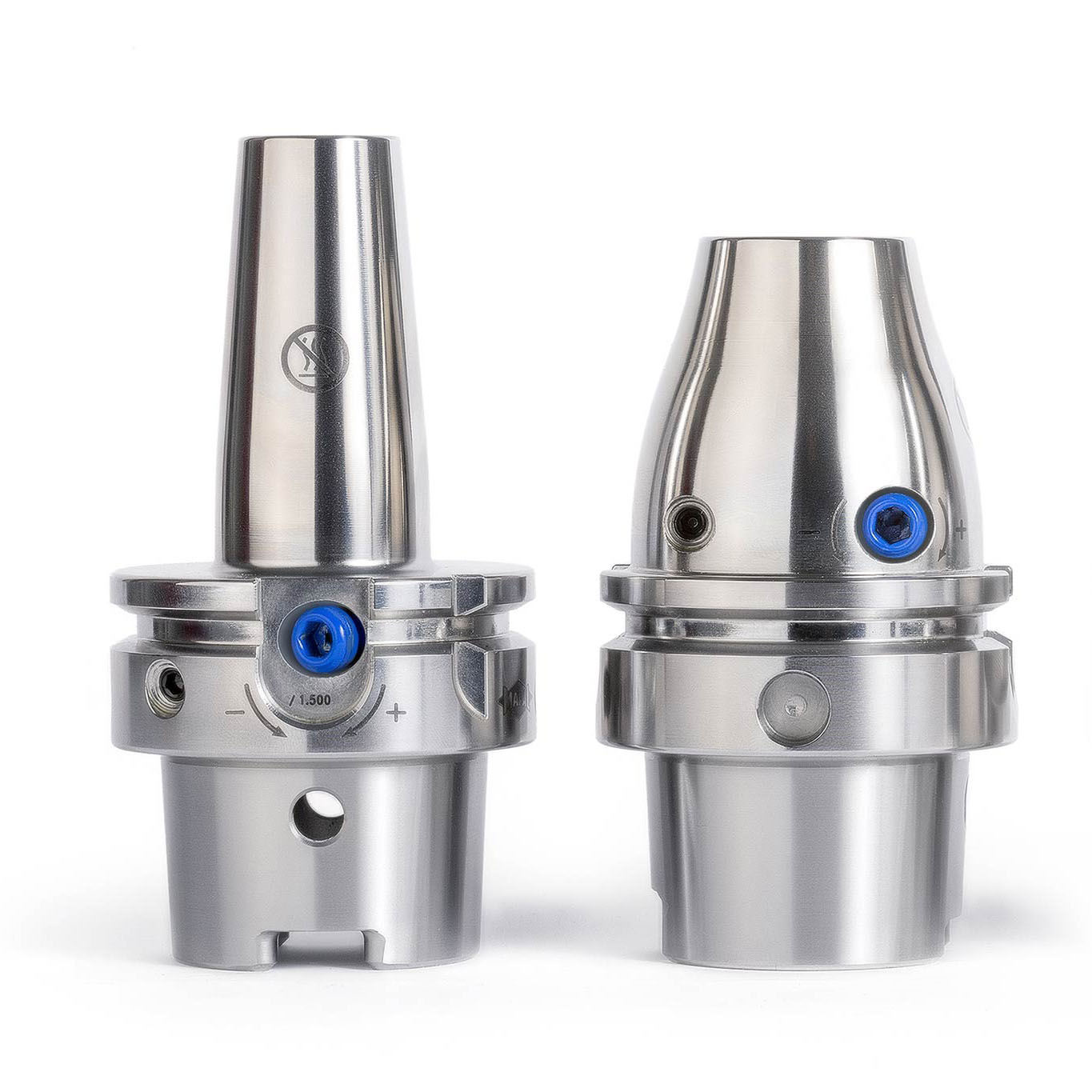
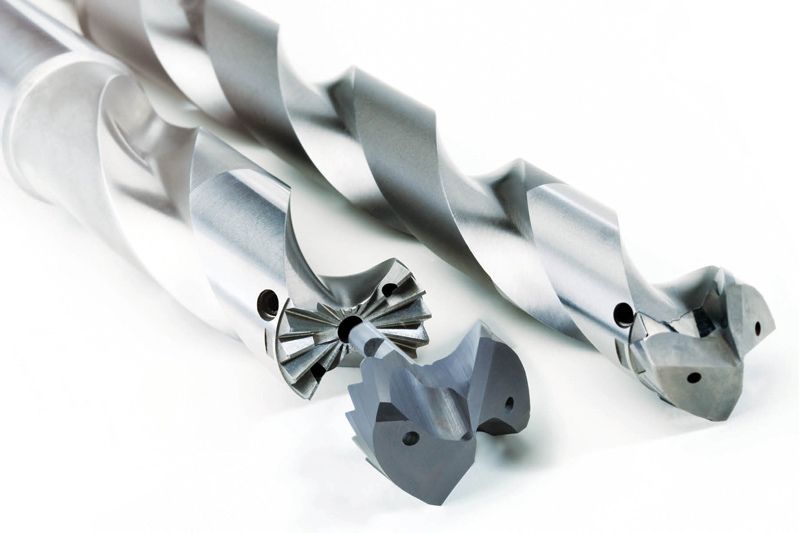
Der Wechselkopf-Bohrer TTD ist das wichtigste Anwendungsgebiet für die TTS-Schnittstelle (Torque Transfer System). Ihre Stabilität erhält diese Schnittstelle durch die radial verlaufende Hirth-Verzahnung mit zwölf beziehungsweise 18 Zähnen abhängig vom Durchmesser des adaptierten Vollhartmetall-Bohrkopfes. Aufgrund der formschlüssigen Verzahnung sind variable Geometrien des Wechselkopfes möglich. Zusätzlich werden eine optimale Drehmomentübergabe und hohe Wechsel- und Rundlaufgenauigkeiten gewährleistet.
Der Wechsel-Bohrkopf wird durch einen seitlich im Halter angebrachten Gewindestift sicher befestigt. So kann die Bohrkrone direkt in der Maschine gewechselt werden. Mit Hilfe einer in der Verzahnung integrierten Positionshilfe ist gewährleistet, dass Spannuten und Kühlmittelübergabe vom Halter zum Wechsel-Bohrkopf übereinstimmen. Mit seiner Schneidengeometrie liegt der Bohrkopf auf dem Qualitäts- und Leistungsniveau von Vollhartmetallbohrern.
Bearbeitungszeit wurde reduziert
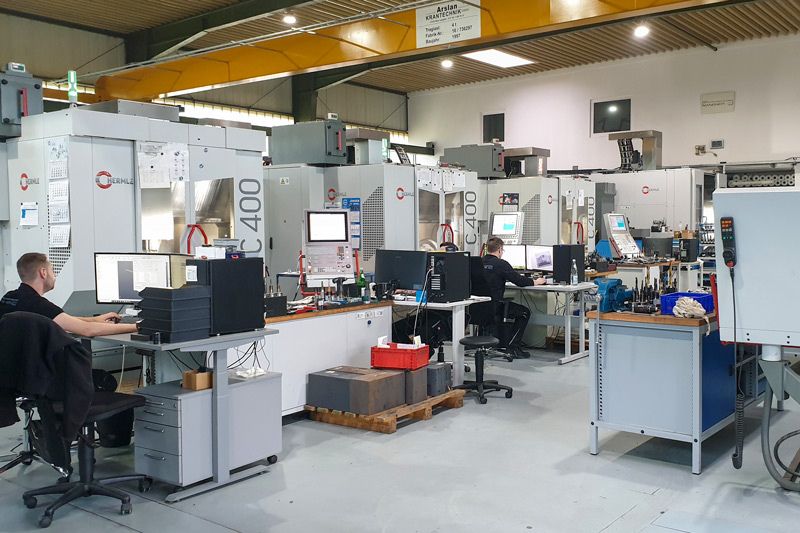
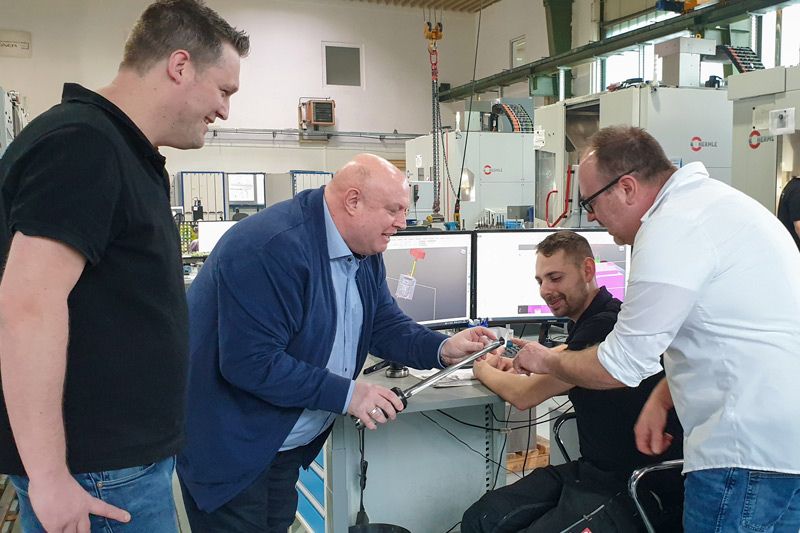
„Ihre Vorteile spielen diese Bohrer vor allem in gehärtetem Material aus, das sie prozesssicher bearbeiten“, berichtet Dominik Geßner. „Wir erreichen damit hohe Standzeiten, was die Durchlaufzeit unserer Bohrteile reduziert.“ Früher wurden bei Mangner die Bohrungen vor dem Härten ausgeführt. Da nun auf eine zusätzliche Einspannung verzichtet werden kann, werden entsprechende Rüstzeiten eingespart. Das steigert die Effizienz in der Fertigung und bringt dem Unternehmen einen Mehrwert.
Das zuvor eingesetzte Werkzeugsystem hatte eine ausgesprochene Schwachstelle: Wurde der VHM-Bohrkopf abgerissen, war in der Regel auch der Halter für die Bohrkrone beschädigt. Bei MAPAL ist dies nach Geßners Erfahrungen nie vorgekommen. Nach einem Bruch konnte mit einem neuen Bohrkopf stets weitergearbeitet werden, was den entstandenen Schaden begrenzte. „Ich habe den Wechsel des Werkzeugsystems vor allem von der Kostenseite her betrachtet“, begründet Mike Mangner seine Zustimmung für MAPAL.
Steigerung von Wirtschaftlichkeit und Nachhaltigkeit
Mangner uses the drills above all to pilot deep bores as well as complete bores for cooling, so-called coolant boost. While the normal lead geometry of the cutting edge is 140°, MAPAL also offers variants for special applications. A 180° tip can execute countersink bores, for example, which would otherwise only be possible with a milling cutter. Ball-nose drills enable radii at the end. Geßner reports that if handled with care, the drill heads can be reground up to three times by MAPAL. ‘This is very sustainable and lowers the average price per tool.’
The tool package delivered by MAPAL includes diameters from 12 to 45 mm, whereby the tool lengths are 3xD, 5xD, 8xD and 12xD. ‘We cover a certain diameter range with replacement head drills in increments of tenths’, Geßner specifies. ‘The tools would be unaffordable with drills made entirely of solid carbide.’ The many sizes reflect the various requirements of manufacturing. Series of up to 100 parts are rare here. Typical lot sizes are between one and 10 pieces. The material is often heat-resistant 1.2343 steel, but special materials, steel with varying degrees of hardness and aluminium are also processed.

Contact
Kathrin Rehor Public Relations Kathrin.Rehor@mapal.com Phone: +49 7361 585 3342