04.11.2021
Vielfältige Einsatzbereiche für PKD-Werkzeuge
Für hochproduktives Zerspanen von Aluminiumbauteilen in der Automobilindustrie sind PKD-Werkzeuge erste Wahl. Doch der polykristalline Diamant bietet sich noch für eine Fülle an weiteren Anwendungen an. Mit jahrelanger Erfahrung und dem Wissen, wann gerade PKD-Werkzeuge ihre Stärken ausspielen können, entwickelt MAPAL gemeinsam mit Kunden individuelle Lösungen für optimale Zerspanungsprozesse.
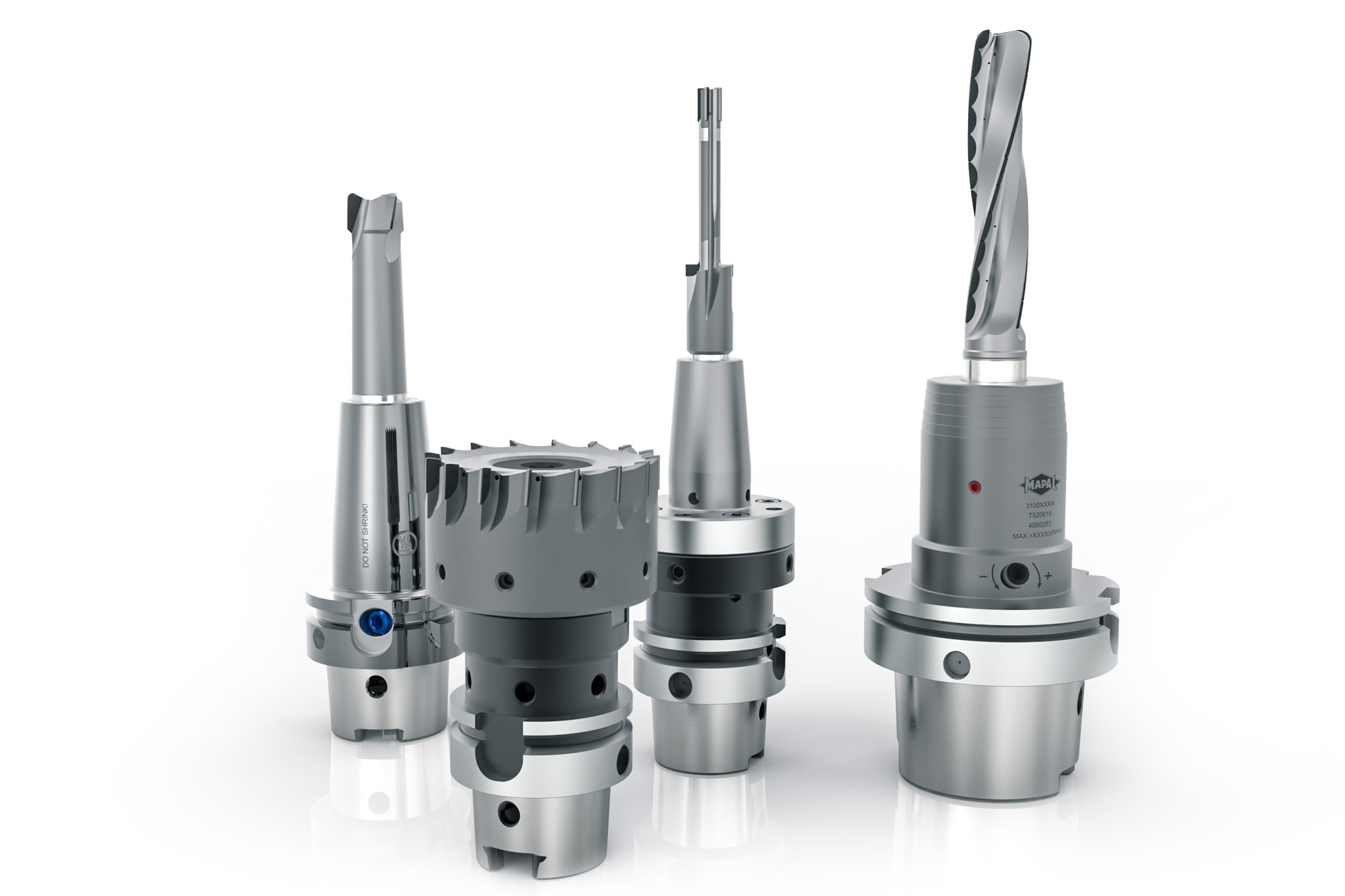
Wenn andere Materialien als Aluminium bearbeitet werden und es um neue Bauteile mit besonderen Anforderungen geht, leistet MAPAL Grundlagenarbeit und entwickelt zusammen mit den Kunden zielführende Prozesse. In manchen Fällen können Erfahrungen aus dem Automobilbau mit entsprechenden Modifikationen direkt in andere Branchen übertragen werden.
ABS als Blaupause für Beatmungsgerät
„Die Qualitätsanforderungen in der Medizintechnik sind oft höher als in der Automobilproduktion“, geht Carsten Lehmann, Managing Director Vertrieb, Produktmanagement und Entwicklung im Kompetenzzentrum PKD-Werkzeuge Pforzheim, auf die Unterschiede ein. „Unsere Werkzeuge legen wir mit unterschiedlicher Schneidkantenbearbeitung gezielt für den jeweiligen Bearbeitungsfall aus.“ In der Automobilproduktion steht eine hohe Produktivität im Vordergrund. Für medizinische Geräte wird PKD verwendet, weil der Schneidstoff eine prozesssichere und hochgenaue Lösung ist. Und er erzeugt die hohe Oberflächenqualität, auf die es hier mehr ankommt als auf gute Schnittwerte. Speziell ausgelegte Vorschneiden sorgen dafür, dass kein Grat entstehen kann, der sich später löst.
Ein weiteres Beispiel kommt aus einer ganz anderen Branche. Auch in der Fertigung von Schließzylindern für Türschlösser sind perfekte Oberflächen gefragt, wenn das Schließen dauerhaft sauber laufen soll. Hochwertige Modelle lassen sich fein justieren, damit die Tür sanft schließt und nicht mit einem Ruck zugeht. Zum Fräsen der Aluminiumteile werden komplexe Stufenwerkzeuge von MAPAL eingesetzt.
Hochvolumenzerspanung und saubere Bohrungen
Neben der Automobilproduktion ist die Aerospace-Industrie ein starkes Standbein für MAPAL geworden. Im Bereich der PKD-Werkzeuge liegt der Fokus dabei auf zwei ganz unterschiedlichen Anwendungen, nämlich der Hochvolumenzerspanung großer Bauteile und Bohrungen in kohlenstofffaserverstärktem Kunststoff (CFK-Materialien).
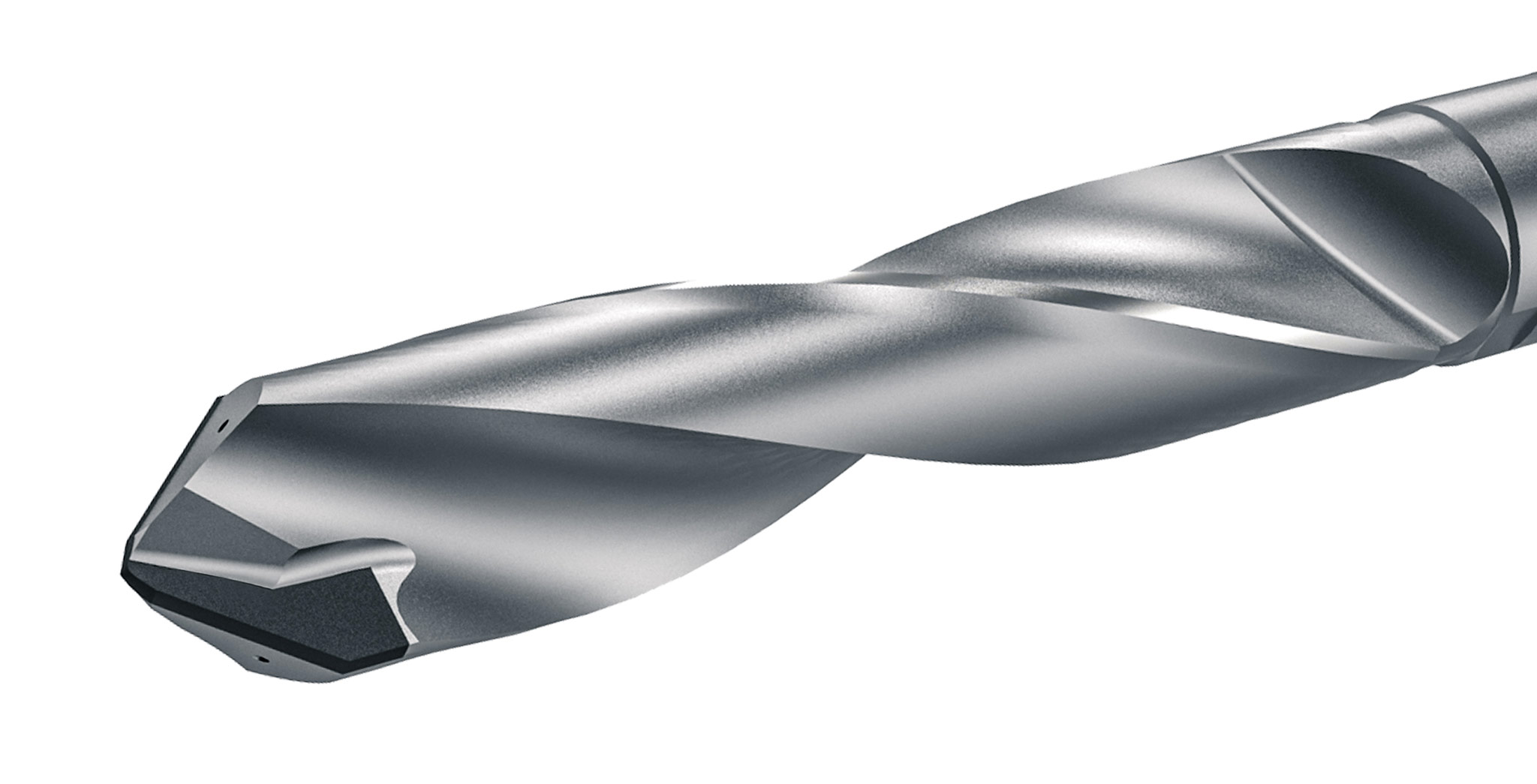
Wenn aus großen Aluminiumblöcken auf Portalfräsmaschinen Flügel oder Strukturbauteile herausgefräst werden, bleiben vom Ausgangsmaterial oft nur 20 Prozent oder weniger übrig. Mit dem starken Wachstum der Luftfahrtindustrie wuchs hier der Druck, mit höheren Standzeiten und besseren Schnittdaten in der Produktion schneller zu werden. Was vor einigen Jahren noch eine Hochburg für Hartmetallwerkzeuge mit Wendeschneidplatten war, ist heute ein Einsatzfeld für monolithische PKD-Werkzeuge wie einem SPM-Fräser von MAPAL. Mit 15.120 mm/min ist seine Schnittgeschwindigkeit doppelt so hoch wie beim Hartmetallfräser, die Standzeit ist bis zu neun Mal höher.
Auf hohe Prozesssicherheit kommt es auch bei den Bohrungen an. Bis zu 4.000 Bohrungen benötigt eine Flugzeugtür. Dabei stellt das CFRP mit seiner Neigung zum Ausfransen besondere Ansprüche an die Bearbeitung. Um Delamination beim Austritt aus dem Schichtmaterial zu vermeiden, hat MAPAL dafür besondere Schneidengeometrien entwickelt.
Schneller zur neuen Brille
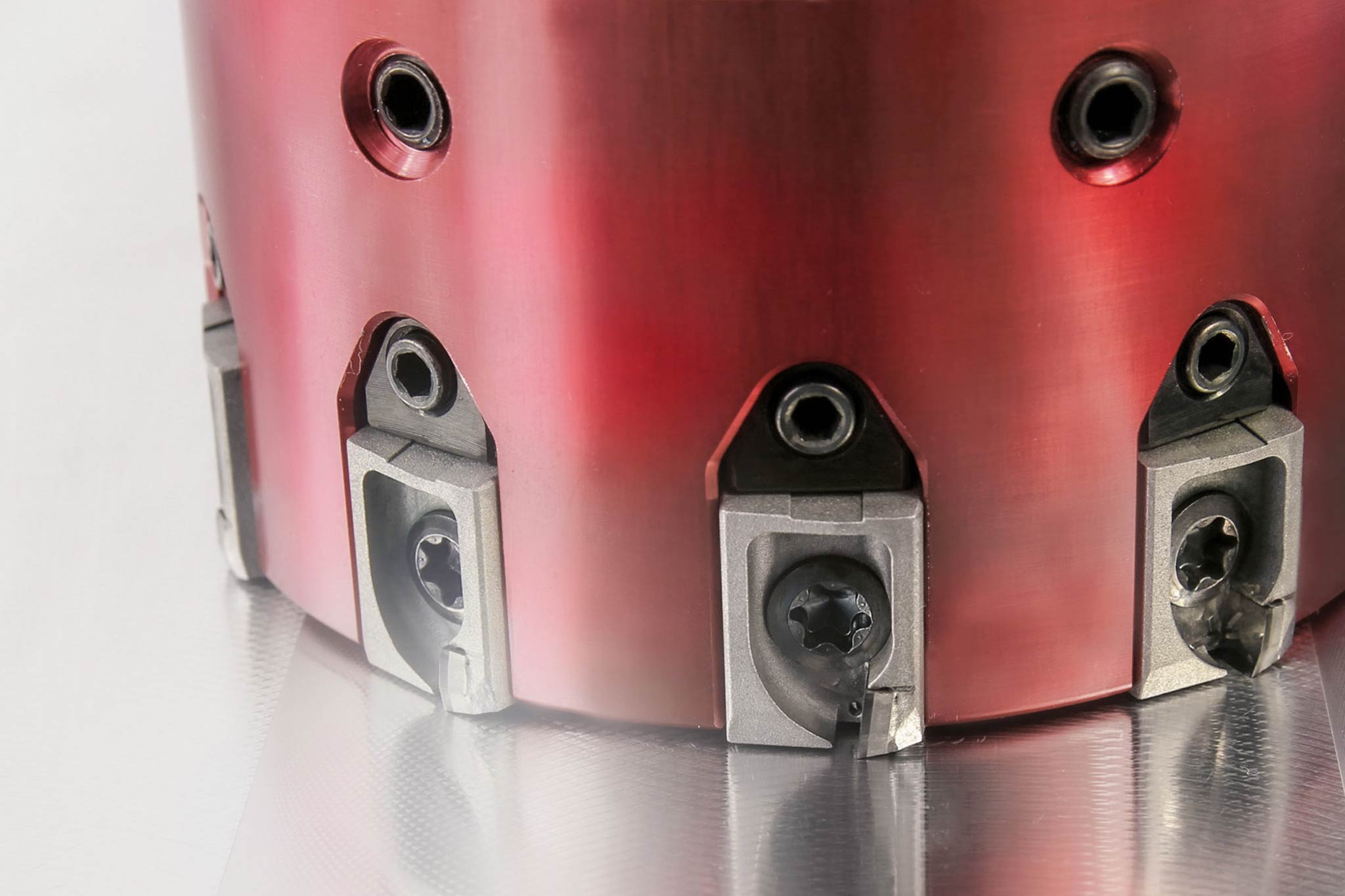
Zur Bearbeitung von Brillengläsern werden standardmäßig PKD-Werkzeuge eingesetzt. Für einen großen Kunden in der Optikindustrie hat MAPAL ein Sonderwerkzeug entwickelt, das die Produktivität maßgeblich steigert. Die vom Optiker gemessenen Daten werden direkt über ein DFÜ-Netzwerk an die Maschine gesendet, die automatisch Gläser mit den verlangten optischen Korrekturen fräst. Für den Prozess wurden Maschine, Spindel, Schneidenanzahl, Schneidengeometrie und Kantenpräparation so abgestimmt, dass der Kunde mit großer Genauigkeit produzieren und dank hoher Standzeiten und schneller Bearbeitung seine Kosten pro Teil senken konnte.
„Wir sind in der Lage, das in der Automobilindustrie gewonnene Know-how auch auf andere Industrien zu transferieren – selbst wenn es um ganz andere Materialien wie etwa Glas oder Kunststoff geht“, erläutert Leander Bolz, Vertriebsleiter PKD-Werkzeuge bei MAPAL. Von Vorteil sei dabei der auf technische Beratung ausgerichtete Vertrieb, der dem Kunden auch Rundumsorglos-Pakete schnüren könne. Da die Hersteller hochwertiger Bauteile oft standortübergreifende globale Produktionsstätten haben, ist es ein Plus, dass auch MAPAL international aufgestellt ist. „Wir verfügen über weltweit zwölf Fertigungsstätten für PKD-Werkzeuge, die überall die gleiche Qualität liefern, vor Ort Service bieten und auch Reparaturen ausführen“, versichert Carsten Lehmann.

Kontakt
Kathrin Rehor Public Relations Kathrin.Rehor@mapal.com Tel.: +49 7361 585 3342