
• Bagger

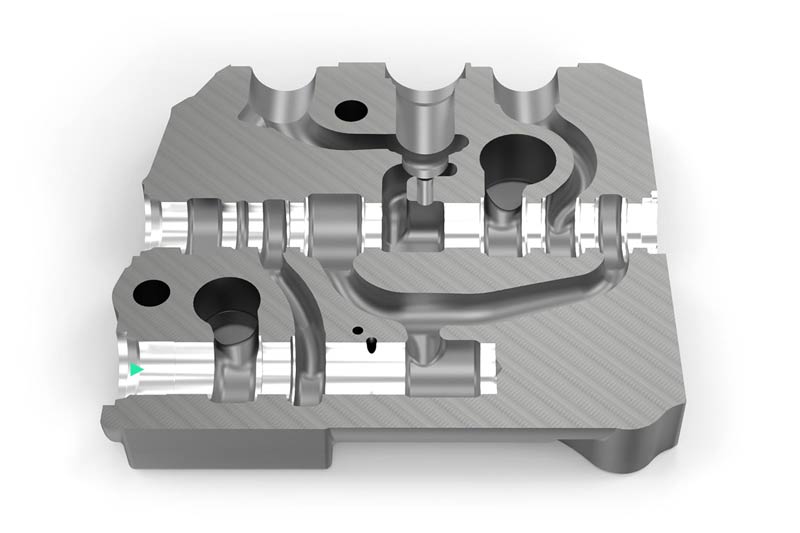
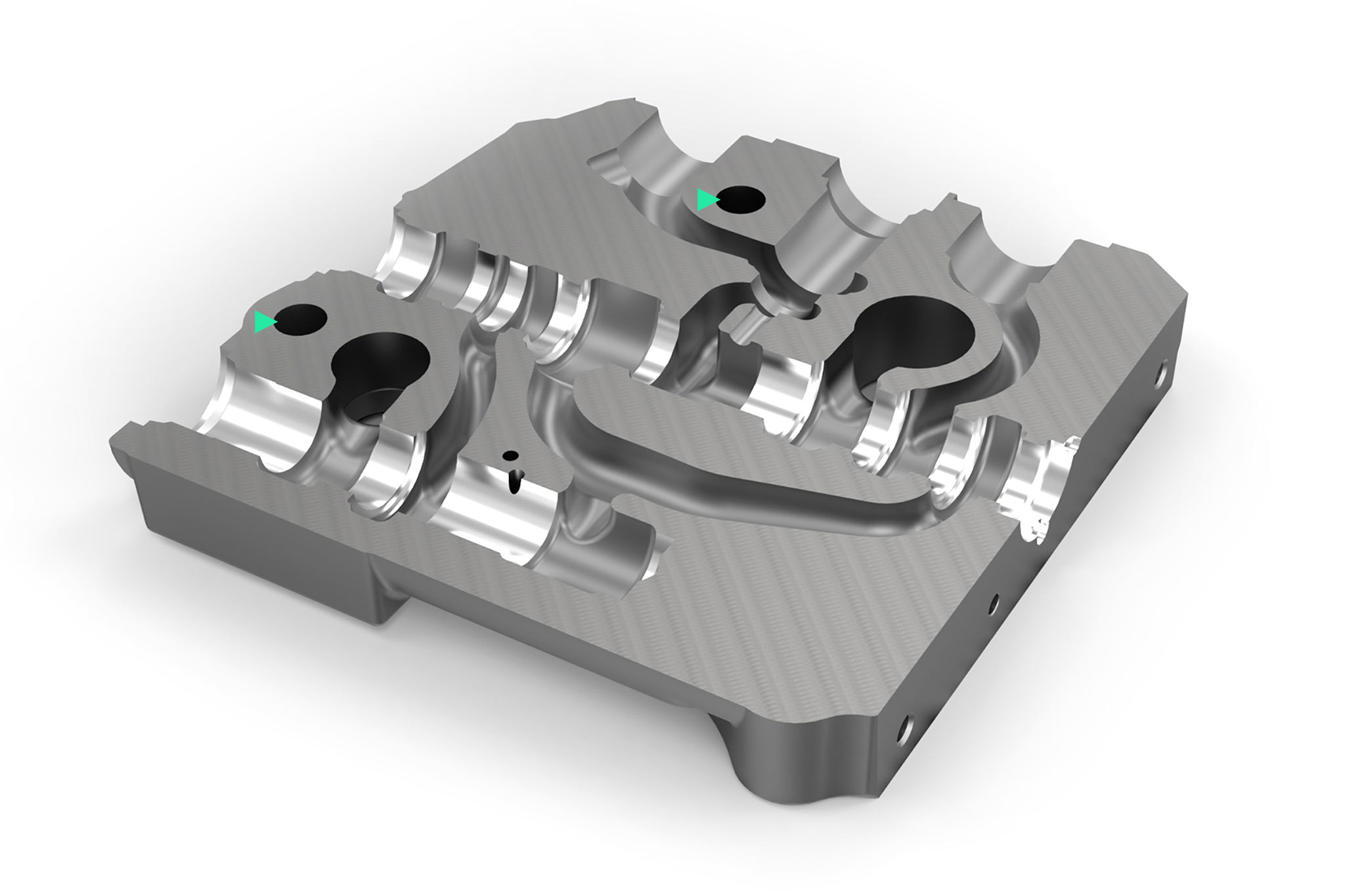
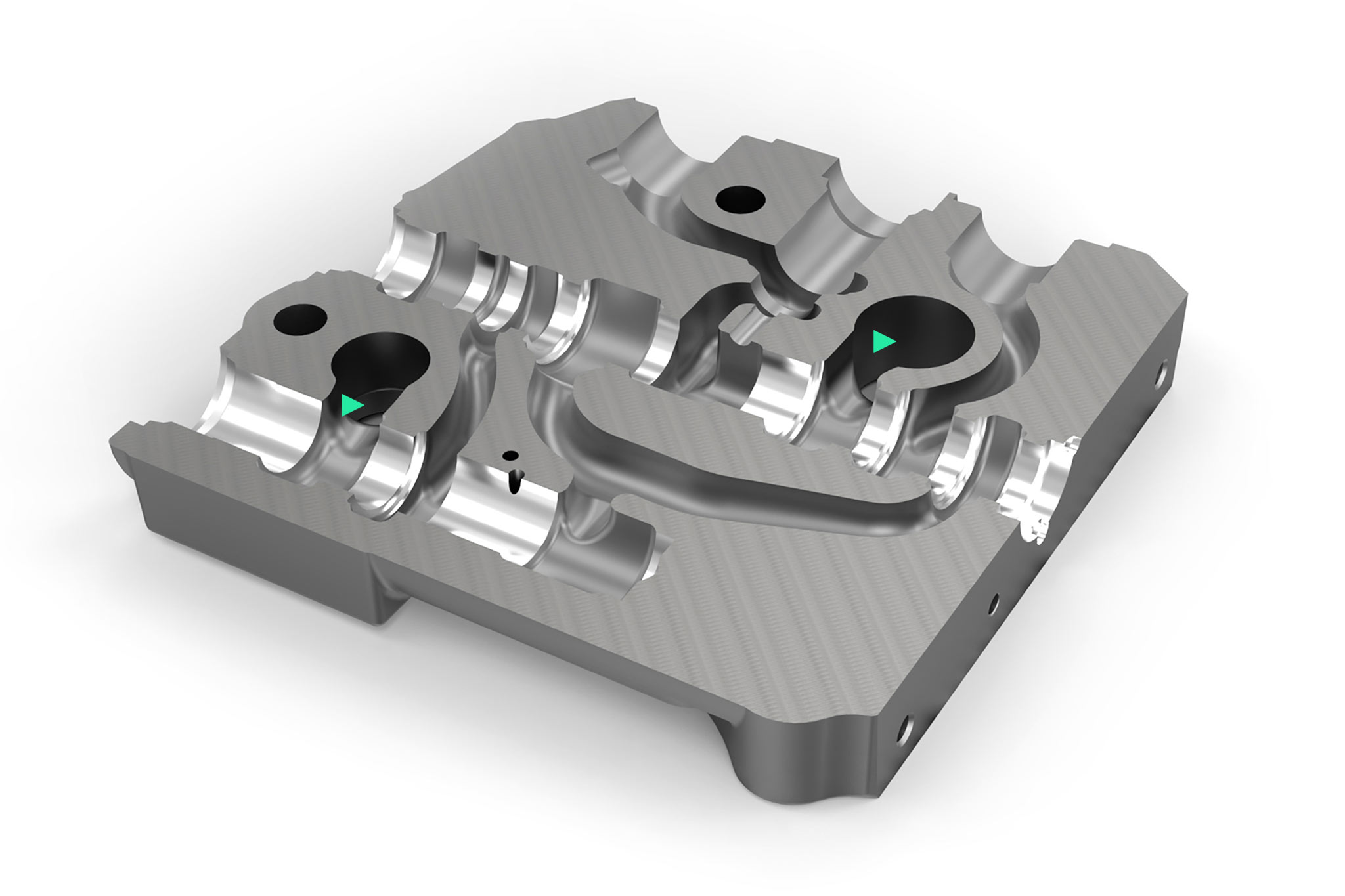
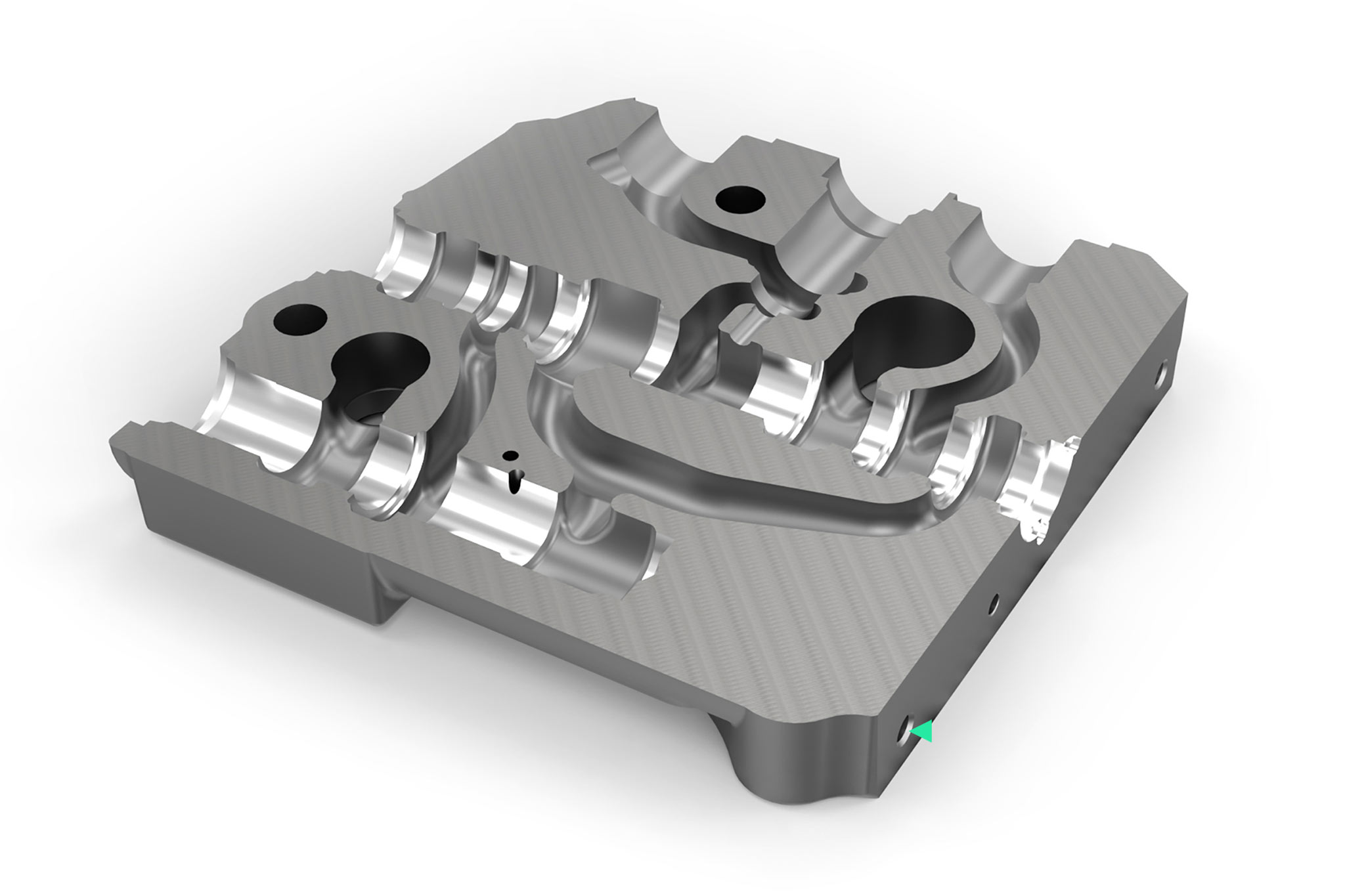
Hydraulikventilgehäuse
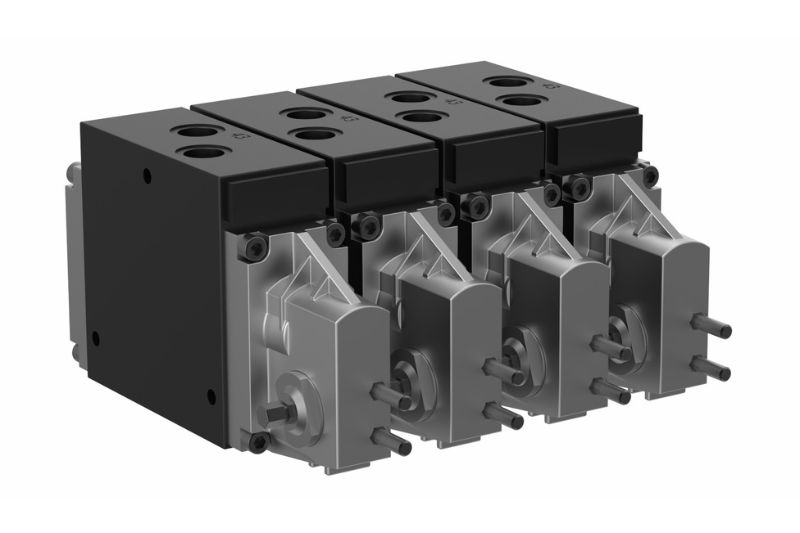
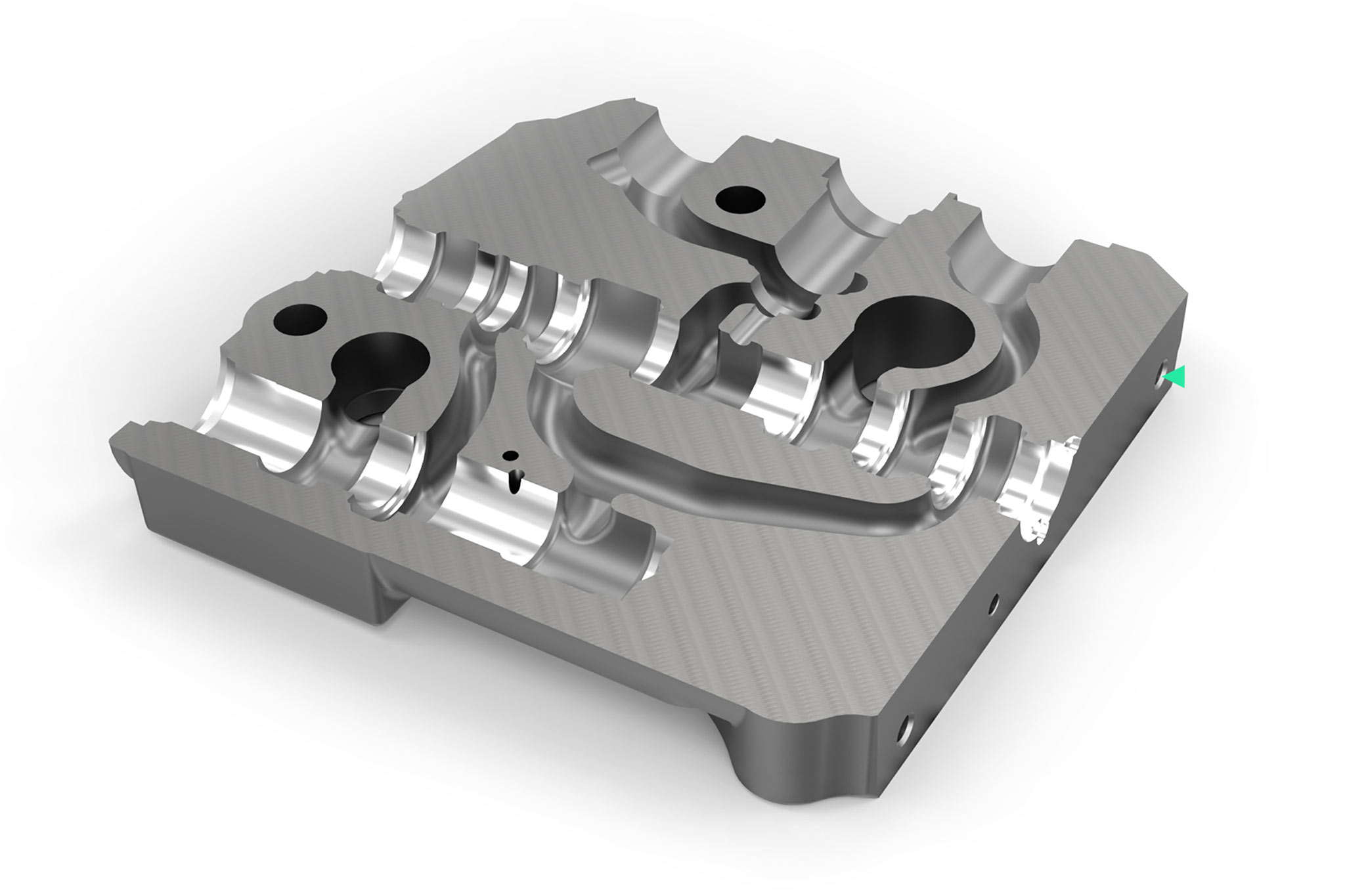
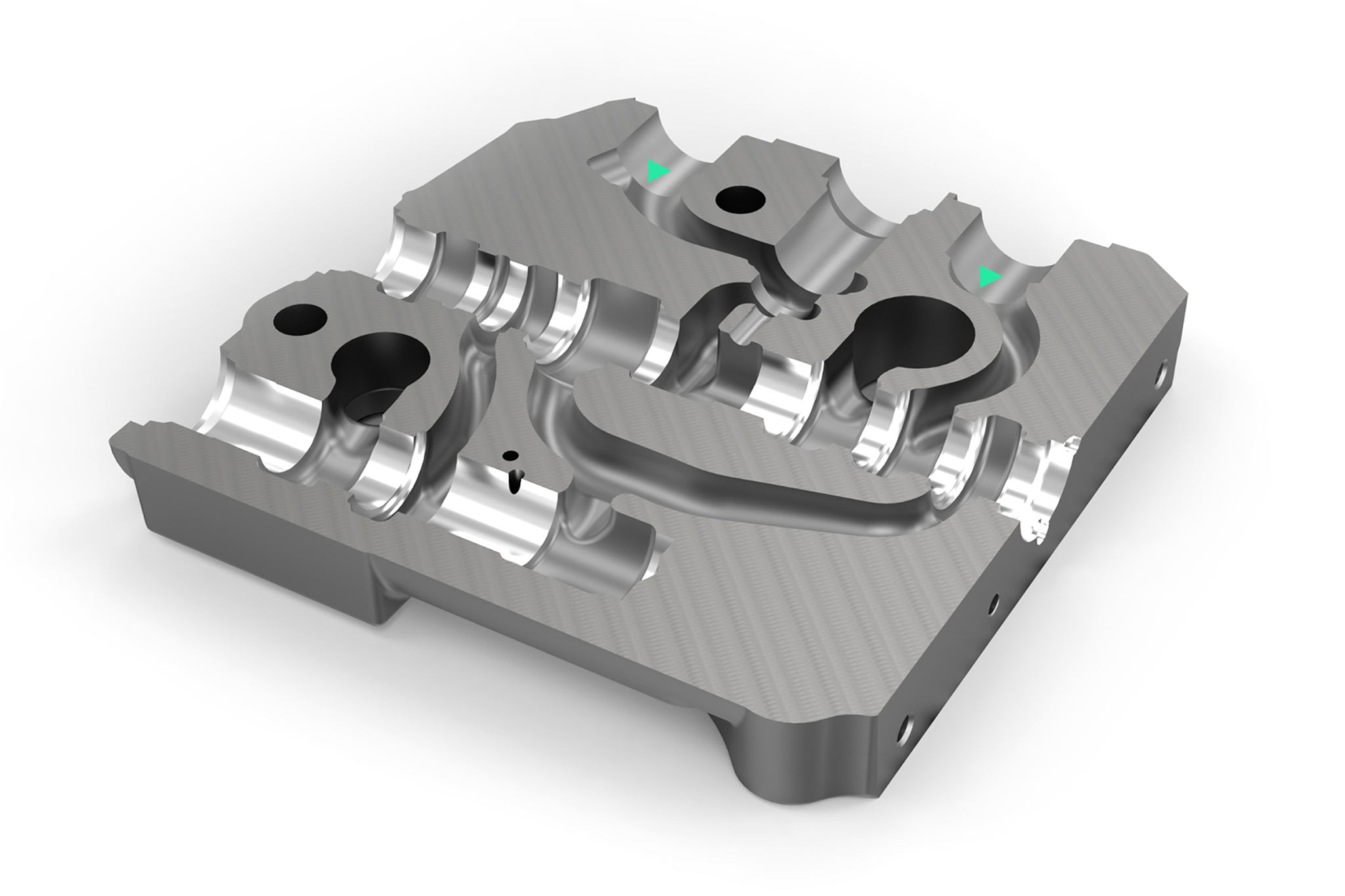
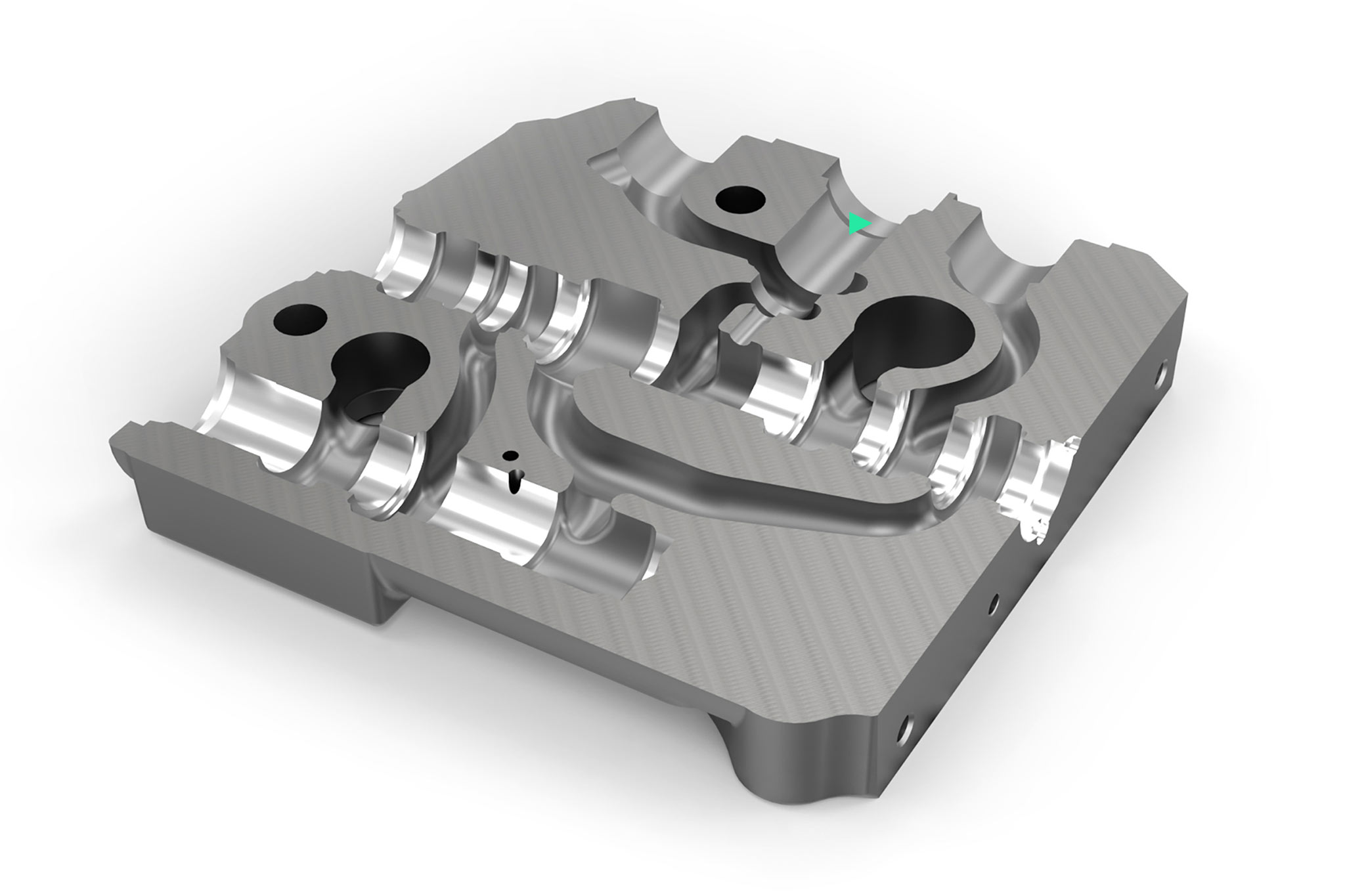
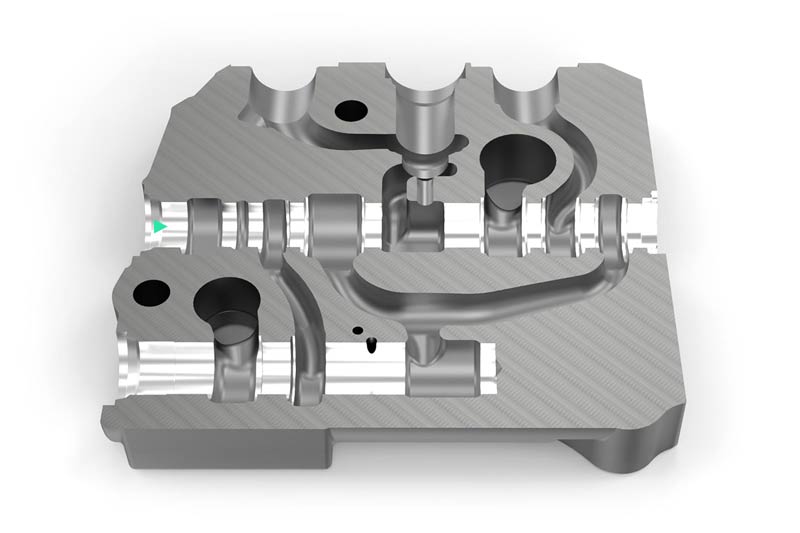
Alles hängt von der Hauptbohrung ab. Die Fertigung von Ventilgehäusen ist die Königsdisziplin in der Welt der Fluidtechnik. Seit Jahren ist die Kompetenz von MAPAL bei der Schieberbohrung gefragt. Von der Genauigkeit dieser Bohrung hängt das Spaltmaß mit dem Schieber ab, damit das Hydrauliköl leckagefrei nur in die gewünschte Richtung fließen kann. Dies ist bei modernen Hydraulikventilen sehr eng definiert. Dementsprechend liegt ein großes Augenmerk auf der Rundheit, Zylinderform, der Geradheit sowie der Oberflächengüte dieser Bohrung.
Ventilgehäuse

Zerspanungsanforderungen

  • Schwankende Guss-Aufmaßsituation
  • Stark unterbrochene Schnitte
  • Ringbildung beim Aufbohren vermeiden und sichere Spanabfuhr aus dem Gehäuse gewährleisten
  • Ausbrüche an den Steuerkanten im Aufbohrprozess vermeiden
  • Sehr hohe Anforderungen an Form- und Lagetoleranz
  • Konstantes Aufmaß vor dem Honen
  • Bauteilvarianz und begrenzte Werkzeugspeicherplätze im Zerspanungskonzept berücksichtigen

Wegeventil

Wegeventile sind mechanisch oder elektronisch betätigte Ventile mit mehreren Schaltstellungen. Je nach vorgegebener Position des Steuerschiebers entlang der Steuerkanten wird ein Volumenstrom zum Betrieb der angeschlossenen Arbeitsgeräte eingestellt. Die Individualdruckwaage (IDW) regelt ein konstantes Lastdruckgefälle über der Zulaufsteuerkante des Steuerschiebers ein, sodass eine lastdruckunabhängige Volumenstromsteuerung über den gesamten Stellbereich, auch im Parallelbetrieb, erreicht wird (Lastkompensation). Das System muss leckagefrei sein, um ein unbeabsichtigtes Absinken der Last, auch bei Parallelbetrieb zu verhindern.

Bohrungsbearbeitungen
Application solutions

1 – Small and medium series with fixed tools

Initial situation at the customer

MAPAL Application solution 1

Valve housing EN-GJS-400-15 – spool bore

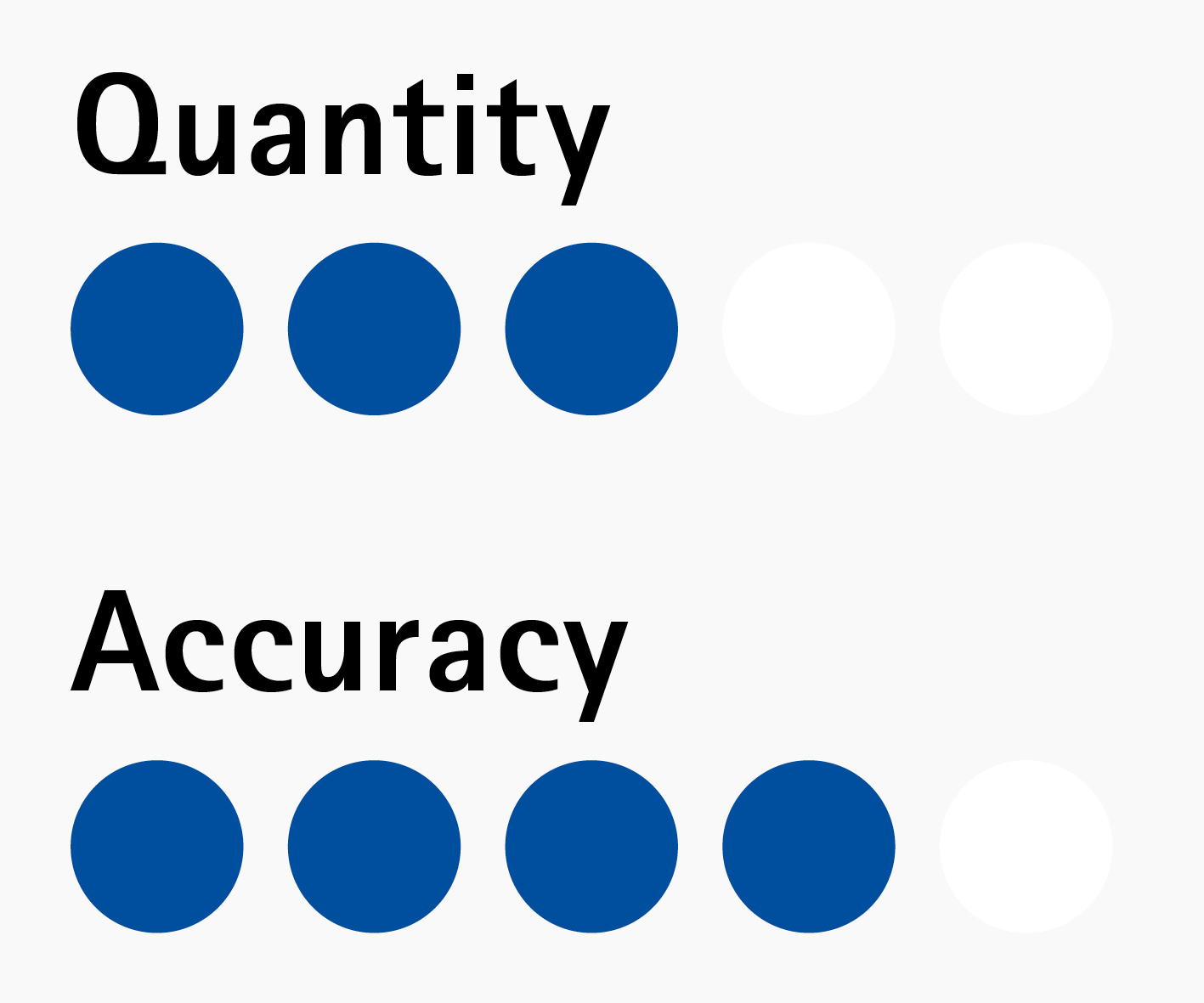
  • Individual orders, smaller and medium quantities
  • No option for tool setting
  • Short cycle times required
  • High machine hourly rates
  • Stable oscillating honing available
  • Tool concept adapted to several part versions

2 – Large series with solid and adjustable tools

Initial situation at the customer

MAPAL Application solution 2

Valve housing EN-GJS-400-15 – spool bore and compensator bore

  • Large-scale series
  • Tool setting desired
  • High machine hourly rates
  • High costs for subsequent single pass honing

3 – Small lot sizes – Reduced tool changes due to combination tools

Initial situation at the customer

MAPAL Application solution 3

Valve housing EN-GJL-300 – spool bore

  • Small lot sizes
  • Option for tool setting available
  • Too many/frequent tool changes
  • High machine hourly rates
  • High effort due to single pass honing process

4 – Flexible honing on the machining centre

客户的初始情况

MAPAL Application solution 4

阀门外壳 EN-GJS-400-15 - 压力天平孔/珩磨加工

  • 减少额外成本的要求
  • 现有加工中心改装为 TOOLTRONIC
  • 用于原型样板件制造以及中/小批量的珩磨加工
  • 要求将珩磨流程对单独的机床不采用

5 - 工具管理

客户的初始情况

MAPAL Toolmanagement

阀门外壳 EN-GJS-400-15 - 完整加工

  • 库存量高
  • 刀具预调间中的工艺流程并非最优的和数据质量不完整
  • 成本透明度不足够
  • 专业人员普遍短缺造成较大的人力波动现象
  • 发生断刀的问题
  • 刀具成本高

刀具解决方案

打导向孔和镗孔
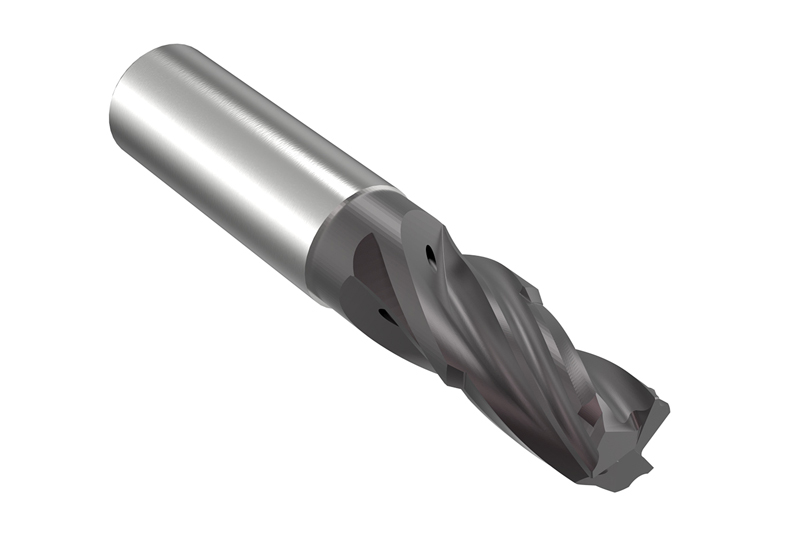
  • Pilotieren

    整体硬质合金镗刀

    • 六个导向倒角可实现完美的圆度和直线度
    • 得益于多倒角技术和合适的冷却剂导向装置实现优化的切屑流动和扩展的精磨削选项

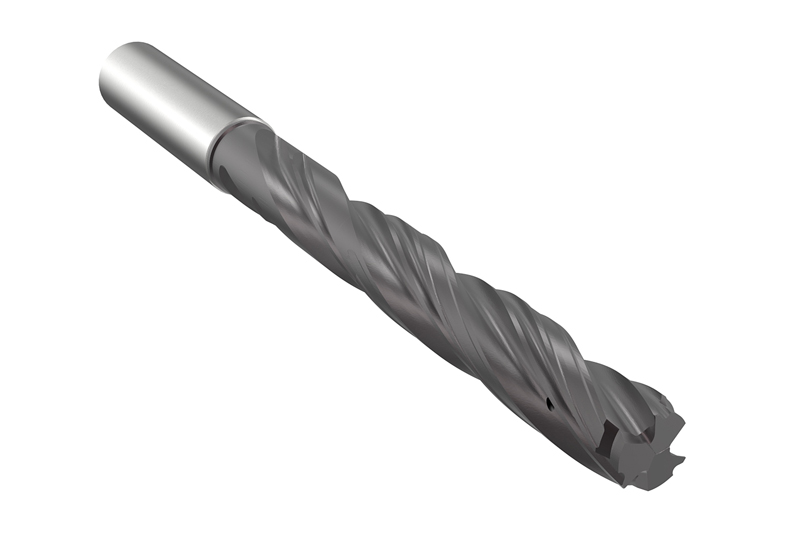
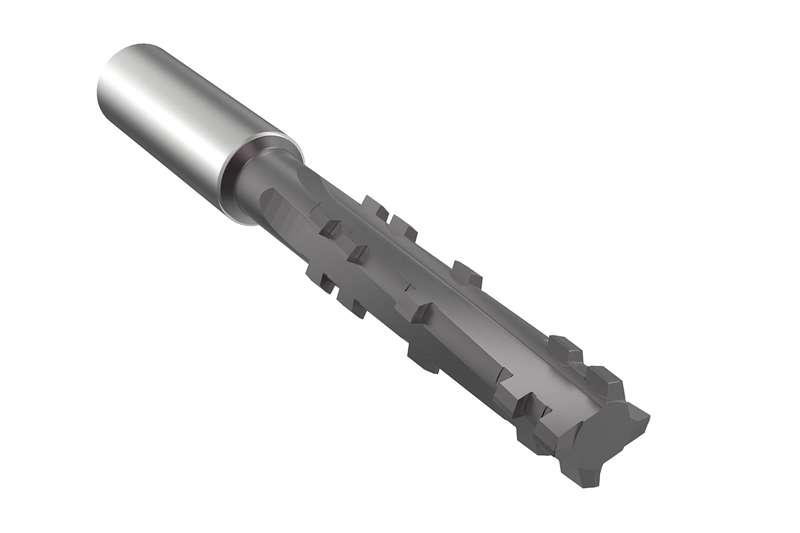
  • Boring

    整体硬质合金镗刀

    • 三个切削刃、六个导向倒角和特殊切口几何形状
    • 直孔,理想的切屑流和整个孔长度的导向

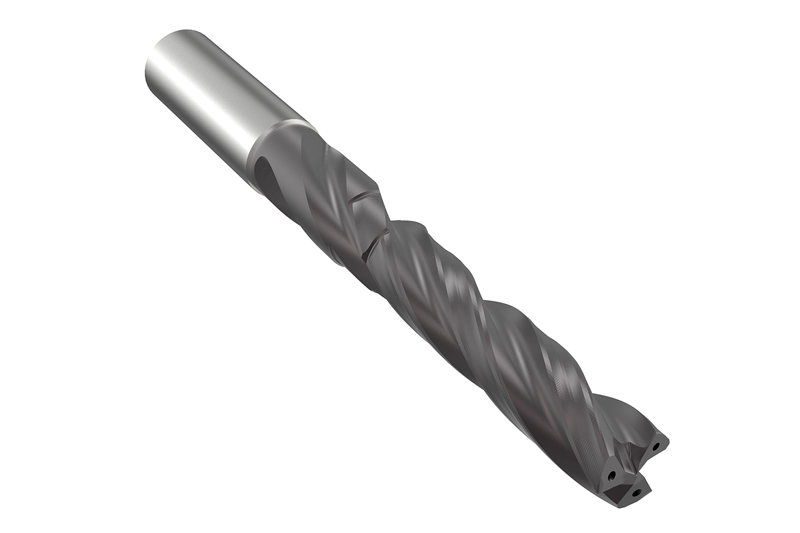
  • Boring

    整体硬质合金镗刀

    • 六个导向倒角和特殊切口几何形状
    • 直孔,理想的切屑流和整个孔长度的导向
    • 通过在一个刀具中进行两次加工操作来减少非加工时间

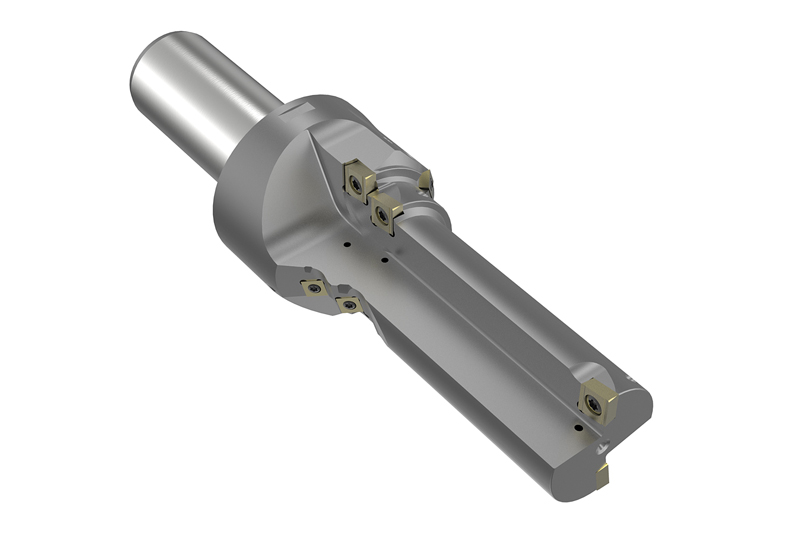
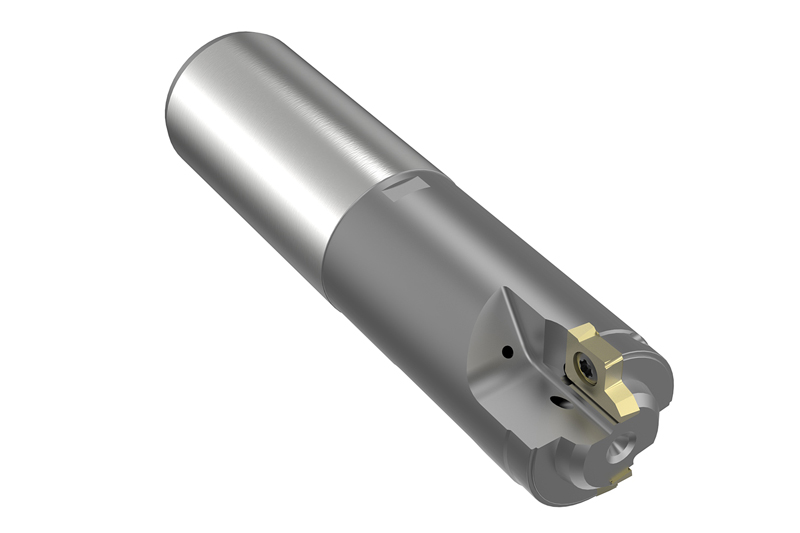
  • Piloting and boring

    多级镗刀

    • 径向和切向可转位刀片
    • 一次装夹即可完成滑块钻孔的预加工和轮廓

  • MAPAL Boring

    双刃镗刀

    • 成形切削刃
    • 工艺可靠的轮廓加工
    • 操作简单,切削材料成本低

控制刃口加工
  • Control edge machining

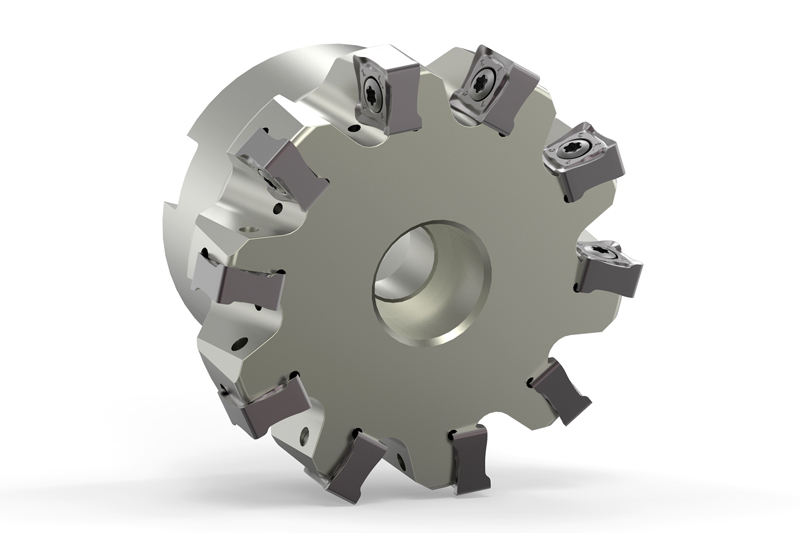
    整体硬质合金圆盘铣刀

    • 显著节省加工循环时间
    • 定义的控制刃口无破裂现象

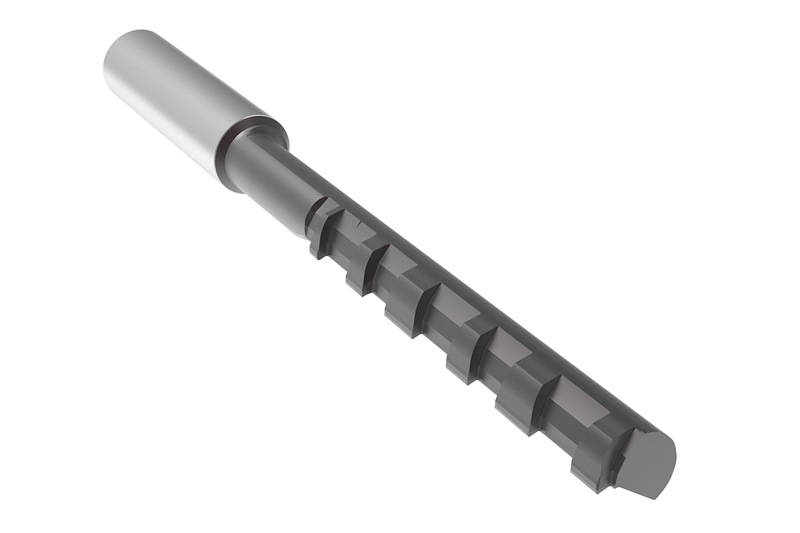
  • Control edge machining

    整体硬质合金型材模具

    • 最高精度和控制刃口的表面质量
    • 定义的控制刃口无破裂现象

铰削和精镗
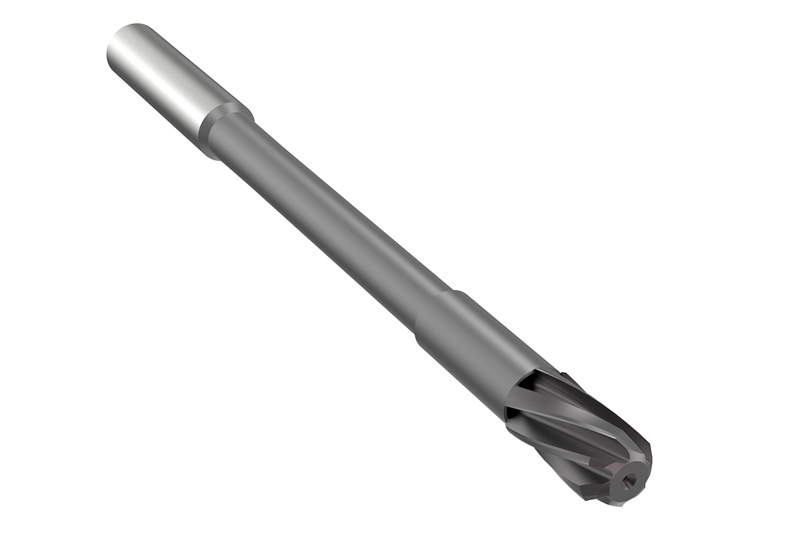
  • Reaming

    多刃铰刀

    • 高切削值
    • 通过左旋和最佳冷却剂导向实现完美的切屑控制

  • Fine boring

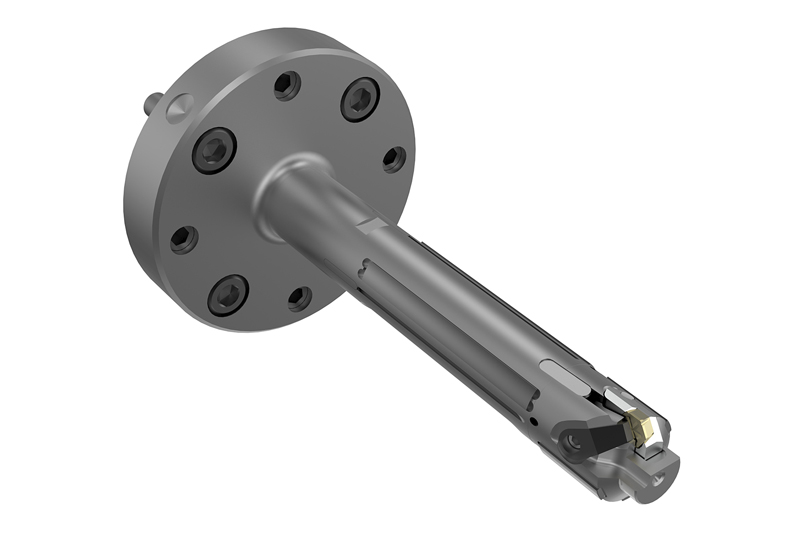
    精镗刀具

    • EasyAdjust-系统和导向板条
    • 工艺可靠的精加工,易于操作,无需进行后续的珩磨
    • 通过理想跟踪获得最佳圆柱形状

  • Fine boring

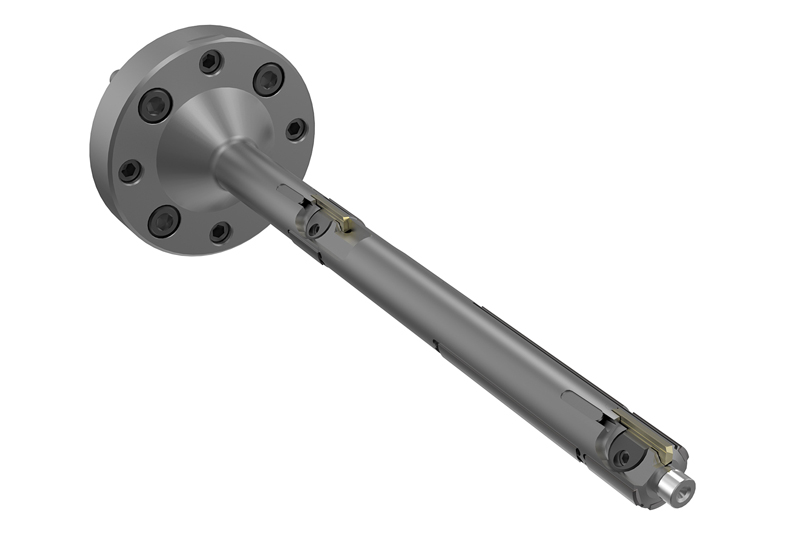
    精镗刀具

    • 可调转位刀片和导向板条
    • 很适合非常精确和长孔的腹板加工

通过珩磨实现精加工
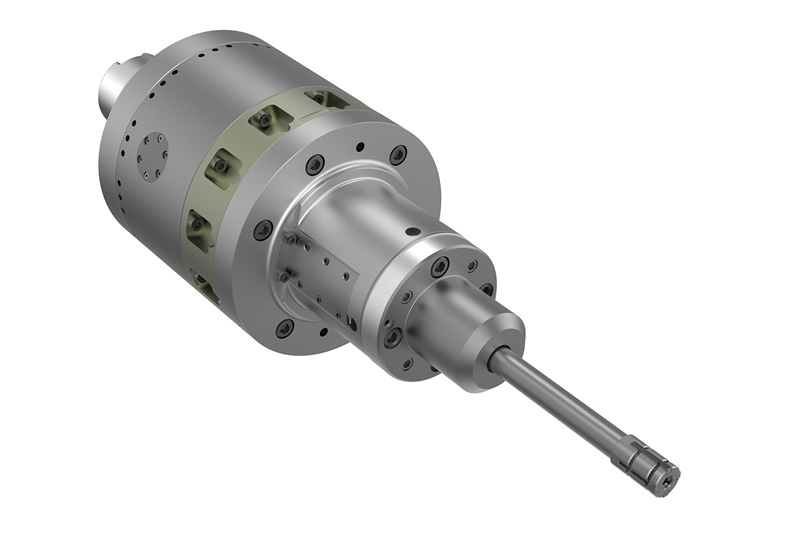
  • TOOLTRONIC

    MAPAL TOOLTRONIC

    • 显着减少制造和流程时间
    • 更高的形状保真度

铣削
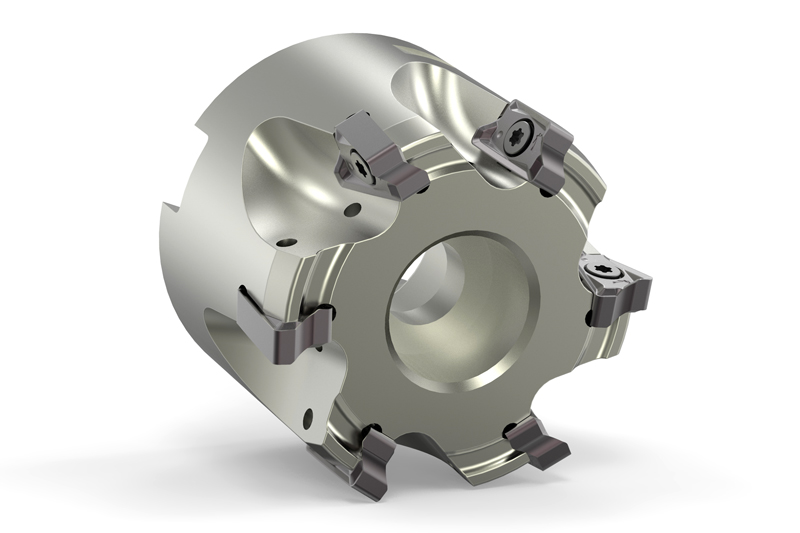
  • NeoMill-16-Face

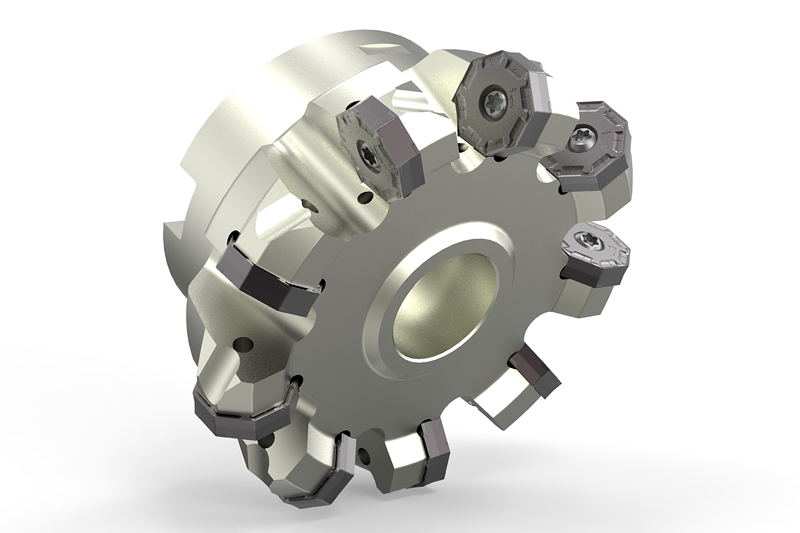
    NeoMill®-16-Face

    • Inserto de corte de 16 filos/45°
    • Primera opción para hierro fundido y acero fundido resistente al calor
    • Rango de Ø 63-200 mm / ap máx. 4 mm
    • Fuerzas de corte reducidas a pesar de la forma negativa
    • Máxima rentabilidad en el fresado plano

  • NEOMILL-8-CORNER

    NeoMill®-8-Corner

    • Inserto de corte de ocho filos/90°
    • Primera opción para el hierro fundido
    • Rango de Ø 50-200 mm / ap máx. 8 mm
    • Máxima rentabilidad en el fresado escalonado

  • NEOMILL-4-CORNER

    NeoMill®-4-Corner

    • Inserto de corte de cuatro filos/90°
    • Es el más adecuado para el acero, el acero inoxidable, el hierro fundido y el acero fundido resistente al calor
    • Rango de Ø 25-100 mm / ap máx. 10 mm
    • Planeado en dimensiones de escalón elevadas
    • Fuerzas de corte muy reducidas a pesar de la forma negativa

Sujeción
  • UNIQ Mill Chuck

    UNIQ Mill Chuck

    • Resistente a altas temperaturas de 80 °C incluso con ciclos de fresado muy largos (más de 240 minutos)
    • Para fresados de alta potencia hasta un máximo de 33.000 revoluciones por minuto
    • Máxima seguridad en el proceso

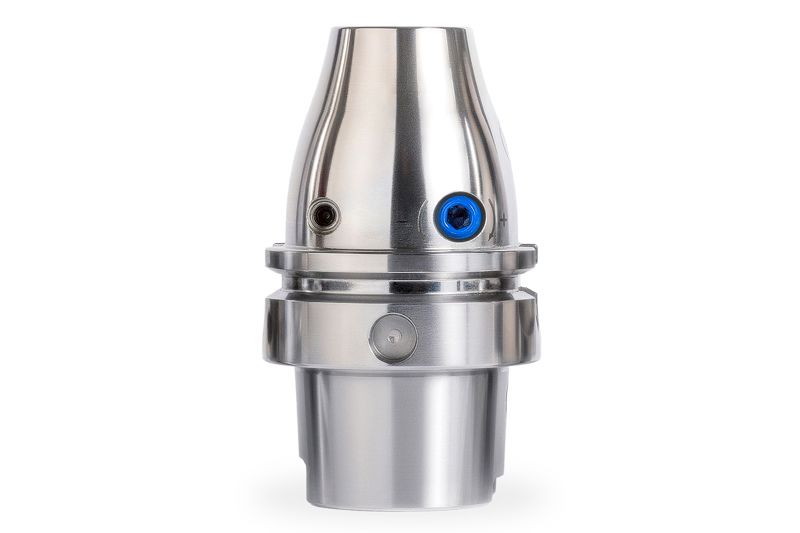
  • UNIQ DReaM CHUCK 4.5°

    UNIQ DReaM Chuck, 4.5°

    • Adaptador hidráulico con las dimensiones originales de un sistema de sujeción por contracción térmica (contorno DIN con 4.5°)
    • Diseño de sistemas orientado a la aplicación
    • Máxima seguridad en el proceso y vida útil
    • Cambio de herramientas rápido y muy preciso

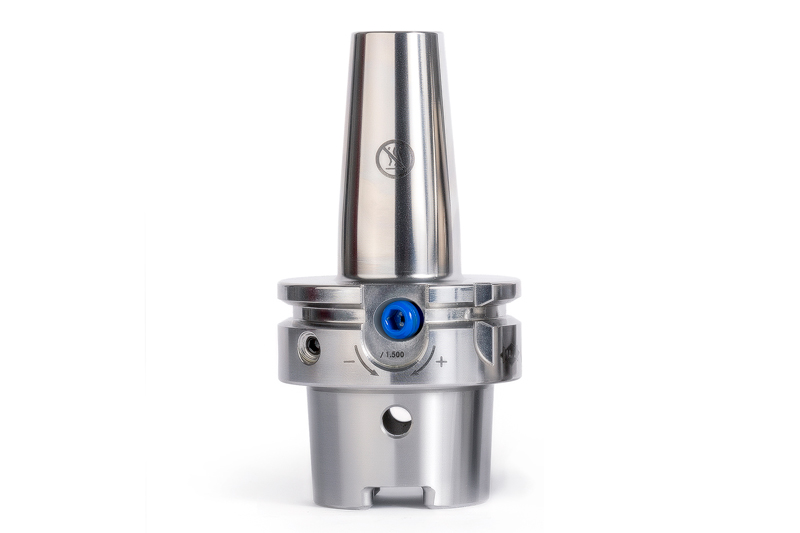
  • HB MILL CHUCK SIDE LOCK CHUCK

    MANDRIL DE SUPERFICIE HB MILL CHUCK

    • Manejo muy sencillo gracias al tornillo diferencial
    • Máximas rentabilidad y precisión
    • Posicionamiento axial definido de la herramienta gracias al sistema elástico
    • Posicionamiento óptimo de las herramientas de perfil para el mecanizado de bordes de control