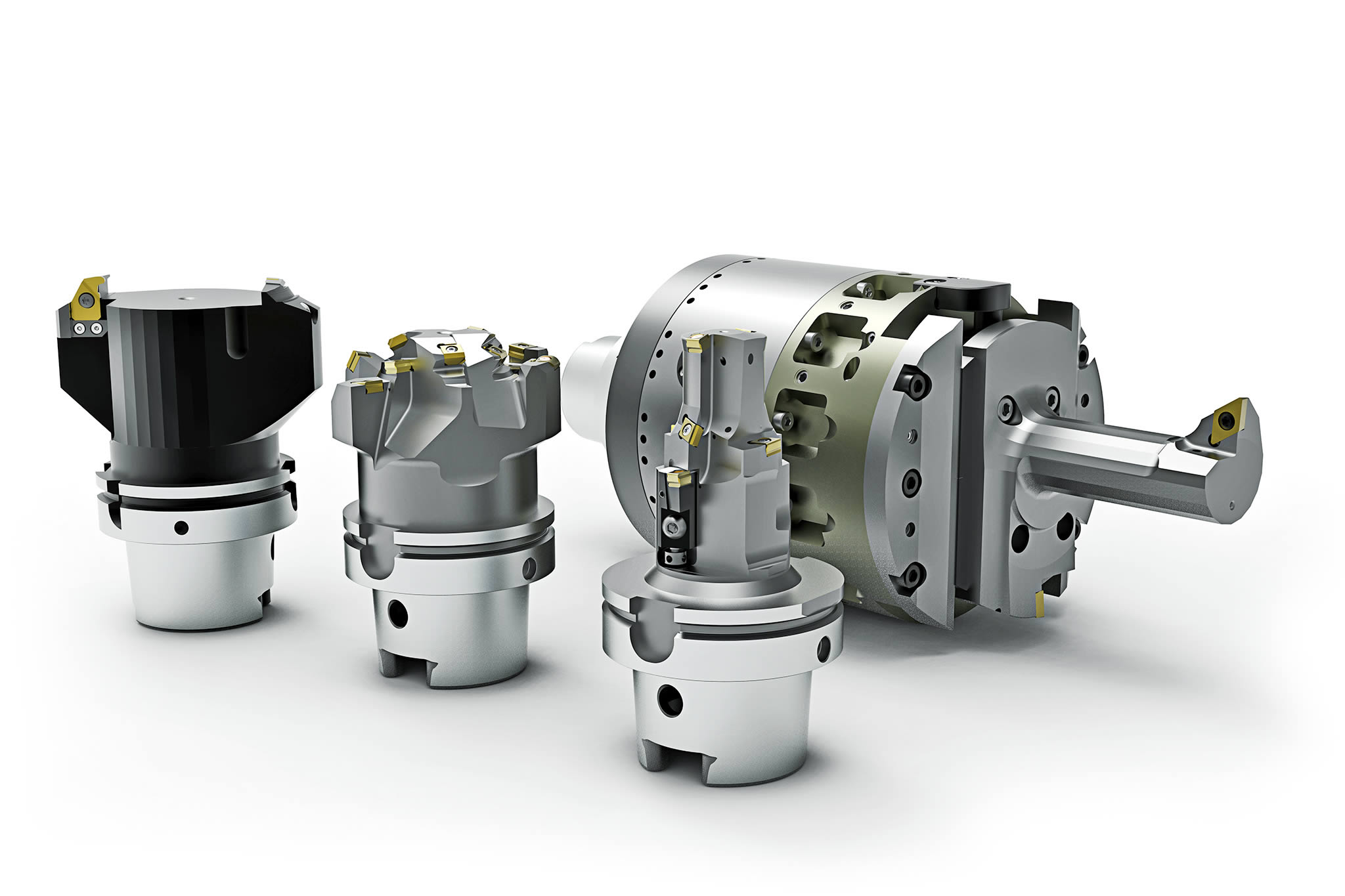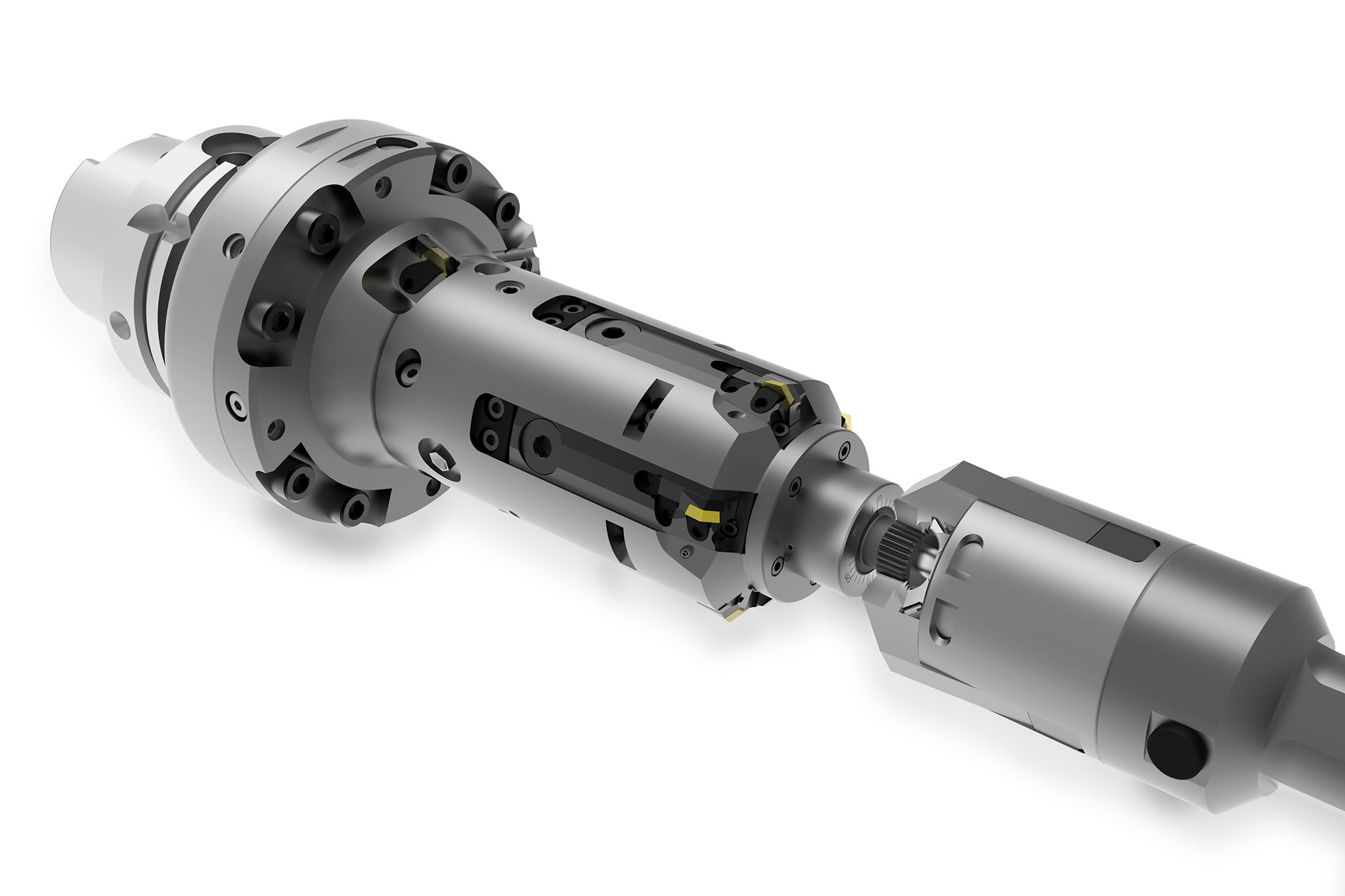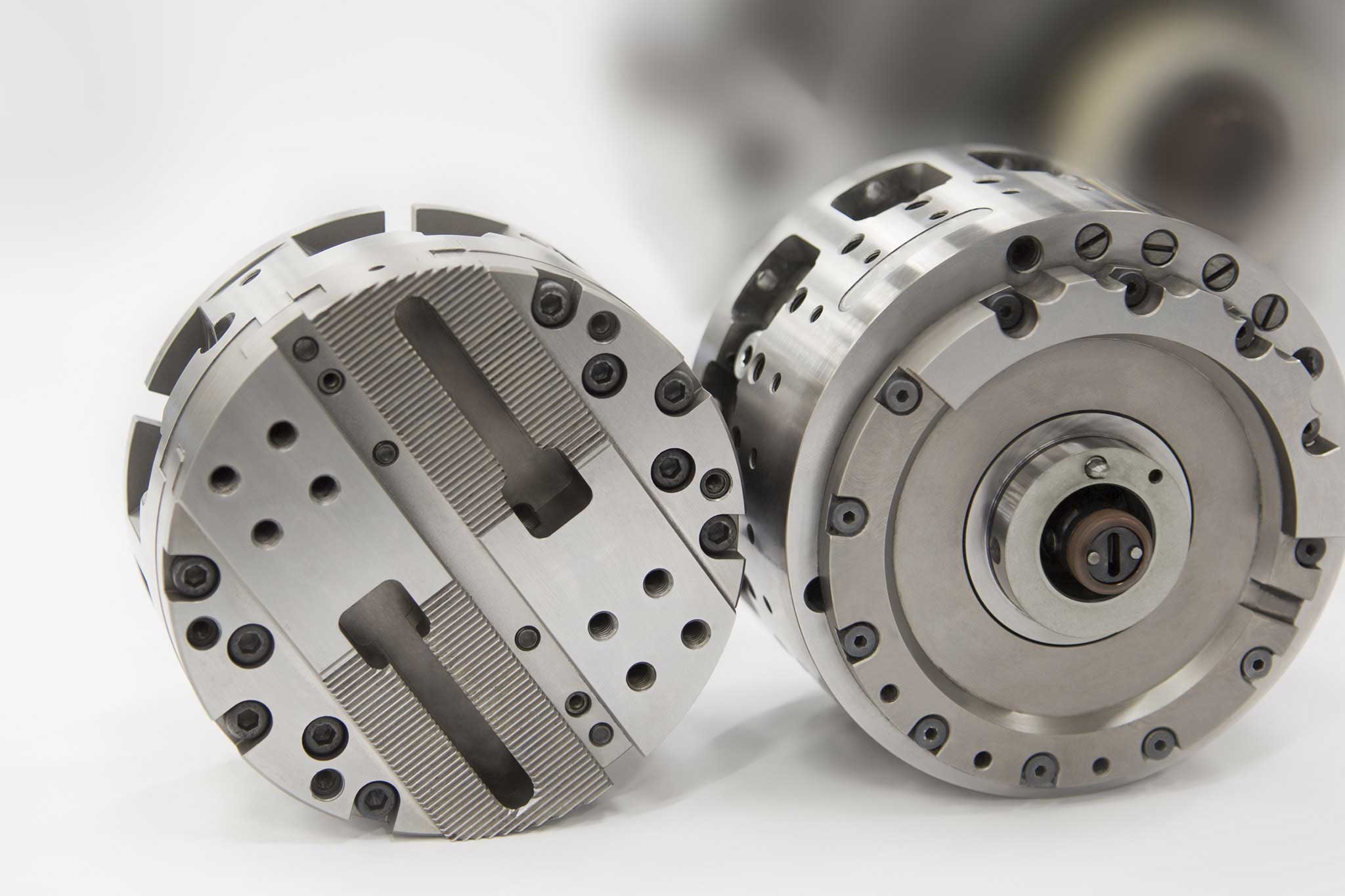
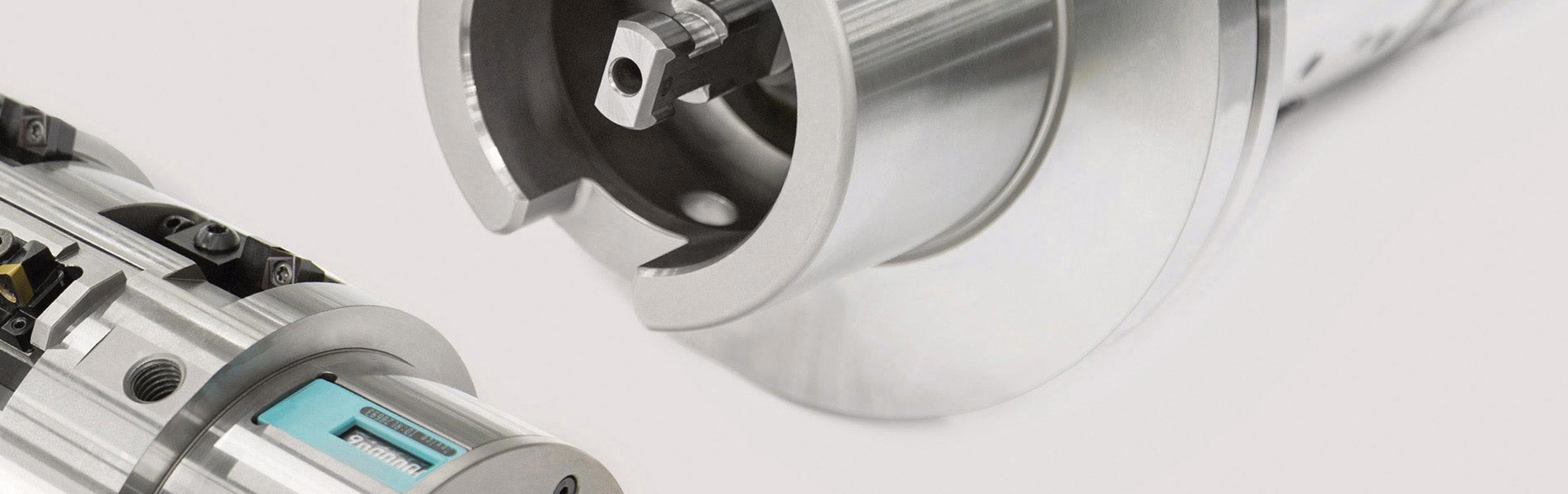
• Il sistema meccatronico TOOLTRONIC come azionamento universale per una maggiore versatilità e flessibilità di produzione.
  • Strumenti di tassellatura MAPAL
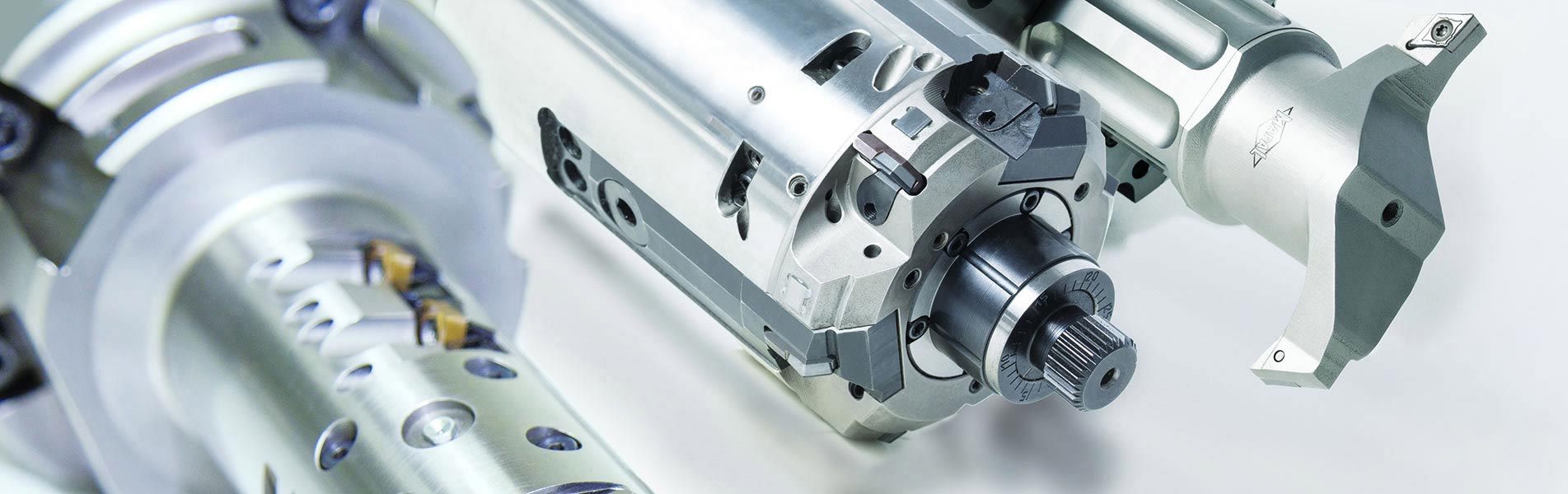
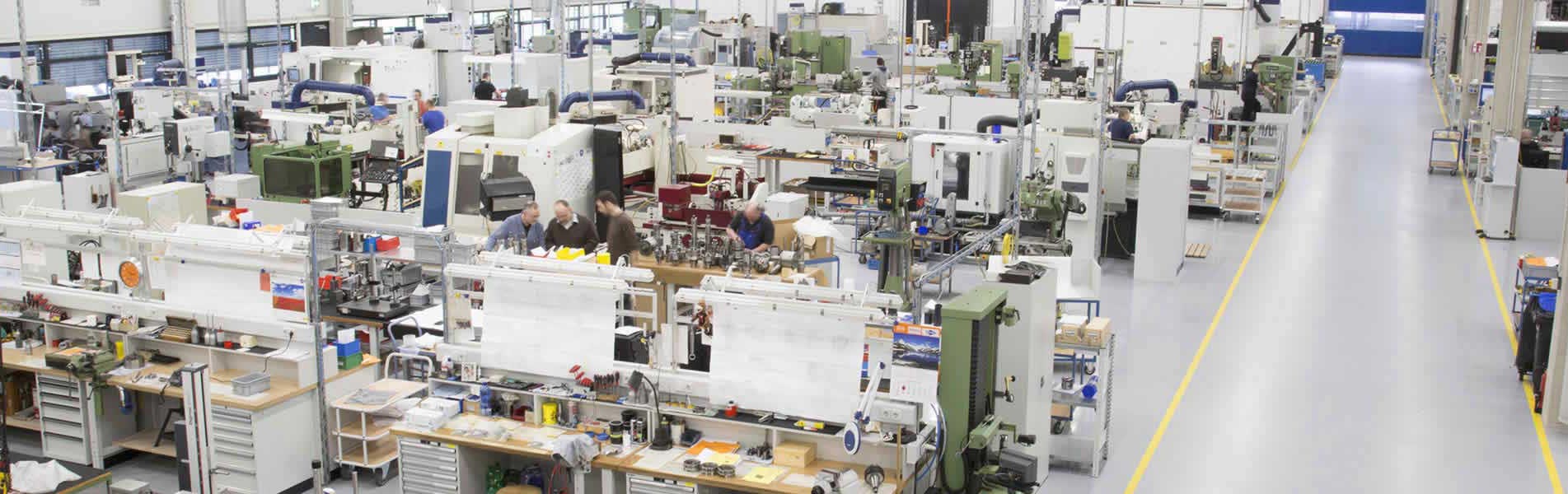
  • Gli utensili di azionamento MAPAL sono prodotti nello stabilimento di Eppingen.
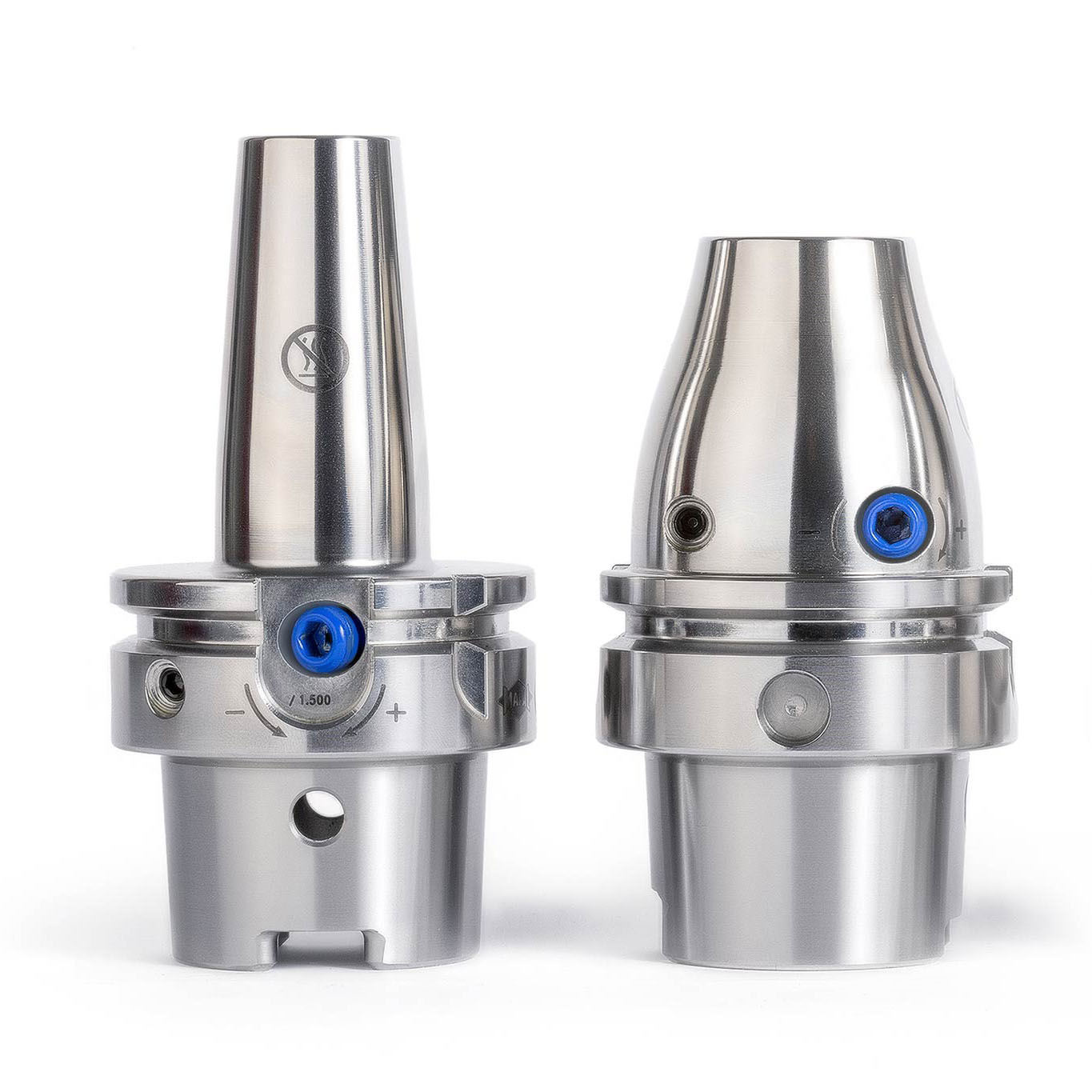
  • I diversi tipi di azionamento e di uscita possono essere combinati in base ai requisiti e all'applicazione.

Competenza nell'azionamento

Gli utensili di comando offrono un grande potenziale di razionalizzazione e ottimizzazione nei lavori di truciolatura. Per questo, e per far fronte all'esigenza di un assortimento di utensili completo, dall'inizio degli anni '90 la gamma MAPAL comprende anche innovativi utensili di comando, barre alesatrici e teste piane rotanti. Per macchine speciali o per la lavorazione completa in centri di lavorazione flessibili – quando si tratta di eseguire lavorazioni di profili complessi, forature non cilindriche, superfici piane, rettifiche a tuffo su elementi cubici, la MAPAL offre sempre l'utensile ottimale.

La Gamma di prodotti comprende utensili
  • di comando meccanici, azionati dalla macchina per mezzo di barre di trazione/ pressione o da sistemi con asse U, nonché utensili a comando NC, come il sistema
  • di utensili meccatronici TOOLTRONIC, particolarmente flessibile e pensato per macchine senza unità di avanzamento aggiuntiva.

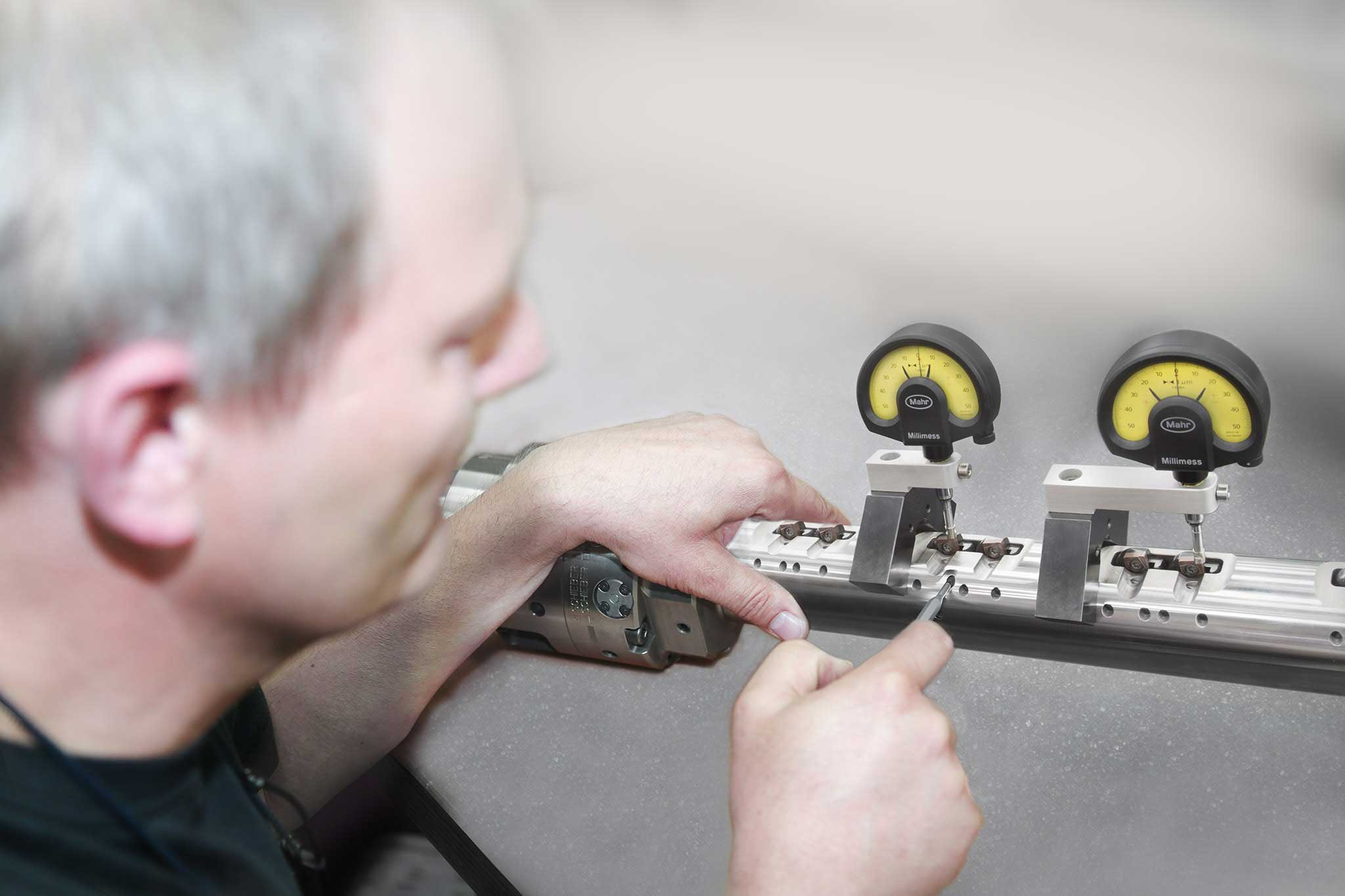
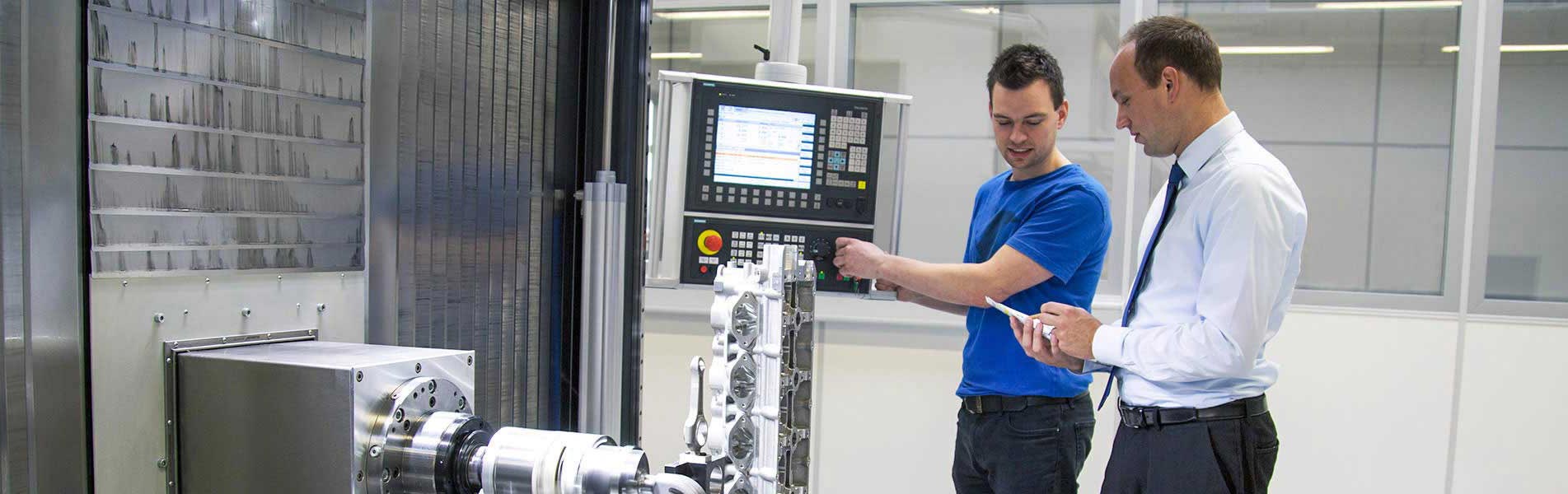
​​​​​​​Il team di ingegneri MAPAL, esperto ed altamente specializzato, lavora a stretto contatto con il cliente per elaborare la soluzione ottimale per lo specifico lavoro di truciolatura. La meccanica pregiata e perfettamente sincronizzata, nonché l'elevato numero di elementi diversi presenti all'interno dell'utensile di comando richiedono la massima precisione e la massima cura in ogni singola fase di produzione. Al fine di garantire l'assoluta precisione degli utensili, alla MAPAL il loro montaggio avviene esclusivamente a mano. Per poter eseguire la messa in funzione degli utensili presso il cliente nel modo più rapido ed efficiente possibile, gli utensili di comando complessi vengono prima testati in modo approfondito, in condizioni di utilizzo reali e con carichi estremi. La messa in funzione presso il cliente viene eseguita a cura di uno specialista in truciolatura MAPAL. 


Quando è utile l'azionamento?

  •  A contour that is being processed with an actuating tool is marked in red.

    Complex contours

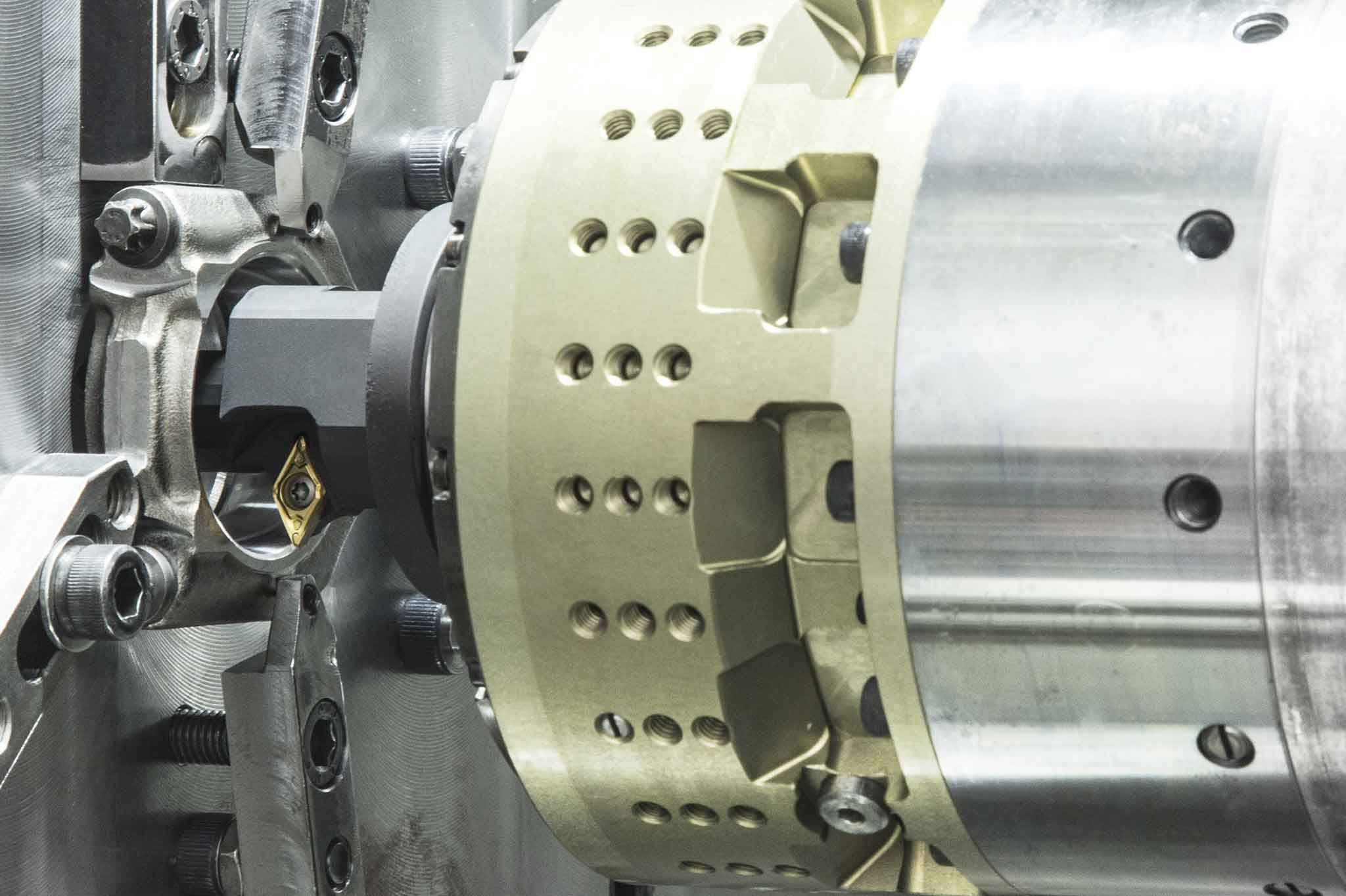
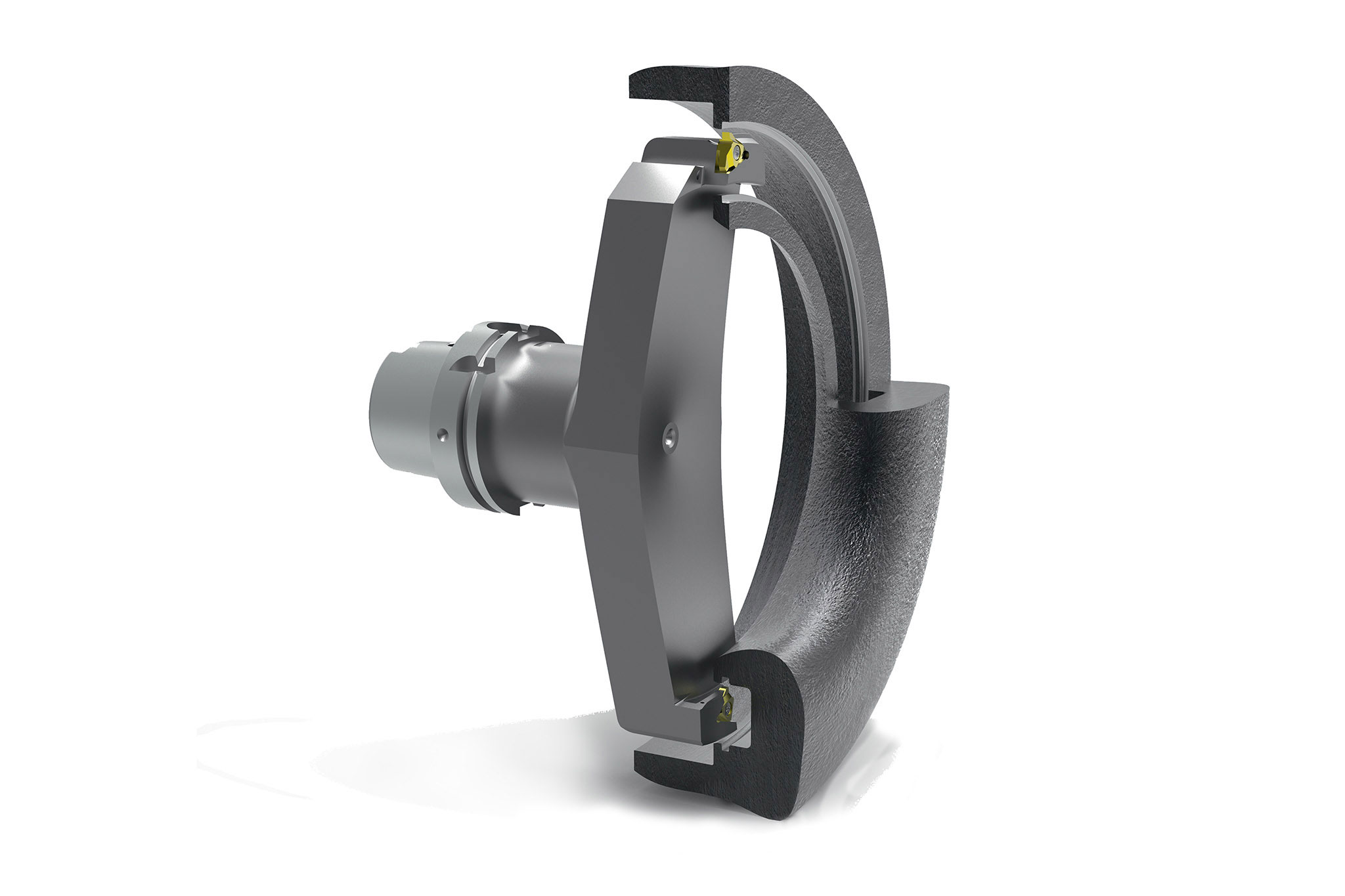
    Machining turning geometries on cubic parts

  • The picture shows a group of tools for the complete machining of a turbocharger.

    Complete machining on machining centres

    MAPAL tool solutions from the actuating range allow for the machining of complete workpieces on machining centres. A change to  lathes is not necessary.

  • Certain actuating tools from MAPAL have the ability to compensate cutting edge wear.

    Cutting edge wear compensation

    A fine adjustment for automatic wear compensation offers highest accuracies and an optimum utilization of the cutting edges.

Product overview

Types of input and output

Mechatronic tool system TOOLTRONIC

Facing heads

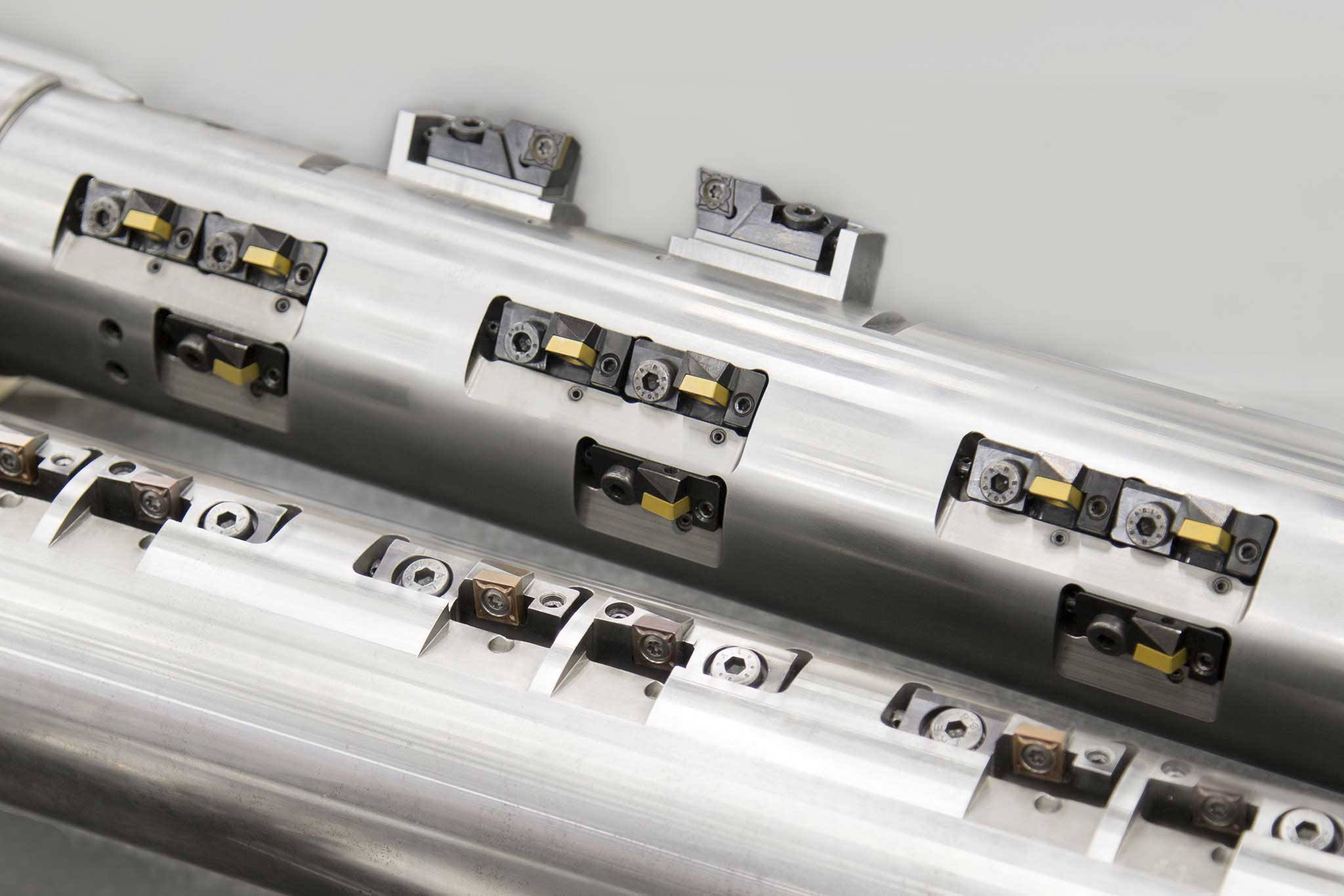
Line boring bars

Line boring bars from MAPAL are used especially for machining bearing bars.

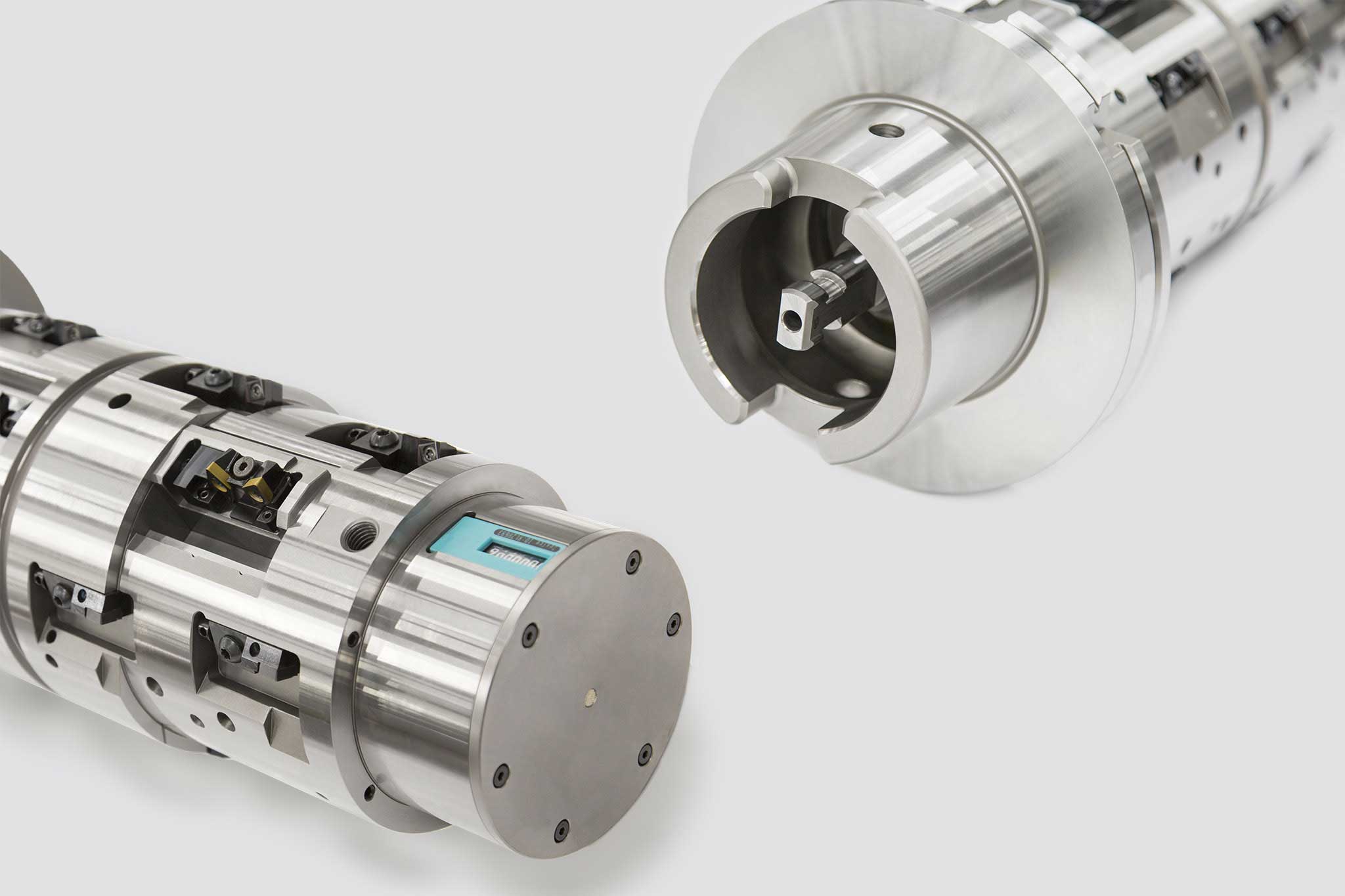
Line boring bars are tools for the special machining of bearing journals in housings. During this process the tool is guided by at least one guide bearing in the fixture (workpiece clamping). 
Several inserts in the tool permit the simultaneous machining of several journals. An optional drawbar/push rod makes possible additional face machining at the related journal and/or cutting edge lifting to compensate for cutting edge wear.

Line boring bars are used for machining crankshaft and camshaft bores. They are considered the most accurate way of manufacturing these bores in the crankcase.

Special applications

  • Wobble tools from MAPAL for machining internal and external profiles.

    Wobble tools

    Machining of internal and external profiles

    MAPAL wobble tools make possible the cost-effective manufacture of internal and external profiles that is also gentle on the machine. 
    ​​​​​​​
    A wobble movement is generated by the rotation of the wobble bar. Due to this wobble, only the point on these tools is used and therefore the load is also only on the point. The feed force required is significantly lower than during the conventional broaching and shaping process and therefore reduces the load on the machine tool's feed unit.

  • Interpolation tools from MAPAL are used to machine turning processes on machining centres.

    Interpolation turning

    Turning processes on machining centres

    Interpolation turning is a machining process that can be used to realise turning processes on machining centres. It is used, for example, for recesses on cubic workpieces that are otherwise produced using circular milling. However, many other geometries typical for turning, for example the taper form, can also be produced using interpolation turning on machining centres.

    An important prerequisite for the use of this process is that the machine has a main spindle that can be operated as a position-controlled axis.

Services for actuating tools

Regular maintenance by qualified MAPAL employees increases the effectiveness and longevity of the actuating tools significantly.

Engineering - Design - Commissioning - Maintenance

In the actuating tool sector, MAPAL offers comprehensive advice on the entire product portfolio. During initial conversations the requirements on the machining process are recorded by the salesperson. In order to offer a tailored product, the broad standard product range is complemented by customer-specific modifications to standardised components.

Tailored service contracts allow a reliable planning of maintenance appointments and reduce the service costs. The MAPAL service team checks the tools at a defined maintenance interval.

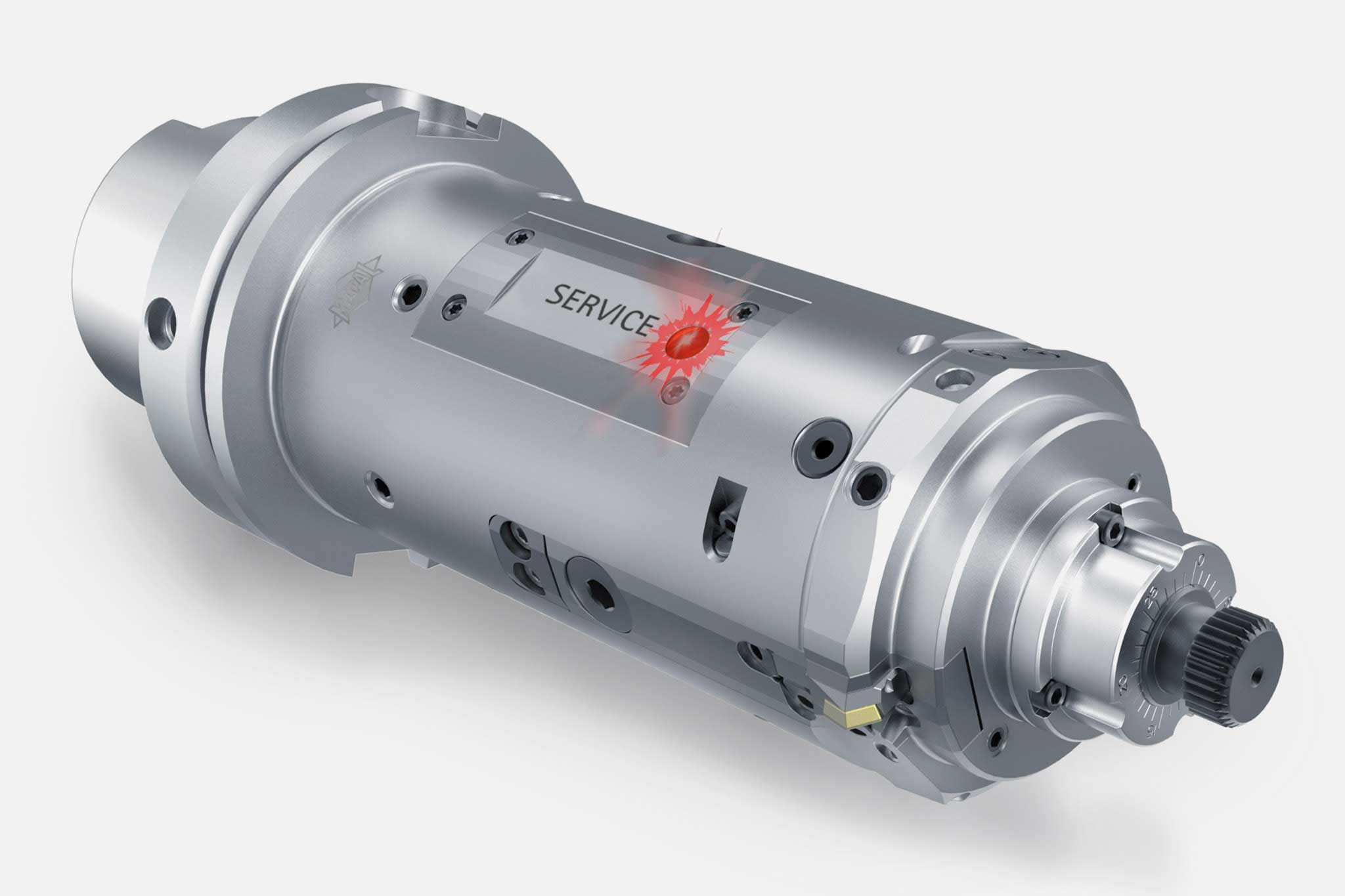
An independent service display extends the service life of MAPAL actuating tools.

Self-sufficient service indicator simplifies preventive maintenance

MAPAL has developed a particularly simple system that helps users with the question of the timing and frequency of service work on rotating tools.
​​​​​​​
An integrated service chip with LED, partly also possible as an upgrade, signals an upcoming maintenance service by „blinking“. The service interval is based on the operating hours of the tool.