Usinagem de desbaste de componentes
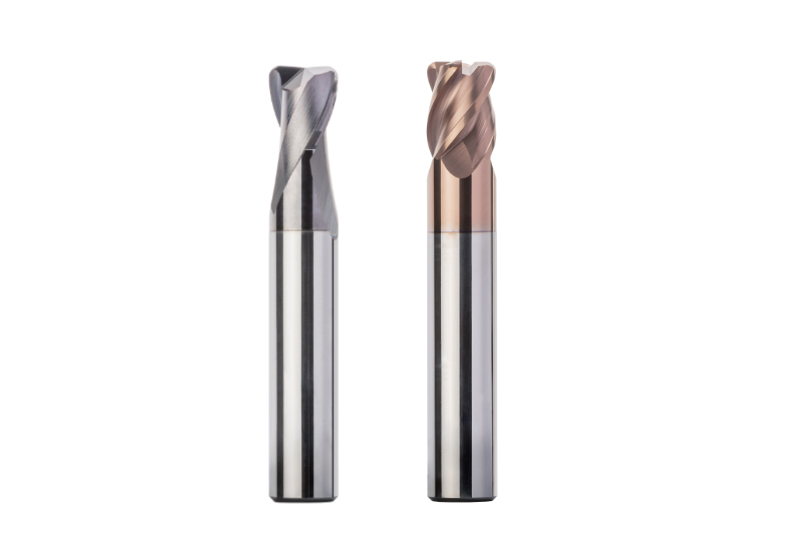
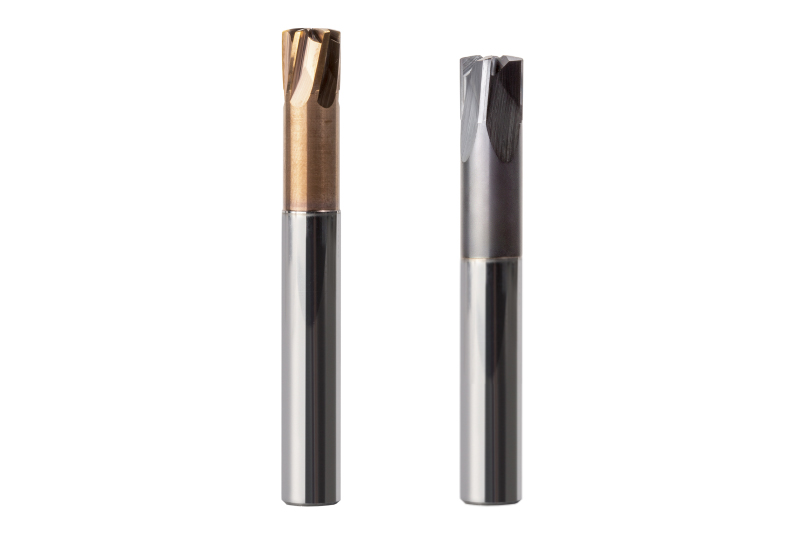
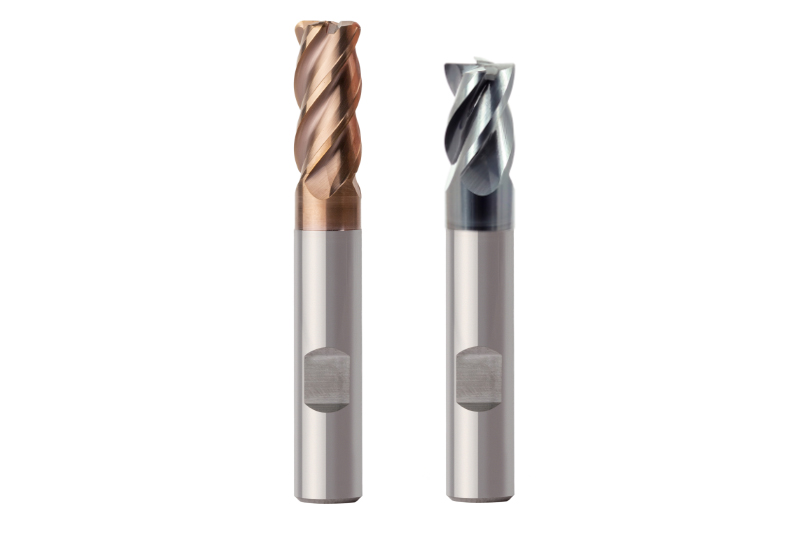
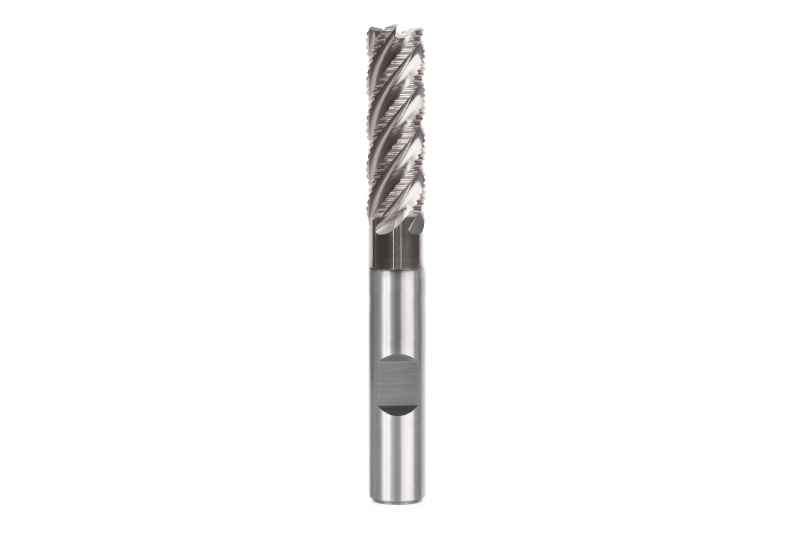
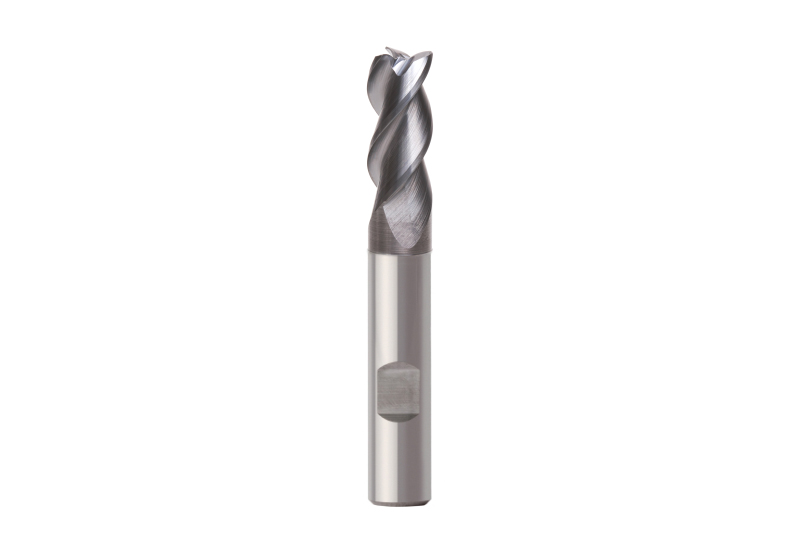
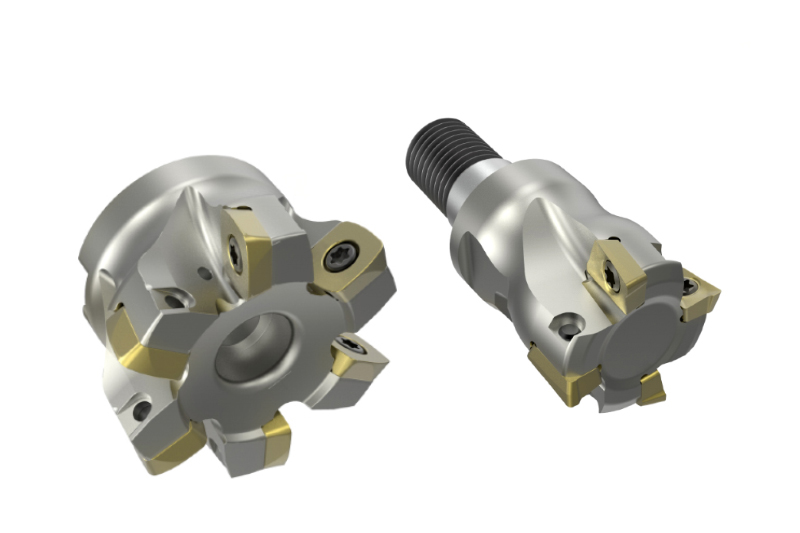
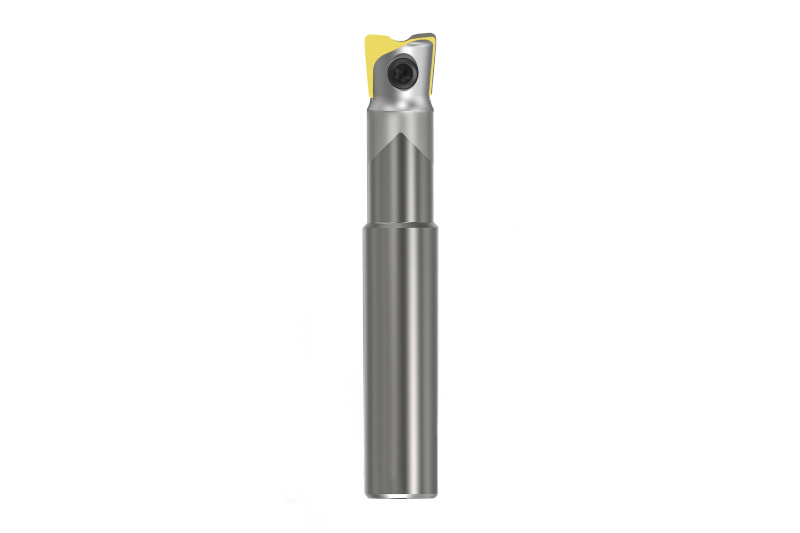
A operação de desbaste é responsável pela maior parte do volume de usinagem. Estratégias especiais de fresagem, tais como processamento de alto avanço ou fresagem trocoidal, podem reduzir o tempo de usinagem e, assim, aumentar a eficiência econômica. Além das ferramentas com pastilhas amovíveis e fresas de metal duro integral, são utilizadas fresas de alto desempenho com geometria de desbaste especial.
Material residual desbaste
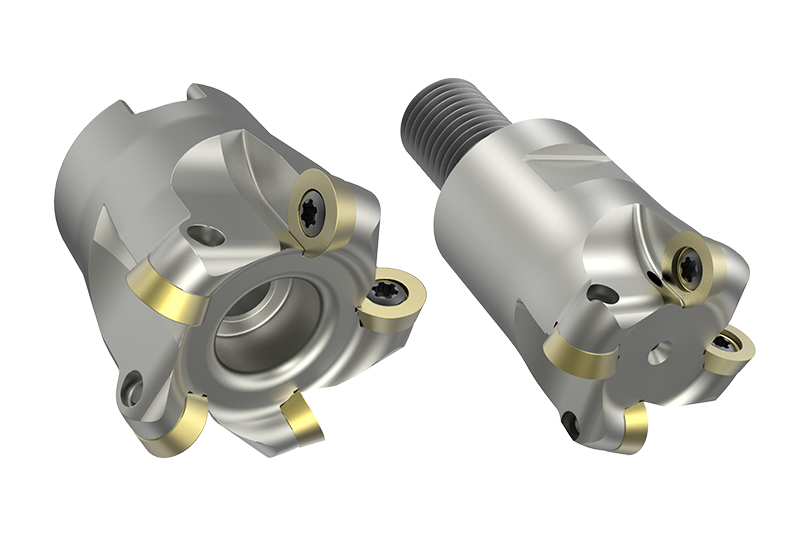
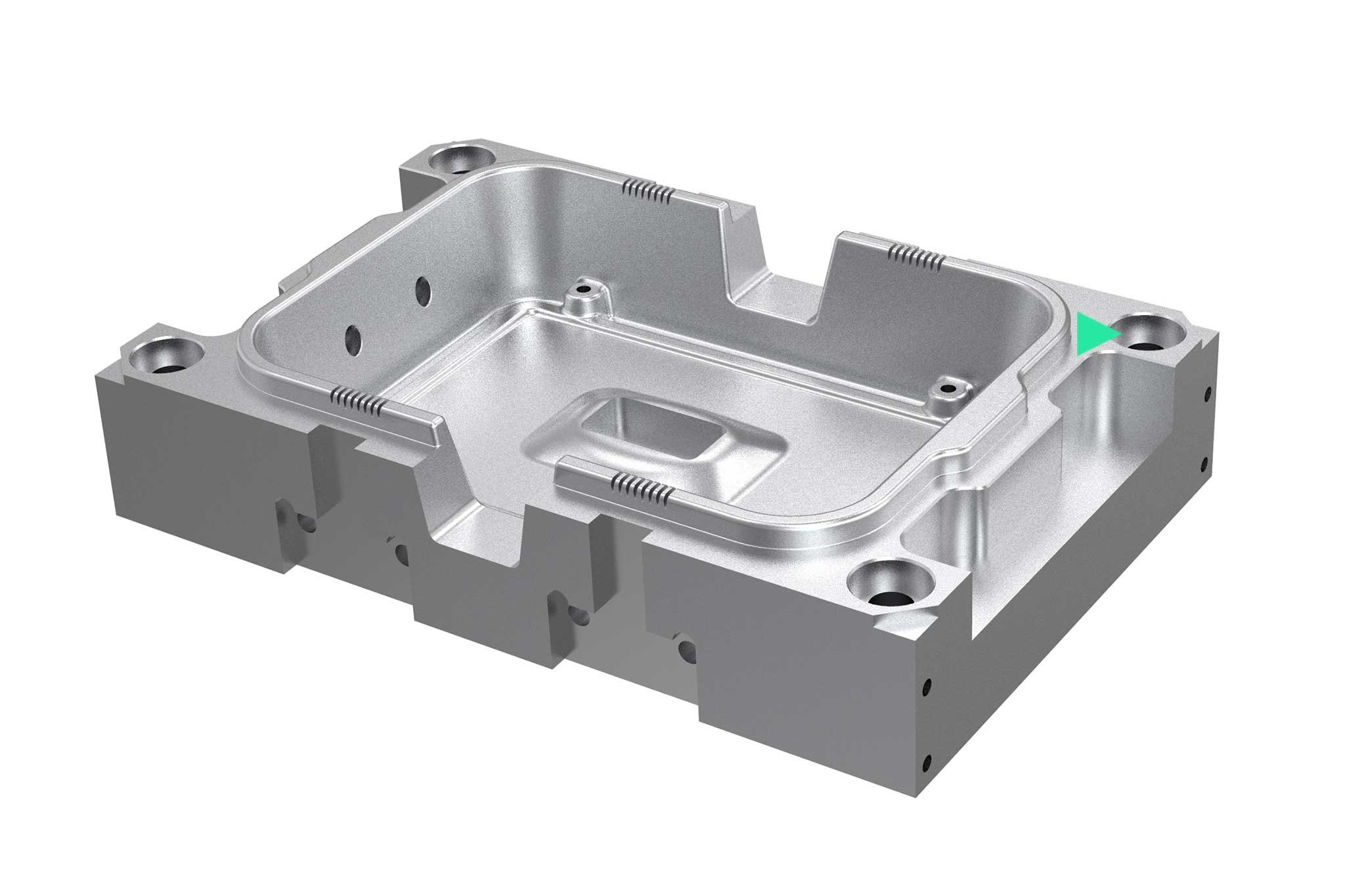
Após o desbaste, os usuários usinam o material residual, especialmente em cantos e cavidades, para uma tolerância o mais constante possível em uma segunda etapa de usinagem. Normalmente, são utilizadas ferramentas com raio da aresta ou fresa de alto avanço. Se necessário, uma fresa esférica também pode remover o material residual nos cantos.
Pre-finishing
If there are high demands on dimensional accuracy and surface finish, semi-finishing is recommended before finishing. With pre-finishing, machining approaches the final mould profile. The aim is to obtain a residual material that is as constant as possible in order to enable fast finishing with high demands on the surface quality. The stock removal after roughing is approx. 0.5-1 mm for hardened materials and 0.03-0.5 mm for soft materials. After pre-finishing, the constant stock removal is 0.05-0.1 mm for hardened materials or 0.1-0.3 mm for soft materials.
Finishing
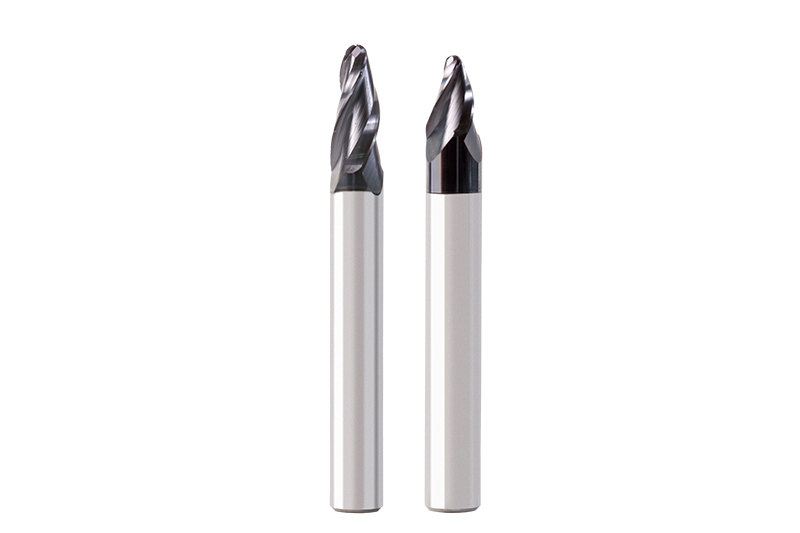
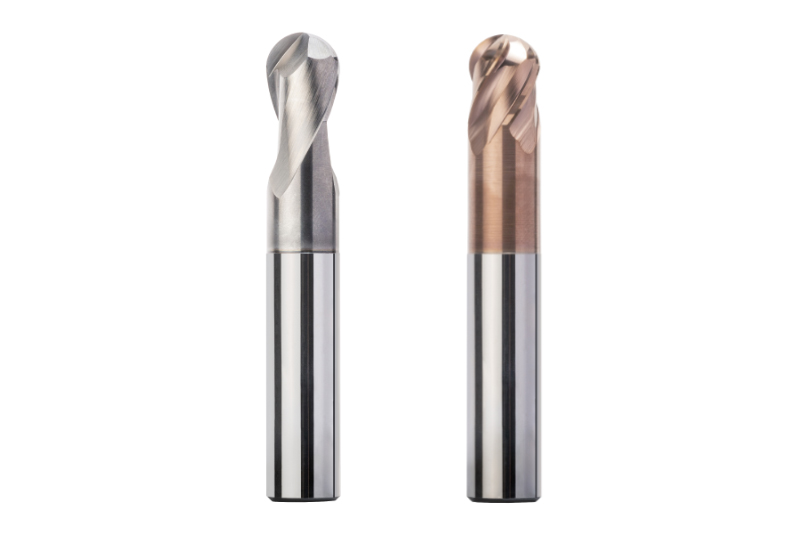
The finishing process removes the remaining material in order to achieve the final shape. After pre-finishing, stock removal is 0.05-0.1 mm for hardened materials or 0.1-0.3 mm for soft materials. Ball and/or corner radius milling cutters are the tools of choice, regardless of the final contours of the workpiece.