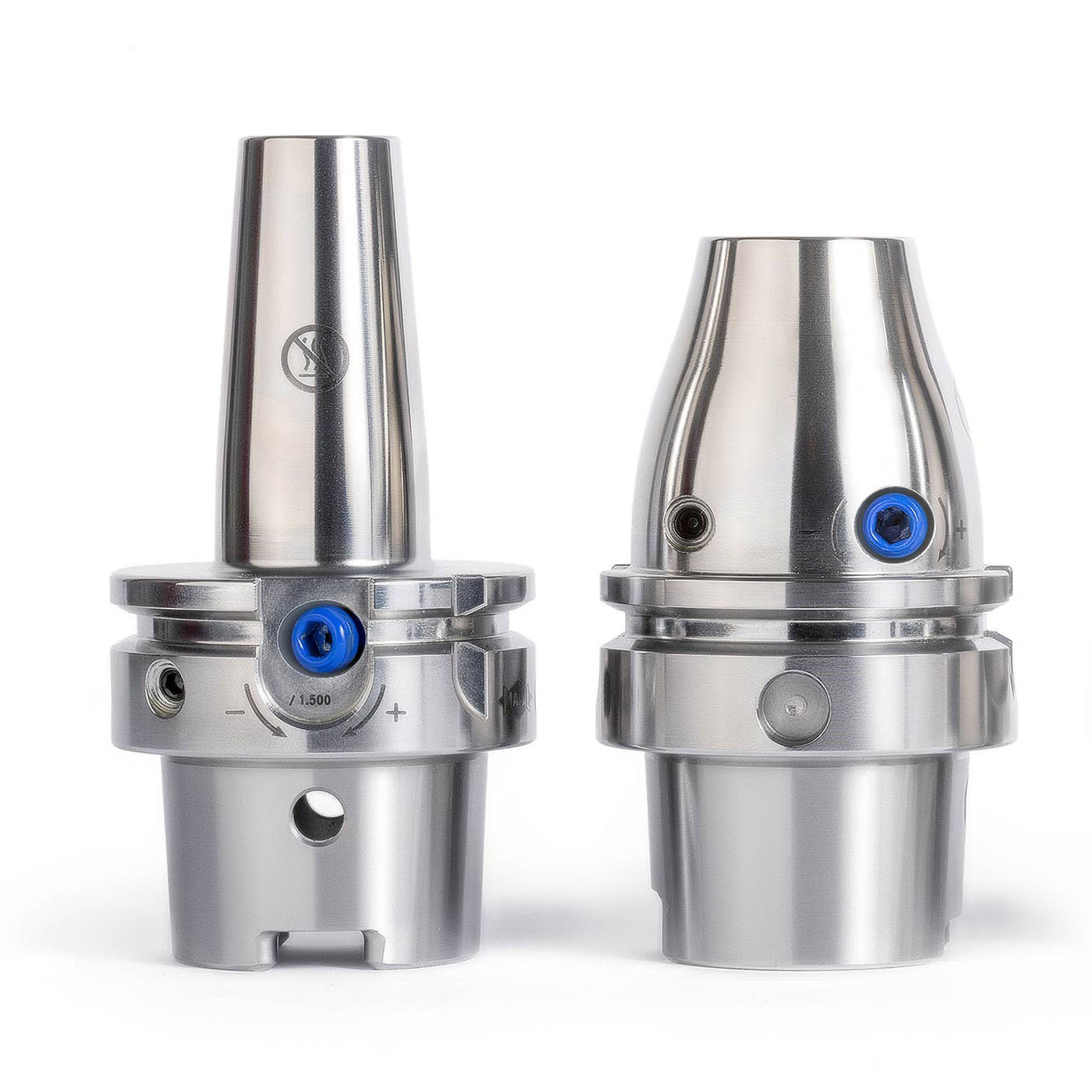
Machining 3D surfaces
In the die & mould sector, the manufacture of increasingly complex forms is part of everyday life. Continuous further developments in machine tools and CAM software raise performance and productivity to an ever higher level. The tools used must therefore always be state-of-the-art. To achieve optimum results, each design starts with a process analysis.
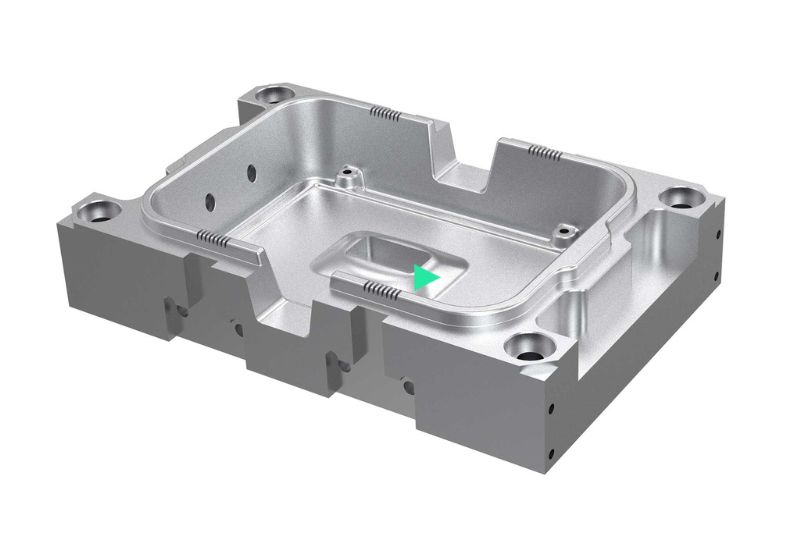
Tool overview for the following machining steps:
Roughing
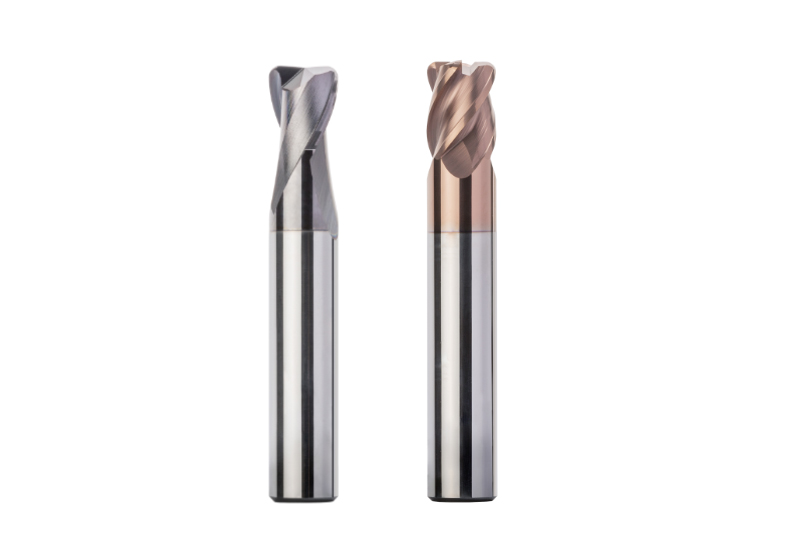
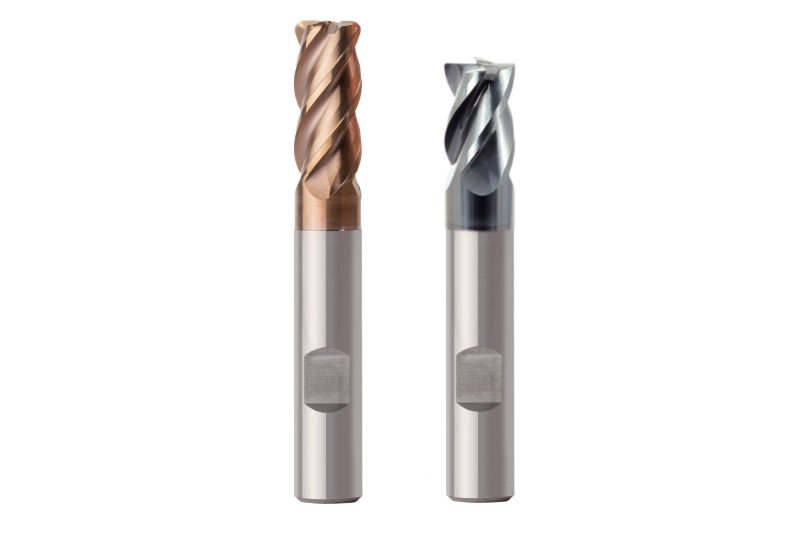
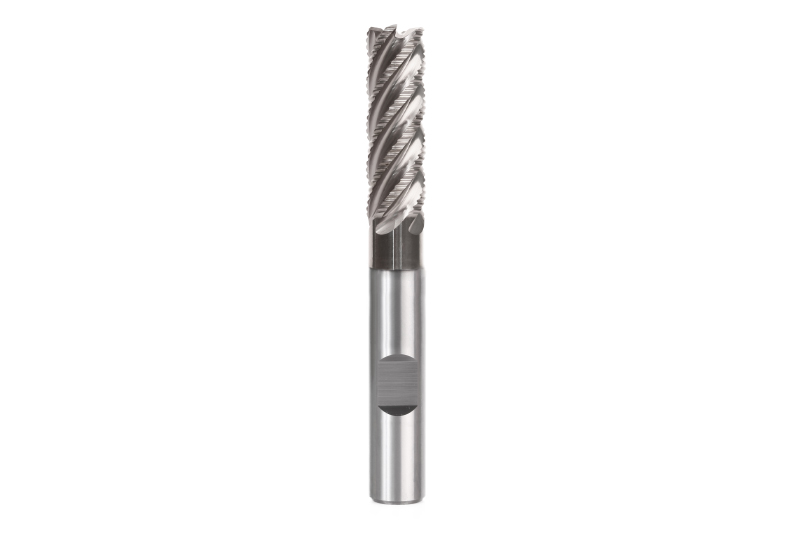
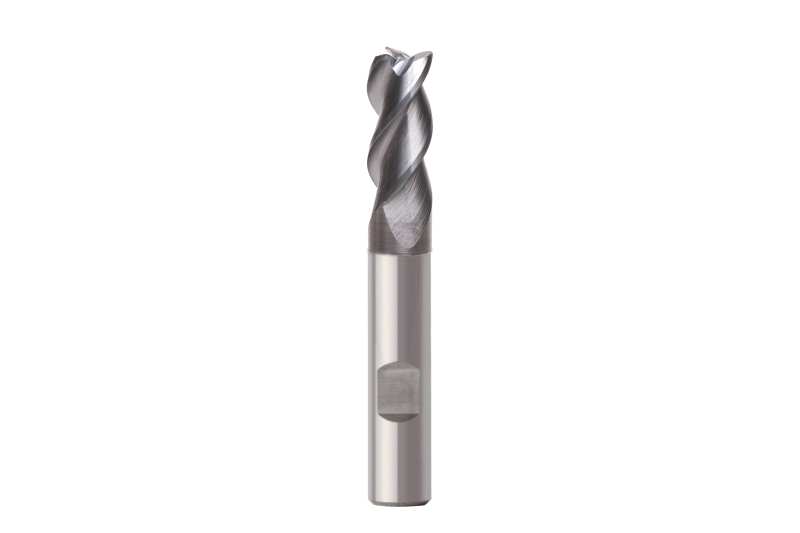
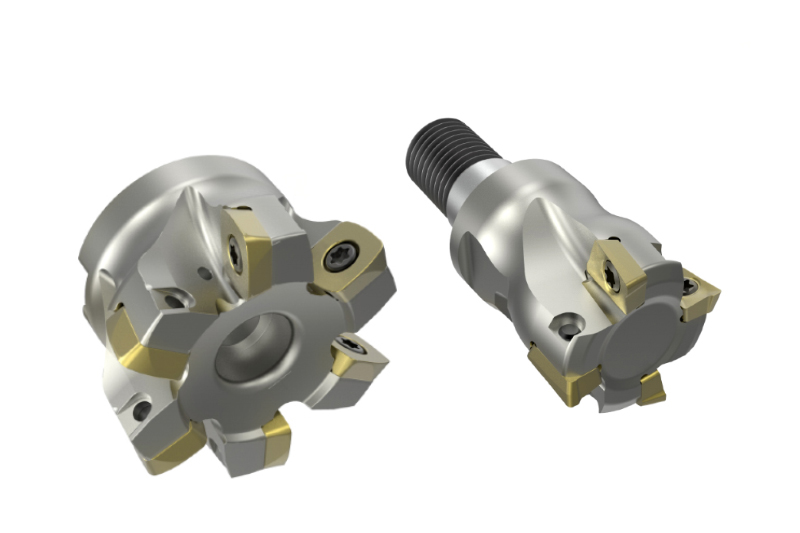
Roughing operations are responsible for most of the chip removal capacity. Special milling strategies such as high-feed machining or trochoidal milling can reduce machining time and thus increase profitability. In addition to tools with indexable inserts and solid carbide milling cutters, high-performance milling cutters with special roughing geometry are used.
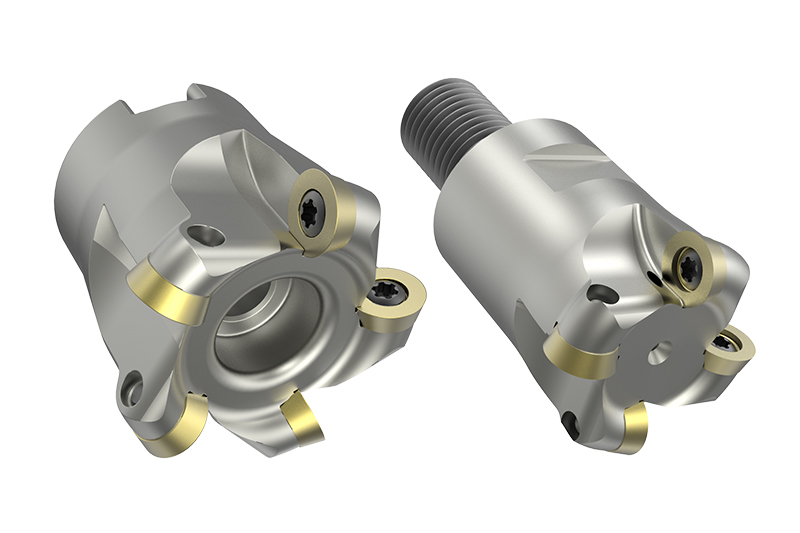
粗加工剩余材料
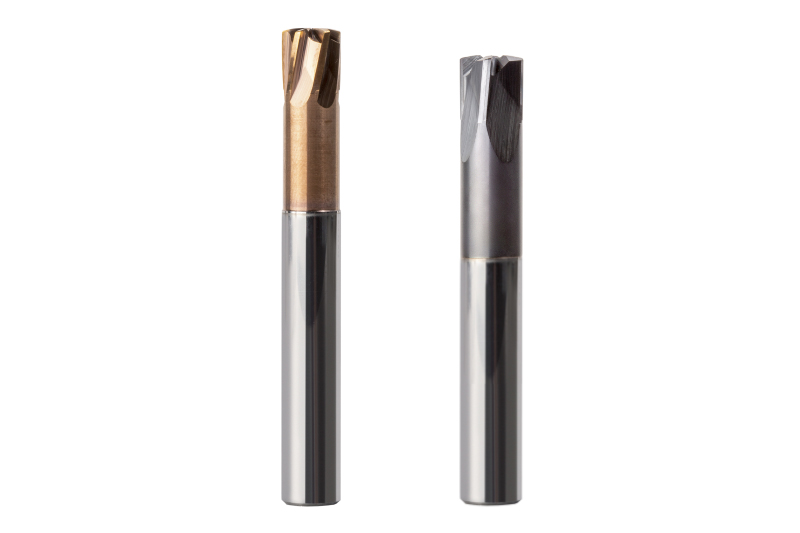
粗加工后,在第二个加工步骤中,用户对剩余材料进行加工,特别是在圆角和型腔中,使其加工余量尽可能恒定。通常使用具有圆角的刀具或高进给铣刀。如有必要,球形铣刀也可以去除角落中的残留材料。
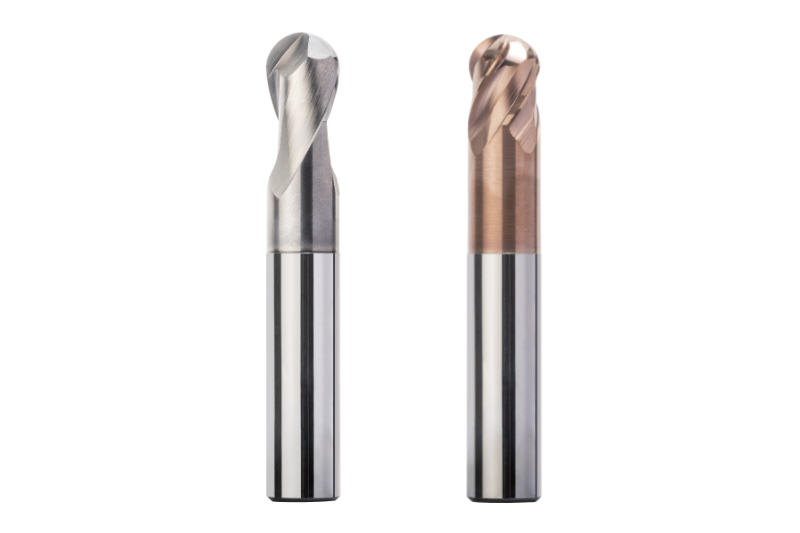
半精加工
对尺寸精度和表面质量要求较高时,建议在精加工前进行半精加工。通过半精加工,加工接近最终的形状轮廓。目的是获得尽可能恒定的残余材料,以实现对表面质量要求高的快速精加工。粗加工后的加工余量对于淬硬材料约为 0.5-1 mm,对于软质材料约为 0.03-0.5 mm。在半精加工后,淬硬材料的恒定加工余量为 0.05-0.1 mm,软质材料为 0.1-0.3 mm。
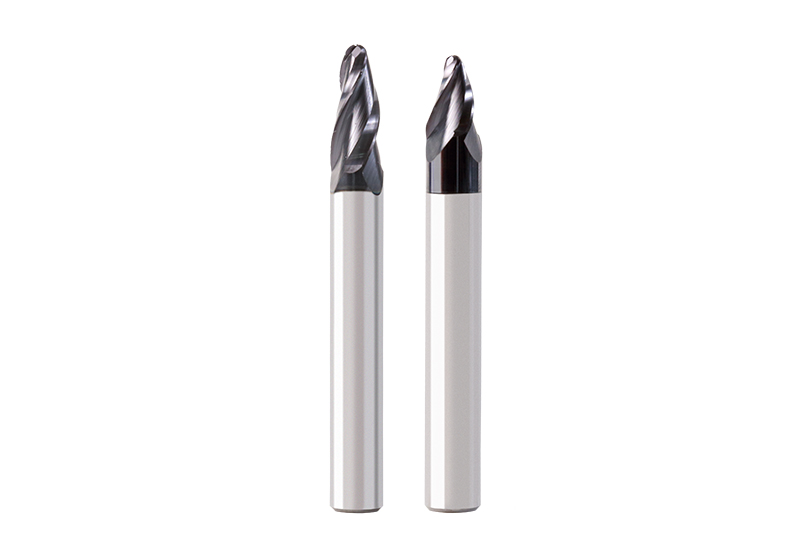
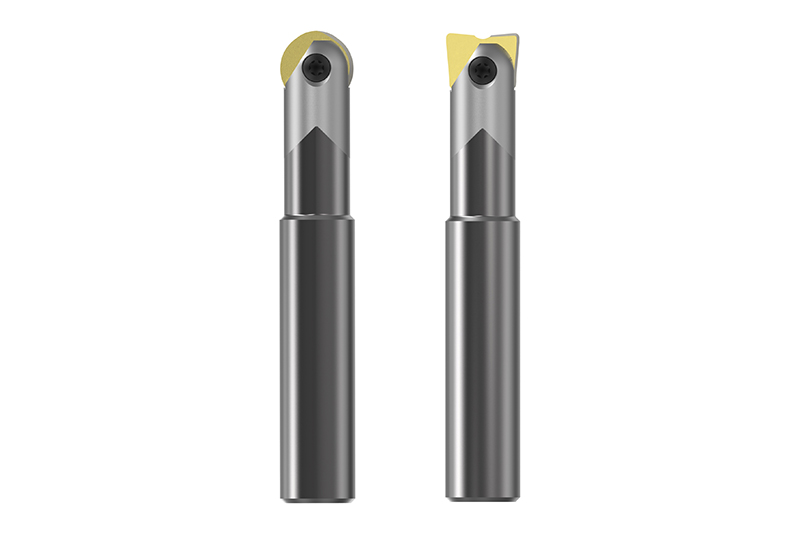
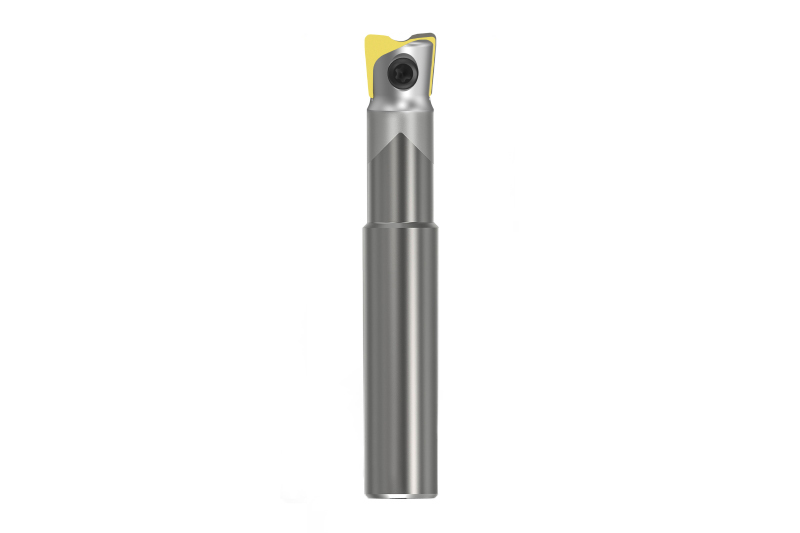
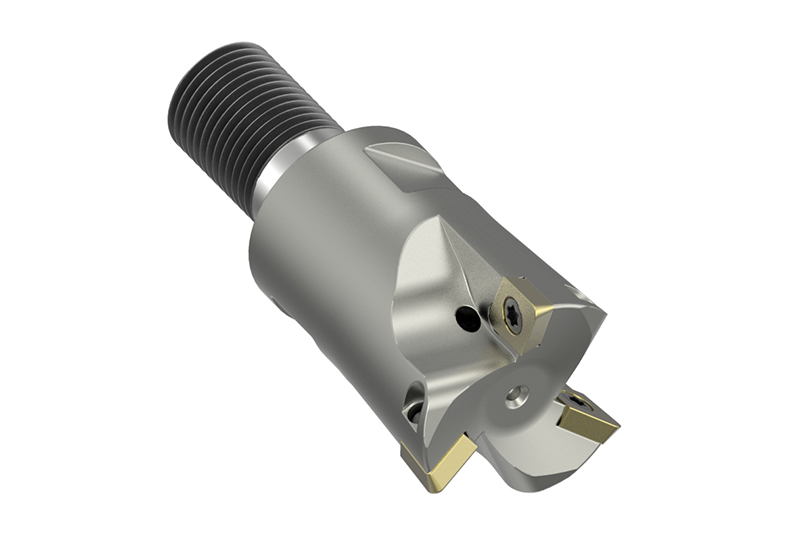
Finishing
The finishing process removes the remaining material in order to achieve the final shape. After pre-finishing, stock removal is 0.05-0.1 mm for hardened materials or 0.1-0.3 mm for soft materials. Ball and/or corner radius milling cutters are the tools of choice, regardless of the final contours of the workpiece.
Residual material finishing
The increasingly complex properties of the shapes to be produced require milling of the residual material after finishing, mainly in the corners. Solid carbide ball cutters are usually used for this.