Machining 2D surfaces
On the one hand, this category includes machining processes carried out directly on the machine, such as face milling, milling of pockets and straight walls. On the other hand, it also includes operations for complex geometries that are programmed using CAM software.
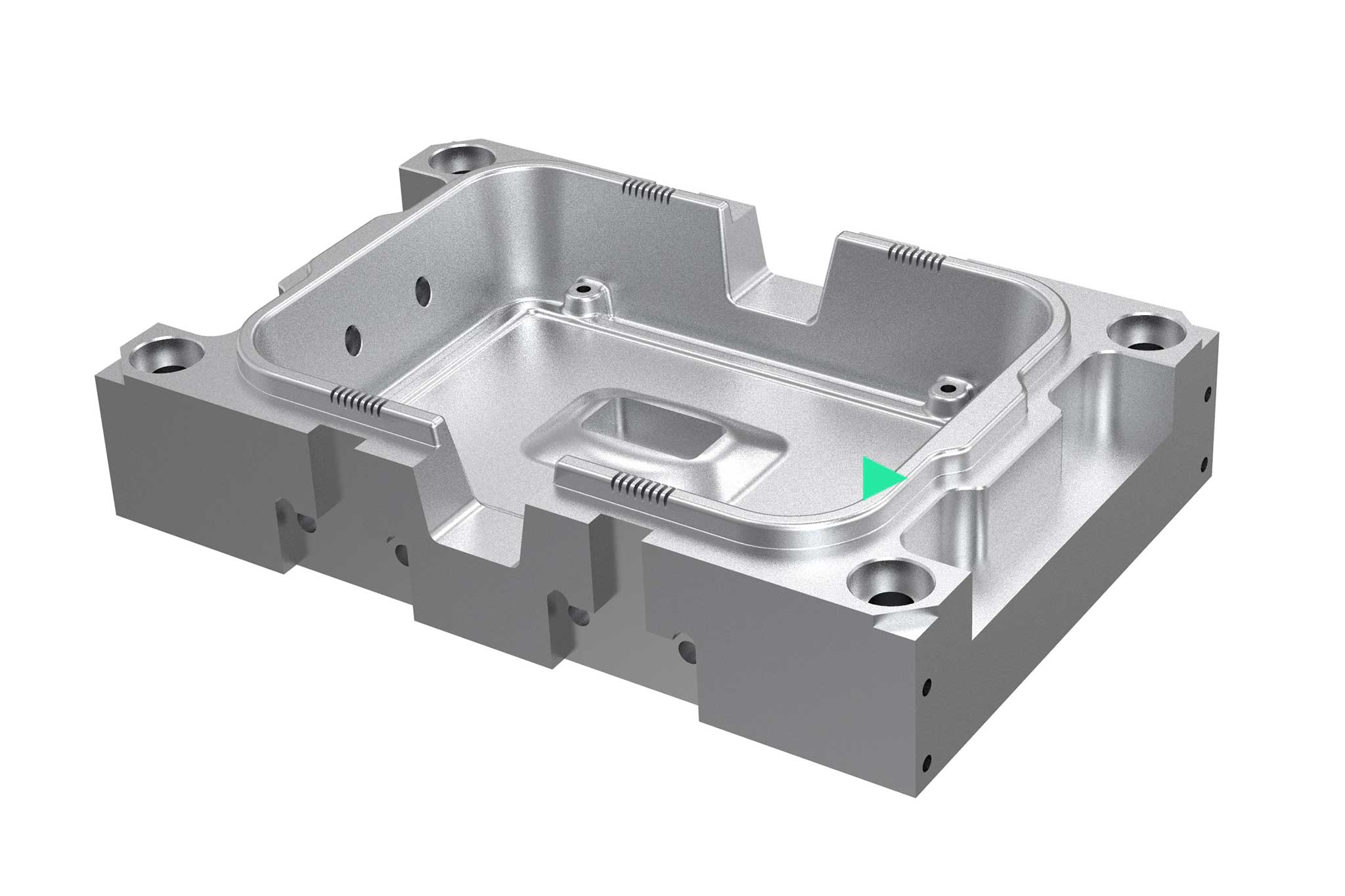
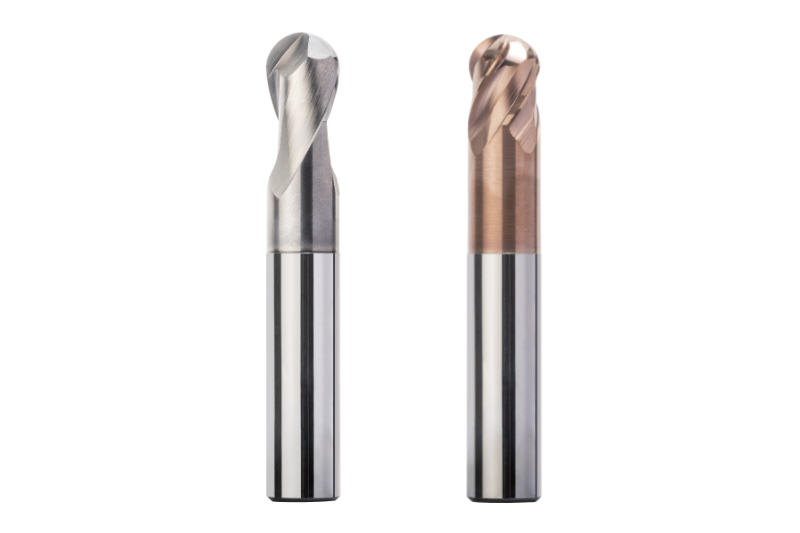
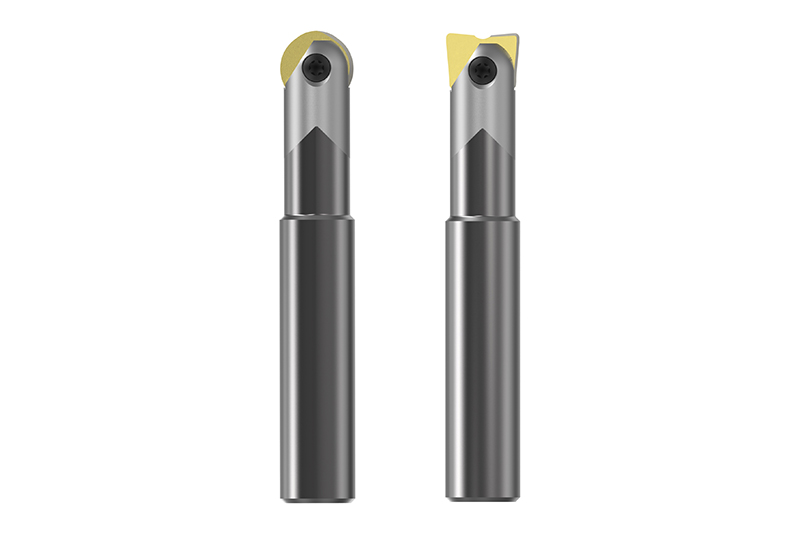
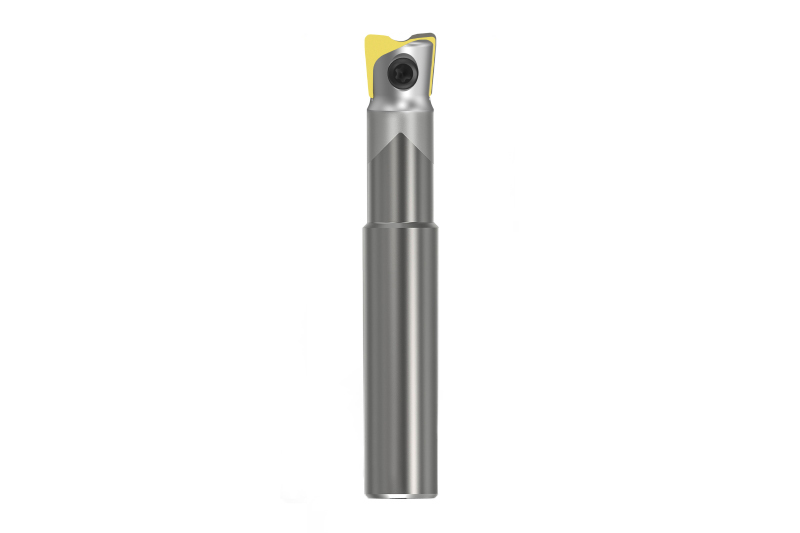
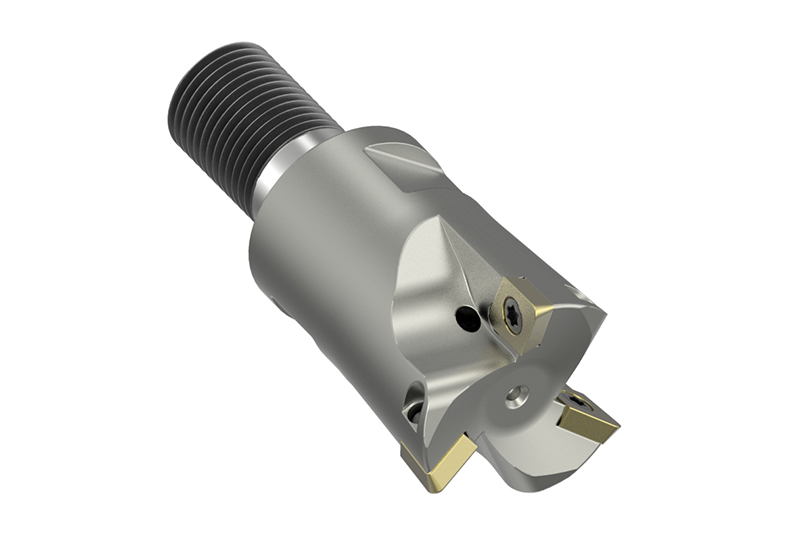
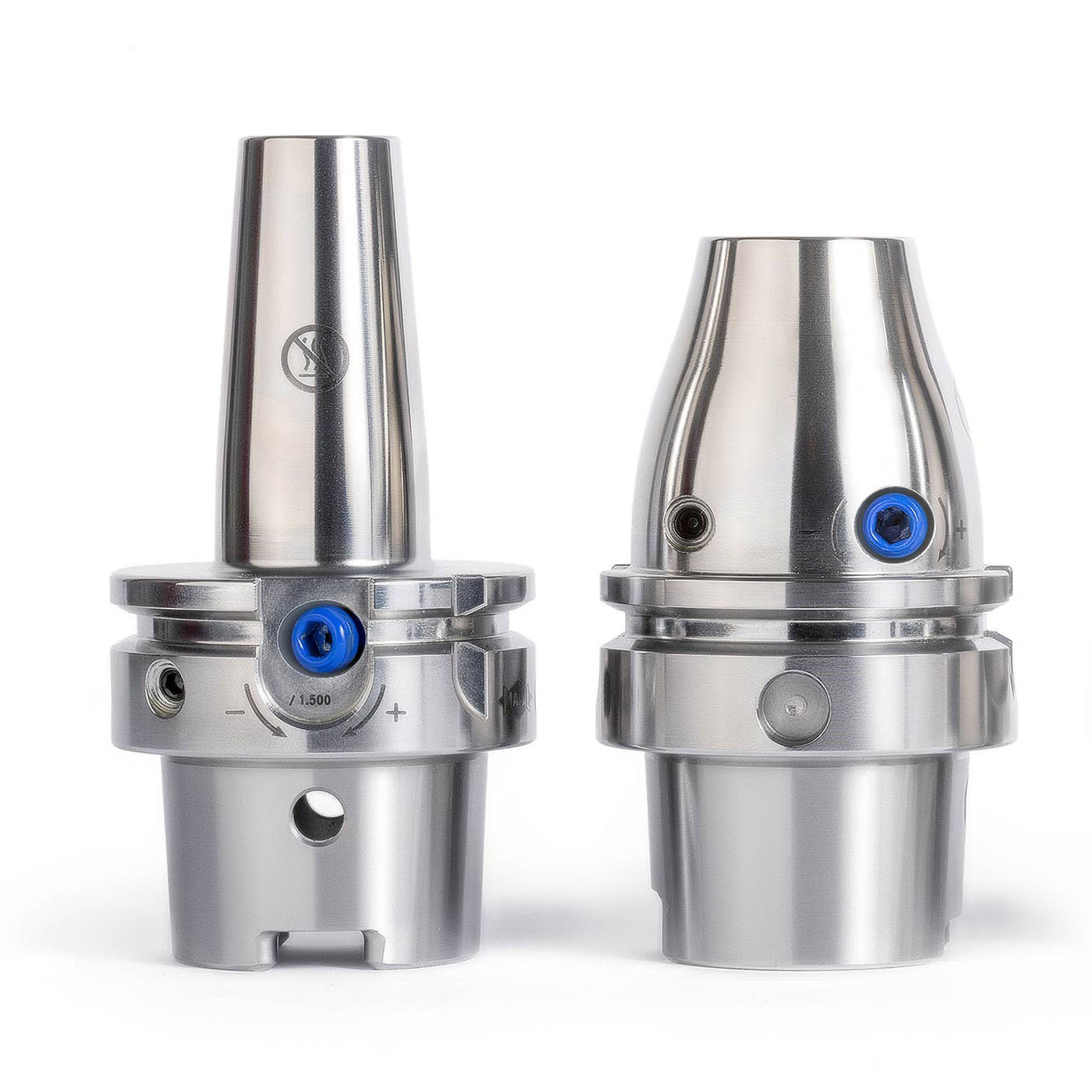
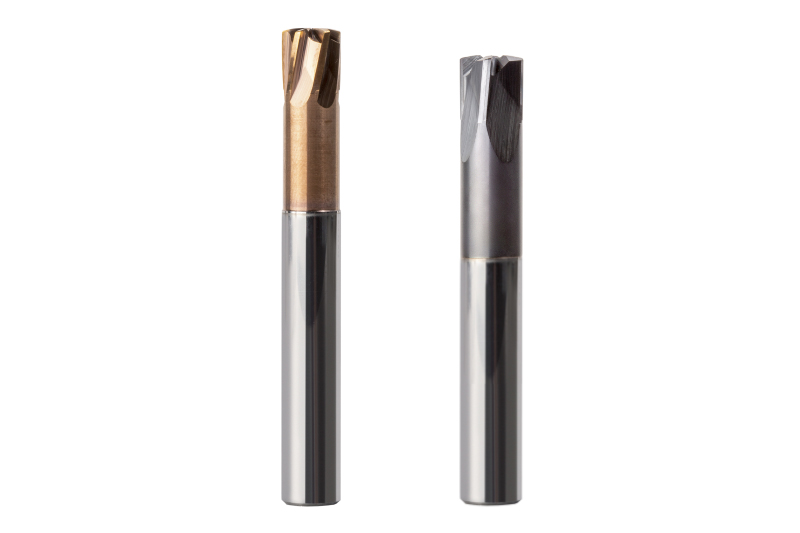
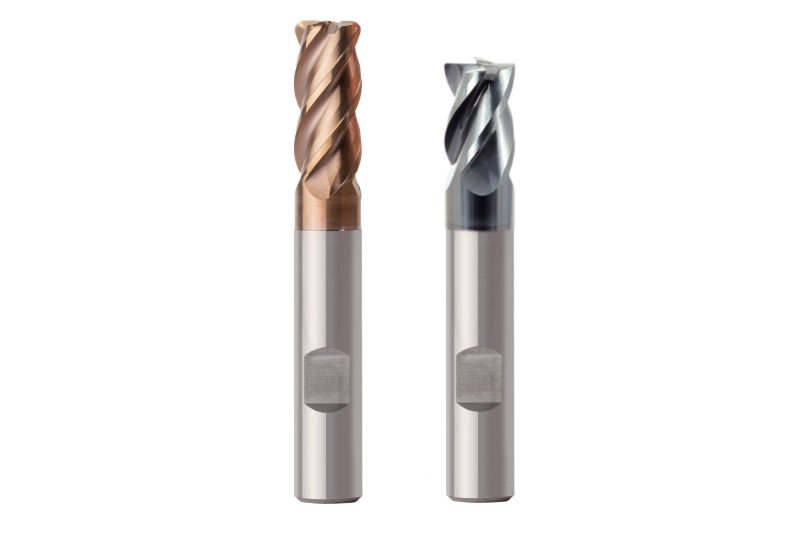
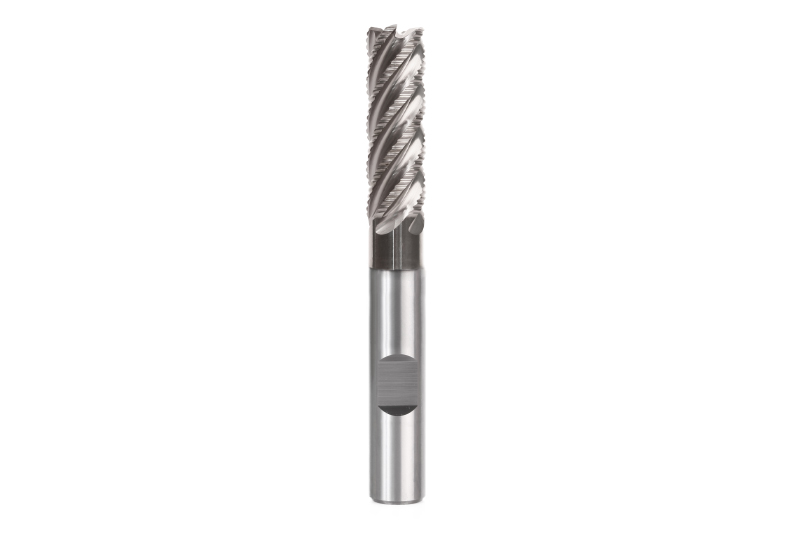
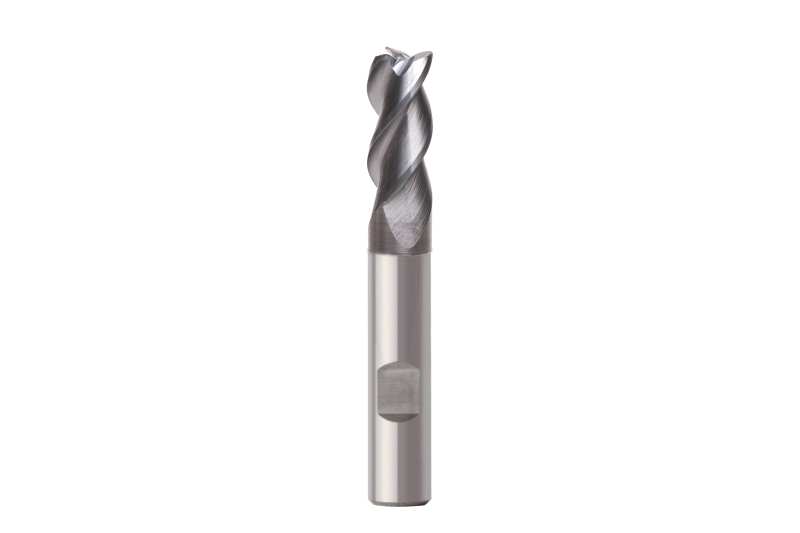
Tool overview for the following machining steps:
Usinagem de desbaste de componentes
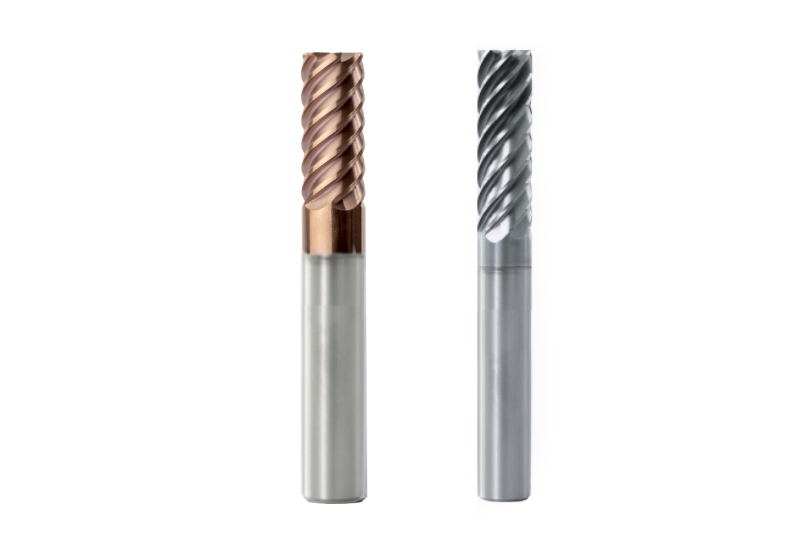
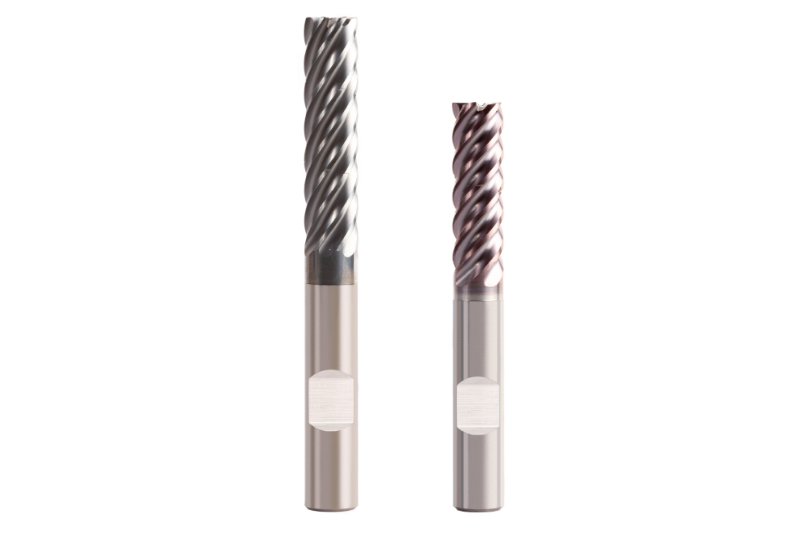
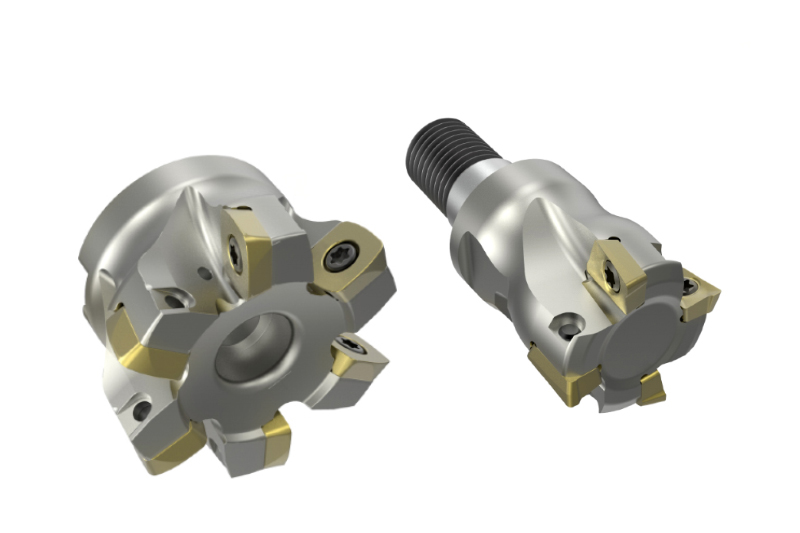
A operação de desbaste é responsável pela maior parte do volume de usinagem. Estratégias especiais de fresagem, tais como processamento de alto avanço ou fresagem trocoidal, podem reduzir o tempo de usinagem e, assim, aumentar a eficiência econômica. Além das ferramentas com pastilhas amovíveis e fresas de metal duro integral, são utilizadas fresas de alto desempenho com geometria de desbaste especial.
Residual material roughing
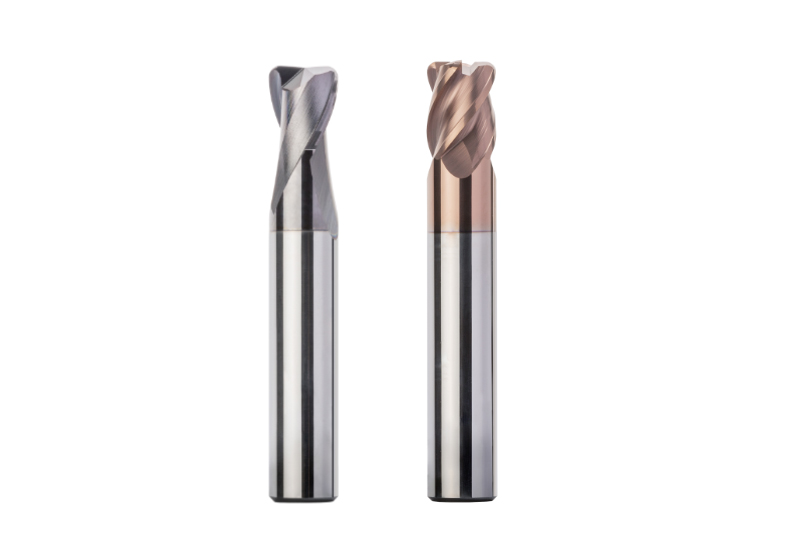
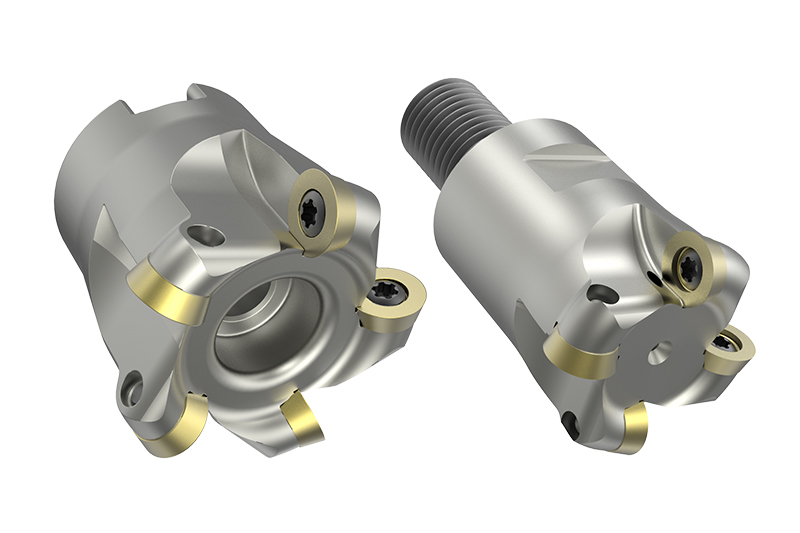
After roughing, in a second machining step, users machine the residual material, especially in corners and cavities, removing material as constantly as possible. Usually tools with corner radius or high-feed milling cutters are used. In some cases a ball cutter can be used to remove the residual material in corners.
Pre-finishing
If there are high demands on dimensional accuracy and surface finish, semi-finishing is recommended before finishing. With pre-finishing, machining approaches the final mould profile. The aim is to obtain a residual material that is as constant as possible in order to enable fast finishing with high demands on the surface quality. The stock removal after roughing is approx. 0.5-1 mm for hardened materials and 0.03-0.5 mm for soft materials. After pre-finishing, the constant stock removal is 0.05-0.1 mm for hardened materials or 0.1-0.3 mm for soft materials.