11.05.2023
A strategy for battery frames
The complete machining of parts has to be well thought out, every step coordinated with the next. This is the only way to attain reliable and cost-effective manufacturing with perfect results. To provide customers with such sophisticated strategies, MAPAL has defined focus components on electric cars and worked out the optimal machining strategy for them. The battery frame is one of these components.
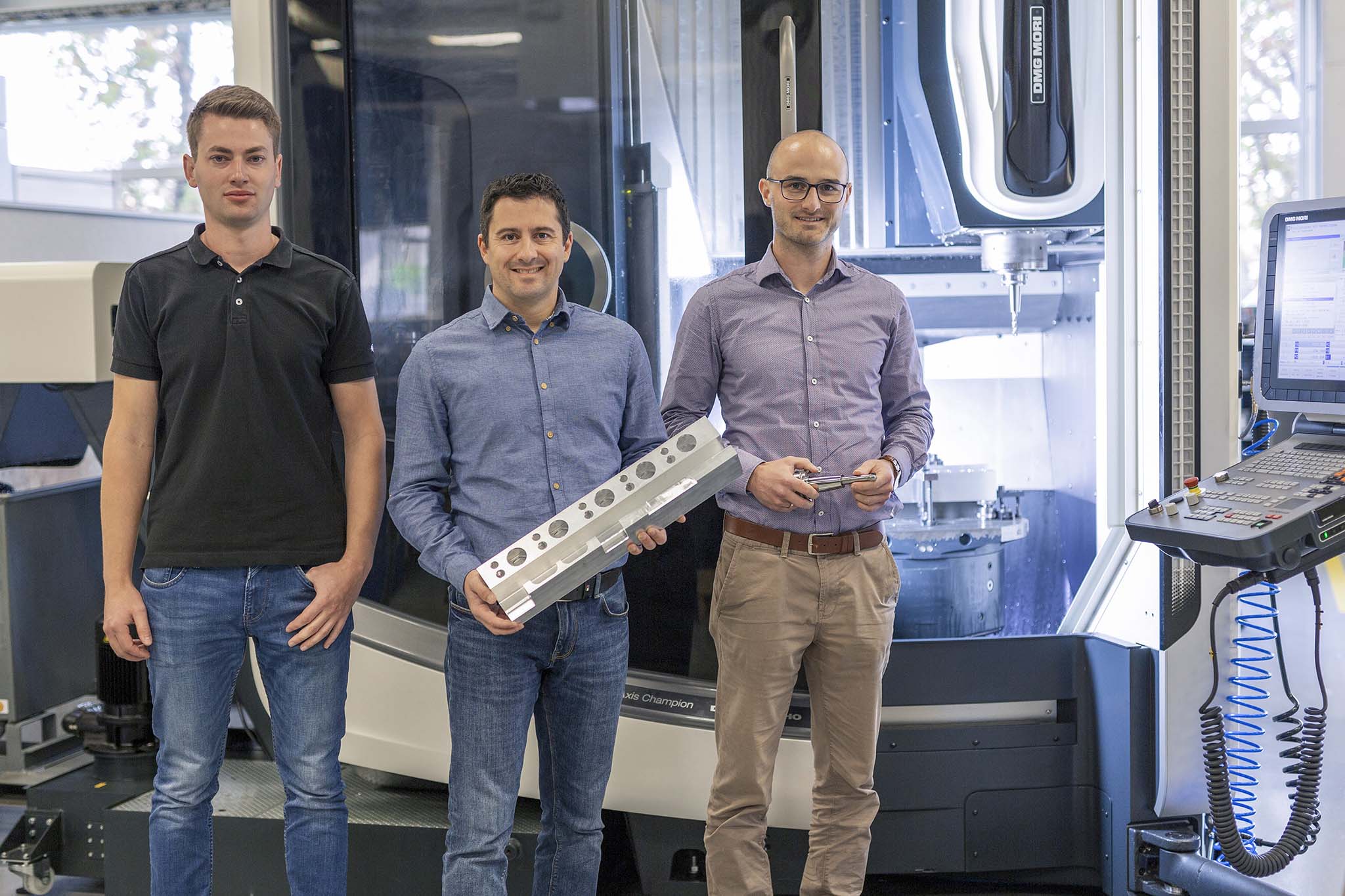
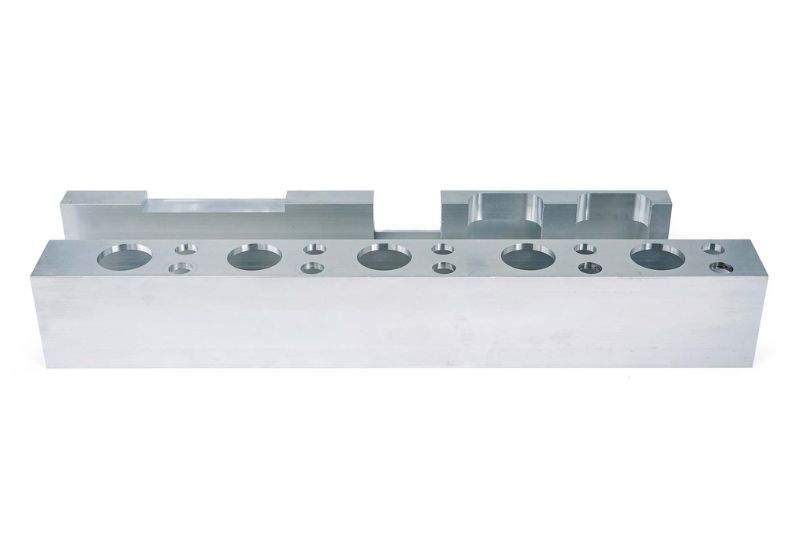
The battery frame is a crucial part in every electric car. It usually consists of various frame elements that are welded together after pre-machining and act as the battery’s enclosure. Based on various customer parts, MAPAL’s electric mobility experts have put together a generic component that encompasses the main machining operations of a battery frame. “With this part, we highlight the special challenges involved in machining”, says Michael Kucher, Component Manager E-Mobility at MAPAL.
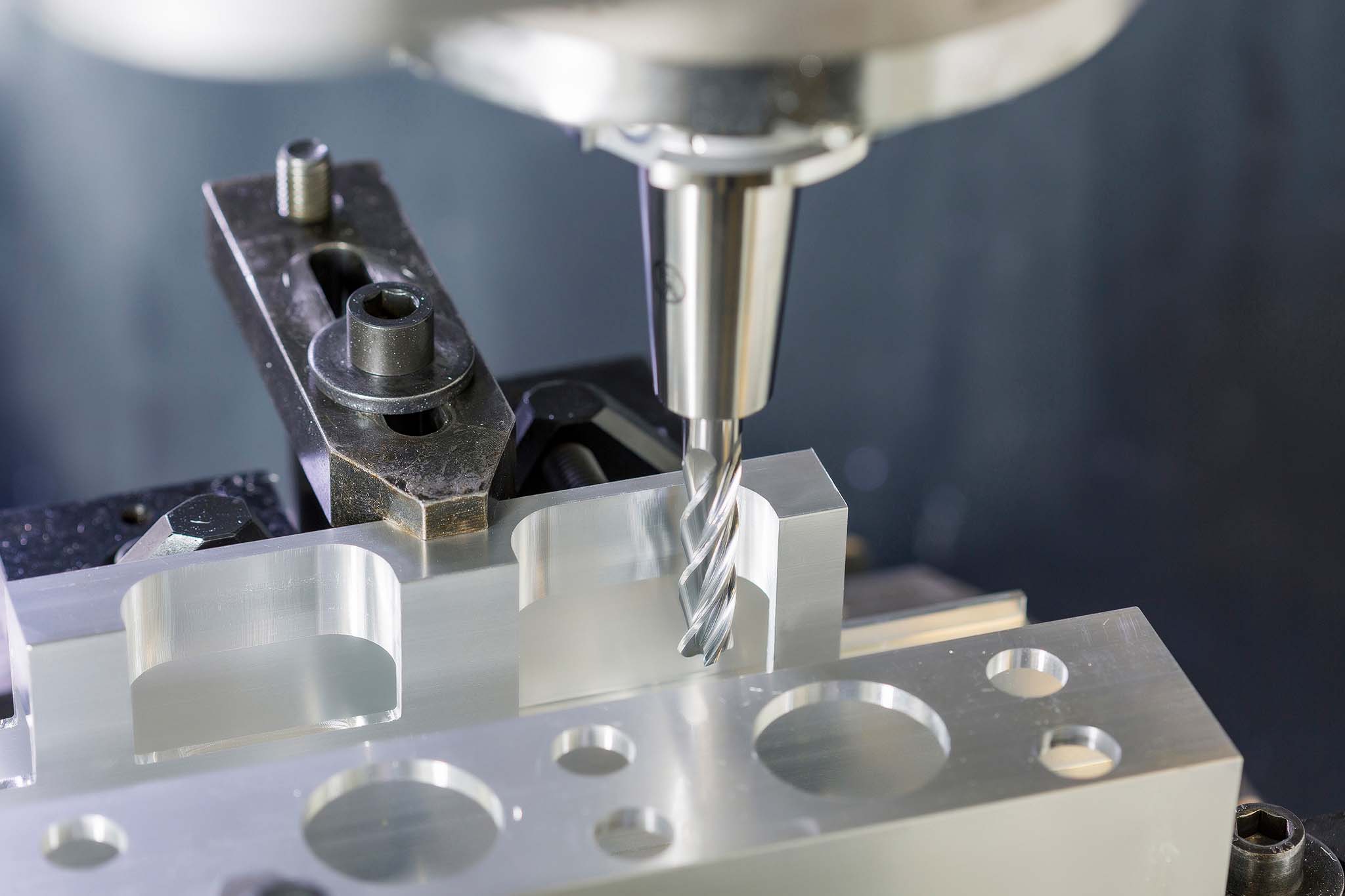
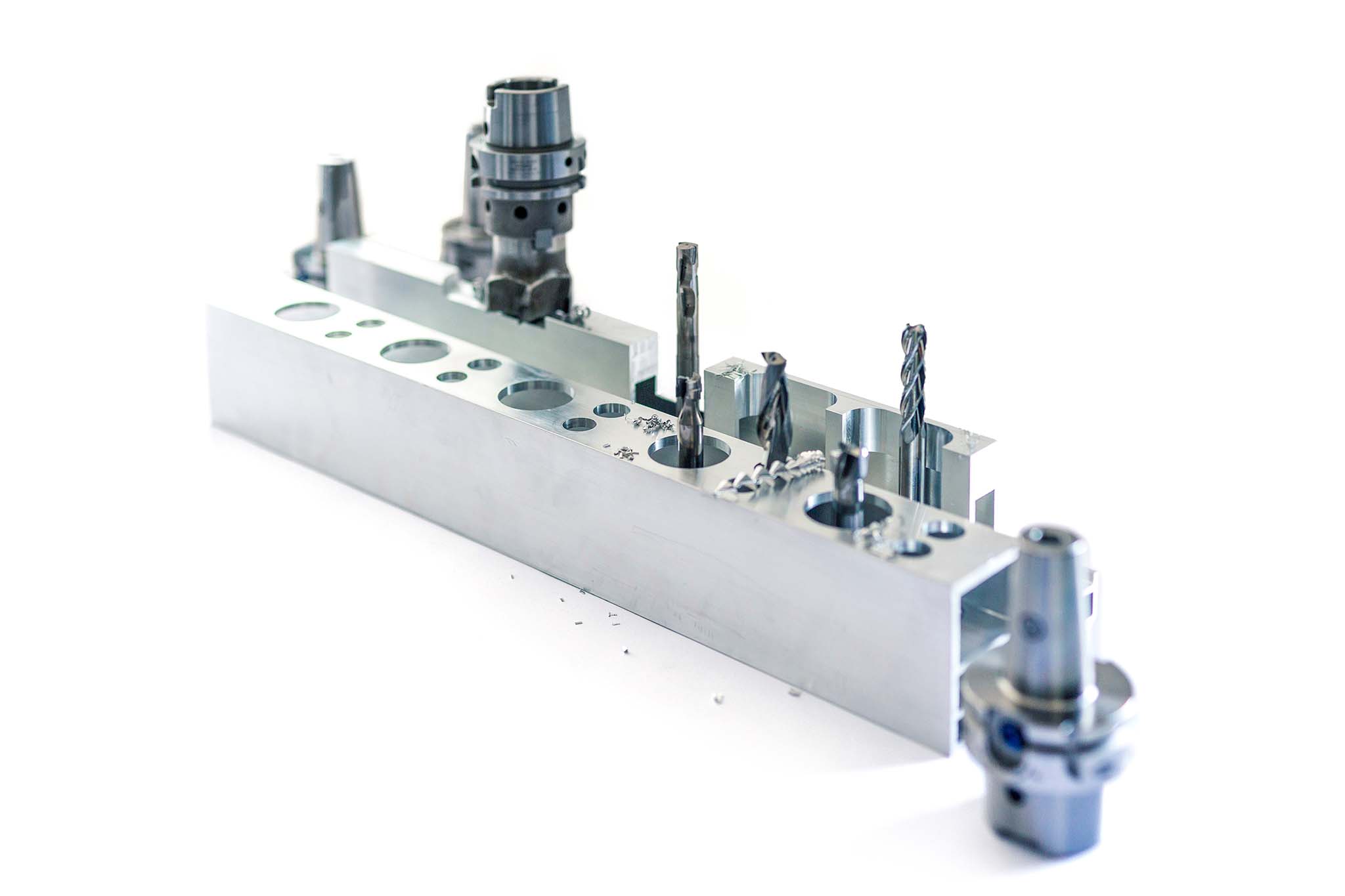
The challenges faced while machining the part include stepped bores, bores with different diameters through multiple layers, milled pockets with varying dimensions, shoulders, and high demands on the resulting surface.
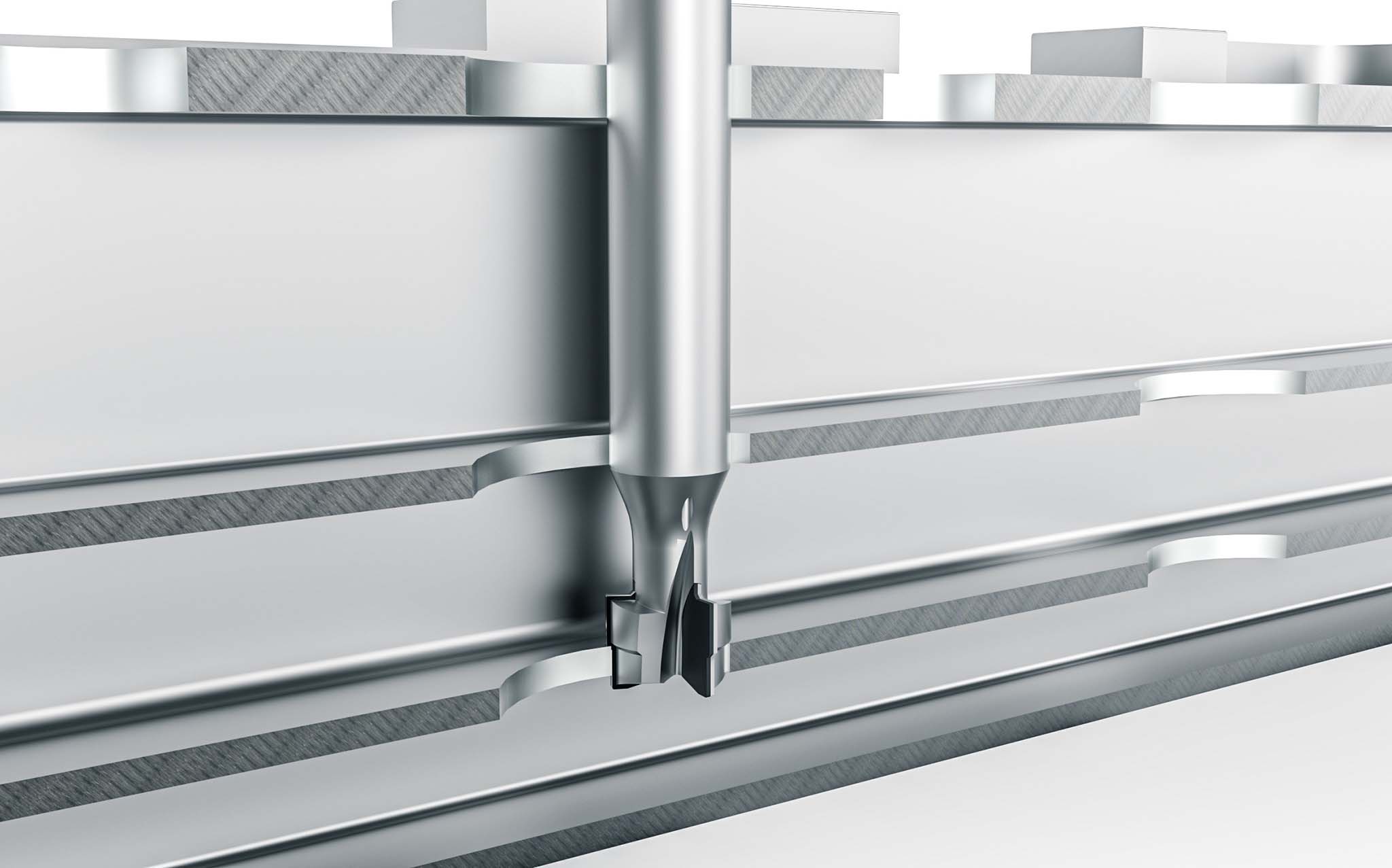
Dieser Vorteil kommt vor allem zum Tragen, wenn die Bohrung in einem der unteren Layer einen größeren Durchmesser hat, als der Bohrungseingang im oberen Layer. „Mit einer rückwärtigen Schneide am Fräser ist das gut zu realisieren“, sagt Kucher. Die Alternative wäre ein Umspannen des Werkstücks, um die Bohrung von unten mit einem Bohrer bearbeiten zu können. Mit dem speziell ausgelegten PKD-Fräser von MAPAL wird die Bohrung mit einer Drehzahl von 16.000 min-1, einer Schnittgeschwindigkeit von 650 m/min und einem Vorschub von 0,063 mm bearbeitet.
Optimal surfaces with the OptiMill-SPM-Finish
MAPAL recommends the OptiMill-SPM-Finish for roughing shoulders, pockets and slots as well as finishing pockets. “It achieves an optimal surface finish and works stably even in corners with large wrapping and high loads”, Kucher says of the tool. Because the chip spaces are polished, chip removal functions perfectly. The special feature of this tool is that the user can finish large depths in a single pass. This saves time, making it particularly cost-effective. When finishing the battery frame, a surface finish of up to Rz = 1 µm is achieved. During roughing, it operates at a spindle speed of 10,981 rpm, a cutting speed of 414 m/min and feed rates between 0.12 and 0.22 mm. The same spindle and cutting speeds are achieved during finishing with a feed of 0.075 mm.
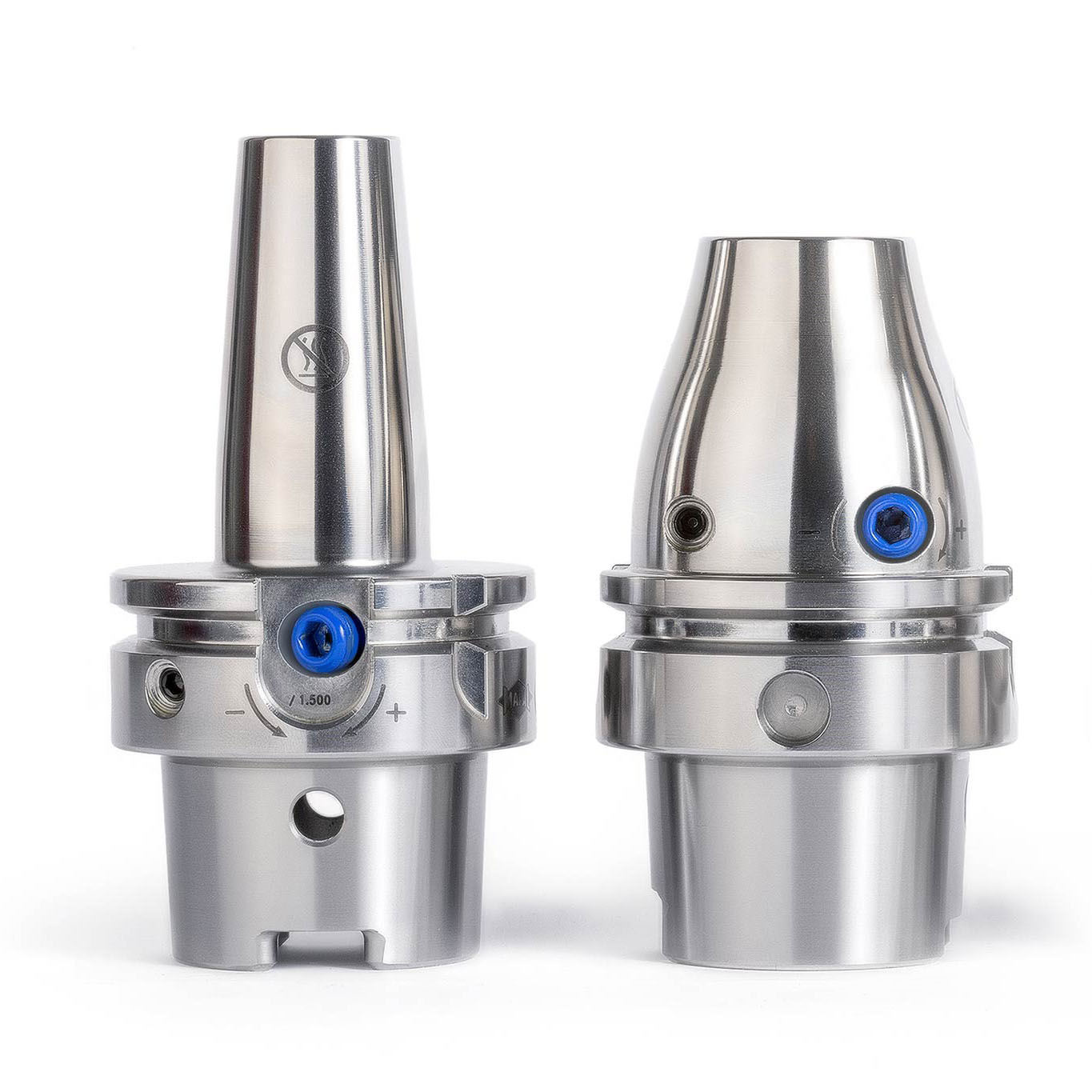
In total, seven tools are used during the generic process, including six milling cutters: besides the OptiMill-SPM-Finish, amongst others the recently introduced FaceMill-Diamond-ES. In order to attain a perfectly harmonised system, all of the tools with cylindrical shanks are clamped in the new UNIQ chucks in the generic process.
“We can now offer our clients an all-round package to meet the challenges of machining battery frames, which includes PCD and solid carbide tools, chucks, and the corresponding process. For this we adapt the generic process for our customers based on their concrete situation”, Kucher explains.

Kontakt
Kathrin Rehor Public Relations Kathrin.Rehor@mapal.com Tel.: +49 7361 585 3342