01.05.2019
Mikuni India Increases Productivity Thanks to PCD Tools from MAPAL
Combination tools significantly reduce the machining time for a carburetor housing
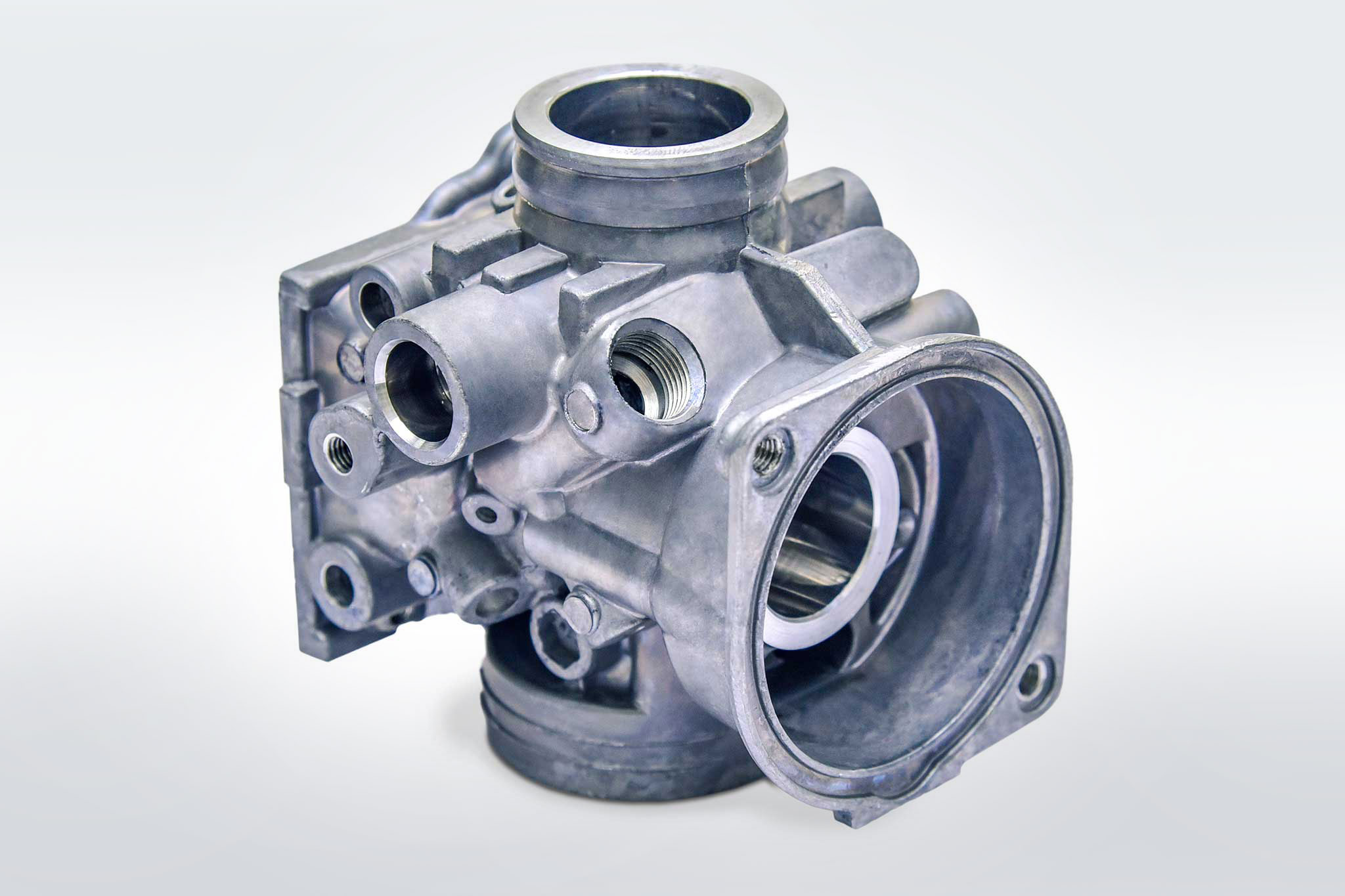
When it comes to increasing the level of productivity of existing production processes, Mikuni India Private Limited relies on its preferred tool supplier, MAPAL. This trust has paid off. MAPAL designed a new combination tool for machining carburetor housings. And this tool is a success: With the production time reduced considerably, Mikuni needs one machining centre less for the process.
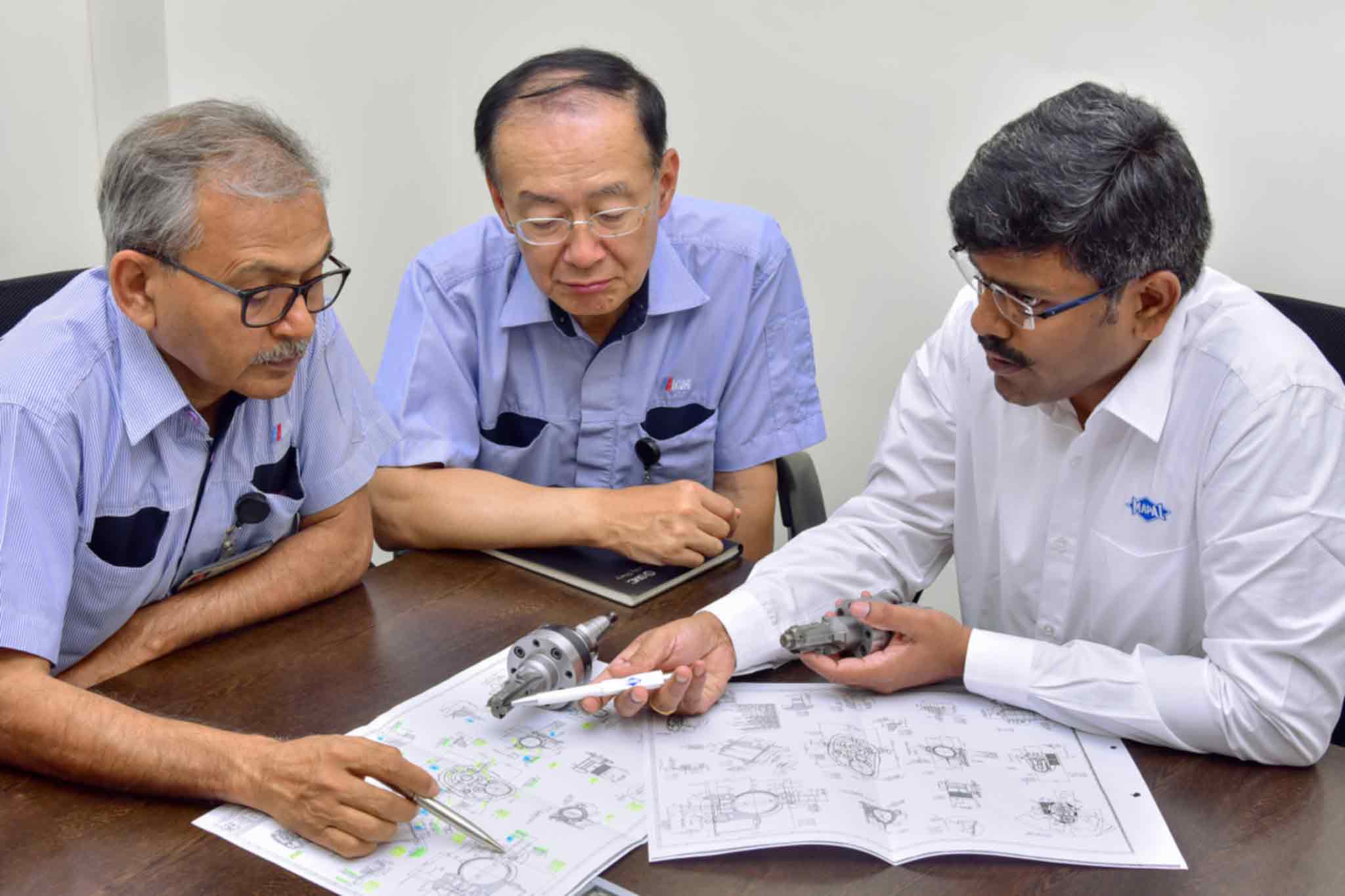

Mikuni Corporation was founded in Tokyo in 1923. Today, the Japanese company has a worldwide presence, with branches in the USA, Mexico, Germany, Indonesia, China, Thailand, Taiwan and Korea. In 2008, the company established its Indian subsidiary, Mikuni India Private Limited, in the Indian city of Neemrana, located 122 kilometres south-west of Delhi.
Today, Mikuni India offers its customers a broad range of components for the automotive industry, including carburetors and throttle valves. Mikuni India consequently received the “Best Supplier” award from the automotive industry for its outstanding quality products and terms of delivery.
Challenge: increase the production volume of carburetors
In 2017, Mikuni India faced the challenge of increasing the production volume of carburetors. “Mikuni approached us with the request to considerably accelerate the machining process for large-scale production,” Thanigaraj Sripathy, Managing Director of MAPAL India, remembers.
When carburetor housings are manufactured from an aluminium alloy, the challenging machining of the piston bore and throttle bore are the most time-consuming operations and contribute substantially to the overall cycle time. This was reason enough for the tool specialists at MAPAL to scrutinise these two bores and their machining processes. In the machining process used previously, individual tools with ISO indexable inserts were used for finishing.

PCD combination tool for the throttle and piston bores
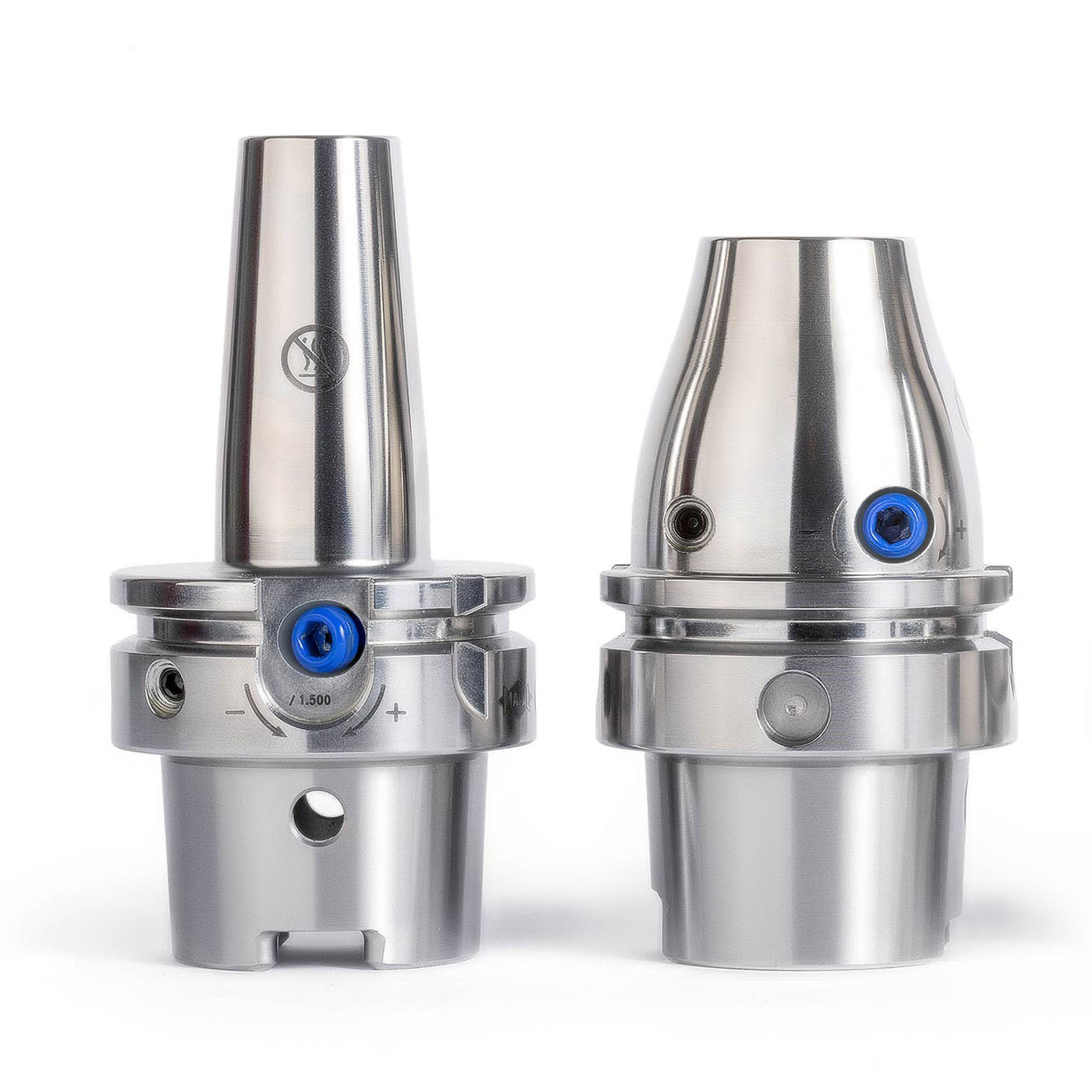
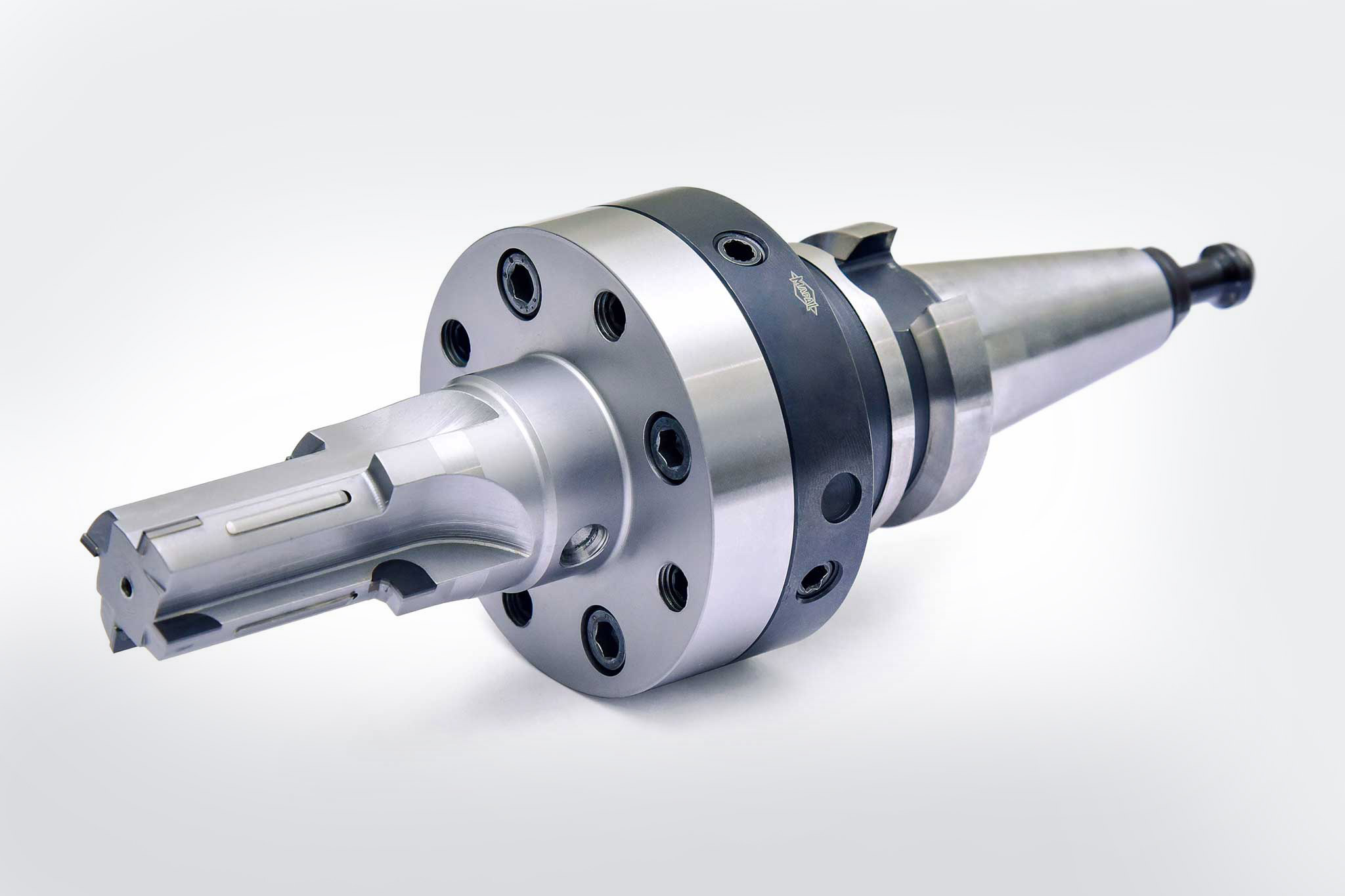
The MAPAL team determined that there was great room for improvement here. “We developed a PCD tool that fine machines both the piston and the throttle bores in a single shot,” explains Sripathy. As PCD tools are produced at the MAPAL subsidiary in India, the new tools could be delivered after a short lead time and used immediately.
MAPAL designed a two-stage PCD combination tool for fine machining the piston bore. Four brazed PCD cutting edges are used for boring (21 mm diameter) and two are used for spot facing (30 mm diameter). The machining is performed with a cutting speed of 250 m/min and a feed rate of 600 mm/min.
A three-stage PCD combination tool with two boring steps (diameters of 24.016 mm and 24.664 mm) with two respectively four cutting edges as well as a stage for spot facing (34 mm diameter) uses the same cutting parameters to manufacture the throttle bore in one shot.

Immense Zeitersparnis im Gesamtprozess