A multi-stage fine boring tool for the highest precision
Shorter machining times and better surfaces
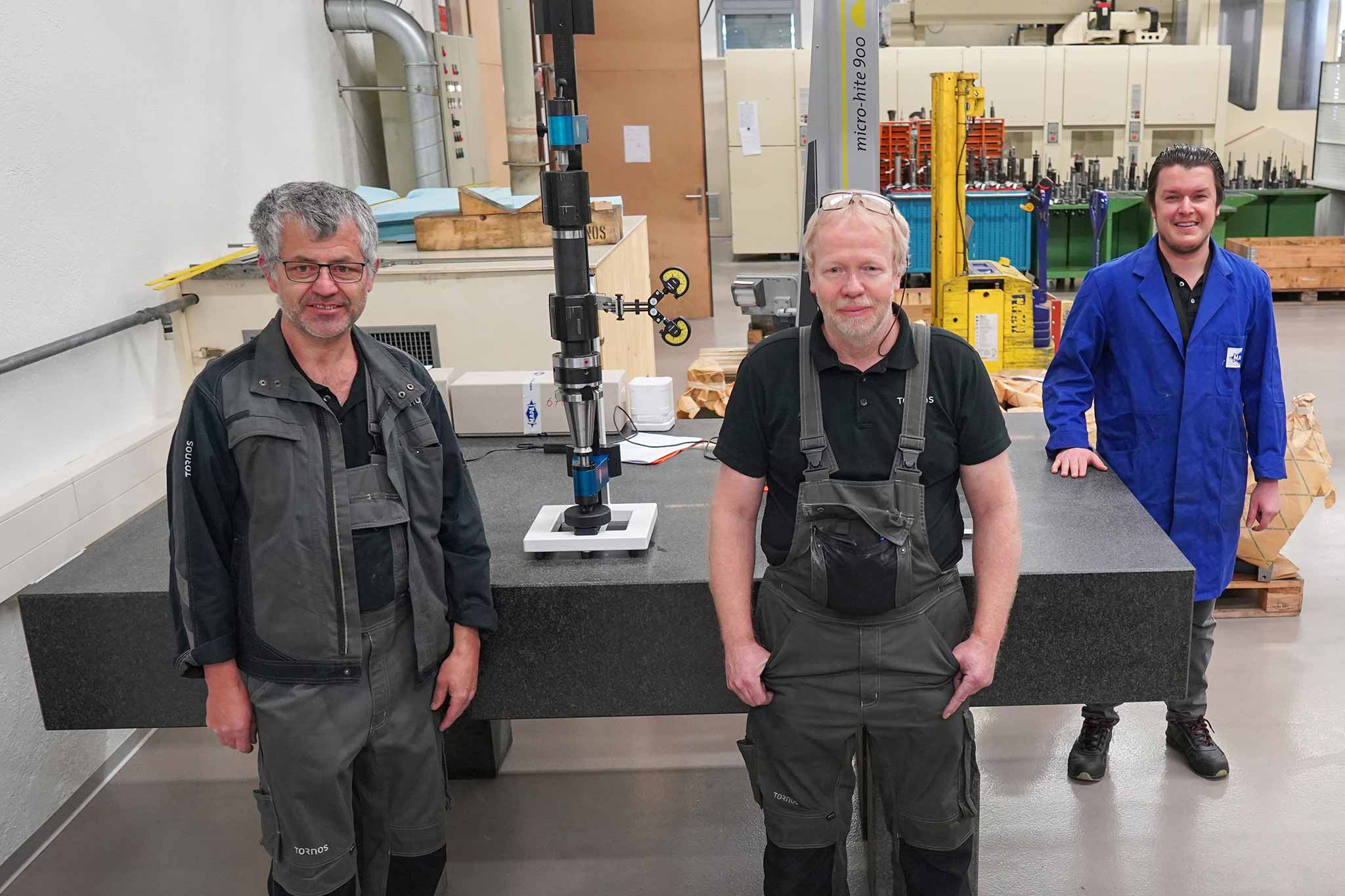
Tornos AG is a renowned Swiss manufacturer of machine tools that stand out for their quality and durability. In some bar turning shops today, Tornos machines are still in use that are actually older than many of the employees who operate them. This is proof of the company’s high standards of precision and quality in the manufacture of the essential key components of its machines. This is why these parts are always machined in-house. A special multi-stage fine boring tool developed by MAPAL has been proving its worth.
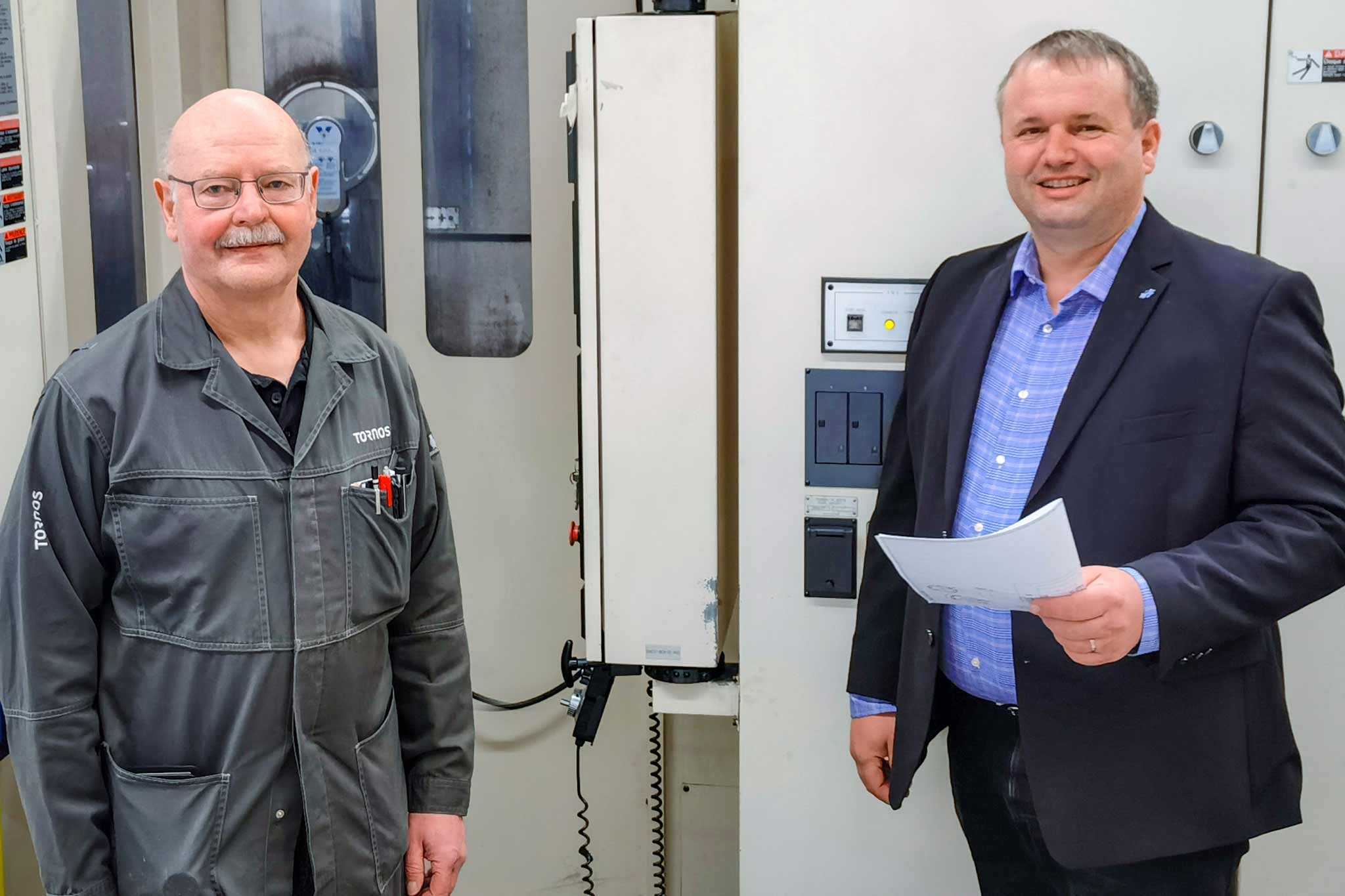
“For certain key components of our products, the precision requirements are so high that we generally only carry out their machining ourselves,” says Jean-Luc Maurer, Process Manager at Tornos SA in Moutier (Switzerland). The traditional company is a manufacturer of several technologies for the highly productive manufacturing of parts in large series. The machines must meet the highest expectations in terms of productivity, product quality and durability. The machining and control of the key components manufactured in the parent company are also carried out with the same level of care.
This also applies to a family of parts made of spheroidal graphite cast iron 40, into each of which a series of cylindrical bores must be made with extremely strict specifications regarding dimensional accuracy, concentricity and surface quality. The operations are carried out on a high-precision machining centre in compliance with exceptionally precise regulations, also with regard to the thermal conditions of the part, machine and measuring room. The correspondingly long machine occupancy times of ten hours or more resulted in high costs. For this reason, those responsible looked for ways to reduce the machining times by using a special tool.
“We’ve been working closely with Tornos for almost 20 years on a wide range of projects,” recalls Andreas Mollet, MAPAL Area Sales Manager in Switzerland. On the one hand, this relates to the development of machining solutions for Tornos customers who wish to acquire complete technology solutions, including tools and the machining process, to go with their machine tools. On the other hand, Tornos employees always come to MAPAL when certain demanding machining tasks cannot be solved with the usual standard tools, or come with disadvantages in terms of productivity or quality. During the course of this long-standing development partnership, a solid basis of trust has grown. This is how the request for a solution proposal landed on Andreas Mollet’s desk for the task described in this report.
Specifics details of the task
“The part to be machined has six bores, each with three merging cylindrical areas with diameters of 100, 99 and 98 mm,” explains Jean-Luc Maurer. The concentricity deviation of all three bores must not exceed 10 µm, despite the considerable overall length of just under 345 mm. For this purpose, there’s a groove in the first area where an H5 diameter must be ensured. This causes an interrupted cut with corresponding effects on the deflection and the vibrational response of the fine boring tool used.
In the subsequent bore with a diameter of 99 mm, a machining tolerance of 0.05 mm is required. Finally, the requirements become almost extreme in the last area, where a tolerance of -0 to +15 µm must be maintained with a target diameter of 98 mm and several interrupted cuts as a result of annular grooves. Another requirement is a surface roughness Ra of less than 1.2 µm.
Time losses and quality risks caused by individual tools
“Before, the final machining operations were carried out with three different turning tools,” Andreas Mollet shares his knowledge. This resulted in time losses not only due to the tool changes, but also due to the fact that the diameter and surface roughness in the bore had to be checked after each machining step. On top of this, minimal deviations in the positioning in the machine occurred during the changeover. Given the length of the tools and the extraordinarily tight tolerance specifications, this caused additional scrap risks. When considering the high value of the part, which has already been largely machined, this represents a high cost risk for Tornos AG.
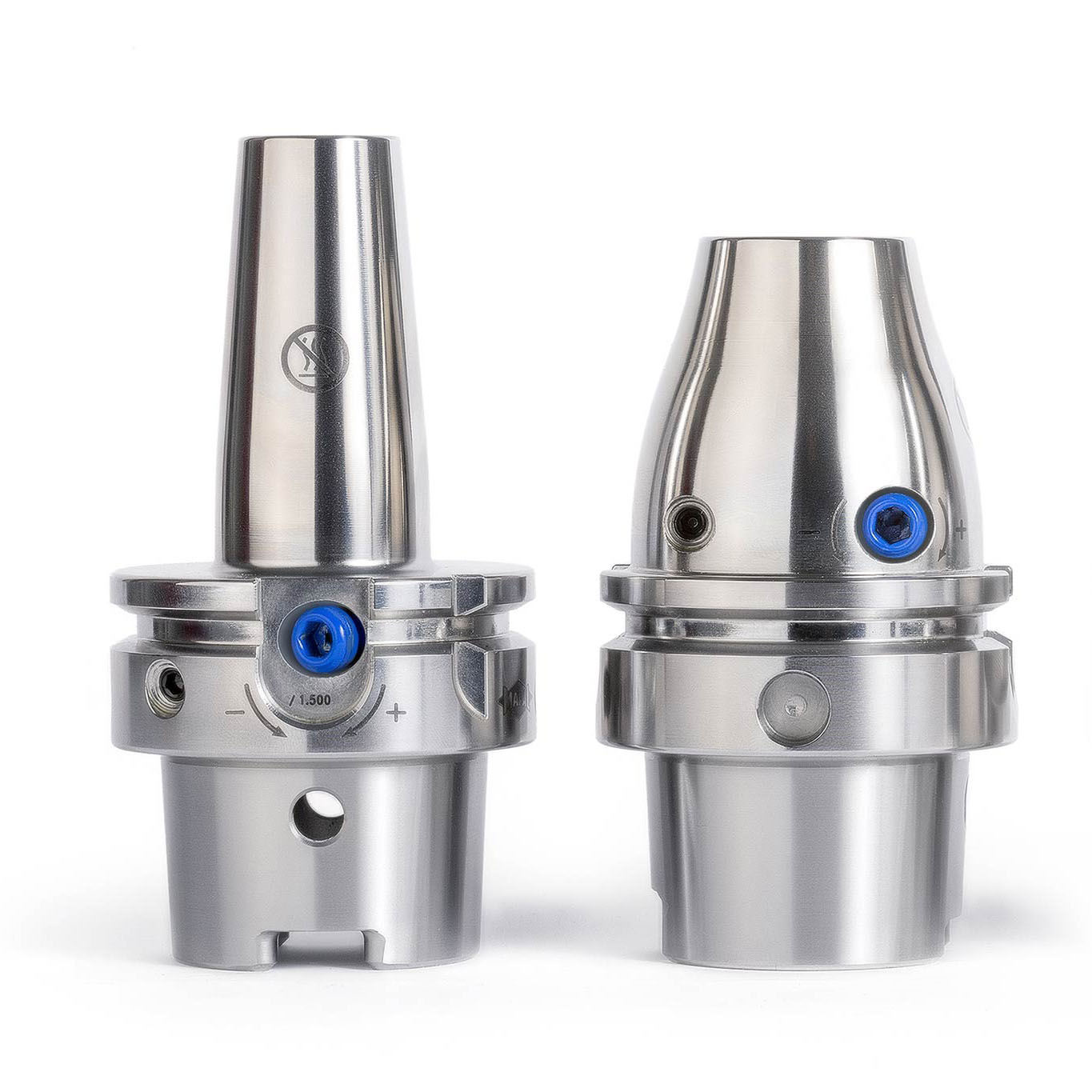
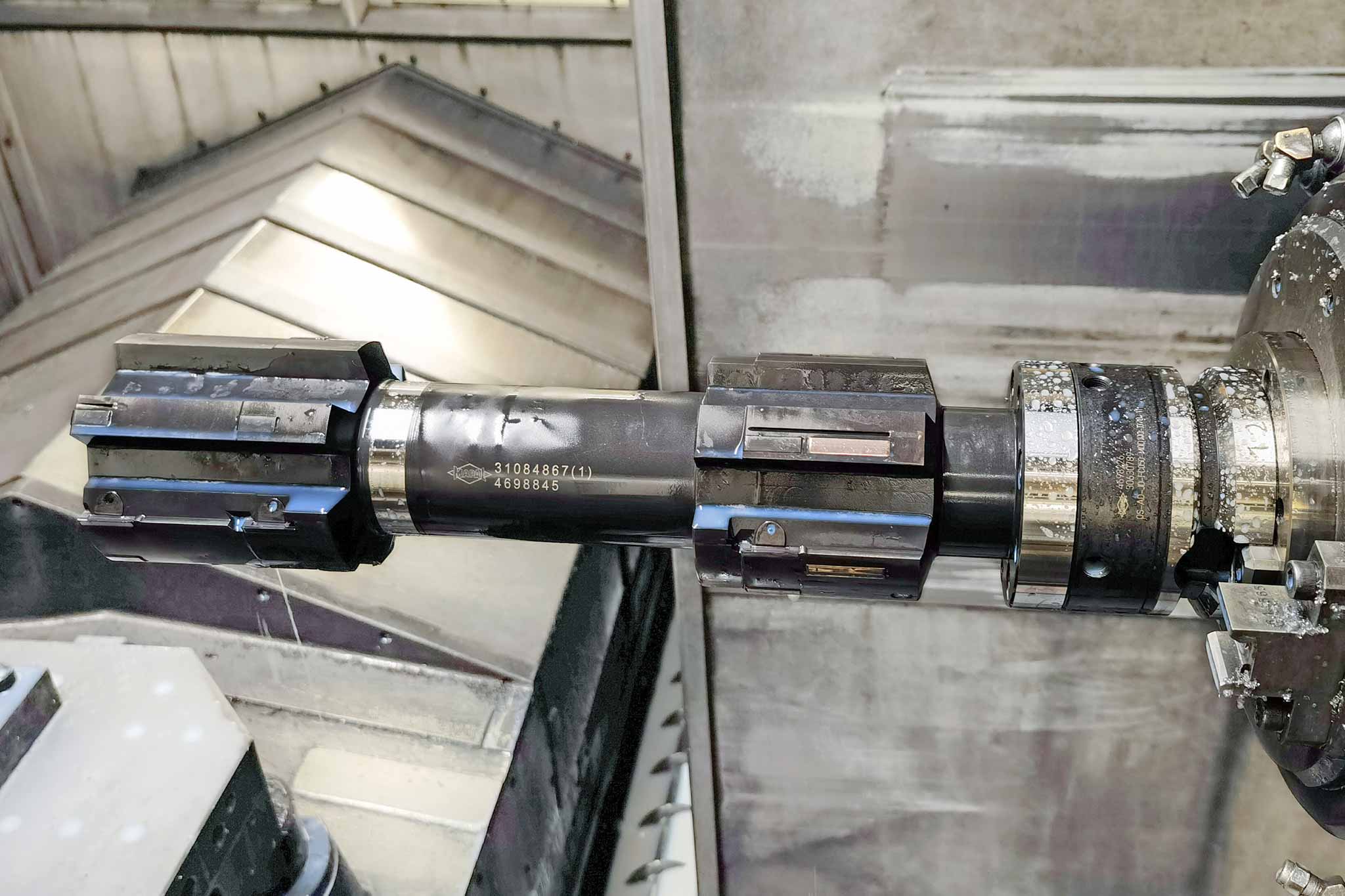
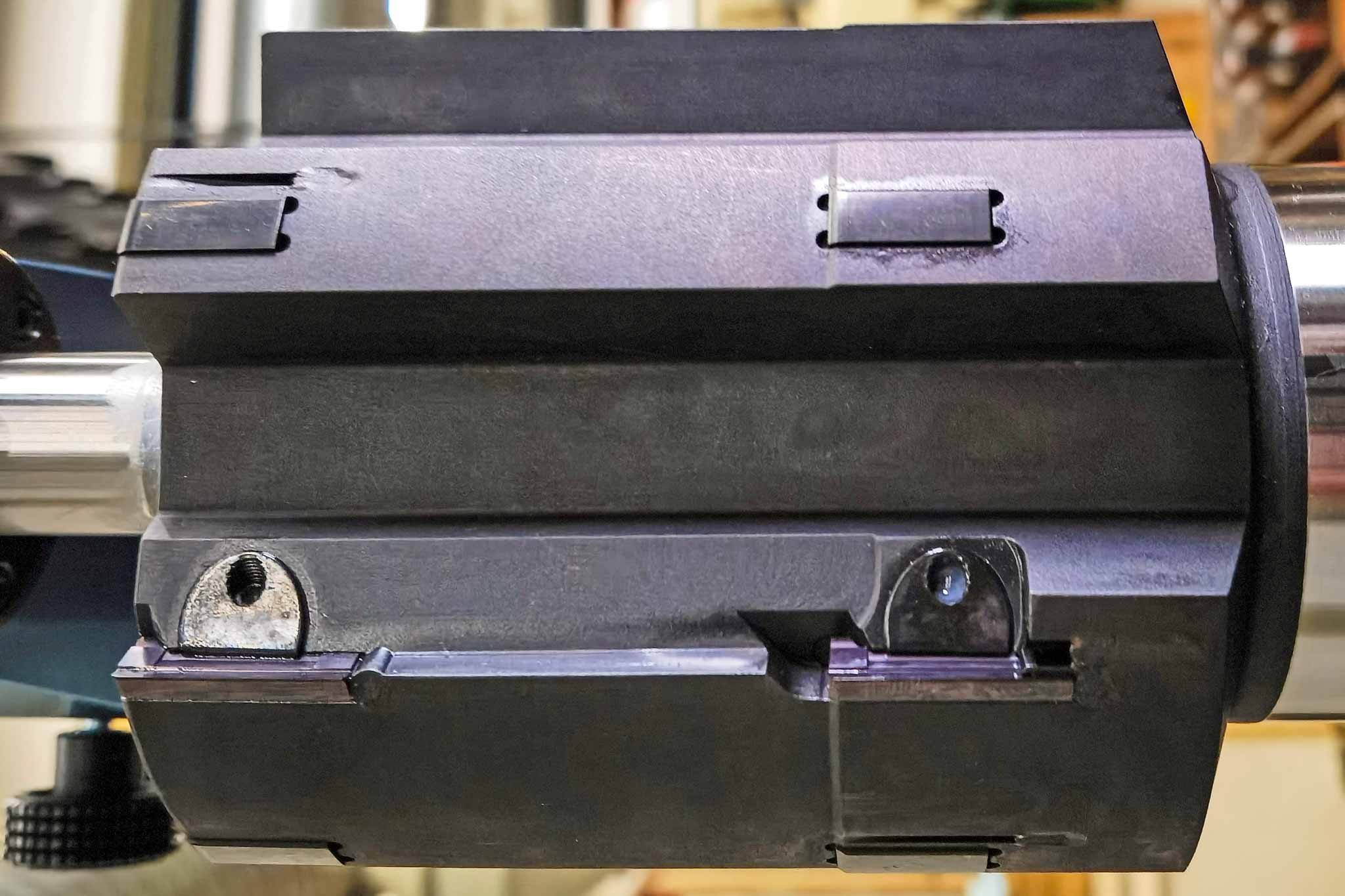
“This is why Tornos wanted us to develop a special tool with which all tasks could be completed in just one clamping setup,” reports Andreas Mollet. Initially, there were some concerns about the required length and the corresponding weight. It was also necessary to ensure that there were no positioning errors due to possible axial deviations of the roughing tools used previously. The developers at MAPAL therefore decided on a design as a fine boring multi-stage tool. It has a BT 50 FC interface for use on the machining centre. A total of five guide pads made of polycrystalline diamond (PCD) in each of the three stages ensure precise guidance even with interrupted cutting. The tool is designed according to the proven MAPAL principle and has a coated carbide indexable insert with two cutting edges for each of the three diameter ranges. It can be finely adjusted both radially and from the back taper. Any deviations from the previous machining will be corrected as long as they are smaller than the remaining allowance. This is made possible by a small protrusion of the cutting edges to the guide pads. This is how the MAPAL tool follows its own path over the entire length of the workpiece.
“The tool developed by MAPAL has now been in use for quite some time. We’re very satisfied with the results,” Jean-Luc Maurer sums up. Compared to the previous way of working, the MAPAL tool reduces the machining time for fine boring of the six passes by 20 to 25 percent, so that machining can be completed on the boring mill over a single shift. A surface roughness Ra of 1.0 to 1.2 µm is achieved.
The extra care that Tornos takes to ensure top quality is also a reason why working on the machine takes a long time: the diameter and surface roughness of each bore are checked manually on the machine. Finally, a skilled worker checks the entire part on a high-precision coordinate measuring machine with an accuracy of 3 µm.
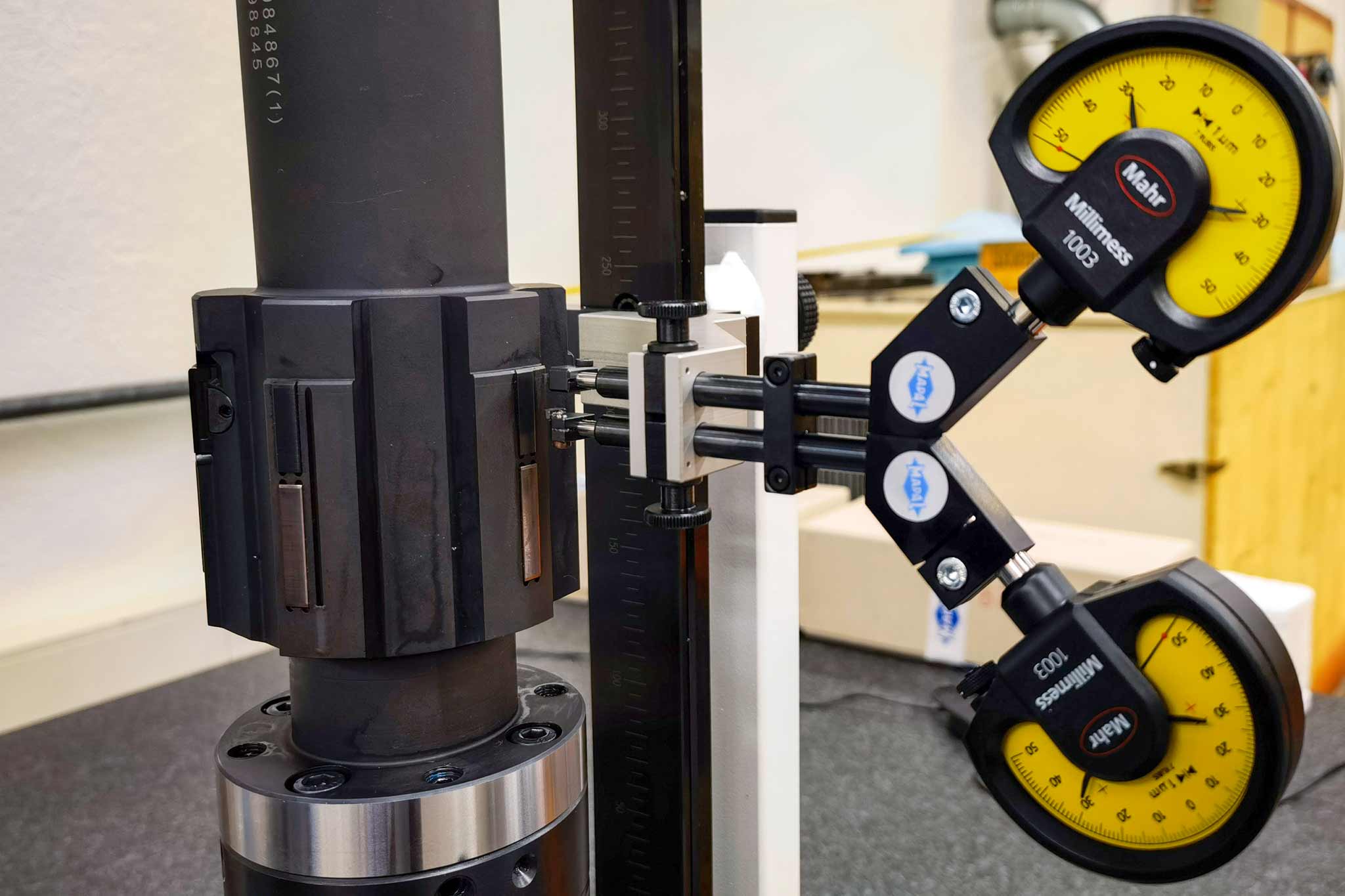
From Tornos’ perspective, the use of indexable inserts is also positive, as is MAPAL’s supply of a special setting fixture that enables the cutting edges to be adjusted in several dimensions with a resolution of 1 µm. Thanks to the indexable inserts, a total of six to eight workpieces can now be machined with each set of inserts; and cutting material costs are significantly reduced compared to the previous way of working.