Energy supply housing
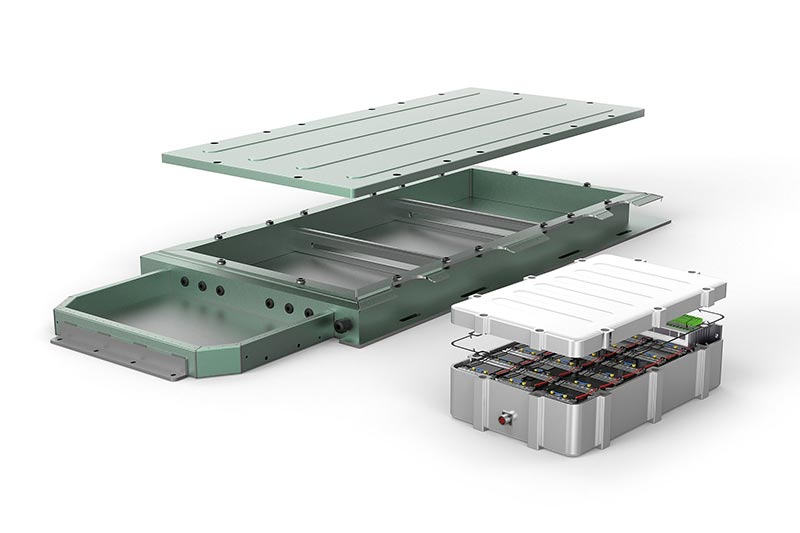
Different housings are used to protect electronic components, such as battery systems or power electronics, from external environmental influences and to attach the components to the interior in order to ensure that they function properly during vehicle operation. The requirements for the housing depend on the electronic system and drive concept. Different materials and manufacturing processes are currently used.
FEATURES
- Unstable, thin-walled components (susceptible to vibration)
- Construction as a cast tub or as a frame construction made of hollow profiles
- Partly low-silicon aluminium
- Large area (2 x 3 m)
- Mainly drilling and milling operations and threading
- Accuracy and surface requirements for cable bushing and cooling
connections


Werkzeugübersicht
-
 1 / 9
Standardprogramm zur Bearbeitung von Strukturbauteilen aus Aluminium
- Hoch positive Schneidengeometrie
- Reduzierte Schnittkräfte
- Vibrationsarmer Schnitt
-
2 / 9
OptiMill-SPM-Rough
- Vibrationsarmes Schruppen mit großer Schnitttiefe
-
3 / 9
OptiMill-SPM
- Ideal zur Herstellung von Durchbrüchen oder Taschen
- Ausführung aus Vollhartmetall oder mit gelöteten PKD-Schneiden
-
4 / 9
OptiMill-SPM-Finish
- Schlichten von großen Tiefen in einem Zug
- Starke Performance bei hohen Umschlingungen
-
5 / 9
Tritan-Drill-Alu
- Herstellung von Kernlochbohrungen
- Drei Schneiden für höchste Vorschübe
- Höchste Positioniergenauigkeit durch selbst zentrierende Querschneide
-
6 / 9
MEGA-Drill-Alu
- VHM-Bohrer
- Bohren mit geringer Zykluszeit
- Fokus auf Spanbildung
- Effektive Bohrprozesse bei größerer Anzahl an gleichen Durchmessern
-
7 / 9
FaceMill-Diamond-ES
- PKD-Planfräser
- Schruppen und Schlichten von Planflächen
- Planflächen mit unterschiedlichem Aufmaß mit einem Werkzeug bearbeiten
- Schrupp- und Schlichtoperationen möglich
-
8 / 9
OptiMill-Diamond-SPM
- PKD-Fräser
- Zirkulare Fräsoperationen verschiedener Durchmesser und Flächen
- Reduktion der Werkzeugwechsel dank flexiblem Einsatz des Werkzeugs
-
9 / 9
OptiMill-Alu-HPC-Pocket
- Eckfräser
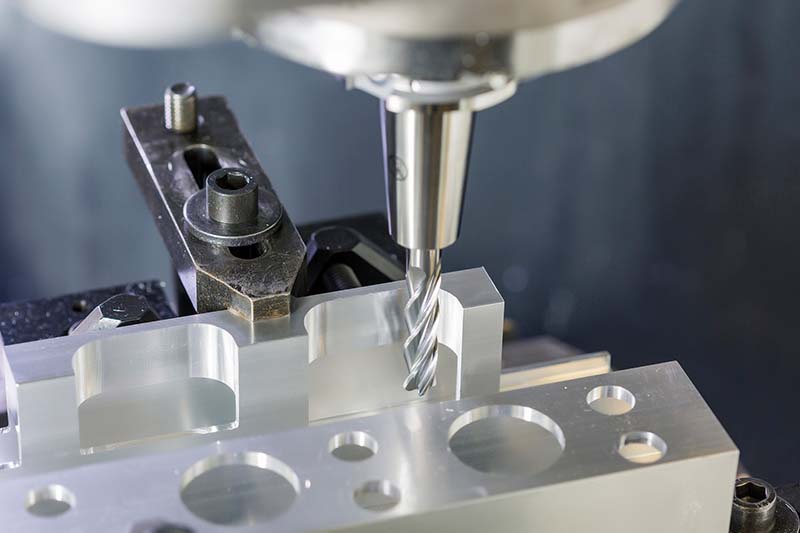
- Taschenfräsen von Aluminiumwerkstoffen
- Optimaler Abtransport der Späne
- Optimale Stabilität


-
1 / 5
Fresa in PCD per esigenze di lavorazione speciali
-
2 / 5
Fresa in PCD con taglienti disposti in modo alternato
- Forze di taglio ridotte su tutta la profondità di lavorazione
-
3 / 5
Fresa in PCD a spirale
- Finitura di strutture a pareti sottili
-
4 / 5
Fresa elicoidale in PCD
- Rifilatura con grande profondità di passata assiale
-
5 / 5
Fresa a spianare in PCD
- Fresa a spianare con profondità di passata assiale fino a 10 mm
- Creazione di profili superficiali definiti per le superfici di tenuta e di contatto


Case studies from the energy supply sector
-
03.11.2022
Efficient deburring with robots
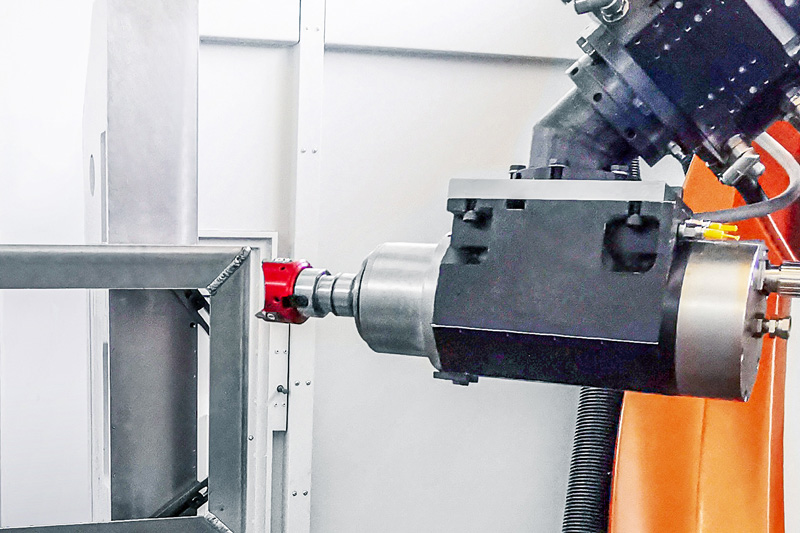
The FlyCutter from MAPAL is ideally suited for deburring battery trays. Robot manufacturer KADIA is enthusiastic about the PCD-tipped milling tool.
-
11.05.2023
A strategy for battery frames
MAPAL’s electric mobility experts have designed a generic component that encompasses the main machining operations of a battery frame.
-
12.07.2023
Milling instead of drilling
Why milling instead of drilling can be a sensible alternative? MAPAL shows how higher process reliability and shorter machining times can be achieved.