26.10.2023
Investing in health, sustainability and quality
New laser hardening system for series production
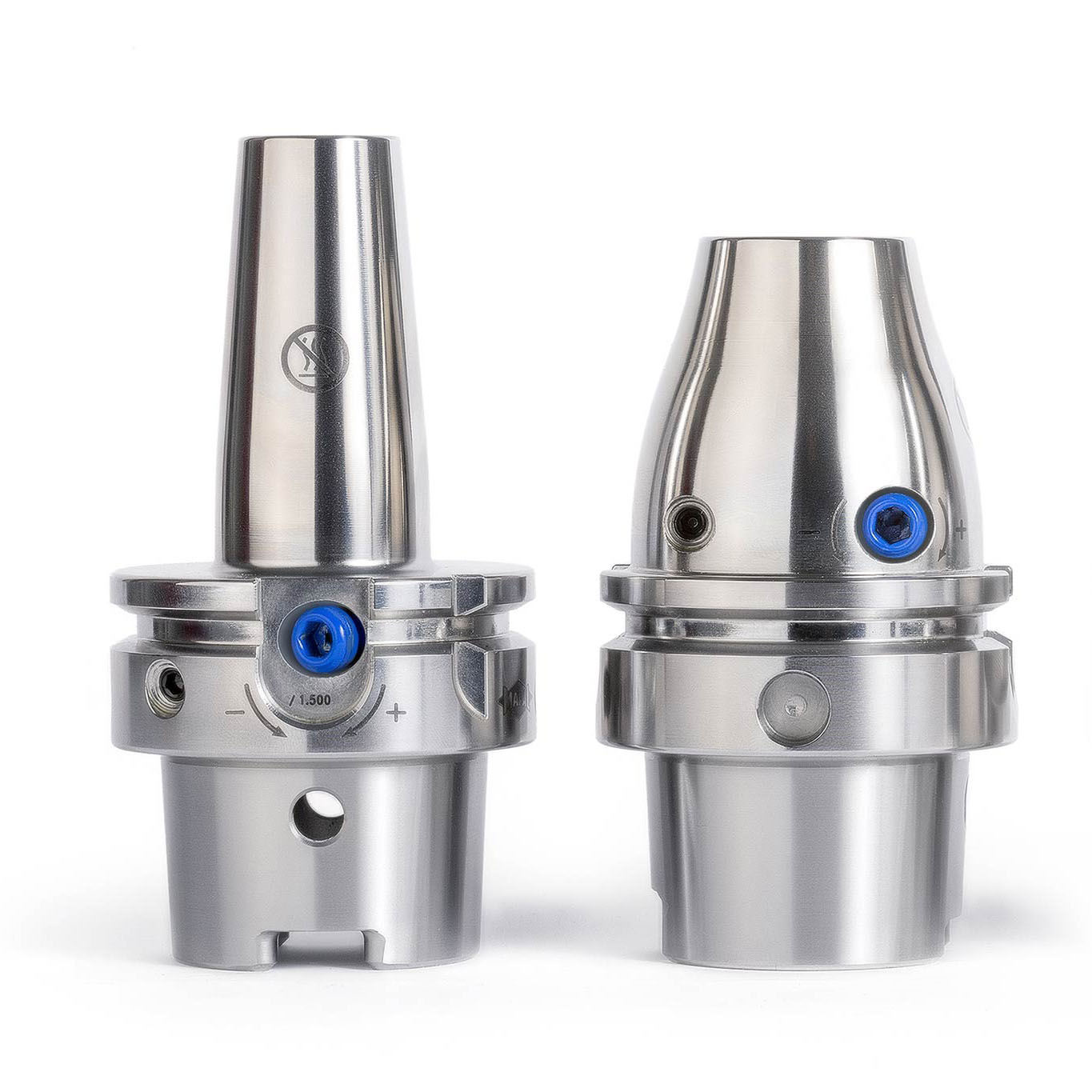
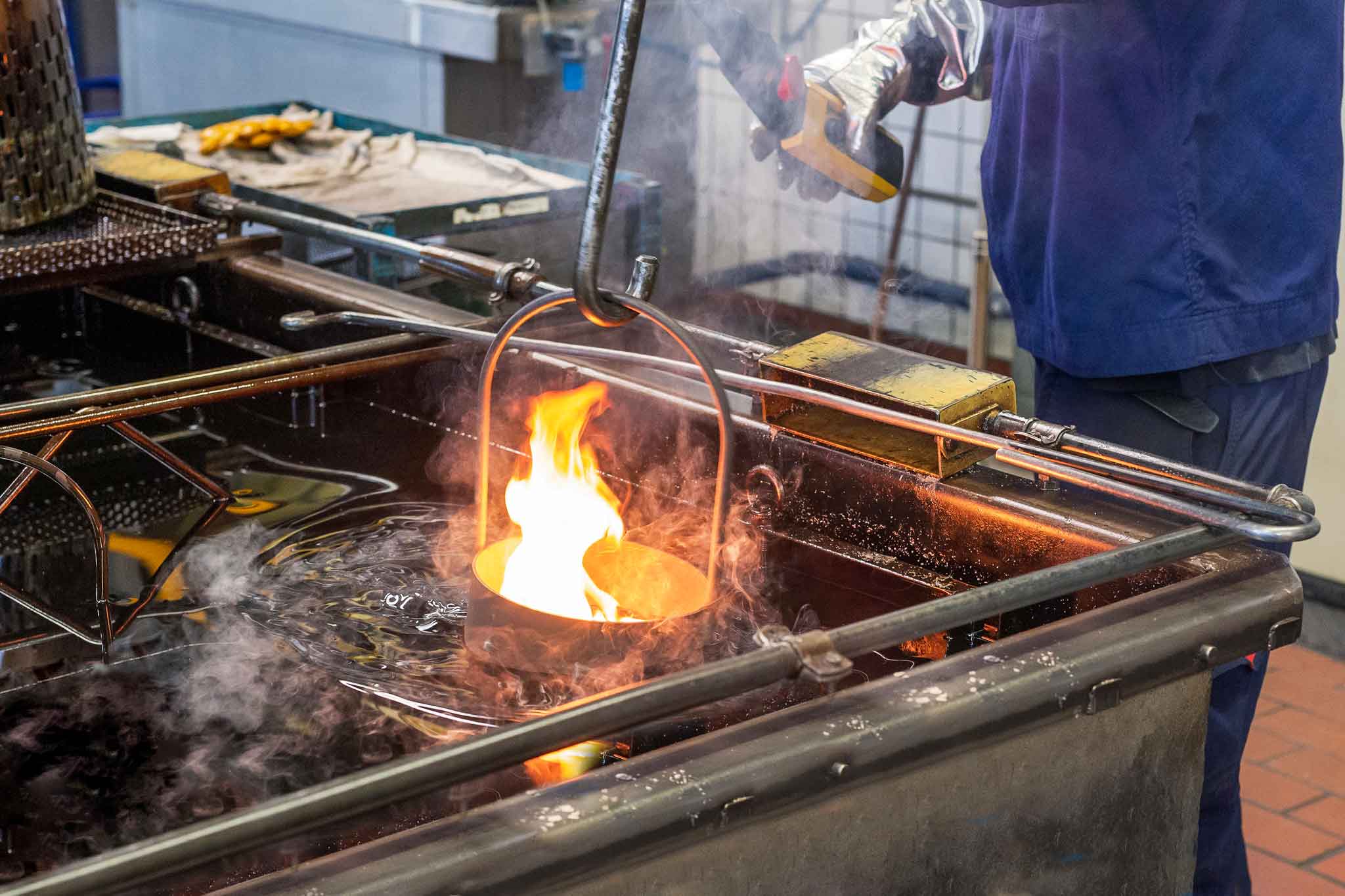
MAPAL has commissioned a new, unique laser hardening system in manufacturing, which will gradually take over all the tasks that were previously carried out in a salt bath in the hardening workshop. This not only has advantages in terms of quality, but also protects the health of the employees as well as the environment.
Health risk and high gas consumption
Forschungszusammenarbeit zum Laserhärten von Aufnahmen
Eine Alternative zum Salzbad ist das Laserhärten. Die MAPAL Experten bauten dazu eine vorhandene Maschine um, um Aufnahmen mit dem Laser zu härten. Die Maschine war eigentlich zum Laserauftragsschweißen gedacht. Ob sich das Verfahren allerdings belastbar für die Aufnahmen eignen würde, war zu diesem Zeitpunkt nicht klar. Dazu hat MAPAL gemeinsam mit dem Werkzeugmaschinenlabor, kurz WZL, der RWTH Aachen geforscht und die Torsionsbeständigkeit, also wie beständig eine lasergehärtete Aufnahme bei Verdrehung ist, untersucht. Mit positivem Ergebnis. Das Laserhärten kann das Salzbad bei Aufnahmen ersetzen.
Seit rund zwei Jahren härtet MAPAL nun mit der umgebauten Maschine alle Aufnahmen mit der MAPAL eigenen Modul-Schnittstelle. Der Laser der Maschine erhitzt den Vergütungsstahl so stark, dass beim Abkühlen dieselben Strukturveränderungen wie beim Salzbad erfolgen und die Aufnahme entsprechend gehärtet wird. Möglich ist dieses Verfahren, da es sich bei Vergütungsstahl um sogenannten selbstabschreckenden Stahl handelt. Das heißt, dass der Vergütungsstahl die Wärme, die durch den Laser entsteht, sehr schnell nach innen zieht und sich so sehr schnell wieder abkühlt - sich also selbst abschreckt. Erst dadurch stellen sich die entscheidenden Strukturveränderungen ein. Allerdings ist dieses Verfahren sehr umständlich und zu aufwendig, um serientauglich Werkstücke zu härten. MAPAL begab sich auf Lösungssuche und fand mit dem Maschinenhersteller EMAG dafür den optimalen Partner.
Weltweit einzigartig
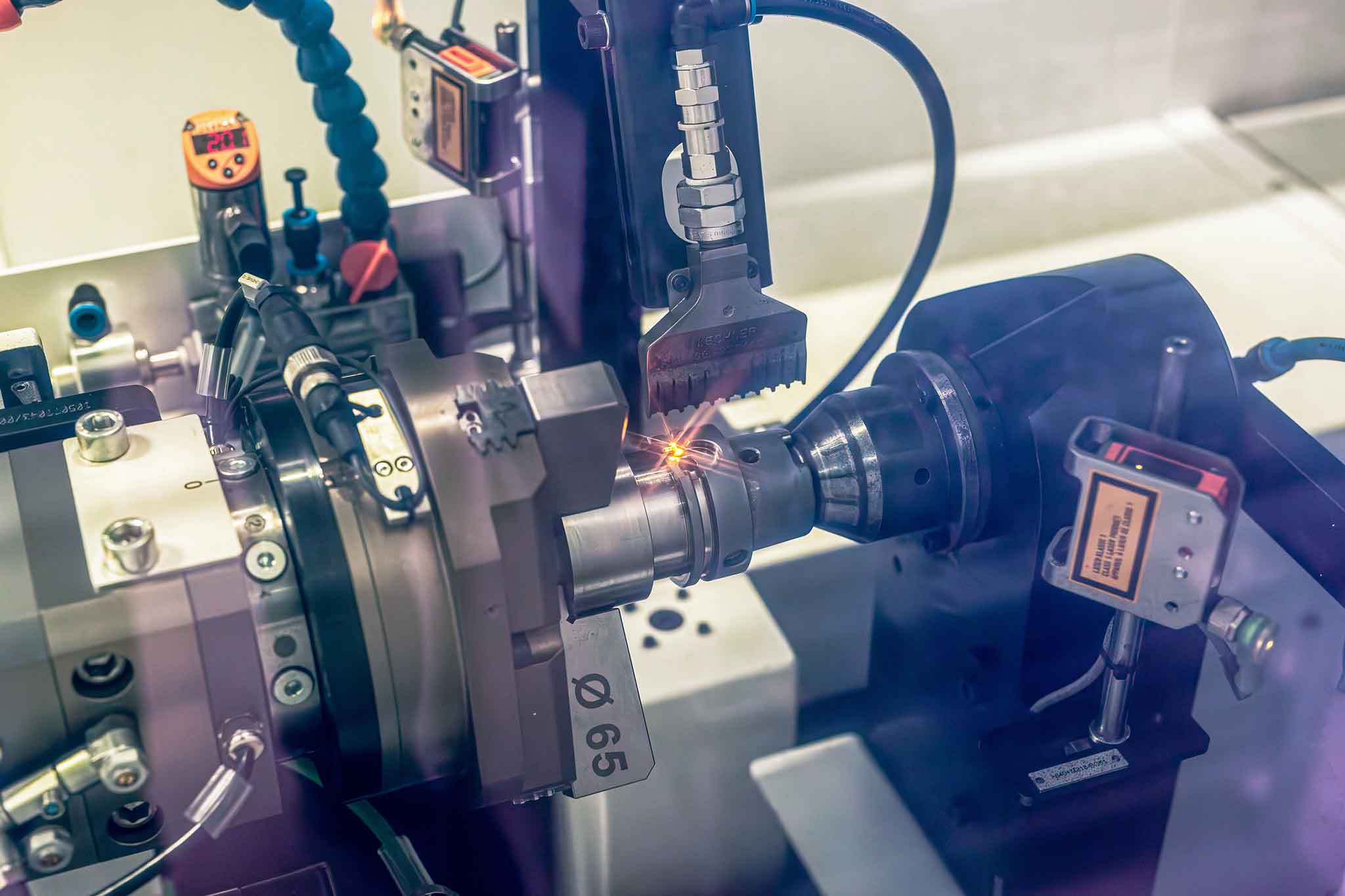
Together, the experts from both companies have developed a machine that hardens the hollow shank taper both inside and out by laser –without much adjustment and clamping effort. After a lot of work and two years in the making it was ready – the only machine in the world so far that hardens tool connections with a laser. It is located in MAPAL’s manufacturing facility in Aalen.
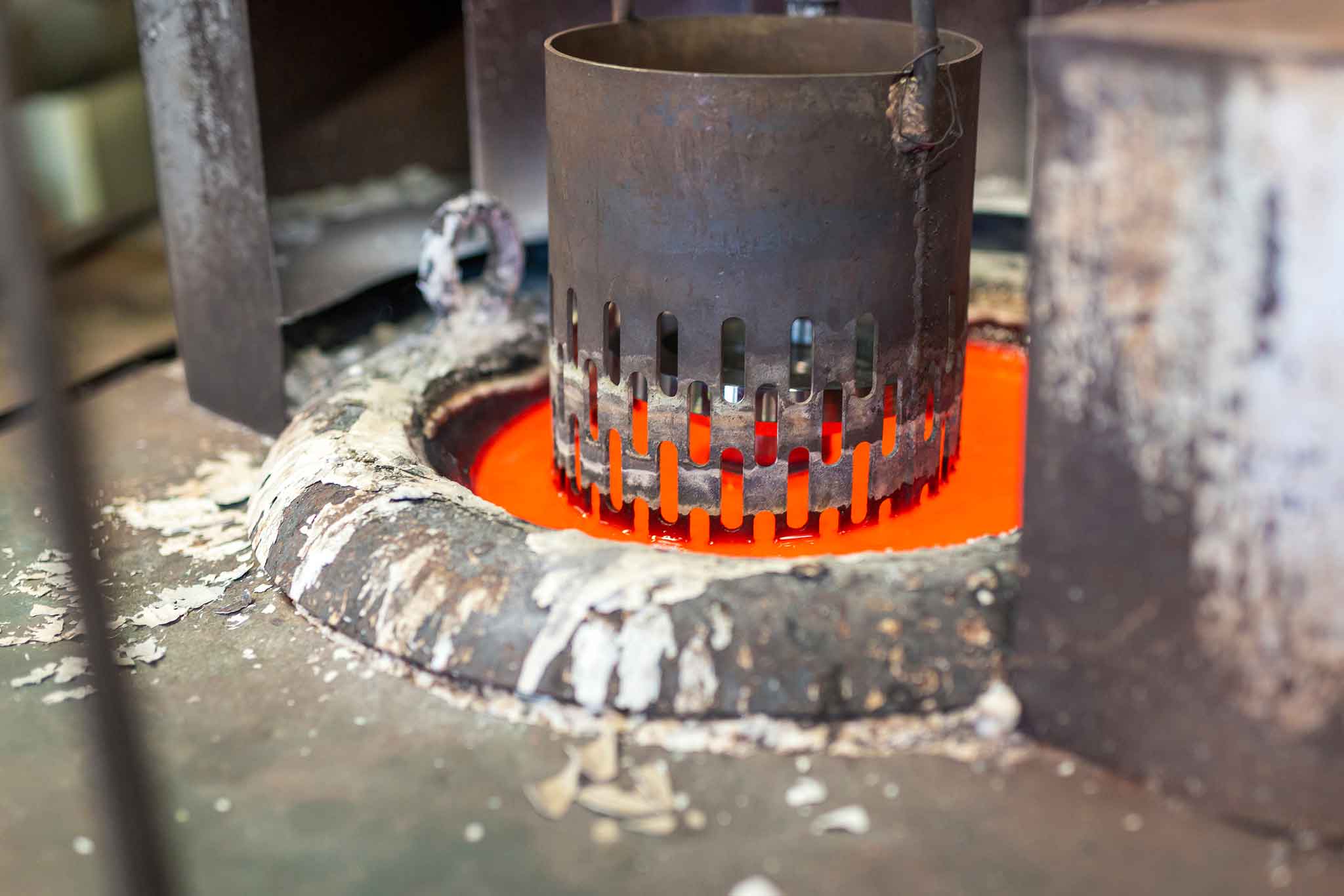
Currently, all current connections are being gradually converted to the new process. By the end of the year, all connections and sizes are to be hardened on the machine. Then it’s goodbye to the salt bath in the hardening workshop and with it the adverse working environment and all the dangers that come with it.
Advantages, advantages, advantages
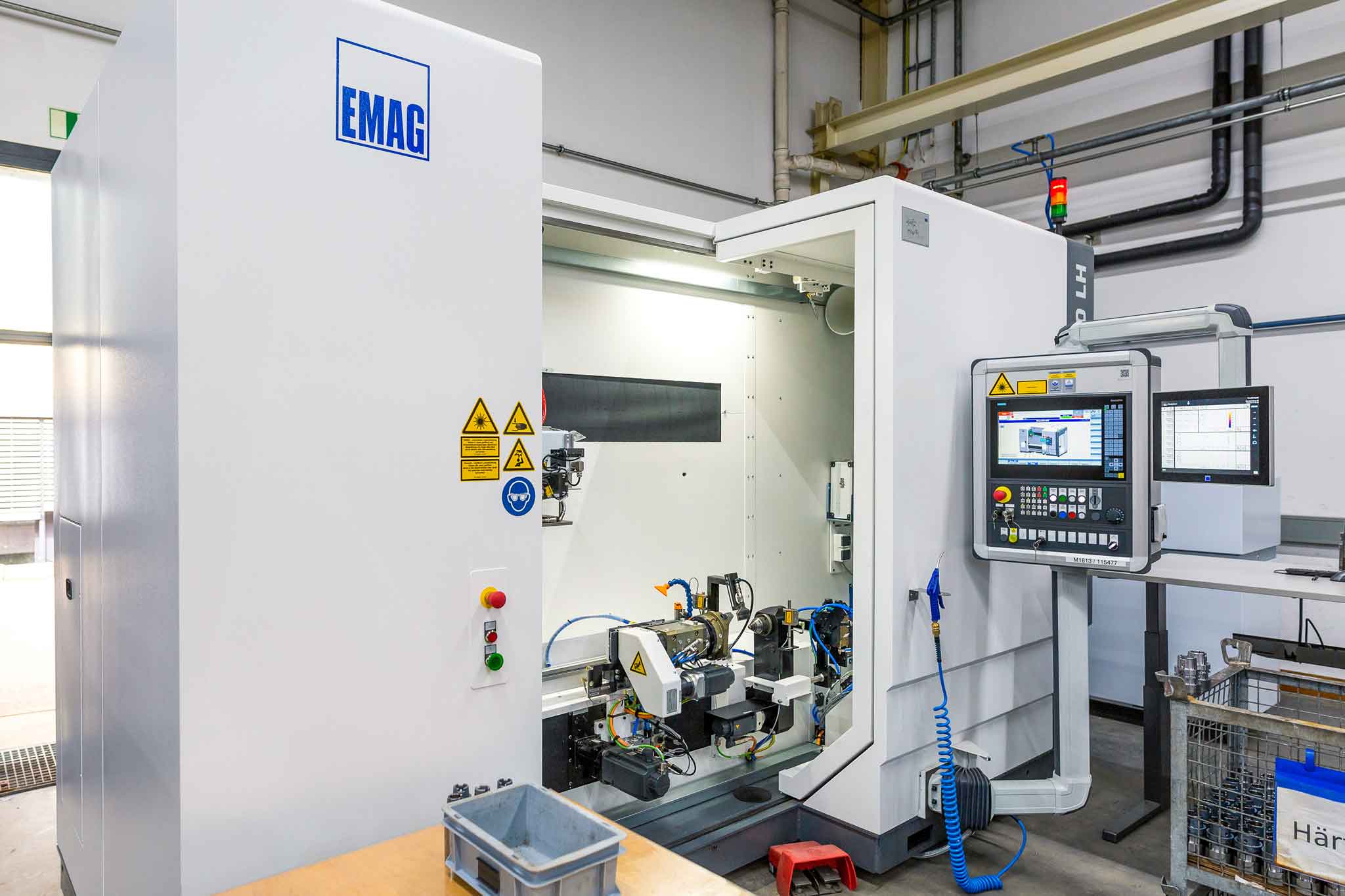
The new unit is therefore not only an advantage to the health of the employees, but also in terms of the quality of the connections. After all, the laser is much more precise than the salt bath when it comes to hardening. All upstream and downstream processes benefit from this. As a result, there are significantly fewer distortions in the material. It is no longer decisive exactly when the hardening procedure is incorporated into the process. And it is great that the work can be automated – after all, it is becoming more and more difficult to find employees who want to work in the hardening workshop or take on the evening or night shifts. Although at the moment the workpieces are still inserted into the machine by hand, this will soon be done by a robot. Then the process can be automated as far as possible, especially during the evening and night shifts.
In addition to the advantages mentioned already, the machine also has a measurable advantage in terms of sustainability. The EMAG machine saves more in the long run when you compare the 420,000 kilowatt hours of gas consumed by the molten salt with the 60,000 kilowatt hours of electricity consumed per year when hardening by laser. Everything considered, the machine therefore makes a huge contribution to more health, sustainability and quality.

Contact
Kathrin Rehor Public Relations Kathrin.Rehor@mapal.com Phone: +49 7361 585 3342