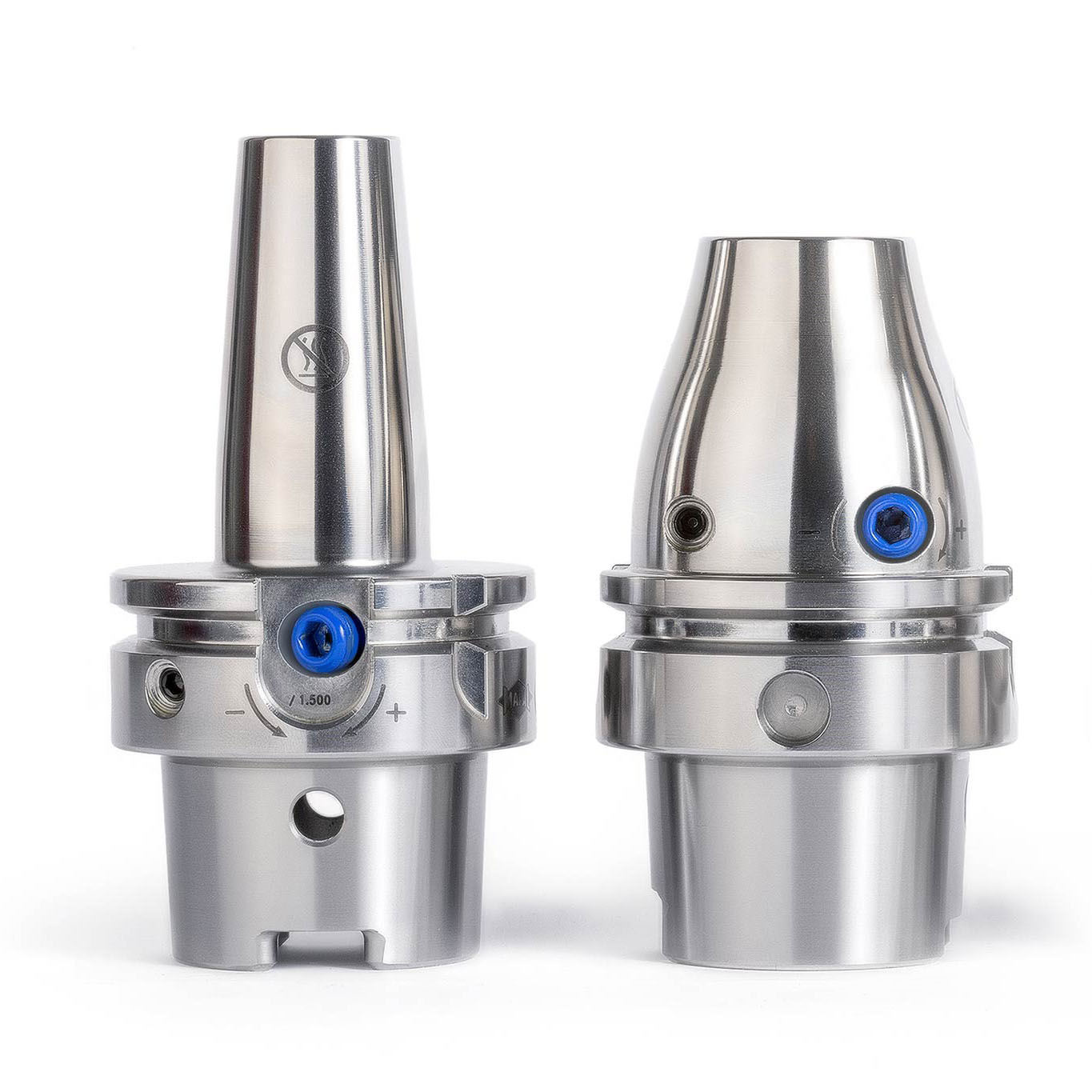
UNIQ® DirectCool
Un refroidissement décentralisé pour une précision maximale

MAPAL ajoute à ses mandrins expansibles hydrauliques UNIQ une technologie de refroidissement novatrice afin d'obtenir une meilleure fiabilité des process et de prolonger la durée de vie des outils.
-
 1 / 3
1 / 3Canaux de refroidissement intégrés
- Mandrins avec optimisation de l'arrosage pour réduire l'usure
- Pour une durée de vie d'outil élevée et des process stables
-
2 / 3
Refroidissement décentralisé
- Utilisation d'outils standard sans trous d'huile
- Suppression des rainures de queue onéreuses
- L'effet d'arrosage optimise la fiabilité des process et la qualité d'état de surface
-
3 / 3
Cote d'encombrement inchangée
- Intégration simple dans les process existants
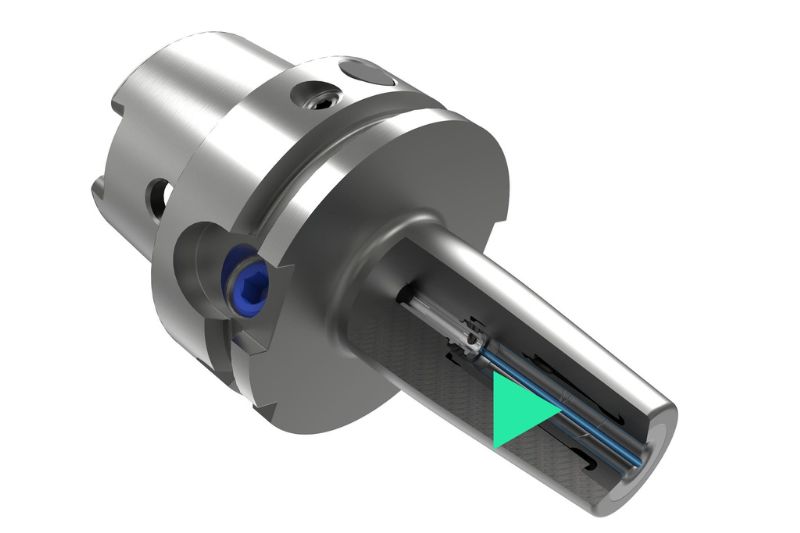
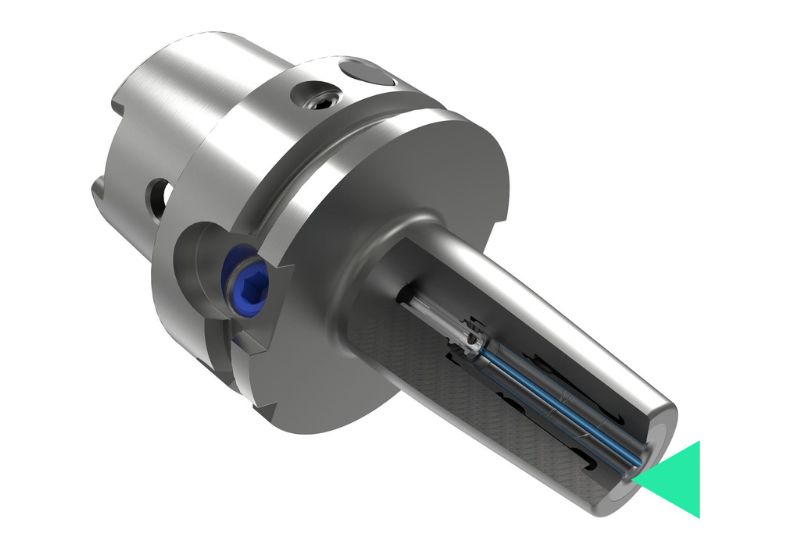
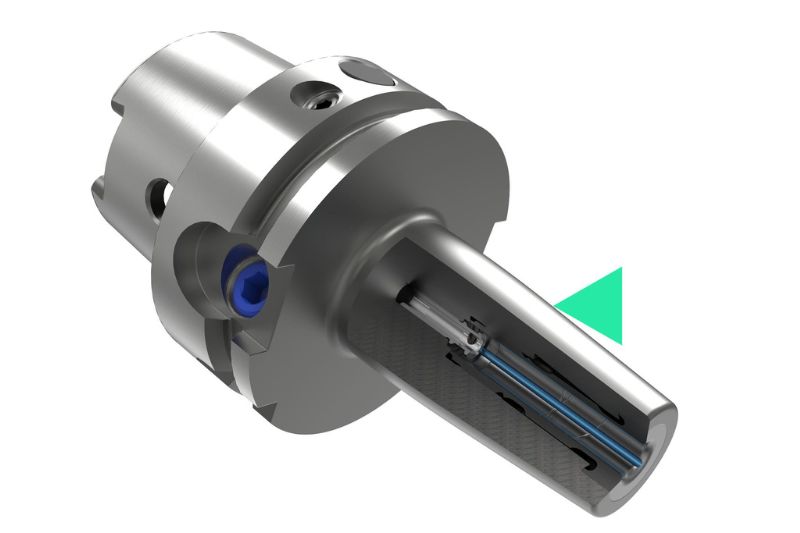
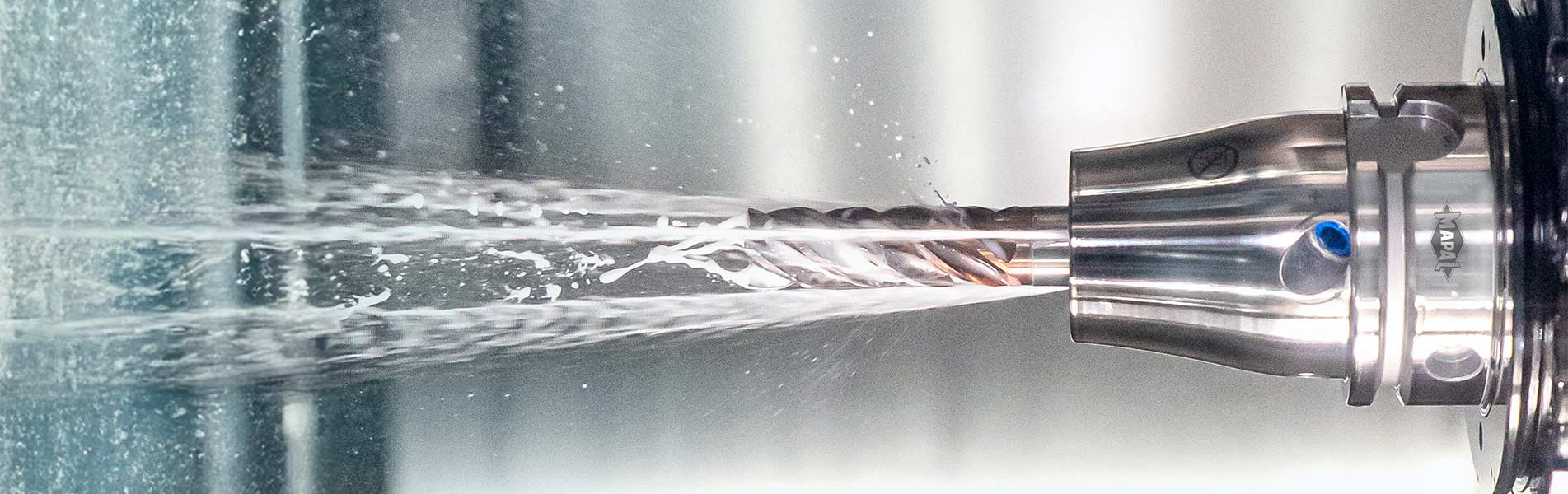
Avec UNIQ DirectCool, MAPAL commercialise une solution d'avenir pour les processus d'usinage modernes. La nouvelle option conçue pour les mandrins expansibles hydrauliques de la gamme UNIQ permet de réaliser un arrosage précis et décentralisé le long de la queue de l'outil jusqu'à l'arête de coupe grâce à trois conduits de refroidissement intégrés. Résultat : la température se répartit de manière homogène, la déformation thermique et l'usure des outils sont réduites.
DirectCool est notamment des plus performants lors des processus d'alésage, puisqu'il assure un refroidissement fiable et évite toute rupture d'outil grâce à une évacuation efficace des copeaux.
La nouvelle technologie améliore la qualité d'état de surface et la fiabilité des process, le tout sans avoir à modifier les processus existants. Les mandrins expansibles hydrauliques UNIQ déjà disponibles sont compatibles avec DirectCool sans aucune restriction. La cote d'encombrement reste inchangée et la queue ne nécessite aucune rainure spéciale.
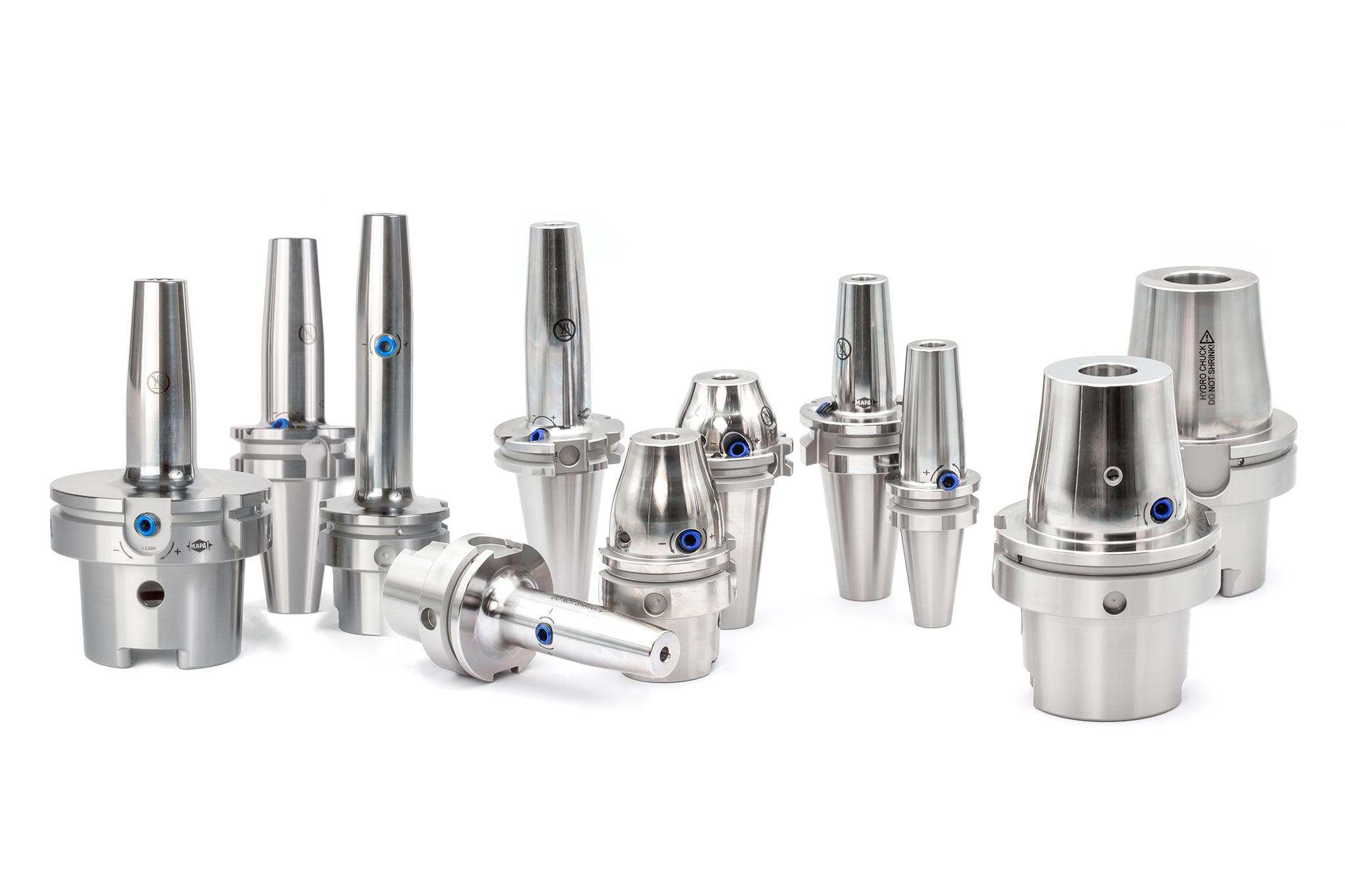
UNIQ DirectCool, avec son guidage intelligent des conduits de refroidissement, est d'abord disponible à partir de l'automne 2025 pour les mandrins UNIQ Mill Chuck HA et UNIQ DReaM Chuck avec une géométrie de 4,5° dans des diamètres de 6 à 32 mm.