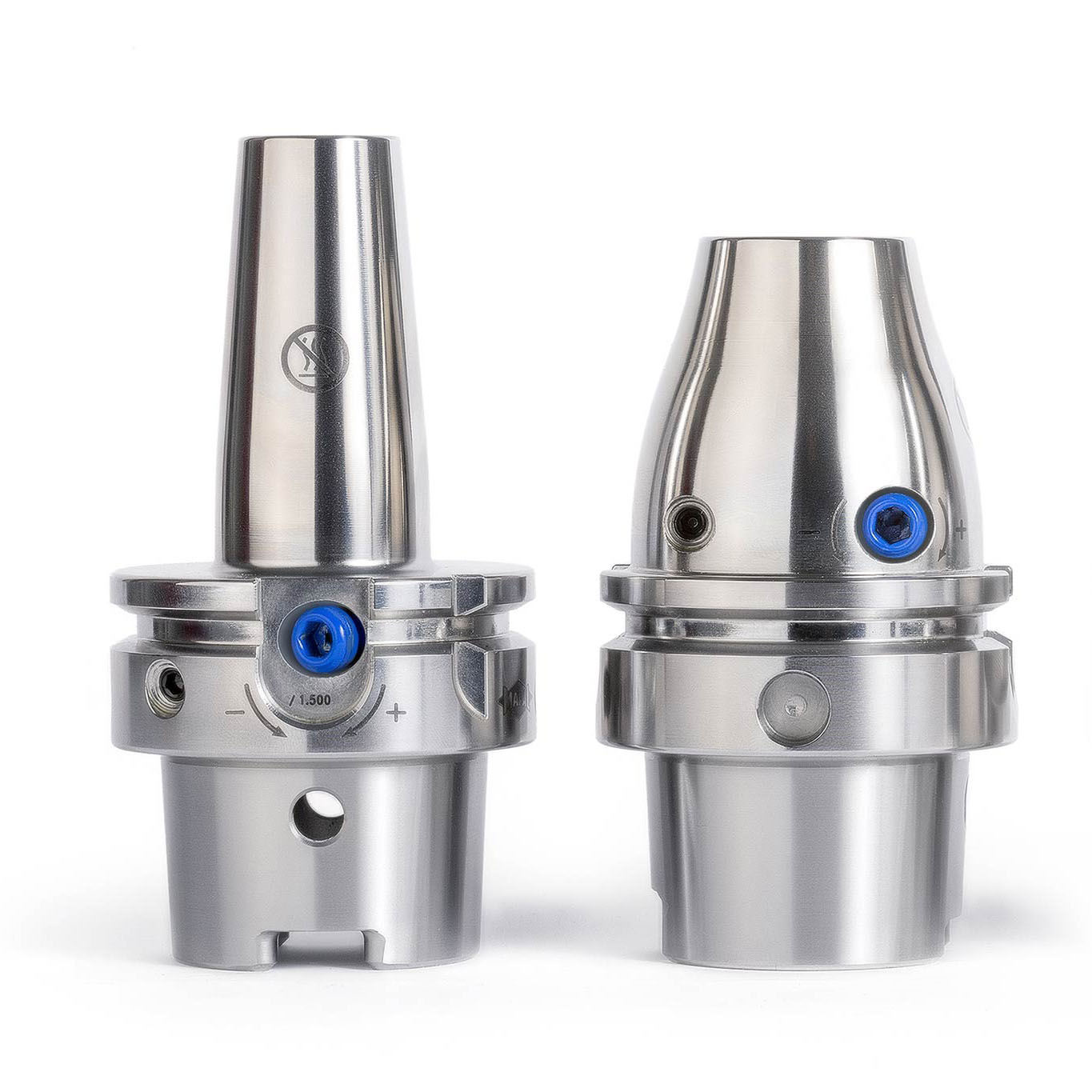
Mecanizado de superficies en 3D
En los sectores de la fabricación de moldes y troqueles, los moldes complejos forman parte del día a día. El desarrollo continuo de las máquinas-herramienta y del software CAM mantienen en aumento el nivel del rendimiento y la productividad. Por eso, las herramientas usadas también deben cumplir siempre los requisitos de la última generación. Para alcanzar los mejores resultados, hay que analizar el proceso al comienzo del diseño.
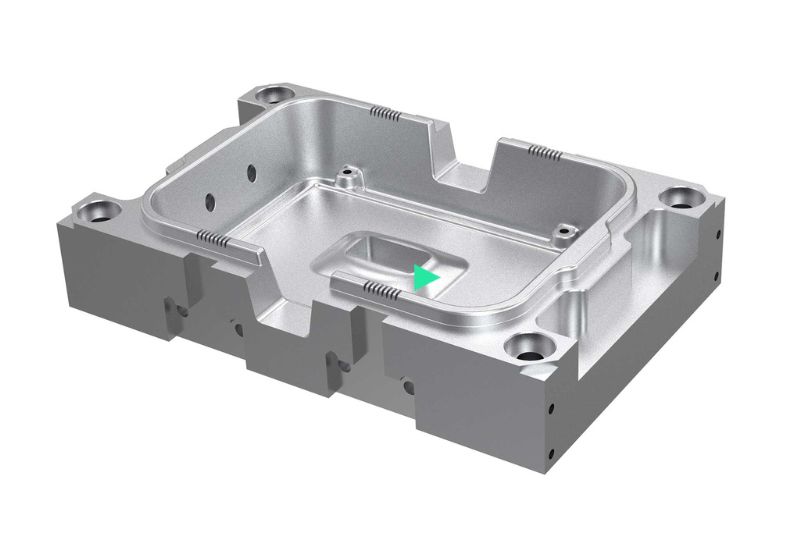
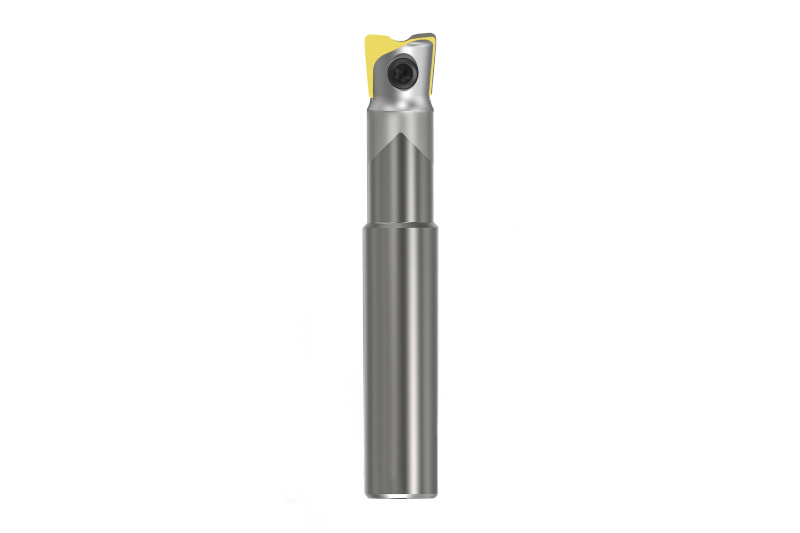
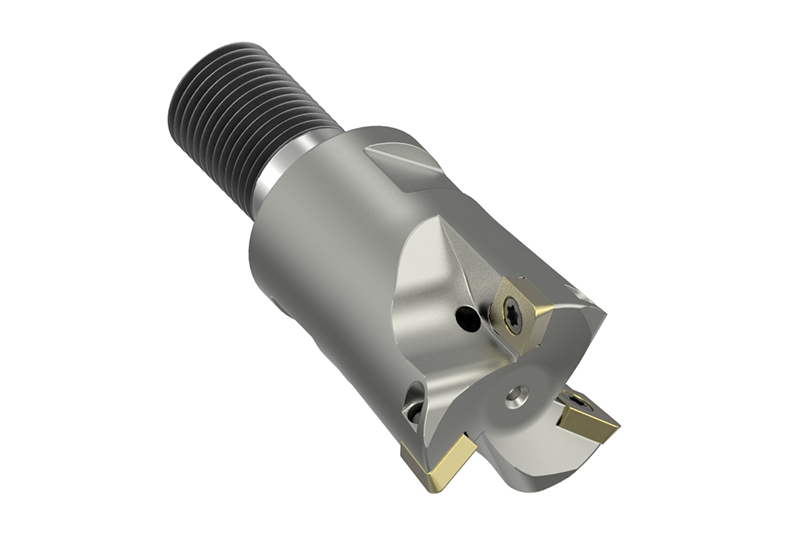
Vista general de la herramienta para los siguientes pasos de mecanizado:
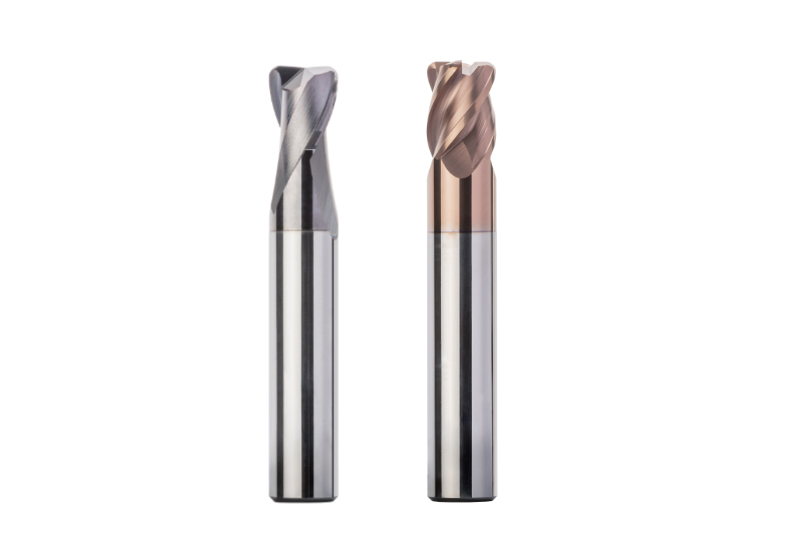
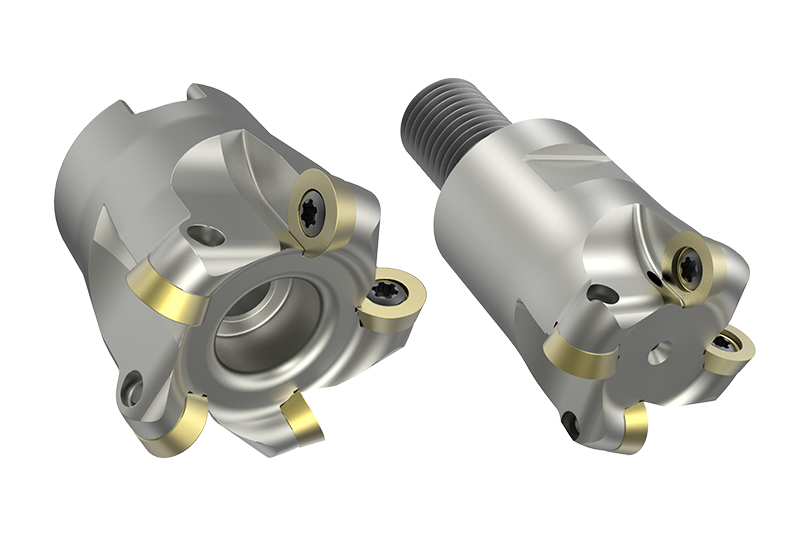
Desbastado
El desbastado abarca prácticamente toda la tarea de mecanizado. Optar por estrategias de fresado especiales como el mecanizado de gran avance o el fresado trocoidal puede reducir el tiempo de mecanizado y, por tanto, aumentar la rentabilidad. Aparte de las herramientas con insertos de corte y fresas de metal duro, se emplearán fresas de alto rendimiento con formas de desbastado especiales.
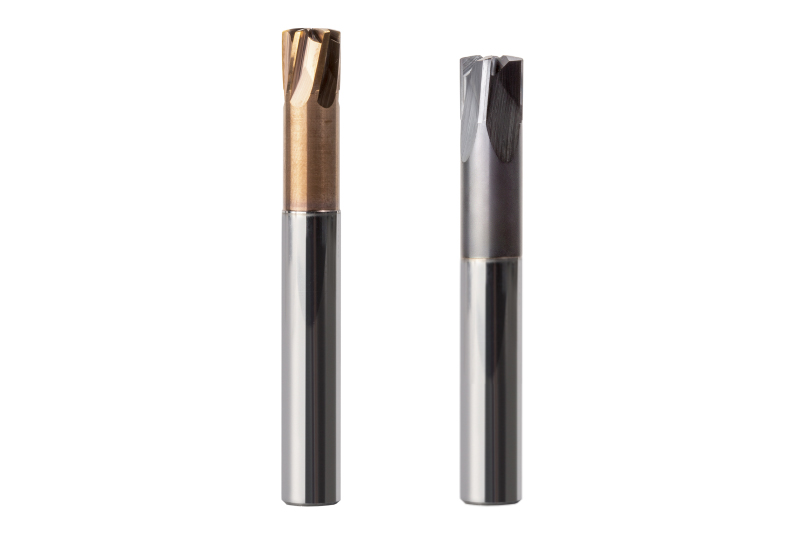
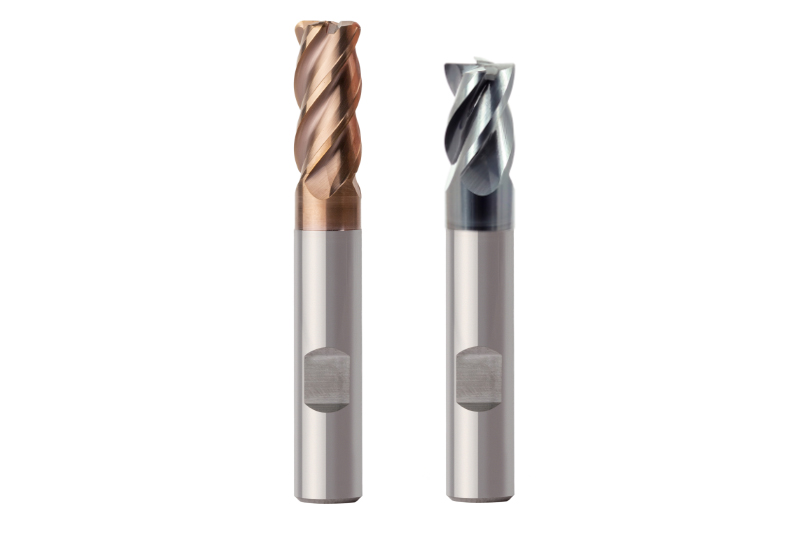
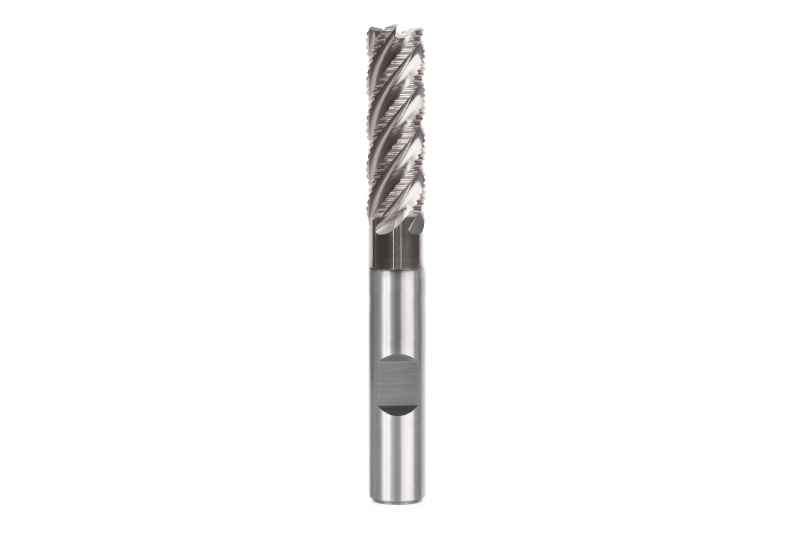
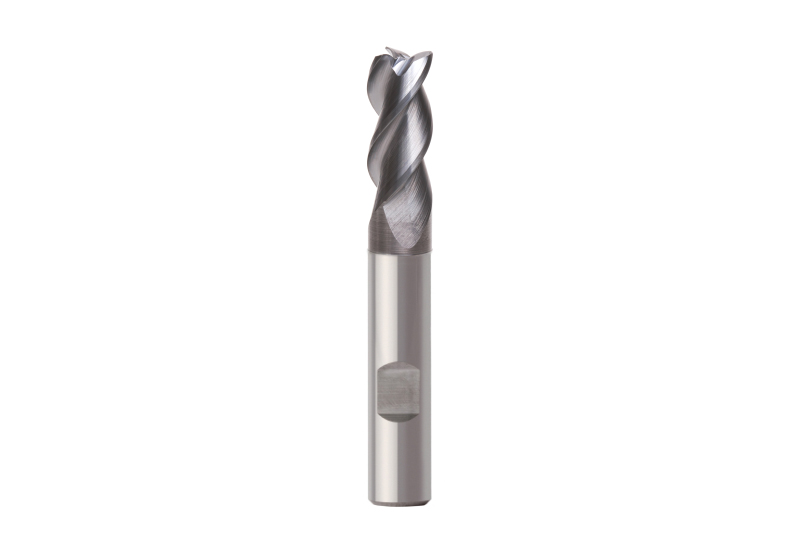
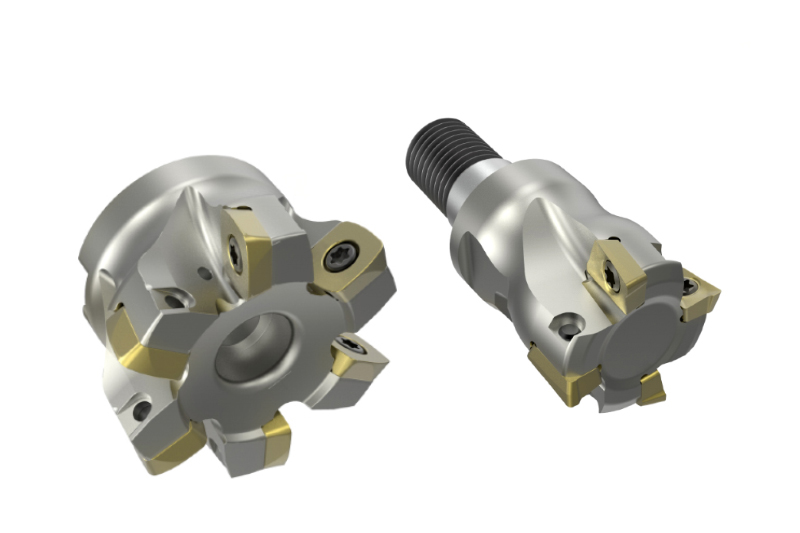
Desbastado de material residual
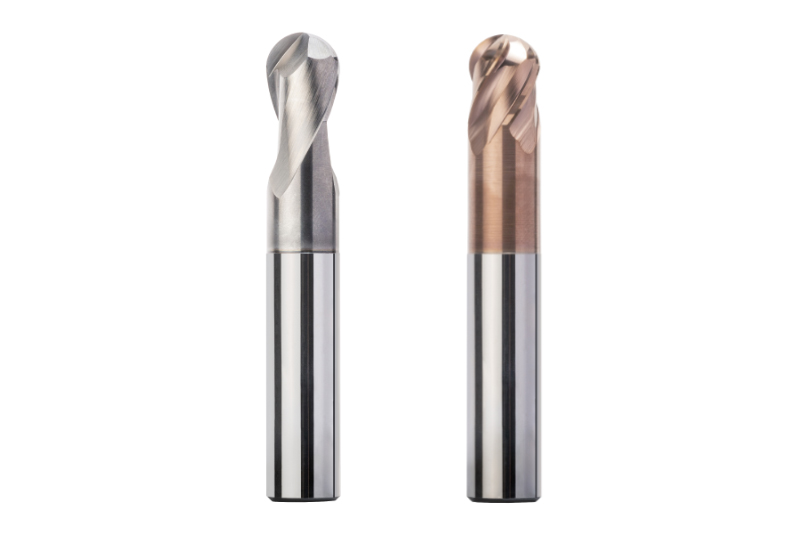
Tras el desbastado, los usuarios mecanizarán previamente en un segundo paso de mecanizado el material residual, en concreto, las esquinas y cavidades a la cota más constante posible. Normalmente, se usan herramientas con radios en los filos o fresa de alto avance. En caso necesario, una fresa esférica podría quitar también el material residual de las esquinas.
Semiacabado
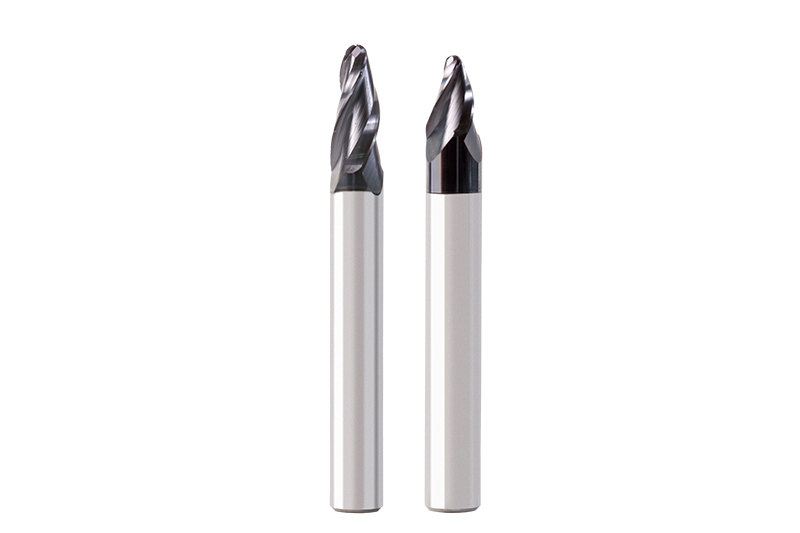
En caso de altos requisitos de precisión dimensional y calidad superficial, se recomienda un mecanizado de semiacabado antes del alisado. Con el semiacabado, el mecanizado se aproxima al perfil final del moldeado. El objetivo es mantener lo más constante posible el material residual que permita el alisado rápido muy exigente de la calidad superficial. La medida tras el desbastado será de aprox. 0,5-1 mm en el caso de los materiales templados y 0,03-0,5 mm en el de los materiales blandos. Tras el semiacabado, las medidas constantes serán 0,05-0,1 mm en el caso de los materiales templados o 0,1-0,3 mm en el de los materiales blandos.
Alisado
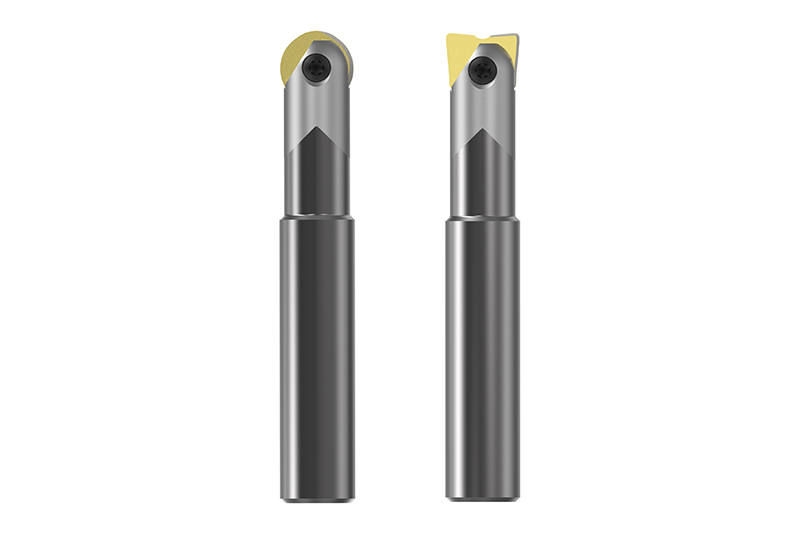
El mecanizado de alisado nivela la medida restante para conseguir la forma final. Tras el mecanizado de semiacabado, serán 0,05-0,1 mm en el caso de los materiales templados o 0,1-0,3 mm en el de los materiales blandos. La elección correcta serán la fresa esférica y la fresa de radio angular, en función de los perfiles finales de la pieza.
Acabamento de material residual
As propriedades cada vez mais complexas das formas a serem produzidas requerem, após a usinagem de acabamento uma fresagem do material residual, principalmente nos cantos. As fresas esféricas de metal duro integral são normalmente utilizadas para este fim.