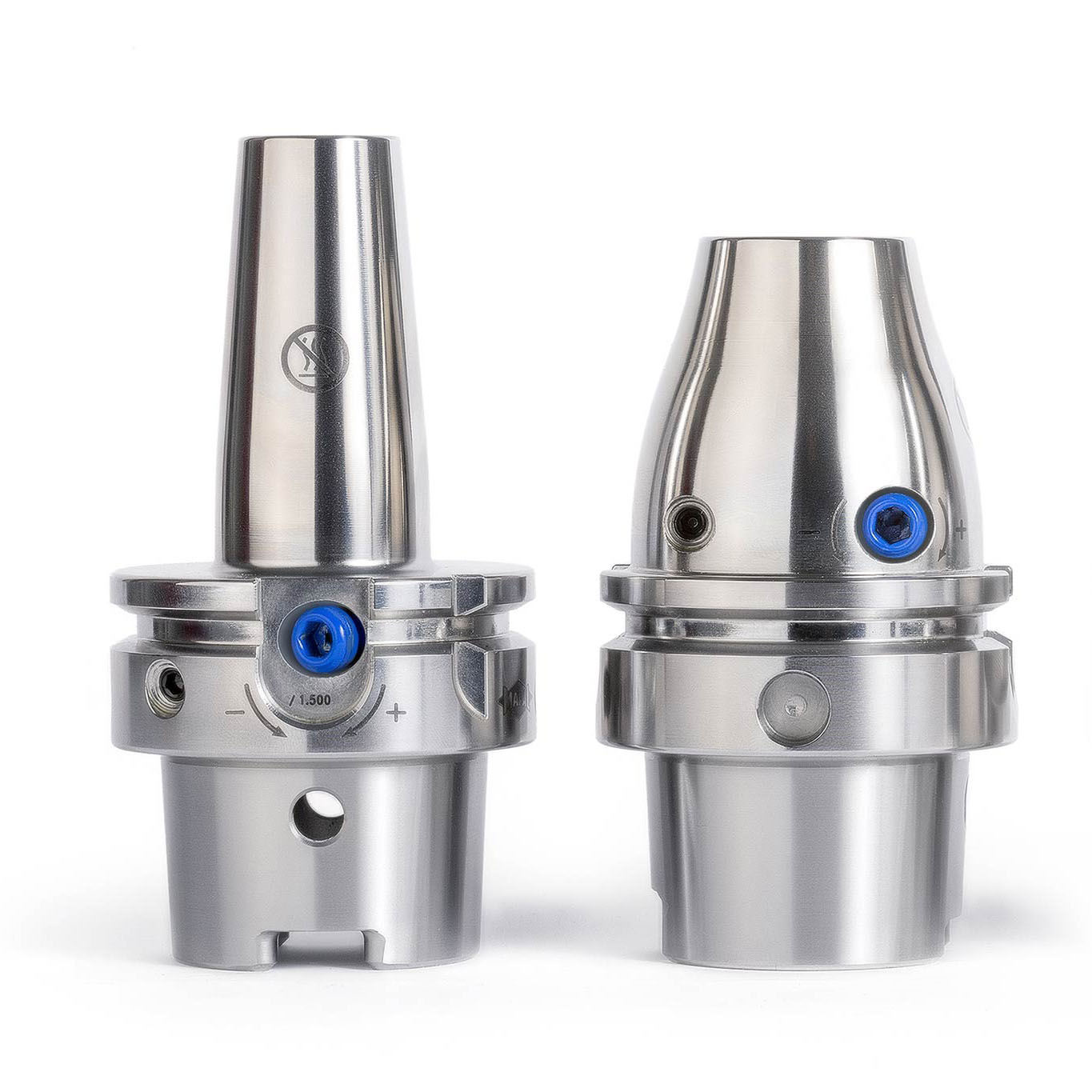
Obróbka powierzchni 2D
Do tej kategorii należą z jednej strony procesy obróbki wykonywane bezpośrednio na maszynie, takie jak frezowanie płaskie, frezowanie kieszeni i prostych ścianek. Z drugiej strony są to również operacje dotyczące złożonych geometrii, które są programowane za pomocą oprogramowania CAM.
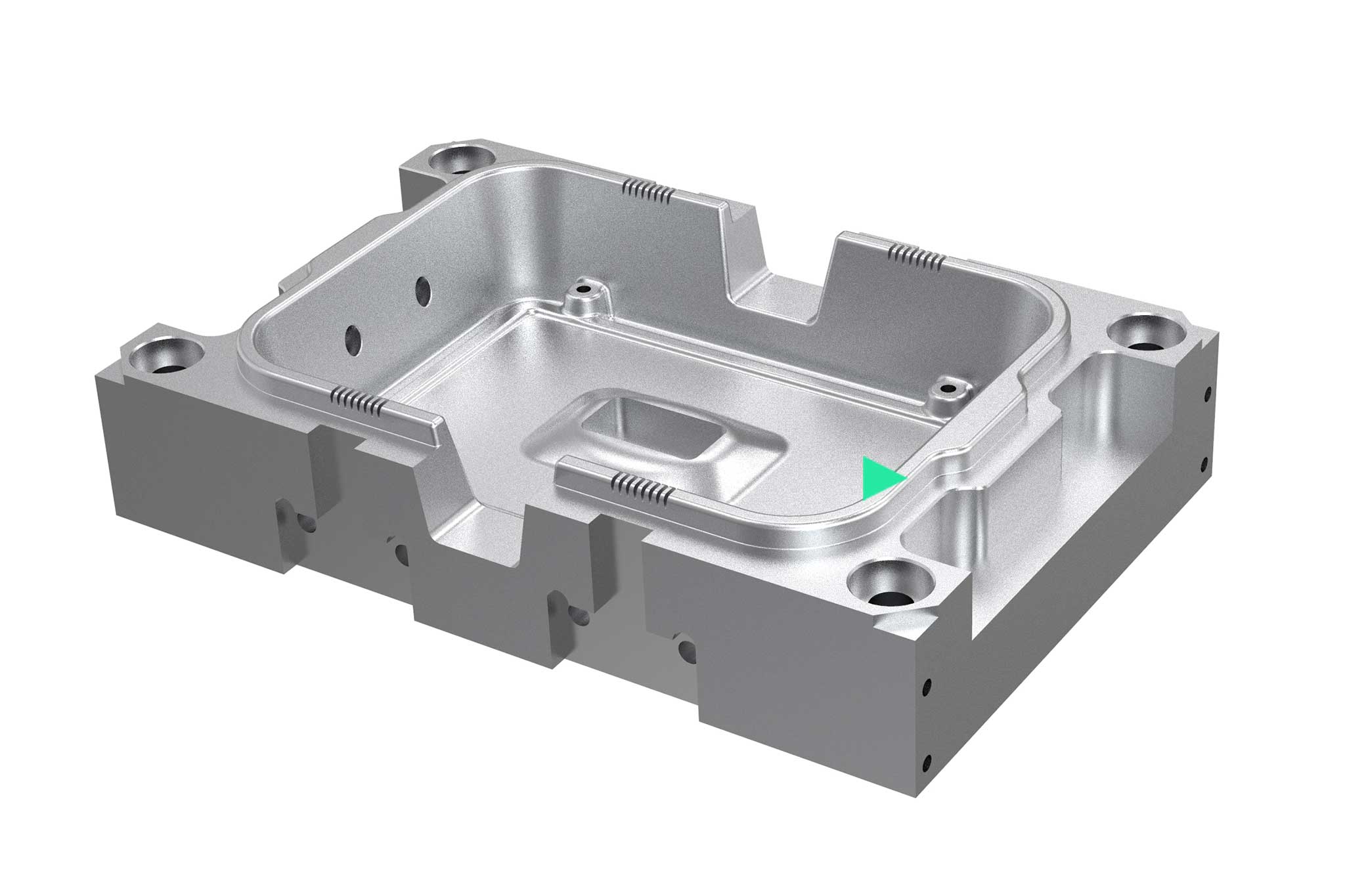
Przegląd narzędzi do następujących etapów obróbki:
Roughing
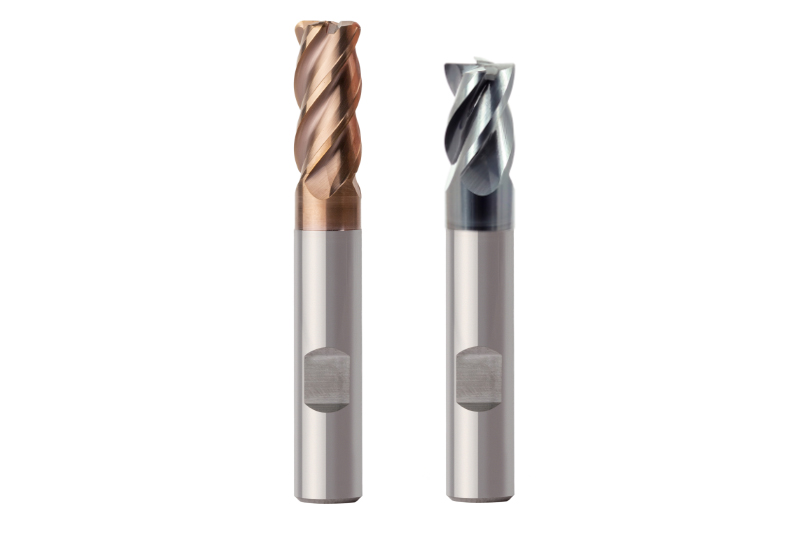
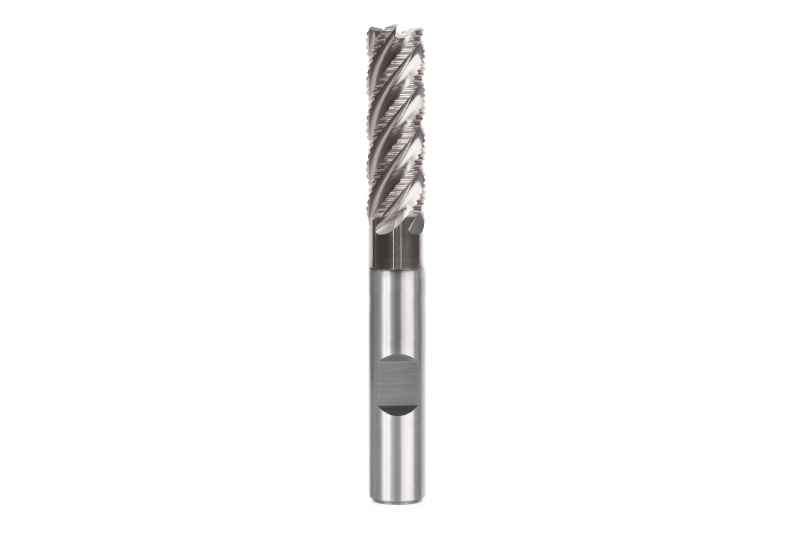
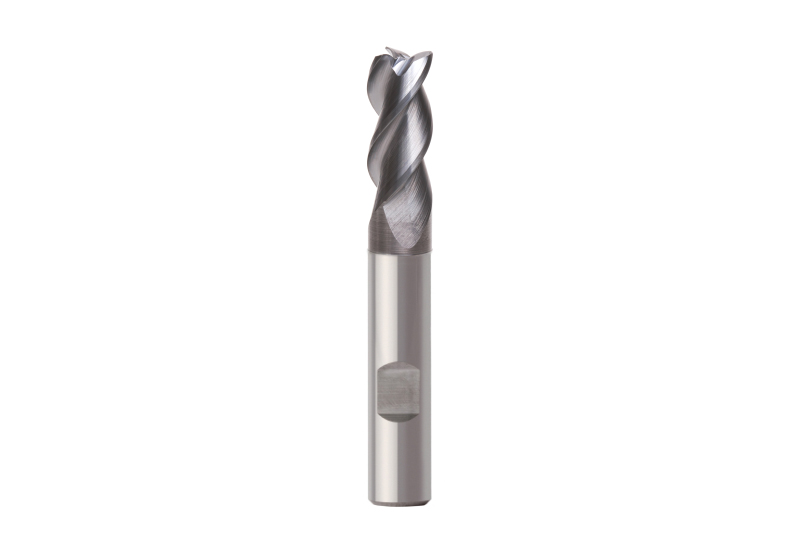
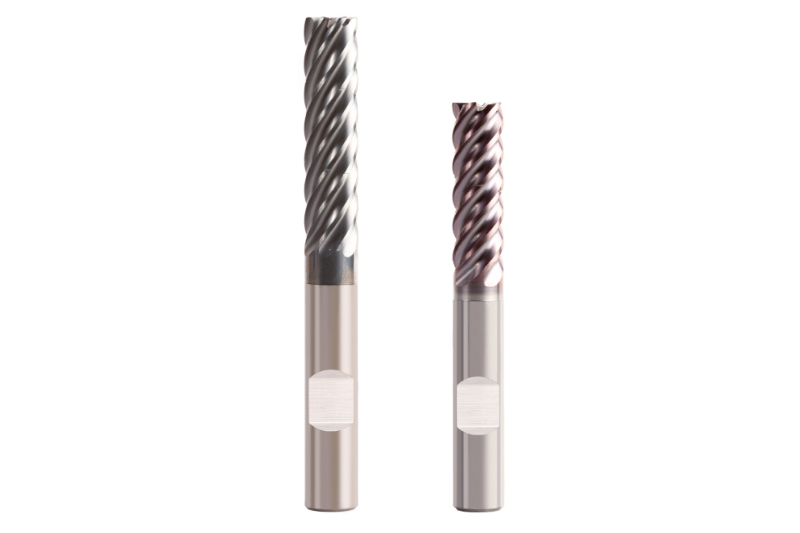
Roughing operations are responsible for most of the chip removal capacity. Special milling strategies such as high-feed machining or trochoidal milling can reduce machining time and thus increase profitability. In addition to tools with indexable inserts and solid carbide milling cutters, high-performance milling cutters with special roughing geometry are used.
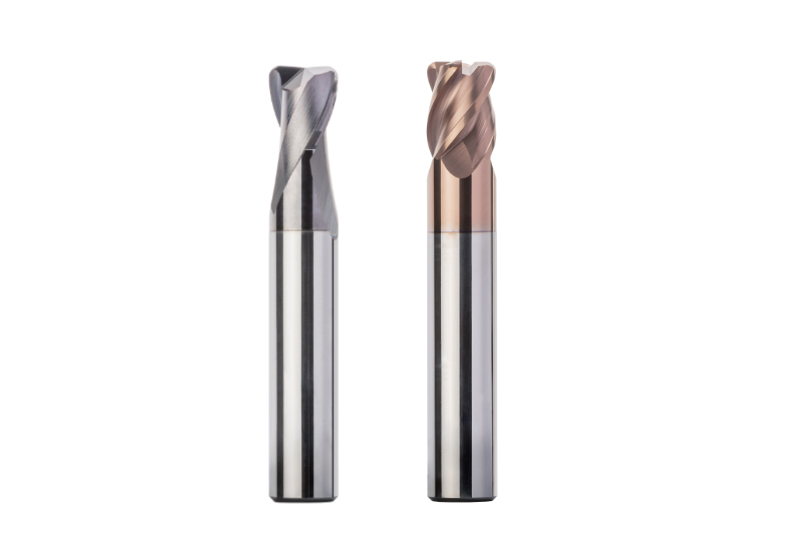
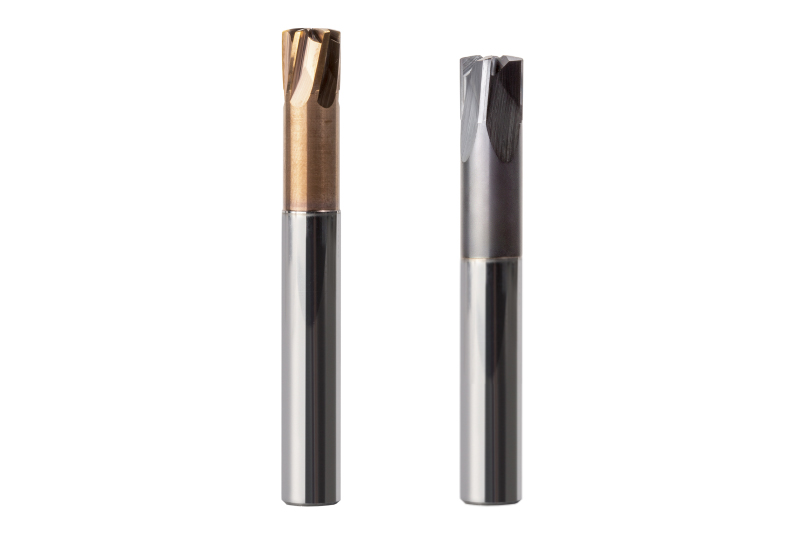
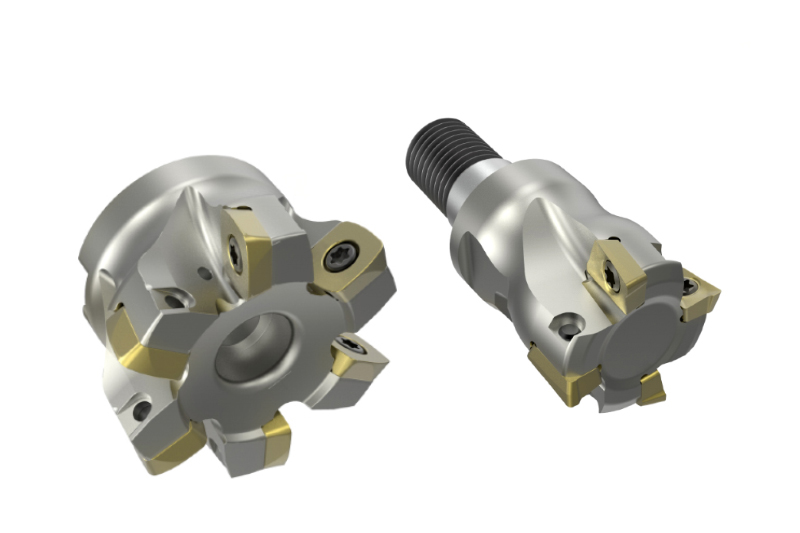
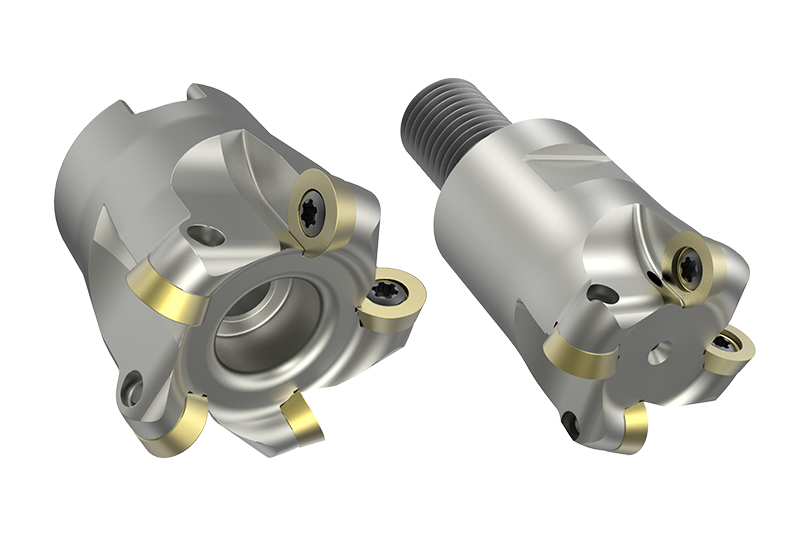
Material residual desbaste
Após o desbaste, os usuários usinam o material residual, especialmente em cantos e cavidades, para uma tolerância o mais constante possível em uma segunda etapa de usinagem. Normalmente, são utilizadas ferramentas com raio da aresta ou fresa de alto avanço. Se necessário, uma fresa esférica também pode remover o material residual nos cantos.
Semi-acabamento
对尺寸精度和表面质量要求较高时,建议在精加工前进行半精加工。通过半精加工,加工接近最终的形状轮廓。目的是获得尽可能恒定的残余材料,以实现对表面质量要求高的快速精加工。粗加工后的加工余量对于淬硬材料约为 0.5-1 mm,对于软质材料约为 0.03-0.5 mm。在半精加工后,淬硬材料的恒定加工余量为 0.05-0.1 mm,软质材料为 0.1-0.3 mm。
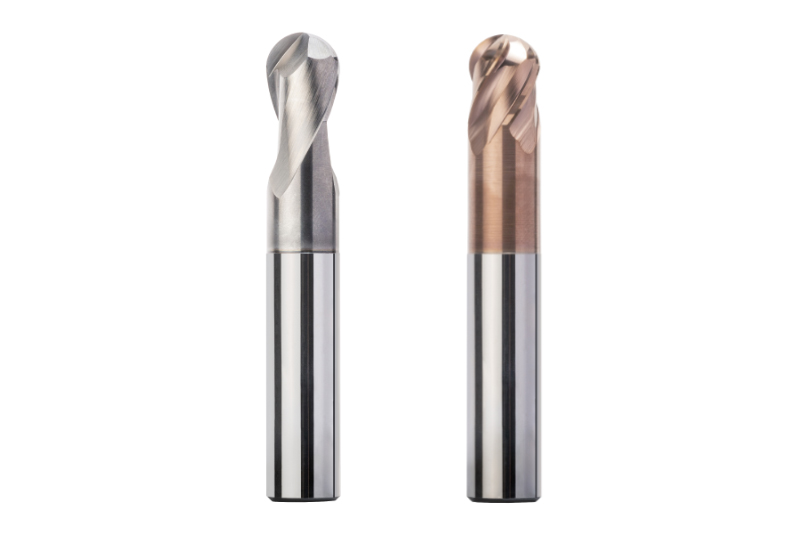
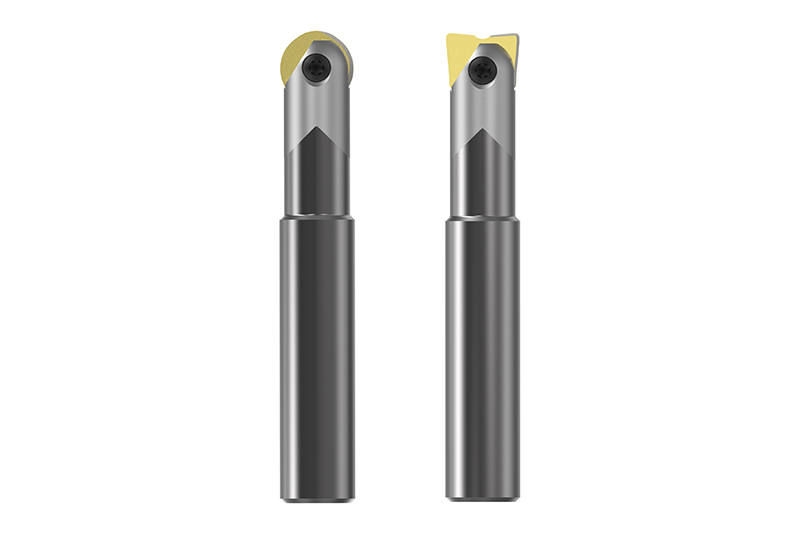
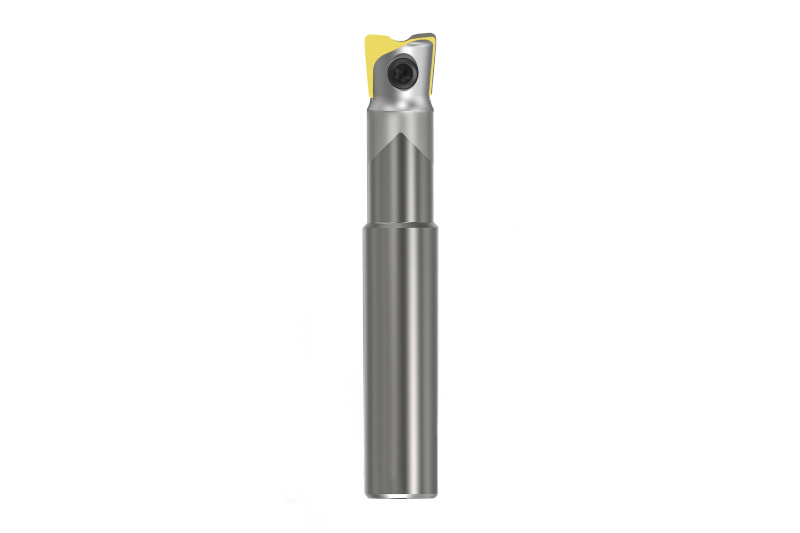
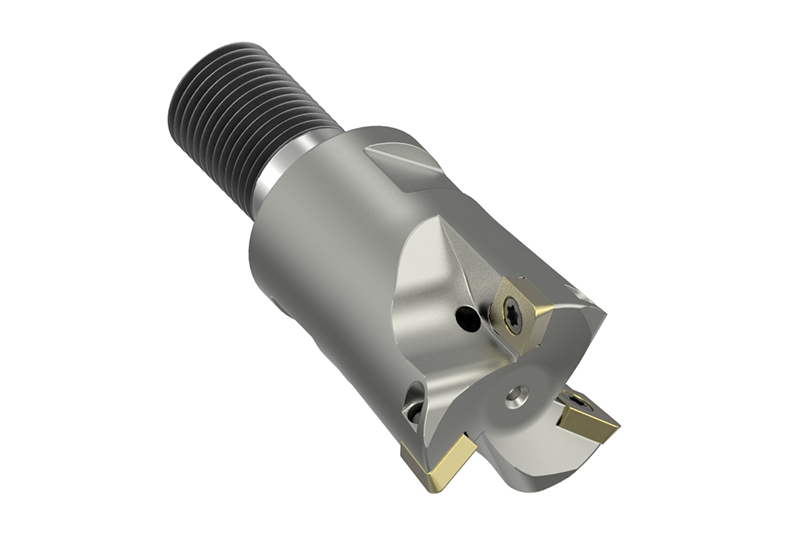
精加工
精加工去除剩余的加工余量以达到最终形状。在半精加工后,淬硬材料的加工余量为 0.05-0.1 mm,软质材料的加工余量为 0.1-0.3 mm。球形和/或圆角铣刀是首选刀具,具体取决于工件的最终轮廓。
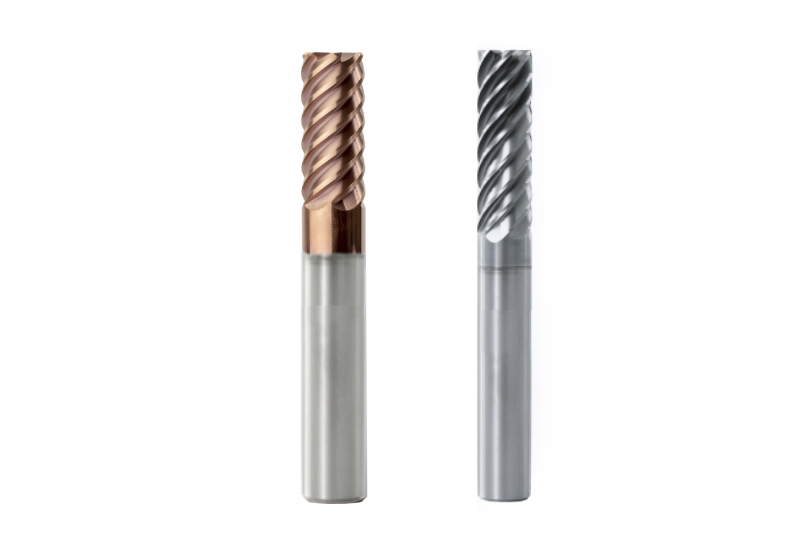
剩余材料精加工
要制造的形状的特性愈来愈复杂,需要在精加工后铣削剩余的材料,主要是在圆角处。对此通常使用由整体硬质合金制成的球形铣刀。