10.03.2022
Titanium Machining Takes Off
There are numerous applications waiting for new titanium machining tools from MAPAL. In medical technology, this workpiece material is used for implants because of its strength and compatibility with human tissue. Automotive manufacturers use it to create powerful sports cars. The blades of large gas turbines, made of titanium, absorb enormous forces. The aircraft industry is producing more and more highly stressed parts made of titanium. MAPAL is making drilling and milling of the ductile, high-strength workpiece material more productive, thereby reducing costs.

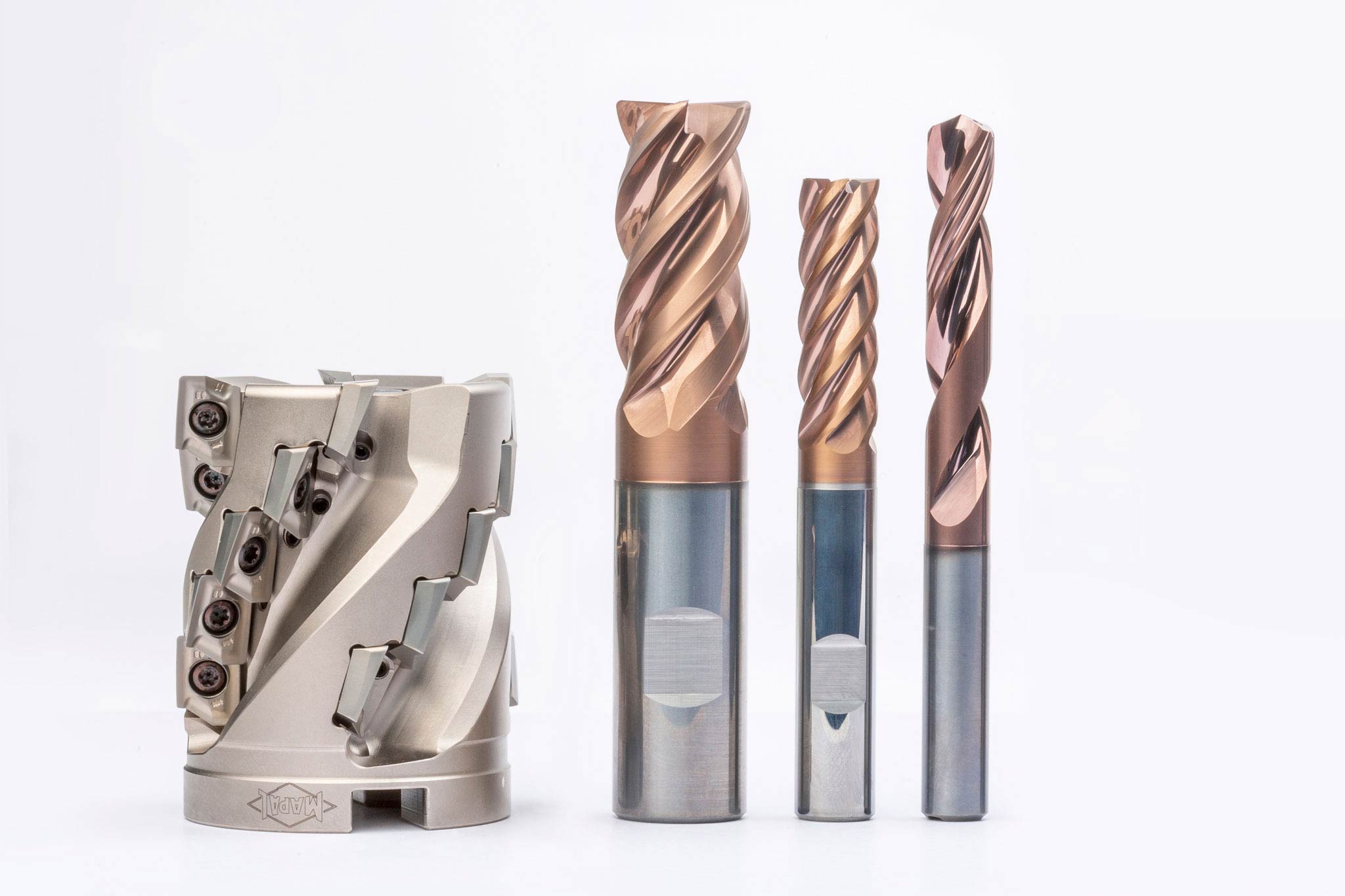
MAPAL's three new titanium tools
New drills and milling cutters made of solid carbide and milling cutters with indexable inserts extend MAPAL's standard portfolio for machining titanium. All three new developments feature high cutting values and well thought-out heat dissipation.
In designing the tools, MAPAL followed the requirements for titanium machining set by the target markets. The range of available diameters is correspondingly broad, starting with small sizes from 3 mm, as often required in medical technology, through the medium sizes for sports car components to the large tools for aircraft construction and energy technology. In tests, MAPAL has recorded 25 to 35 percent longer tool life for its tools compared to competitors.
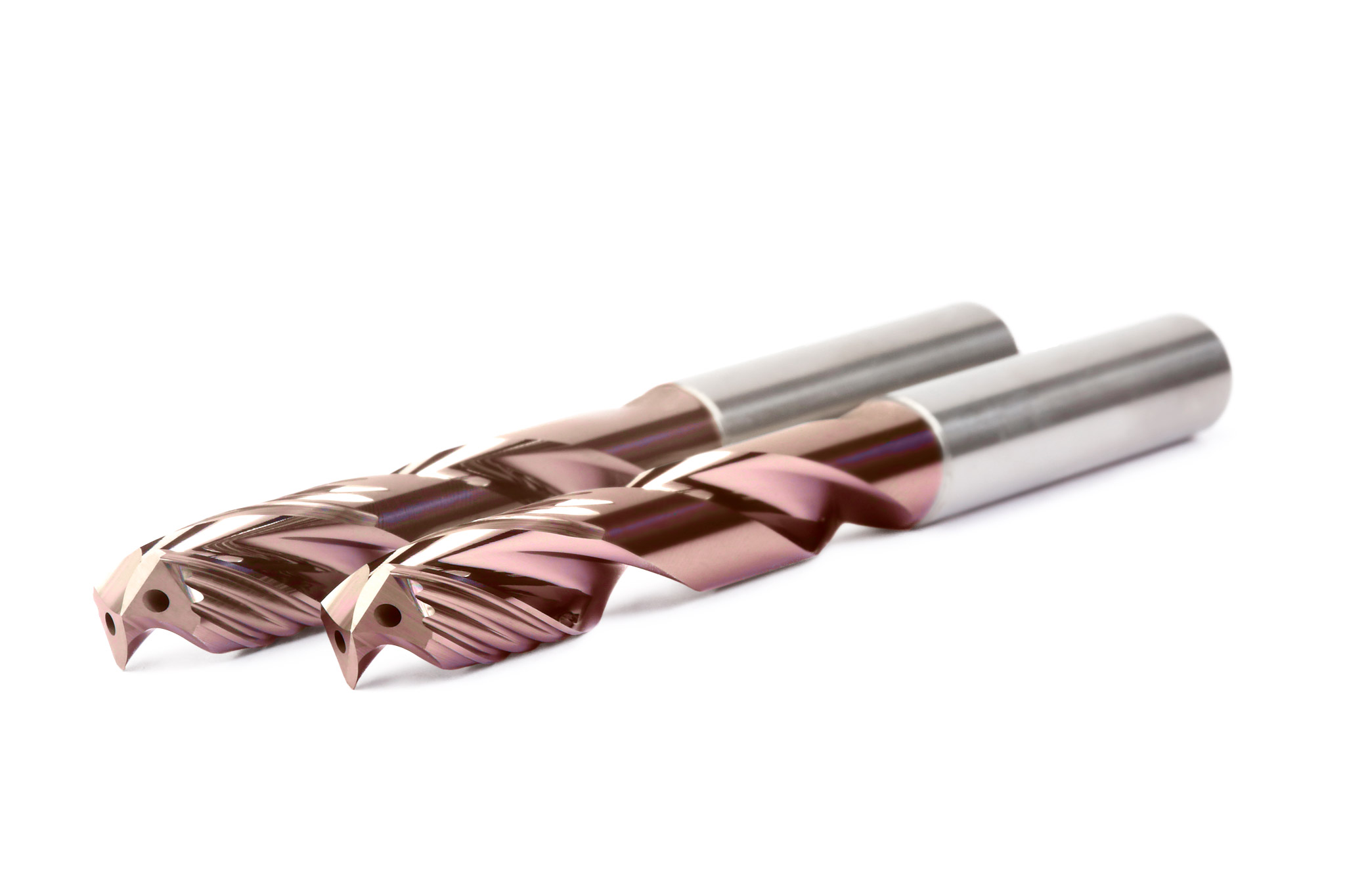
MEGA-Speed-Drill-Titan: cost-efficient and productive
OptiMill-Titan-HPC: versatile roughing and finishing
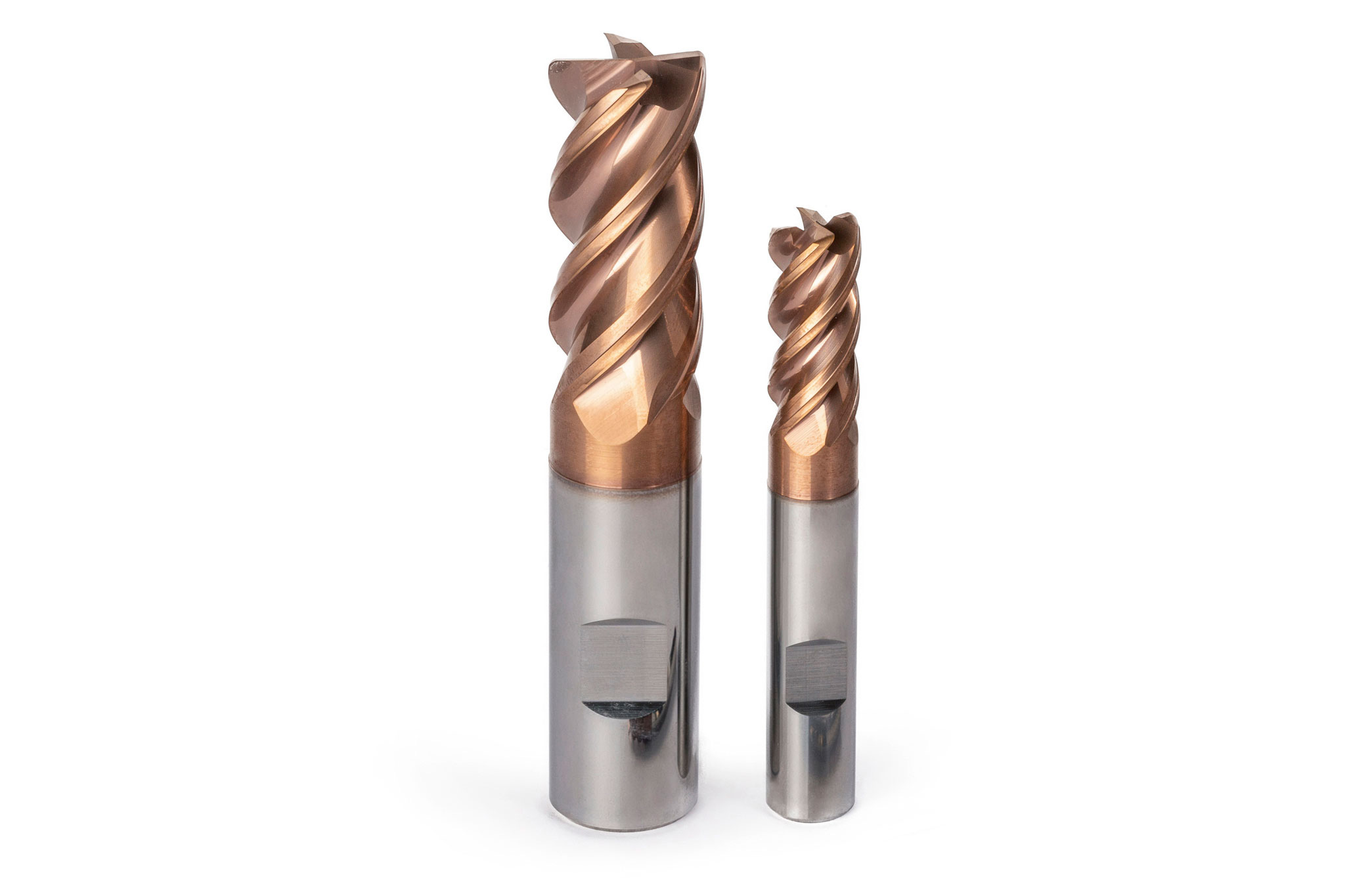
The OptiMill-Titan-HPC roughing-finishing milling cutter is a versatile tool. It is also ideal for smaller manufacturers who prefer not to have a single milling cutter for every kind of machining. The solid carbide tool can perform roughing operations and can also be used for a finish cut. The special cutting edge preparation produces clean surfaces and allows full slot milling up to 1.5xD. In conjunction with the MAPAL Mill Chuck, optimum coolant supply via the shank is possible. The core of this milling cutter with four cutting edges rises from the cutting edge to the shank, giving it greater stability. The spacing of the cutting edges and the pitch of the spirals are uneven to achieve smooth running. The coating, which contains silicon, and the polished chip flutes are highly heat-resistant, counteract the tendency to adhesion and therefore ensure optimum chip evacuation. The OptiMill-Titan-HPC milling cutters are available in the diameter range from 6 to 25 mm. Special dimensions are available.
The OptiMill-Titan-HPC is the number one tool for manufacturing titanium brake calipers for sports cars. MAPAL is also successfully using the tool to manufacture a wide range of parts for pilot customers. Rotor heads, door frames, flaps and structural parts for vertical tail planes (VTPs) are just a few examples.
NeoMill-Titan: indexable insert milling cutters with a bite
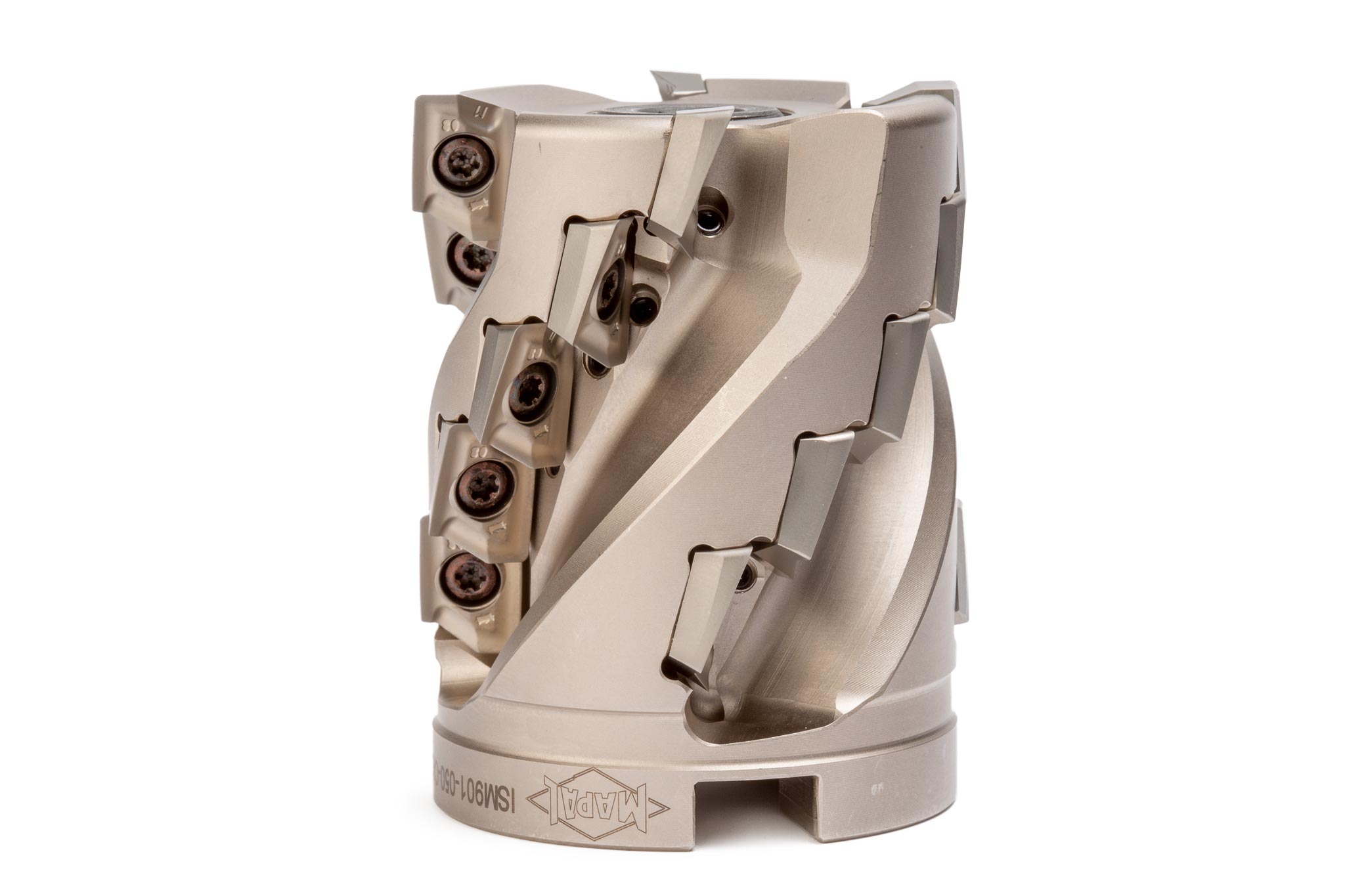
MAPAL offers the indexable inserts with two different substrates. One grade is designed for universal applications and is aimed at customers whose focus is more on product price and less on cost per part. The second grade is more temperature-resistant, enabling higher cutting speeds and the machining of more highly annealed titanium material. Cutting speeds of up to 70 m/min can be achieved. "With this approach, we specifically address the requirements of the market," says Tyczyński. "We take into account the individual needs of our customers and offer an optimally fitting solution."
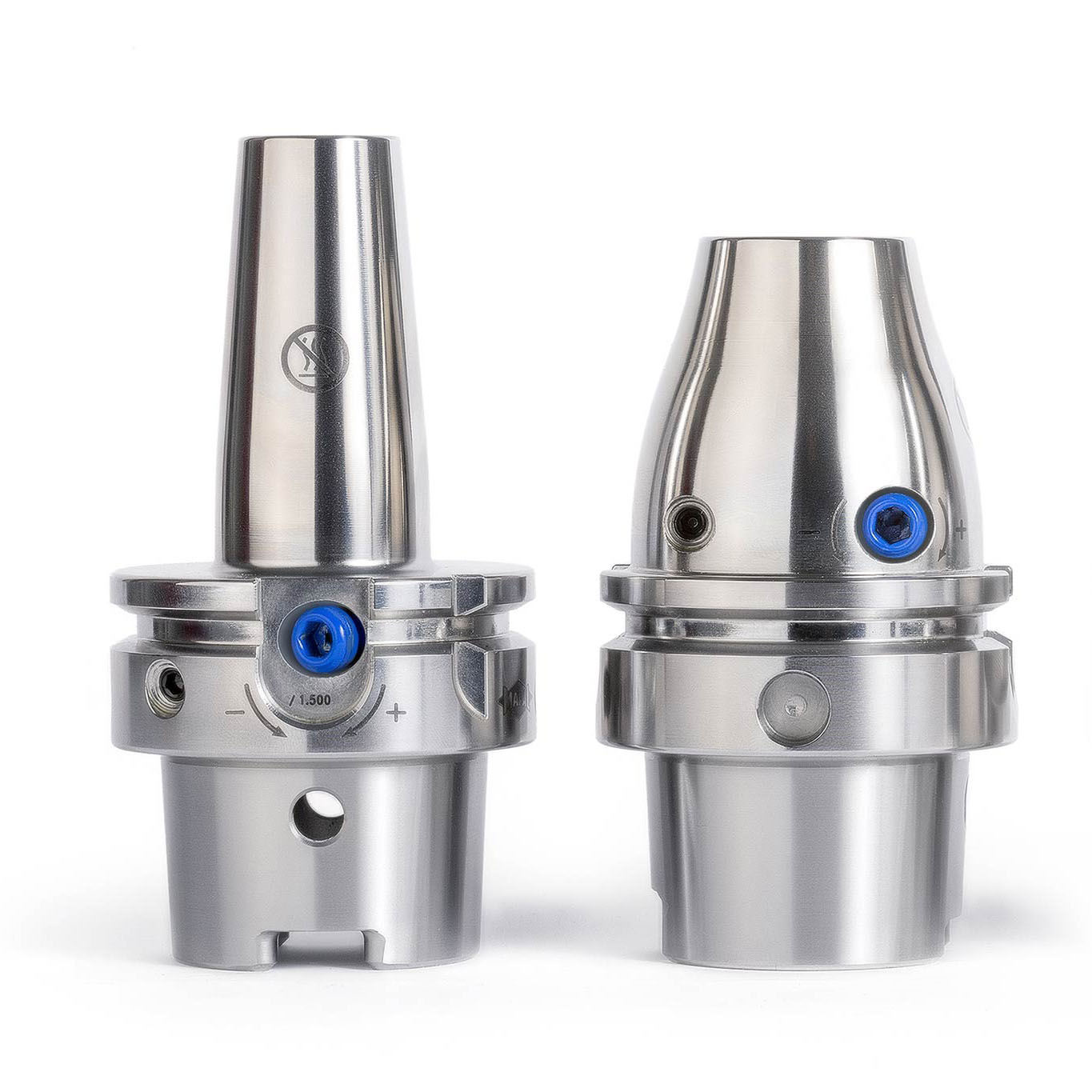
The tool body has also been newly developed for the high-tech inserts. With flowing shapes, the chip flutes transport the chips out of the shear zone. The coolant is fed axially directly through the milling arbour. The unequal spacing of the inserts provides additional stability and smooth running. The coolant is supplied axially directly via the milling arbor. The whole milling cutter is basically a hollow body with a large chamber in the centre, from where the coolant is conveyed to each insert. The coolant outlets are designed variably. By changing a threaded pin, the operator can regulate the flow rate for each individual cutting edge.
MAPAL supplies the shoulder milling cutters for titanium from stock in diameters from 40 mm to 125 mm. The shell end face milling cutters are stocked from a diameter of 32 mm to 80 mm. Special dimensions are also available upon request.

Contact
Kathrin Rehor Public Relations Kathrin.Rehor@mapal.com Phone: +49 7361 585 3342