16.01.2025
Engineering von MAPAL für DEUTZ in Rekordzeit
Komplettes Toolmanagement für das spanische Werk des Kölner Motorenherstellers
Kräftige Dieselmotoren sind für Nutzfahrzeuge auf absehbare Zeit unverzichtbar. Für ein neues Projekt des Motorenherstellers DEUTZ im spanischen Zafra hat es der Werkzeughersteller MAPAL geschafft, das komplette Engineering inklusive Werkzeugauslegung, Taktzeitstudie und Kostenkalkulation binnen zwei Wochen auf die Beine zu stellen.

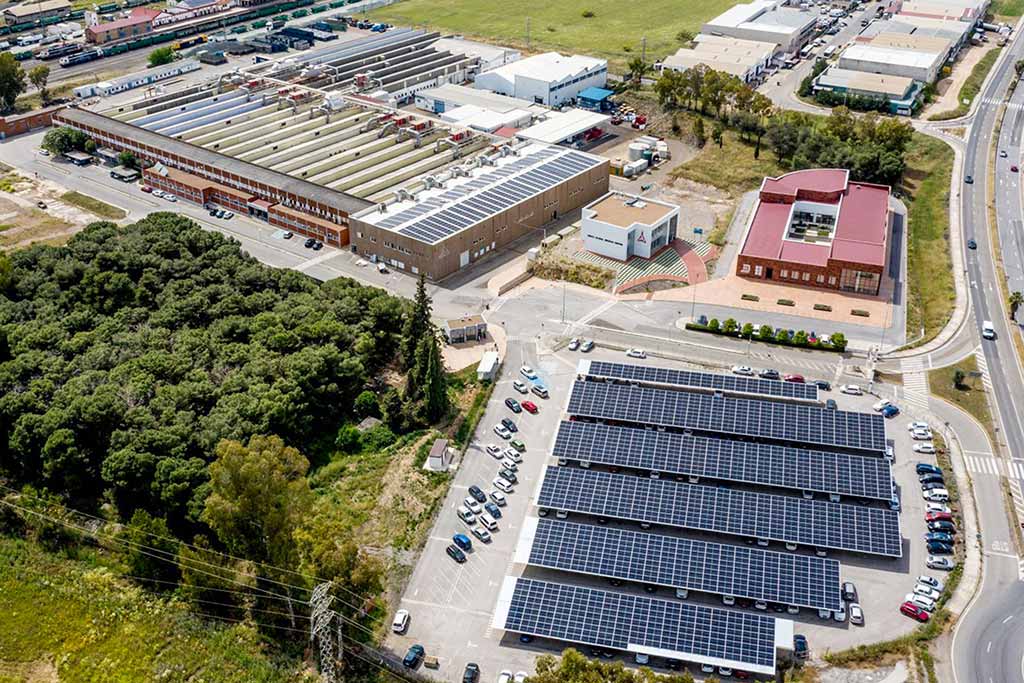
Bevor der Standort Zafra zum Hauptkomponentenwerk für die Bearbeitung von DEUTZ Motorenteilen wurde, war das bereits 1875 gegründete Werk eine Motorenfabrik. Heute produzieren rund 500 Mitarbeiter in der modernen Produktionsstätte Zylinderblöcke, Zylinderköpfe, Pleuel und Zahnräder für die Montagelinien des Konzerns in Köln und Ulm sowie für weitere Kunden.
Der neue 3,9-Liter-Dieselmotor von DEUTZ wird vorwiegend im Landwirtschafts-, aber auch Baumaschinensegment eingesetzt. Als industrieller Motor ist er für eine lange Produktlebensdauer ausgelegt und soll bis mindestens 2035 gebaut werden. Die Serienproduktion startet noch in diesem Jahr 2025.
Damit ist dieser Motor, der in Leistungsbereichen von 75 bis 130 kW angeboten wird, ein wichtiges Zukunftsprojekt für den Motorenhersteller. Da er dieselbe Größe wie sein 3,6-Liter-Vorgänger hat, kann er mit sehr effizienter Leistung in den gleichen Fahrzeugen verbaut werden.
Zwei Wochen vom Design Freeze bis zum Angebot
„Die Entwicklungszeiträume für neue Bauteile werden bei unseren Kunden zunehmend kürzer“, erläutert Thomas Spang, Global Head of Tool Management bei MAPAL. Für Werkzeughersteller oder Komplettanbieter wie MAPAL ist dies eine Herausforderung. Das gilt vor allem dann, wenn Pläne in einer späten Phase nochmal geändert werden, der Endtermin für die Werkzeugauslegung aber bestehen bleibt. Beim Motorblock des neuen 3,9-Liter-Diesels hatte MAPAL nach dem Design Freeze lediglich zwei Wochen Zeit, um ein ausgearbeitetes Angebot zu erstellen.
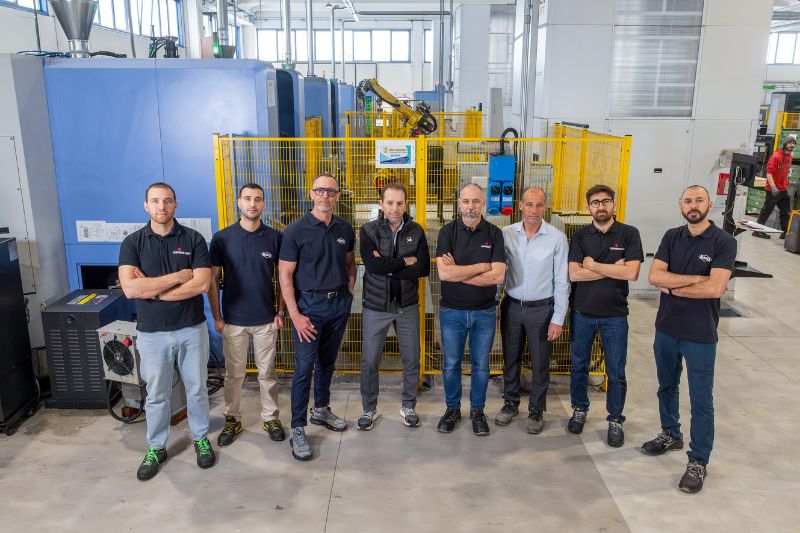
Ein schlagkräftiges Expertenteam in Aalen hat die anspruchsvolle Aufgabe fristgerecht bewältigt. Eingespielte Abläufe kamen dem Team dabei ebenso zugute wie langjährige Erfahrungen mit der Produktion des Kunden. Seit 18 Jahren betreibt MAPAL das Toolmanagement für DEUTZ in Spanien. In dieser Zeit wurden mehrere Projekte miteinander umgesetzt.
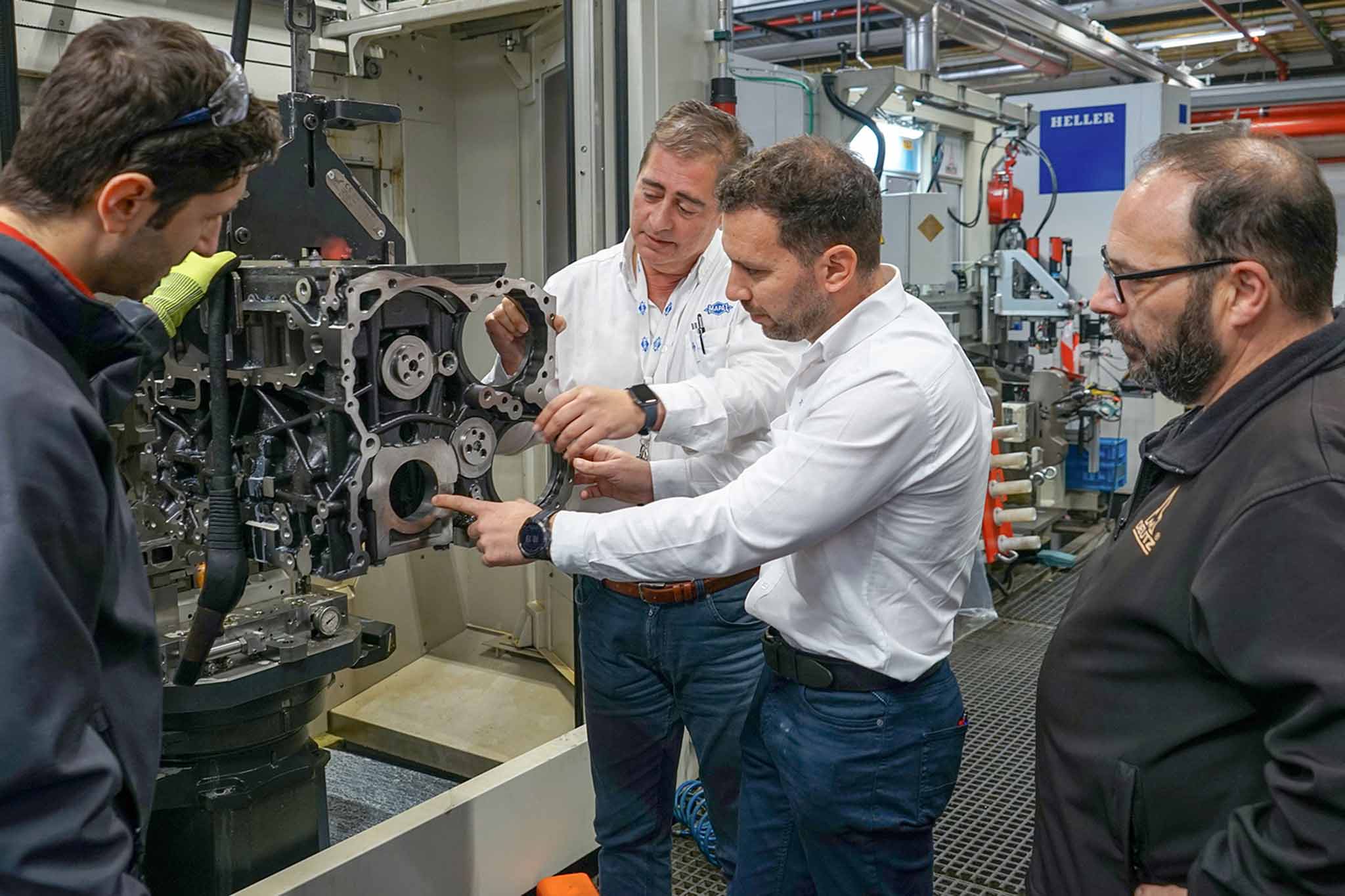
MAPAL hatte bereits die Bearbeitung der Motorblöcke für den älteren 3,6-Liter-Diesel ausgelegt, konnte damit auf gewisse Erfahrungswerte zurückgreifen und musste nicht bei null anfangen. Die Werkzeugexperten wussten anhand solcher Vorprojekte auch, welcher Maschinenpark der Motorenhersteller zur Verfügung hat. DEUTZ hat seine Fertigung in Zafra in den vergangenen Jahren mit neuen Fünf-Achs-Maschinen sehr flexibel ausgelegt, um relativ einfach auf neue Produkte umstellen zu können.
Als die Anfrage von DEUTZ hereinkam, machten sich in Aalen der Bereich Toolmanagement in Zusammenarbeit mit dem Technology Expert Team zunächst Gedanken über den Produktionsablauf. „Um hier schnell zu sein, gehen wir in dieser frühen Phase nicht gleich ins Detail, sondern ziehen überschlägvig Referenzwerkzeuge und Konzepte für bereits ausgeführte Projekte heran“, erläutert Harald Traub, der als Projektingenieur in der Gruppe Technology Expert Team für die Auslegung des gesamten Prozesses zuständig ist. „Damit sind wir in der Lage, dem Kunden früh einen ungefähren Kostenrahmen und den groben Umfang des Werkzeugpakets zu nennen.“
100 verschiedene Werkzeuge für den Motorblock
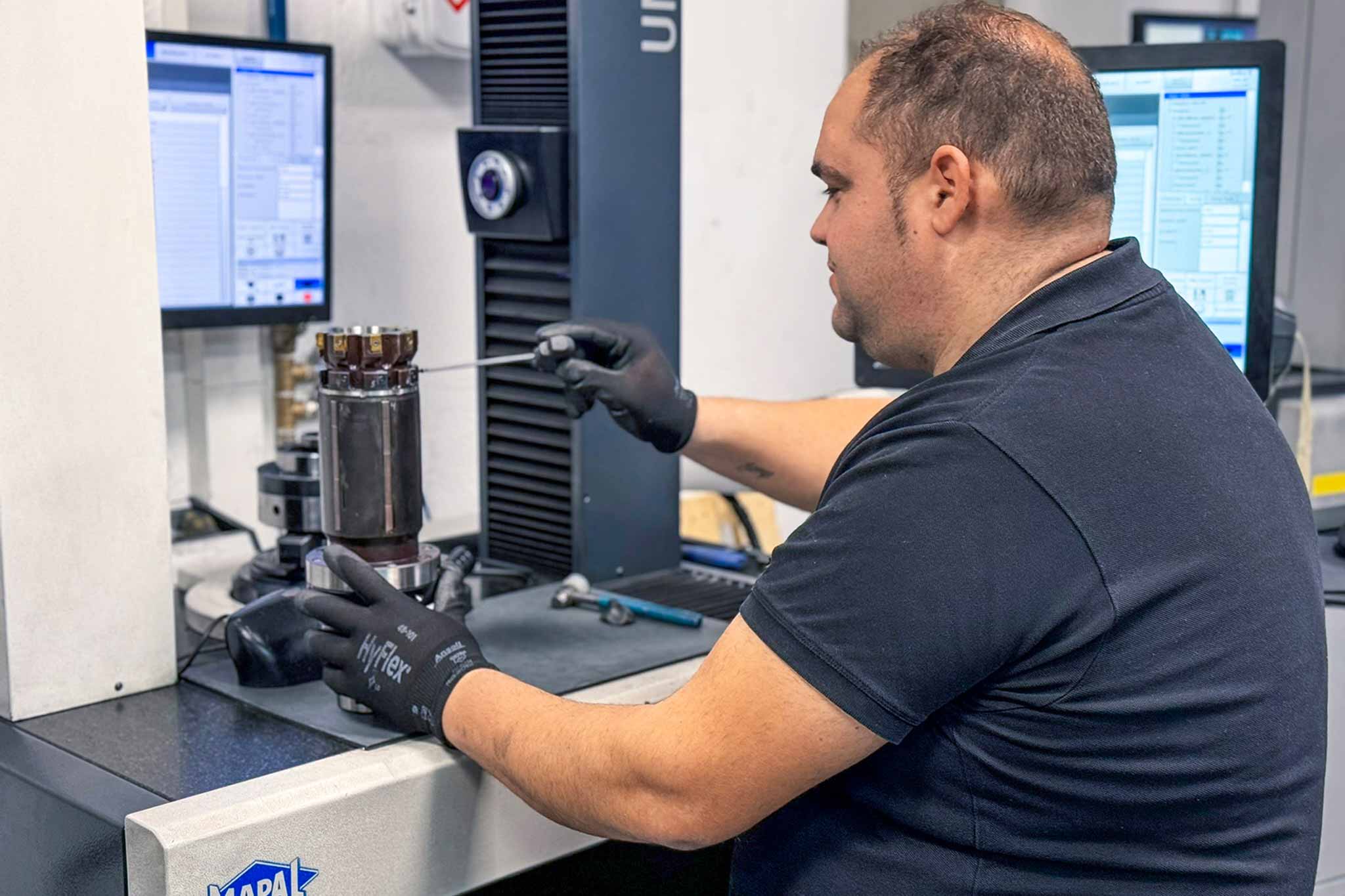
Nach diesem groben Plan ging es in der zweiten Woche an die konkrete Auslegung der Werkzeuge. Das Angebot von MAPAL für die Serienfertigung des Motorblocks umfasste schließlich knapp 100 verschiedene Werkzeuge. Ein Großteil davon sind Sonderwerkzeuge, die kurze Bearbeitungszeiten und damit hohe Wirtschaftlichkeit erreichen. Daneben werden vor allem im Fräsbereich auch Standardwerkzeuge eingesetzt.
Um zügig zu Prototypen zu kommen, wurde zu deren Fertigung auch das eine oder andere seriennahe Werkzeug benutzt. In die Serienfertigung geht es dann mit der optimalen Werkzeugausstattung. Über die Erstausrüstung hat MAPAL die Verbrauchswerkzeuge sowie die notwendigen Halter und Adapter an DEUTZ geliefert. Alle weiteren Verbräuche laufen dann über das Toolmanagement vor Ort. Von diesem Zeitpunkt an bezahlt der Kunde nicht für Werkzeuge, sondern für gefertigte Bauteile, abgerechnet wird also nach Cost per Part.
Die Stückkosten entsprechen anfangs den im Rahmen des Engineerings ermittelten Kosten. Für die folgenden Jahre sind gewisse Ratios vereinbart. Der Kunde erhält einen ansteigenden, prozentualen Rabatt und bezahlt damit jährlich etwas weniger für die produzierten Teile. Damit dieses Geschäftsmodell aufgeht, muss MAPAL ständig Verbesserungen einbringen, um für Kosteneinsparungen zu sorgen. Das gelingt mit neuen Werkzeugtechnologien und entsprechenden Optimierungen. Die Cost per Part sind über die Vertragsdauer fixiert, danach findet eine Neubewertung statt. Solche Verträge, die über vier bis fünf Jahre laufen, geben dem Kunden Planungssicherheit.
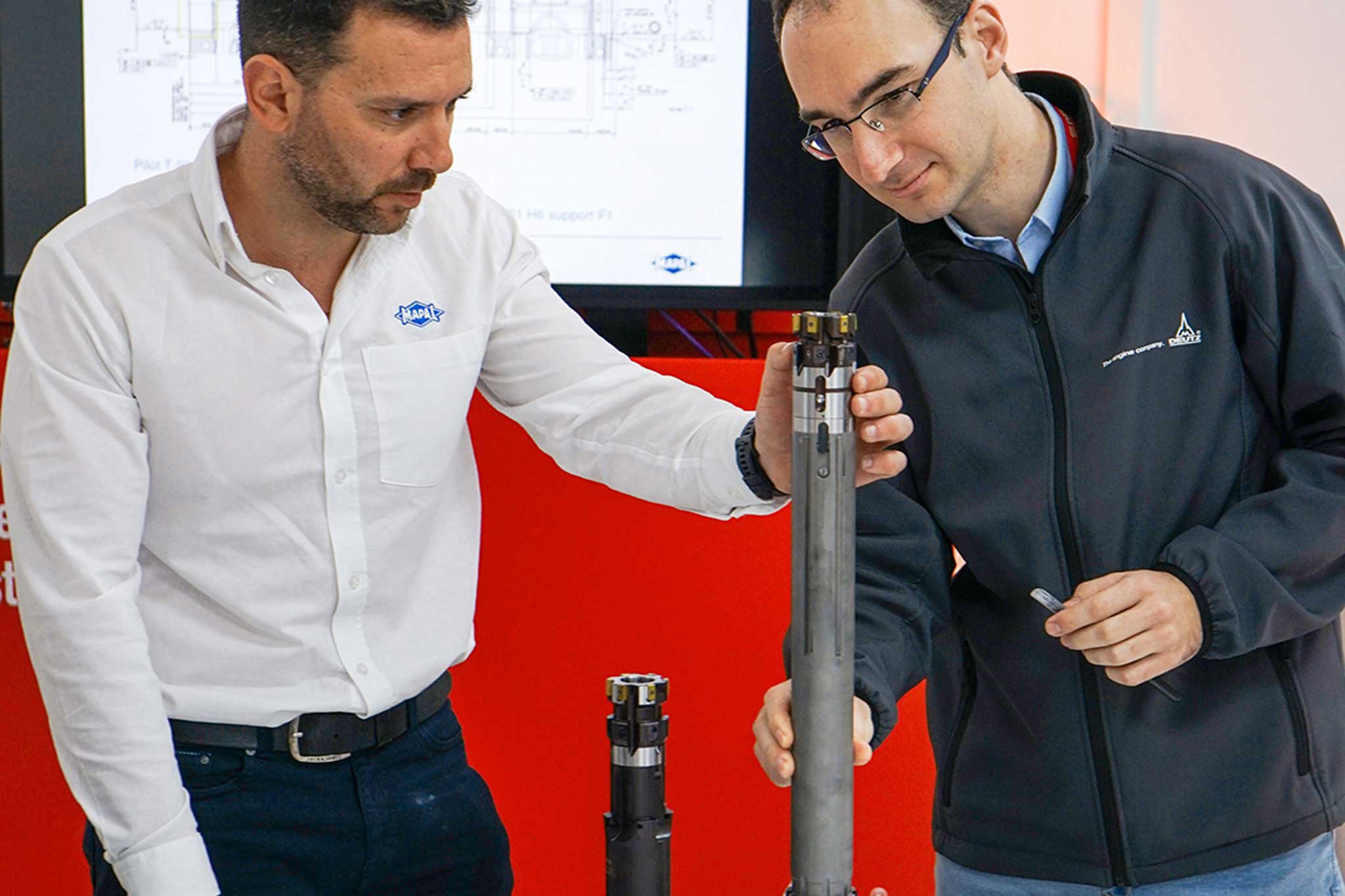
„Mit unserem Engineering-Know-how begleiten wir DEUTZ über den Einstellraum hinaus und pflegen eine enge Partnerschaft“, betont Thomas Spang. Nach der Unterstützung beim Prototypenbau spielt das Toolmanagement vor Ort bei der Serienfertigung seine ganze Stärke aus. DEUTZ setzt insgesamt rund 1.300 verschiedene Werkzeuge ein. Lagerhaltig sind in Zafra mehrere Tausend Werkzeuge, die es zu verwalten gilt. Um den Bestand auf einem optimalen Niveau zu halten, also Engpässe zu vermeiden, ohne unnötig hohe Umlaufbestände zu haben, setzt MAPAL im Toolmanagement auf eigene Lagerverwaltungssysteme und digitalisierte Lösungen mit der cloudbasierten Software c-Com. Das digitale Toolmanagement 4.0 dient dabei nicht nur für Beschaffungsprozesse, die teilweise automatisch initiiert werden, sondern auch als Reporting Tool für die Analyse von Kostentreibern und Beständen.
Werkzeuge just in time an der Fertigungslinie
Industrialization Manager Manuel Rodríguez López lobt die gute Zusammenarbeit mit MAPAL beim Toolmanagement: „Wir haben im Laufe unserer Kooperation gemeinsam tiefgreifende technologische Konzepte entwickelt, die weit über die reine Logistik hinausgehen. Neben den erreichten Kostensenkungen ist die Werkzeugeinstellung sehr wichtig für uns. Die bei uns tätigen Mitarbeiter von MAPAL verfügen über sehr viel Know-how und sorgen dafür, dass wir an der Fertigungslinie im richtigen Moment genau die Werkzeuge haben, die wir brauchen.“
Für MAPAL verantwortet David Castaño das Toolmanagement vor Ort. Daneben beschäftigt MAPAL Werkzeugeinsteller, die ständig in Zafra tätig sind. Sie sorgen dafür, dass derzeit ein Dutzend verschiedener Bauteile reibungslos produziert wird. „Es ist sehr vorteilhaft, David hier bei uns vor Ort zu haben“ unterstreicht Manuel Padilla Fernández, Manufacturing Engineering Manager bei DEUTZ, der eng mit dem Toolmanager zusammenarbeitet. „Wenn es Optimierungsmöglichkeiten gibt, können wir das gemeinsam direkt an der Maschine besprechen. Wir sehen David Castaño nicht als externen Dienstleister, sondern er ist Teil unseres Teams. Das ist eine sehr leistungsstarke Kooperation.“
Gemeinsame Entwicklung löst Probleme
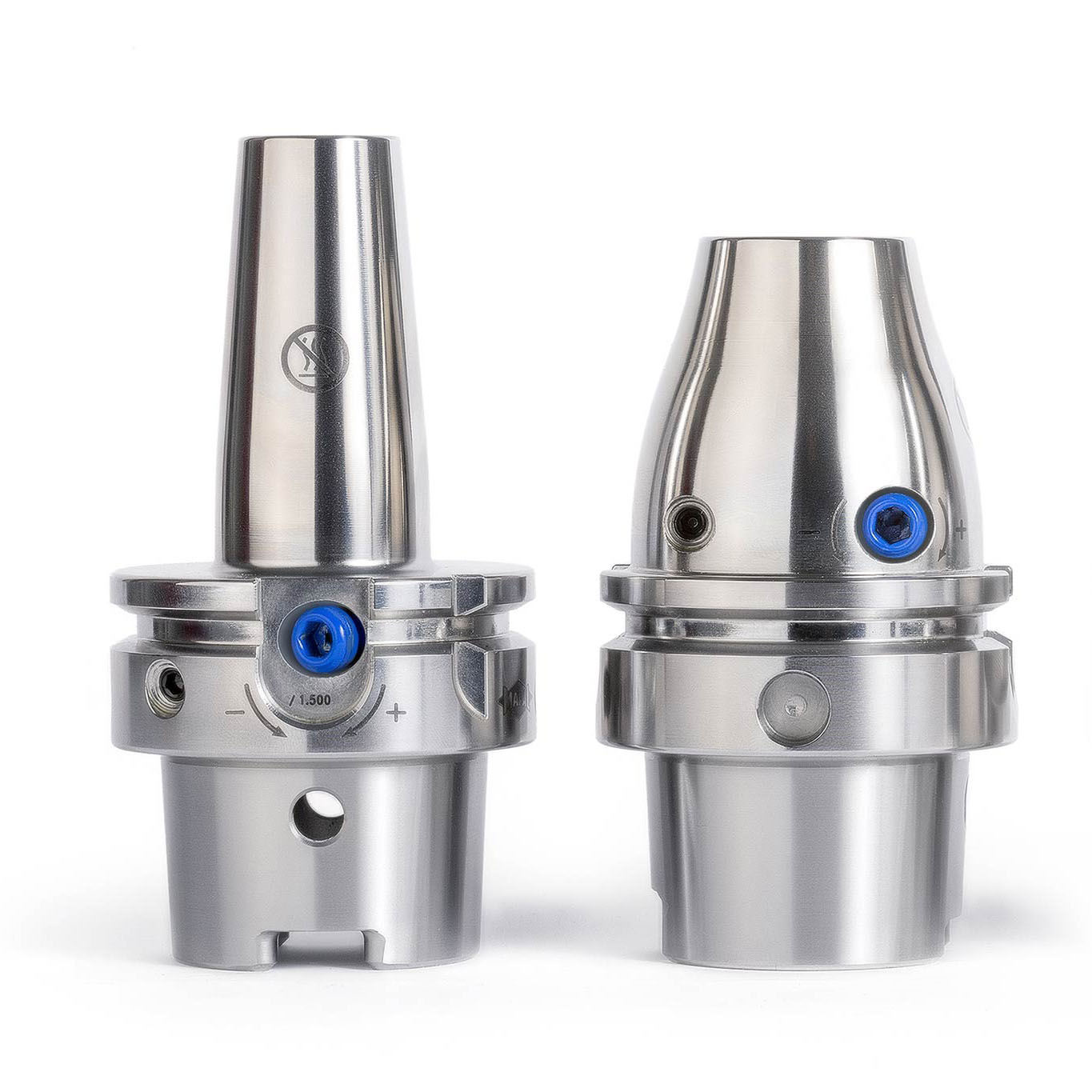
Über das lokale MAPAL Team können bei Bedarf neue Werkzeuglösungen in Aalen entwickelt werden. Das war zum Beispiel erforderlich, als in Zafra Optimierungsbedarf bei den Werkzeugen zur Bearbeitung der Bohrungen für Kurbelwelle und Nockenwelle aufkam. In Zusammenarbeit mit DEUTZ wurde mit der HPR400 Reibahle ein neues Bearbeitungskonzept von MAPAL in Einsatz gebracht. Deren Vorteile überzeugen laut David Castaño: „Die Standzeit des zuvor benutzten Werkzeugs lag bei 350 Teilen, wobei jeweils nach 100 Teilen neu eingestellt werden musste. Mit der HPR400 erreichen wir eine Standzeit von 1.000 Bauteilen ohne Einstellung. Die erreichte Bearbeitungsqualität ist sehr gut.“
Neben dem laufenden Toolmanagement nimmt MAPAL mehrmals jährlich Tests auf verschiedenen Produktionslinien vor. In enger Absprache mit DEUTZ geht es dabei neben möglichen Kostenreduktionen auch um qualitative Probleme in der Produktion und um taktzeitrelevante Themen. „Um effektiv zu sein, muss man gut planen und Prioritäten für Aktionen setzen“, schildert López seine Prioritäten. „Zusammen mit MAPAL bekommen wir das sehr gut hin.“ Optimierungen, die hier gefunden werden, kommen letztlich beiden Seiten zugute.
Kontakt
Kathrin Rehor Public Relations Kathrin.Rehor@mapal.com Tel.: +49 7361 585 3342