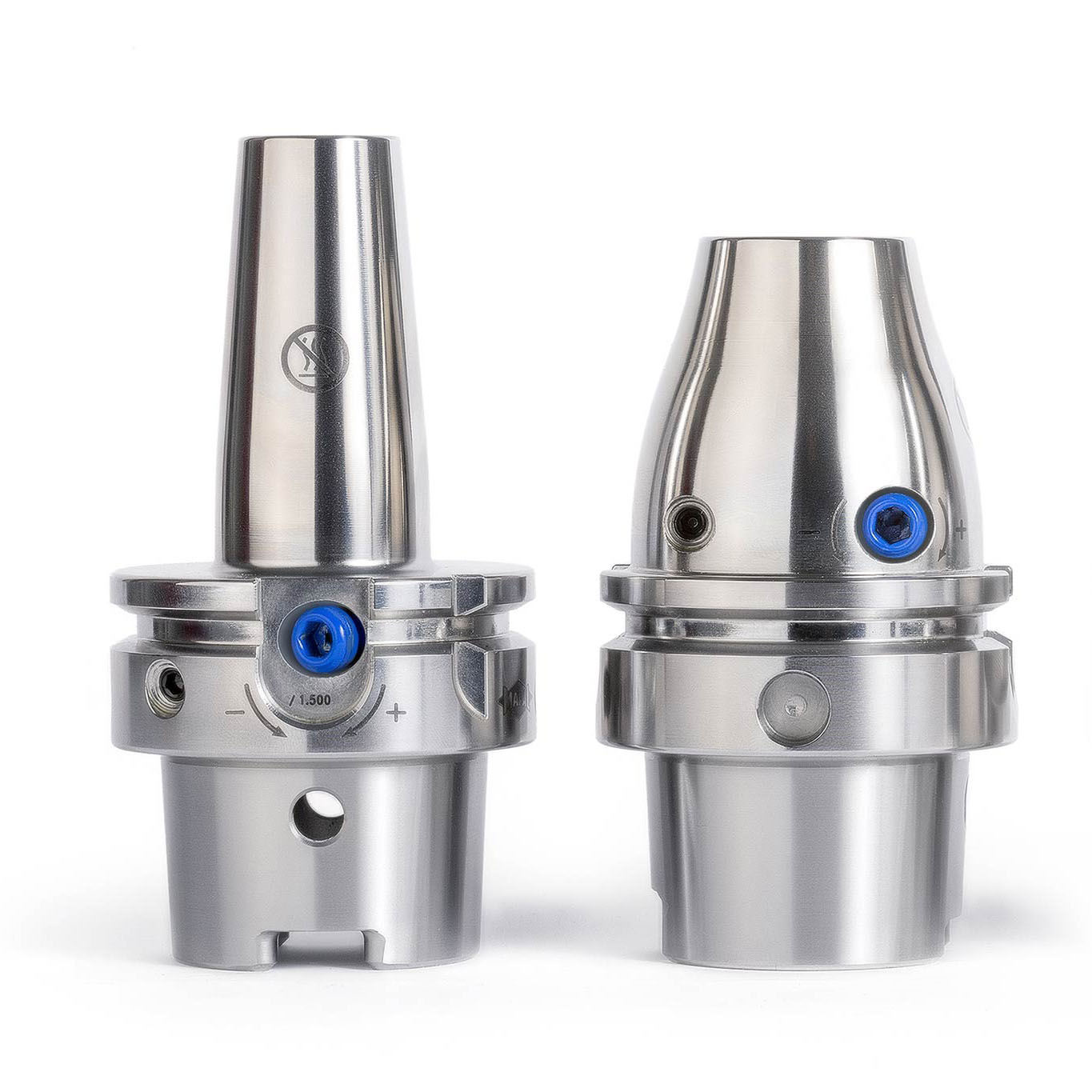
Mecanizado de superficies en 2D
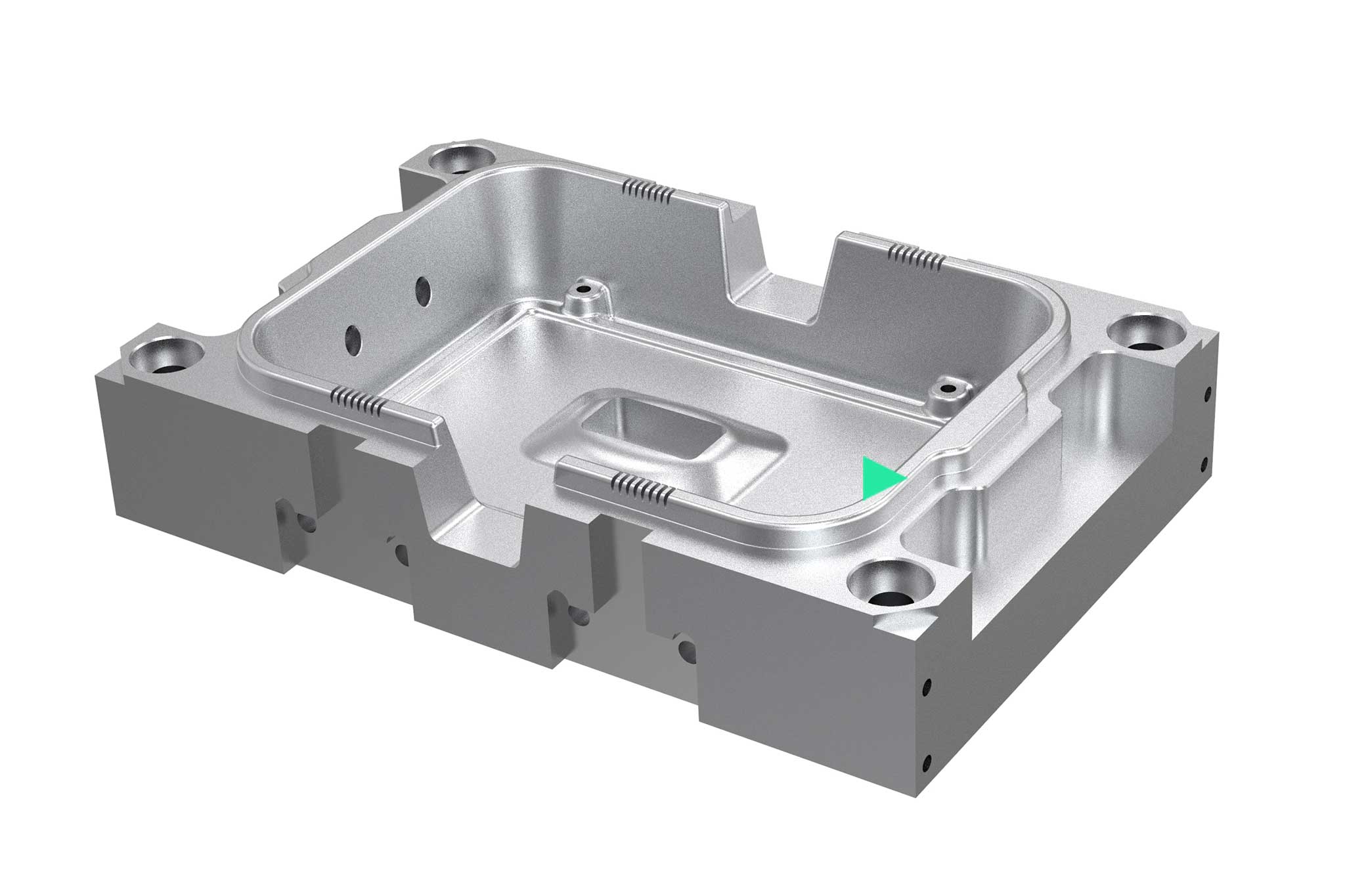
En esta categoría se incluyen los procesos de mecanizado ejecutados directamente en la máquina como el fresado plano, fresado de cajeras y paredes rectas. También el trabajo en geometrías complejas que se pueden programar con un software CAM.
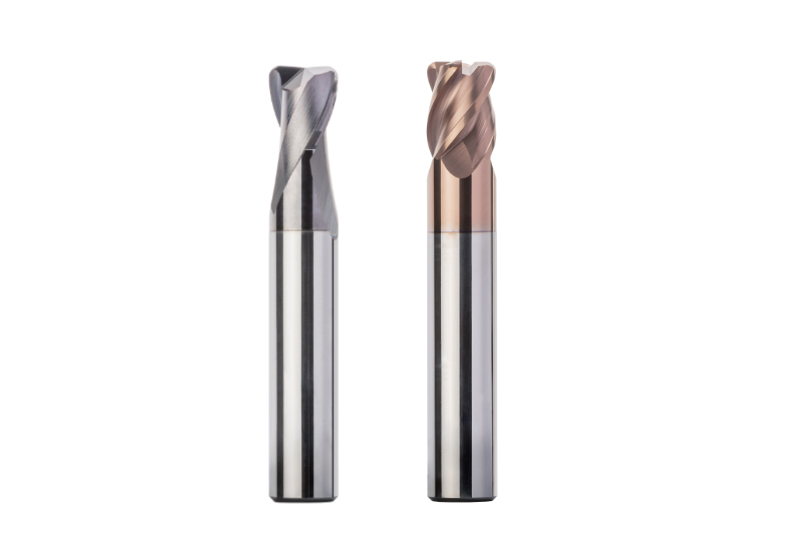
Tool overview for the following machining steps:
Roughing
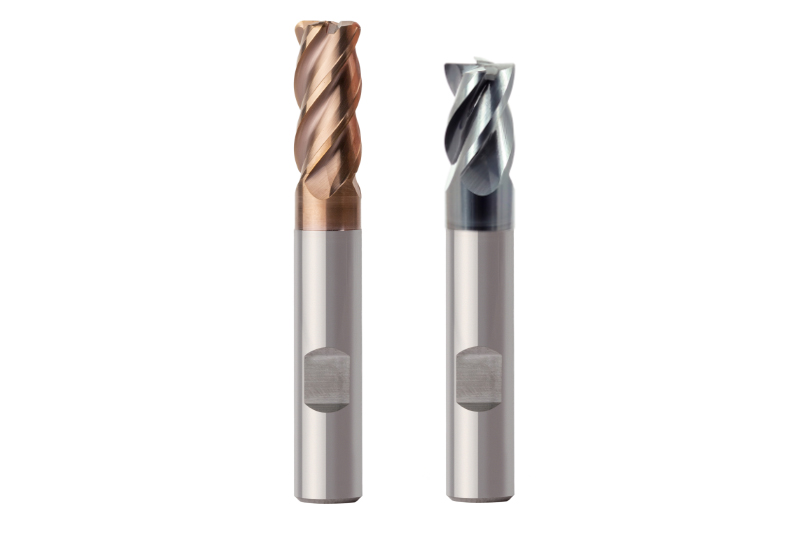
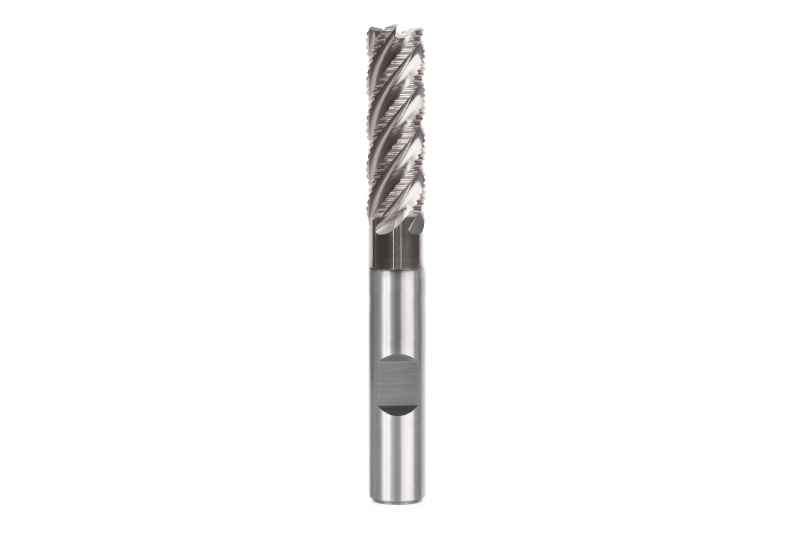
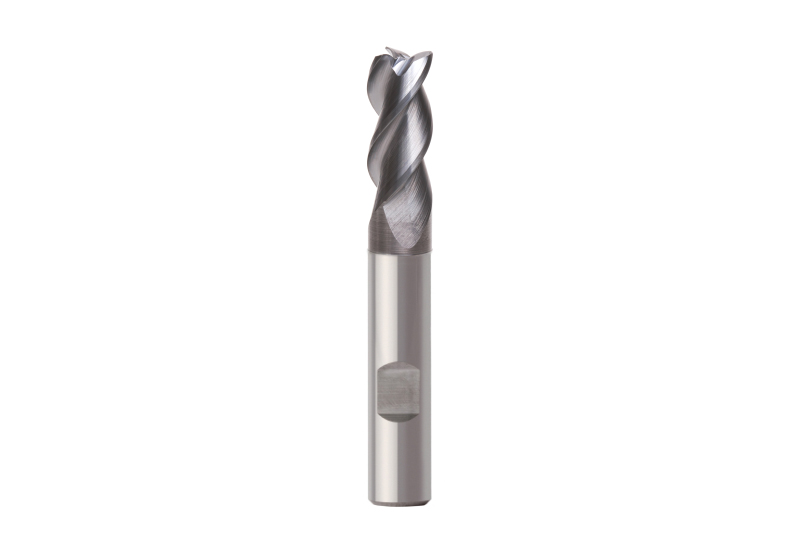
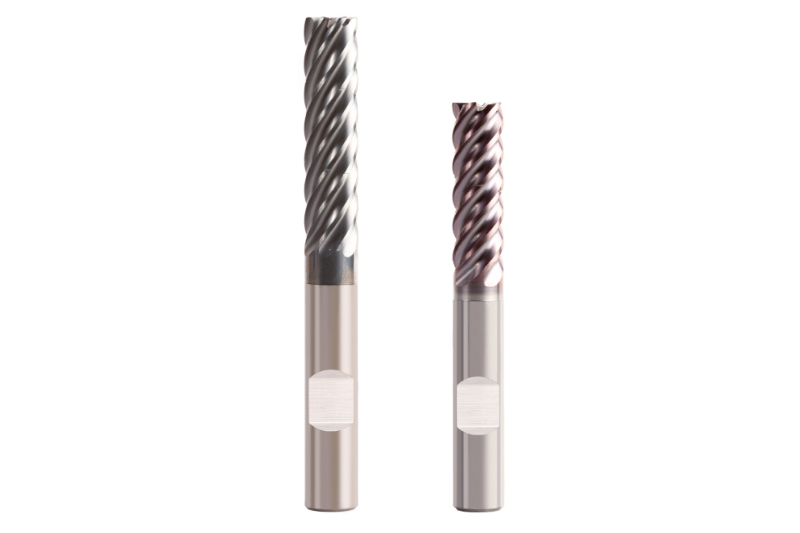
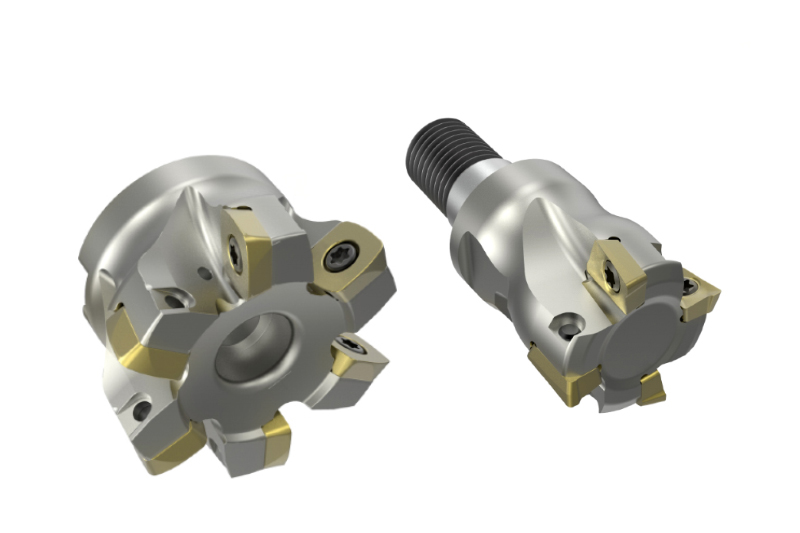
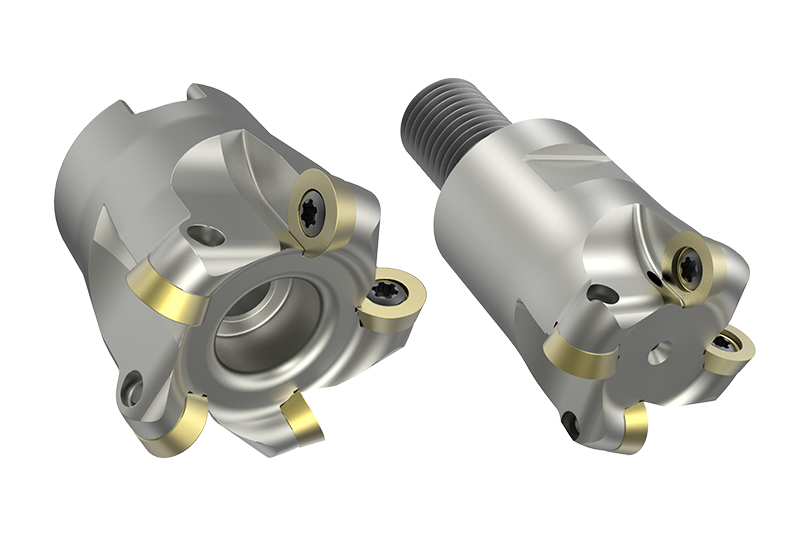
Roughing operations are responsible for most of the chip removal capacity. Special milling strategies such as high-feed machining or trochoidal milling can reduce machining time and thus increase profitability. In addition to tools with indexable inserts and solid carbide milling cutters, high-performance milling cutters with special roughing geometry are used.
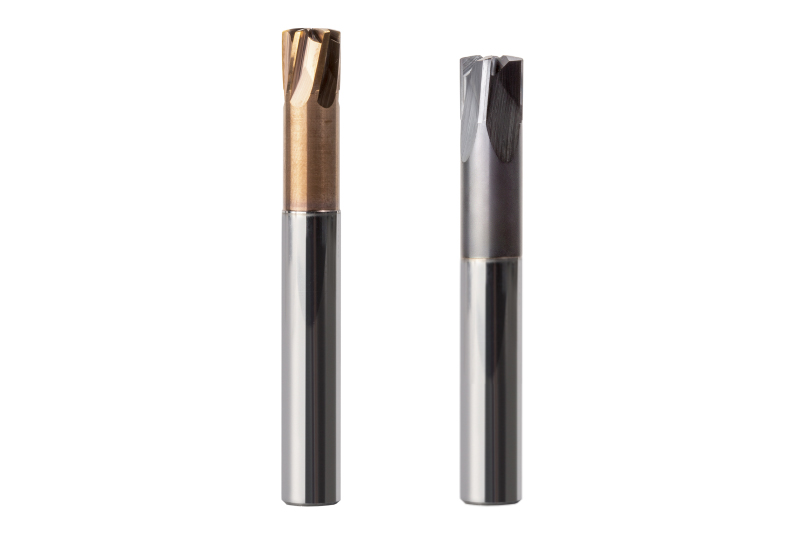
残材の粗旋削
粗旋削後、特にコーナー部やキャビティ部の残材を、二次加工でできるだけ一定の取り代になるように事前に機械加工します。通常、コーナーRのあるツールまたは高送りミリングカッターが使用されます。必要に応じて、球面シートカッターでコーナー部の残材を除去することも可能です。
中仕上げ
寸法精度や表面品質への要求が高い場合は、仕上げ前に中仕上げを行うことをお勧めします。中仕上げは、加工工程を最終的な形状プロファイルに近づけるものです。表面品質への要求が高い高速仕上げを可能にするため、できるだけ一定の残材を得ることを目的としています。粗旋削後の取り代は、高硬度材で約0.5~1mm、軟質材で0.03~0.5mmです。中仕上げ後の一定寸法は、高硬度材で0.05~0.1mm、軟質材で0.1~0.3mmです。
Schlichten
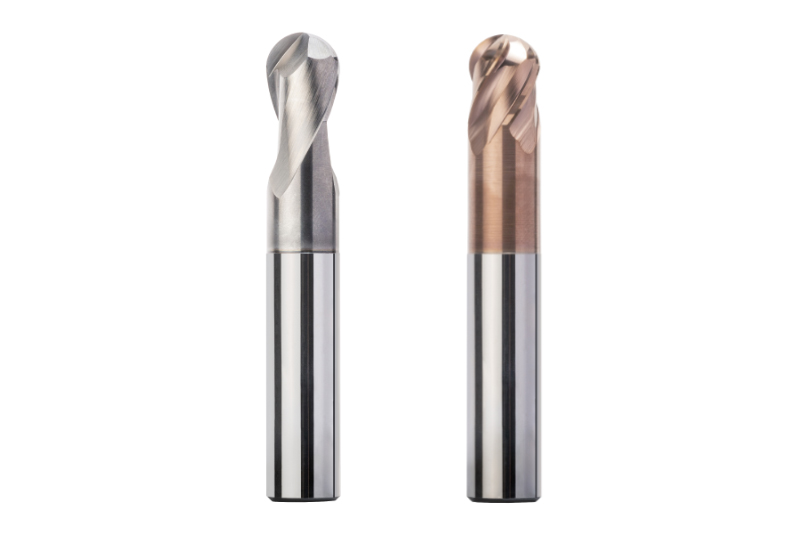
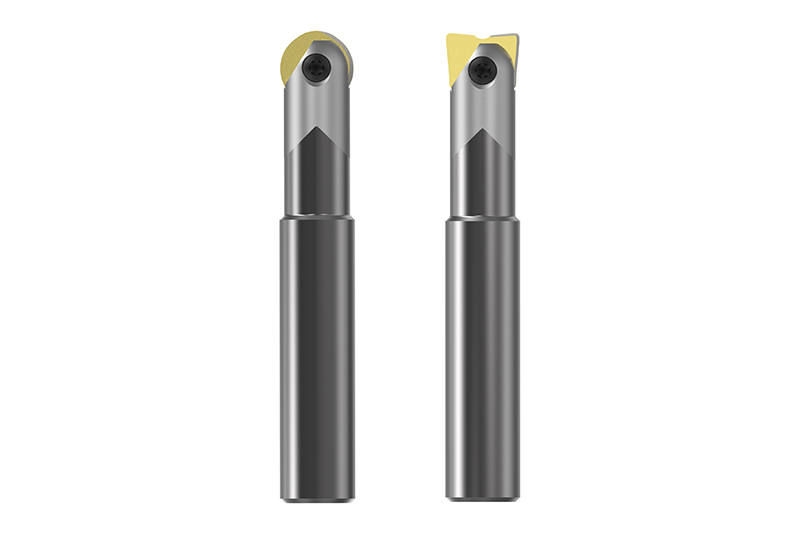
Die Schlichtbearbeitung trägt das verbleibende Aufmaß ab, um die finale Form zu erreichen. Nach der Vorschlichtbearbeitung beträgt dies 0,05-0,1 mm bei gehärteten Materialien beziehungsweise 0,1-0,3 mm bei weichen Materialien. Kugel- und/oder Eckradiusfräser sind das Mittel der Wahl, abhängig von den finalen Konturen des Werkstücks.
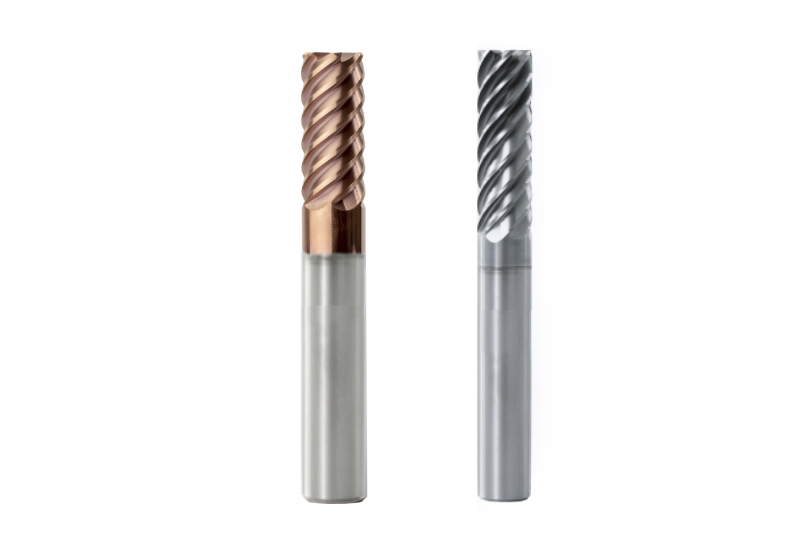
Restmaterial schlichten
Die immer komplexeren Eigenschaften der herzustellenden Formen erfordern nach der Schlichtbearbeitung ein Fräsen des Restmaterials, hauptsächlich in den Ecken. Hierfür kommen in der Regel Kugelfräser aus Vollhartmetall zum Einsatz.